Table of Contents >> Show >> Hide
- Why Beauty Brands Use Strange Ingredients
- 1. Snail Mucin: The Slime That Became a Skincare Celebrity
- 2. Bee Venom: The Sting Without the Full Sting
- 3. Carmine: The Insect-Based Red in Makeup
- 4. Guanine: Fish Scales for That Pearly Glow
- 5. Lanolin: Wool Grease With a Softer Publicist
- 6. Beef Tallow: Grandma’s Pantry Meets TikTok Skincare
- 7. Urea: The Ingredient With the Worst Name and Better Science
- 8. Placenta Extract: The Controversial Regeneration Claim
- 9. Salmon DNA: The “Fish Sperm Facial” Trend
- 10. Activated Charcoal: Burnt Stuff With a Beauty Career
- Are Bizarre Beauty Ingredients Safe?
- How to Shop Smart When Products Sound Weird
- Personal Experience: What It Feels Like to Try Weird Beauty Ingredients
- Conclusion
Beauty products are supposed to make us feel polished, glowing, and slightly more prepared to face the world without hiding behind a giant latte. But flip over a jar of cream, lipstick, serum, or face mask, and you may find ingredients that sound less like luxury skincare and more like a dare from a medieval apothecary.
Snail slime? Fish scales? Bee venom? Rendered animal fat? Yes, these unusual cosmetic ingredients are real, and many of them have been used in beauty routines for years. Some are backed by practical science. Others are mostly powered by marketing sparkle, celebrity buzz, and the eternal human belief that if something sounds weird enough, it must be expensive enough to work.
This guide explores 10 bizarre ingredients found in beauty products, why brands use them, what they may do for skin or makeup formulas, and what shoppers should know before rubbing something suspiciously biological on their face.
Why Beauty Brands Use Strange Ingredients
The beauty industry is always chasing the next miracle texture, glow effect, anti-aging promise, or “ancient secret” that can stand out on crowded shelves. Sometimes, a bizarre ingredient has a legitimate function: it may moisturize, create shimmer, thicken a formula, color a lipstick, or protect the skin barrier. Other times, the ingredient becomes famous simply because it sounds shocking.
Still, “weird” does not automatically mean “bad.” Many cosmetic ingredients begin with natural sources and are then purified, processed, refined, or recreated synthetically. Urea in modern skincare, for example, is not scooped from a bathroom emergency. Snail mucin is filtered and formulated. Carmine is regulated as a color additive. In other words, your moisturizer is not usually as chaotic as the ingredient name suggests.
The smart approach is to look beyond the “ick factor” and ask better questions: What does the ingredient actually do? Is it suitable for my skin type? Is it ethically sourced? Is it supported by evidence, or is it just wearing a lab coat for the photoshoot?
1. Snail Mucin: The Slime That Became a Skincare Celebrity
Few strange skincare ingredients have achieved superstar status quite like snail mucin. Also known as snail secretion filtrate, it is the mucus produced by snails and used in creams, essences, serums, masks, and moisturizers.
Why It Is Used
Snail mucin is popular because it contains skin-friendly components such as glycoproteins, hyaluronic acid-like compounds, peptides, and antioxidants. In beauty products, it is mainly promoted for hydration, barrier support, smoother texture, and a plump-looking finish.
The ingredient became especially famous through Korean skincare, where lightweight essences and “glass skin” routines made snail mucin feel oddly glamorous. The texture can be stretchy, slippery, and a little dramatic, but many users love it because it layers well under moisturizer and sunscreen.
What to Watch For
Snail mucin is not magic in a jar. It may help with hydration and skin comfort, but results vary. People with sensitive skin or allergies should patch test first. Also, if animal-derived ingredients do not match your values, this is one to skip.
2. Bee Venom: The Sting Without the Full Sting
Bee venom in beauty products sounds like something invented by a villain with excellent cheekbones. It is used in some serums, masks, creams, and anti-aging products, often marketed as a “natural Botox-like” ingredient.
Why It Is Used
Bee venom contains compounds such as melittin and peptides that may create a temporary warming or tingling sensation. Some products claim this helps the skin appear firmer or smoother. The idea is that a tiny controlled irritation may encourage a plumper-looking surface.
That sounds exciting until your skin remembers it is not a science fair project. For some people, bee venom products may feel energizing. For others, they may cause redness, itching, swelling, or irritation.
What to Watch For
Anyone allergic to bees, bee products, or stings should avoid bee venom skincare. Even if you are not allergic, always patch test. Beauty should not require an emergency plan.
3. Carmine: The Insect-Based Red in Makeup
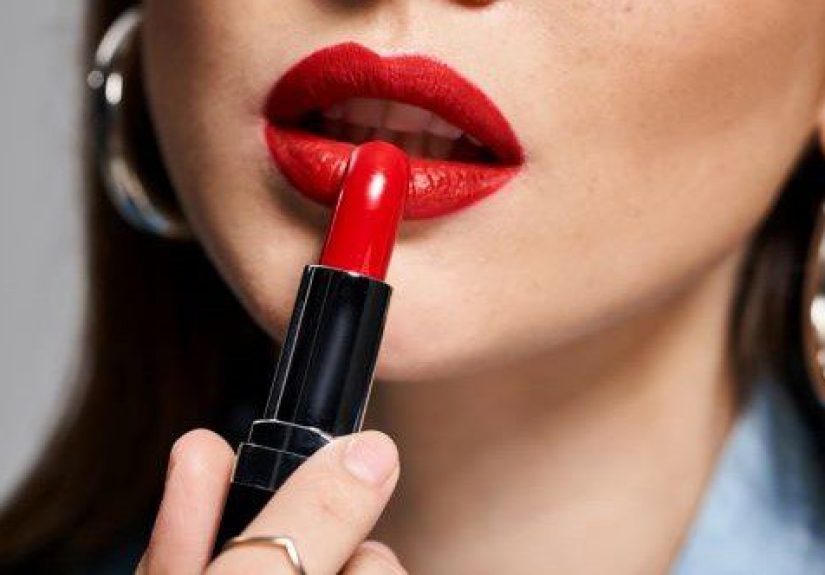
That rich red lipstick or rosy blush may owe its color to carmine, a pigment made from cochineal insects. Yes, bugs. Tiny insects have helped humans create vivid red dye for centuries, and carmine is still used in some cosmetics today.
Why It Is Used
Carmine is valued because it produces bold red, pink, purple, and berry tones that can be difficult to match with some synthetic or plant-based alternatives. It is especially useful in lipsticks, blushes, eyeshadows, and nail products.
From a performance standpoint, carmine is a strong colorant. From a dinner-party standpoint, it is a fast way to make someone stare at their lip gloss like it betrayed them.
What to Watch For
Carmine is not vegan, and some people may be sensitive or allergic to it. In the United States, cosmetic labels must identify carmine or cochineal extract by name when present, so label-reading matters.
4. Guanine: Fish Scales for That Pearly Glow
If your nail polish or makeup has a pearly, iridescent shimmer, it may contain guanine, a crystalline material historically derived from fish scales. It reflects light beautifully, creating that soft, aquatic glow people love in cosmetics.
Why It Is Used
Guanine can create a luminous, pearl-like finish in nail polishes, lip products, and other cosmetics. Before modern synthetic shimmer and mineral pigments became common, fish-scale-derived pearl essence was a prized way to make products sparkle.
It is strange, yes, but also visually effective. Somewhere, a fish became part of a manicure’s personality.
What to Watch For
Many brands now use mica, synthetic pearls, bismuth oxychloride, or other alternatives for shimmer. If you prefer vegan beauty products, check for guanine, pearl essence, or related color additive names.
5. Lanolin: Wool Grease With a Softer Publicist
Lanolin is a waxy substance derived from sheep’s wool. It sounds rustic because it is. Sheep naturally produce it to protect their wool and skin from moisture loss, and cosmetic chemists use purified lanolin for similar reasons.
Why It Is Used
Lanolin is an emollient and occlusive ingredient, meaning it helps soften the skin and reduce water loss. It appears in lip balms, nipple creams, heavy moisturizers, hand creams, ointments, and dry-skin products.
For cracked lips or rough patches, lanolin can feel wonderfully cushiony. It is basically a tiny sweater for your skin, except greasier and less likely to shrink in the wash.
What to Watch For
Lanolin can cause allergic contact dermatitis in some people. It is also animal-derived, so it is not vegan. If you have eczema-prone or reactive skin, patch testing is wise before using a lanolin-rich product all over your face.
6. Beef Tallow: Grandma’s Pantry Meets TikTok Skincare
Beef tallow is rendered fat from cattle, and it has recently made a noisy comeback in skincare conversations. Some people use tallow balms as “ancestral” moisturizers, while dermatologists and cosmetic chemists tend to raise one cautious eyebrow.
Why It Is Used
Tallow contains fatty acids that can create a rich, occlusive layer on the skin. Fans claim it helps with dryness and gives the skin a soft, nourished feel. In simple terms, it can act like a heavy moisturizer.
The appeal is partly texture, partly nostalgia, and partly the modern obsession with ingredients that sound like they were made before electricity.
What to Watch For
Beef tallow is not ideal for everyone. It may feel too heavy for oily or acne-prone skin, and poorly made products may have odor, stability, or contamination concerns. If you love thick balms, there are more standardized options such as petrolatum, shea butter, ceramides, and fragrance-free ointments.
7. Urea: The Ingredient With the Worst Name and Better Science
Urea wins the award for “ingredient most likely to make shoppers panic unnecessarily.” The name is associated with urine, but cosmetic-grade urea used in skincare is typically synthetically produced and carefully formulated.
Why It Is Used
Urea is a natural part of the skin’s moisturizing system. In skincare, it helps attract and hold water, improve rough texture, and soften thick or flaky skin. At lower concentrations, it hydrates. At higher concentrations, it can help loosen dead skin cells, making it useful for rough feet, elbows, and keratosis pilaris-prone areas.
Basically, urea is the misunderstood honor student of strange skincare ingredients. Terrible branding, impressive résumé.
What to Watch For
Higher-strength urea products may sting if applied to cracked, freshly shaved, or irritated skin. Start slowly, especially if you have sensitive skin. For facial use, choose products designed specifically for the face.
8. Placenta Extract: The Controversial Regeneration Claim
Placenta extract has appeared in some haircare and skincare products with claims related to nourishment, rejuvenation, and vitality. It may come from animal sources, and historically, human-derived placenta ingredients have raised significant safety and regulatory concerns in different markets.
Why It Is Used
Placenta-derived ingredients are promoted for proteins, growth factors, amino acids, and other biological compounds. In marketing language, they often appear in products promising youthful-looking skin, stronger hair, or a refreshed complexion.
That sounds fancy until you remember the ingredient is literally connected to reproduction biology. Beauty marketing has never been shy, but this one arrives wearing tap shoes.
What to Watch For
Placenta extract is controversial because biologically active materials may raise safety, sourcing, hormone, and contamination questions. Shoppers should be cautious, choose reputable brands, and avoid products with vague claims or unclear sourcing.
9. Salmon DNA: The “Fish Sperm Facial” Trend
One of the buzziest unusual beauty ingredients is PDRN, short for polydeoxyribonucleotide. It is often discussed online as “salmon sperm DNA,” although reputable cosmetic and aesthetic uses involve purified DNA fragments rather than anything raw or cartoonishly fishy.
Why It Is Used
PDRN is associated with skin repair, regenerative medicine, and aesthetic treatments. In beauty products, it is marketed for smoother texture, improved elasticity, post-treatment recovery, hydration, and a more youthful-looking glow.
Its popularity has grown through K-beauty trends, med-spa treatments, and celebrity beauty chatter. The name alone could sell headlines for a decade.
What to Watch For
There is more discussion around PDRN in medical and professional treatment settings than in ordinary topical skincare. In creams and serums, results may depend heavily on formulation and delivery. People with fish allergies or ethical concerns about animal-derived ingredients should be careful.
10. Activated Charcoal: Burnt Stuff With a Beauty Career
Activated charcoal is carbon processed to become highly porous. It is famous in emergency medicine for certain poisoning cases, but in beauty it shows up in masks, cleansers, soaps, scalp scrubs, deodorants, and tooth products.
Why It Is Used
Activated charcoal is marketed as a magnet for oil, dirt, and impurities. In face masks and cleansers, it gives products a dramatic black color and a satisfying “deep clean” personality. It also photographs well, which is half the battle in modern skincare.
For oily skin, some charcoal products may help temporarily reduce surface shine. But claims about detoxifying the skin should be taken with a grain of salt, preferably not rubbed aggressively onto your cheeks.
What to Watch For
Harsh charcoal peel-off masks can irritate the skin barrier, especially if they pull painfully at fine facial hair or already-sensitive skin. Gentle rinse-off formulas are usually a better choice than products that feel like removing wallpaper from your nose.
Are Bizarre Beauty Ingredients Safe?
Safety depends on the ingredient, the concentration, the formula, the brand quality, and your individual skin. A strange ingredient can be perfectly fine in a well-made cosmetic product, while a common ingredient can cause irritation if it does not suit you.
Here are a few practical rules for evaluating weird beauty product ingredients:
- Read the full ingredient list. The headline ingredient may be present in a tiny amount, while fragrance, alcohol, or acids may be more relevant to irritation risk.
- Patch test first. Apply a small amount to the inner arm or behind the ear before using it on your face.
- Be careful with allergies. Bee venom, lanolin, fish-derived ingredients, and carmine can be problematic for some people.
- Do not trust “natural” automatically. Poison ivy is natural. So are bee stings. Nature has range.
- Choose reputable brands. Strange ingredients require good sourcing, processing, preservation, and labeling.
How to Shop Smart When Products Sound Weird
When a brand advertises unusual cosmetic ingredients, look for plain explanations instead of mystical fog. A good product page should tell you what the ingredient is, why it is included, what skin type it suits, and how to use it safely. If the marketing sounds like “ancient royal moon jelly discovered by monks and approved by mermaids,” maybe pause.
It also helps to separate function from fantasy. Carmine colors makeup. Guanine creates shimmer. Lanolin moisturizes. Urea hydrates and smooths rough skin. Activated charcoal may absorb surface oil. These functions are easier to evaluate than vague claims like “cellular awakening” or “instant age reversal.”
For sensitive skin, the best products are often boring in the best possible way: fragrance-free, dermatologist-tested, and focused on barrier support. Weird ingredients can be fun, but your skin does not need a circus every Tuesday.
Personal Experience: What It Feels Like to Try Weird Beauty Ingredients
Exploring bizarre beauty ingredients can feel like walking through a glamorous science museum where half the exhibits are labeled “Do not panic.” The first time many people try snail mucin, the texture is the main event. It stretches between the fingers like skincare mozzarella, then somehow settles into a smooth, hydrating layer. The surprise is that it usually feels less gross on the face than it looks in the jar. Under moisturizer, it can give dry skin a comfortable, bouncy finish without feeling heavy.
Lanolin-based lip balms are another experience entirely. They are thick, cushiony, and protective, especially when lips are cracked from cold weather, air conditioning, or the deeply unwise habit of licking your lips every seven minutes. The downside is that lanolin has a distinctive feel. Some users love the rich coating; others think it feels too waxy. If you are sensitive to it, your lips may react quickly, which is why patch testing is not just skincare adviceit is emotional insurance.
Activated charcoal masks are probably the most theatrical of the group. A black mask makes you look like you are either doing self-care or preparing to rob a very fancy bank. Rinse-off charcoal masks can feel refreshing on oily areas, especially the nose and forehead. Peel-off versions, however, can be intense. If a mask hurts to remove, that is not “detox.” That is your skin filing a complaint.
Urea creams are much less dramatic, but they often deliver the most practical results. On rough heels, dry elbows, or bumpy upper arms, urea can make skin feel smoother with consistent use. It is not glamorous. Nobody is throwing a red-carpet event for foot cream. But in real life, effective and unglamorous often beats trendy and confusing.
Trying carmine or guanine is different because these are usually makeup ingredients, not skincare treatments. You may not feel them, but you may see their effect immediately. Carmine gives reds and pinks impressive depth. Guanine or pearl-like pigments can create shimmer that looks soft rather than glittery. For shoppers who prefer vegan products, though, discovering these sources can be a dealbreaker.
The biggest lesson from experimenting with strange skincare ingredients is this: novelty should never outrank compatibility. A product can be fascinating, famous, and beautifully packaged, yet still be wrong for your skin. Start slowly. Watch how your skin responds over several days. Keep your basic routine steady while testing something new. And remember that healthy skin usually prefers consistency over chaos, even when chaos comes in a chic glass bottle.
Conclusion
The world of beauty is full of surprising ingredients, and the strangest ones are not always useless. Snail mucin can hydrate. Urea can smooth rough skin. Lanolin can protect dry patches. Carmine can create vivid color. Guanine can add pearly shine. Even ingredients that sound shocking may have a clear cosmetic purpose when properly processed and formulated.
Still, the best skincare routine is not the one with the weirdest label. It is the one that works for your skin, respects your allergies and values, and does not require you to ignore obvious irritation because the jar looked expensive. Bizarre beauty ingredients can be fun, effective, overhyped, or all three at once. Read labels, patch test, and let your skinnot the trend cyclehave the final vote.
Note: This article is for educational and editorial purposes only. It does not replace advice from a dermatologist, allergist, cosmetic chemist, or medical professional.