Table of Contents >> Show >> Hide
- Why Handmade Dinnerware Is Having a Moment
- What to Look For in Handmade Ceramic Dinnerware
- 10 Easy Pieces: Standout Handmade Dinnerware Ideas
- 1. The Minimal Matte White Dinner Plate
- 2. Restaurant-Grade Studio Plates
- 3. Softly Speckled Everyday Bowls
- 4. Coastal-Inspired Blue-Rimmed Plates
- 5. Rustic Wood-Ash–Inspired or Earthy Glaze Dinnerware
- 6. Hand-Carved or Textured Salad Plates
- 7. Wide, Shallow Pasta or Ramen Bowls
- 8. Small-Batch Side Plates and Snack Dishes
- 9. Color-Dipped or Two-Tone Statement Pieces
- 10. An Heirloom-Worthy Mixed Set
- How to Care for Handmade Ceramic Dinnerware
- Styling Tips: Setting the Table with Handmade Pieces
- Budget and Sourcing Tips for Handmade Dinnerware
- Living with Handmade Dinnerware: Experience and Inspiration
- Conclusion
There’s a special kind of quiet joy that comes from eating cereal out of a bowl that a real human being actually made by hand.
Tiny glaze speckles, a thumbprint on the base, a slightly wobbly rimthese “imperfections” are what make handmade dinnerware feel
like the ultimate everyday luxury. It’s exactly the sensibility behind Remodelista’s love affair with handmade ceramics: simple,
functional, and beautiful pieces designed for real life, not just for styled photoshoots.
In this guide, we’ll unpack what makes handmade ceramic dinnerware so irresistible, how to choose the right pieces for your table,
and 10 “easy pieces” you can look for when shopping small-batch ceramics from independent studios. We’ll also cover how to care
for stoneware and porcelain so your plates and bowls stay gorgeous for years, plus some styling ideas to turn even Tuesday night
pasta into a design moment.
Why Handmade Dinnerware Is Having a Moment
Handmade ceramic dinnerware sits at the intersection of a few big trends: slower living, sustainability, and a renewed appreciation
for craft. Instead of mass-produced plates that all look identical, more people are turning to small studios where each piece is
thrown, trimmed, glazed, and fired by hand.
Many U.S.-based ceramics studios and small-batch brands focus on:
- Stoneware and porcelain designed for everyday use, not just for display.
- Food-safe, durable glazes that hold up to regular meals and dishwashing.
- Short runs and unique finishes so no two pieces look exactly the same.
- Responsible production with an emphasis on longevity and timeless design.
From studios supplying top restaurants to potters selling small runs on Etsy and at local markets, handmade dinnerware has become
an accessible way to bring functional art into the home. You might be eating scrambled eggs, but if the plate looks like it belongs
in a modern bistro, the whole morning feels upgraded.
What to Look For in Handmade Ceramic Dinnerware
1. Clay Body: Stoneware vs. Porcelain vs. Earthenware
Most handmade dinnerware sets you’ll see from ceramics studios are made from stoneware or porcelain:
-
Stoneware is dense, durable, and slightly rustic. It’s typically fired at high temperatures, which helps make it
strong enough for everyday use and often suitable for dishwashers and microwaves when properly glazed. -
Porcelain is smoother, finer, and often a bit more refined-looking. It can be just as strong as stoneware when
fired to full maturity, but it has a lighter, more delicate appearance. -
Earthenware is usually more porous and a little more delicate. It’s gorgeous for decorative or occasional-use
pieces, but you’ll want to pay close attention to care instructions.
When in doubt, check the maker’s notes: reputable studios usually state whether their plates and bowls are dishwasher- and
microwave-safe and what type of clay they use.
2. Glazes and Finishes
Glaze is where the personality shows up. Look for:
- Matte white or cream glazes for a Remodelista-style minimal, airy look.
- Speckled neutrals for a cozy, Scandinavian vibe.
- Color-dipped rims or bold interiors for a modern, graphic edge.
- Wood-ash or iron-rich glazes for rustic, almost earthy, one-of-a-kind surfaces.
The key is to choose glazes that are food-safe and appropriate for daily use. Professional studios test their glazes
so they’re non-toxic and durable enough to handle repeated washing and regular use.
3. Durability and Daily Use
You want your handmade dinnerware to be beautiful, but also practical. Many high-fired stoneware and porcelain collections from
modern studios are designed to be:
- Dishwasher safe (or at least “dishwasher friendly” with a gentle cycle).
- Microwave safe unless there’s metallic detailing or a specific maker’s warning.
- Resistant to crazing and staining with a mature clay body and well-applied glaze.
Always follow the maker’s care guide. Some studios recommend handwashing certain pieces, especially those with metallic lusters or
special finishes.
4. Form, Scale, and Mix-and-Match Potential
Handmade dinnerware rarely comes in rigid 16-piece “one-size-fits-all” sets. Instead, you’ll often find open-stock
pieces: dinner plates, salad plates, shallow bowls, deep bowls, and side plates sold separately. This is good news, because it lets
you build a collection that:
- Matches the way you actually eat (more bowls than plates? You’re not alone).
- Mixes pieces from different studios without looking chaotic.
- Grows over time as your budget and needs evolve.
Look for versatile shapes like low, wide bowls (perfect for pasta, grain bowls, or salads) and medium-sized plates that work for
breakfast, lunch, and dessert.
10 Easy Pieces: Standout Handmade Dinnerware Ideas
Instead of copying a single shopping list, think of these 10 “easy pieces” as categoriesbuilding blocks that echo the Remodelista
aesthetic while leaving room for your own taste and favorite ceramics studios.
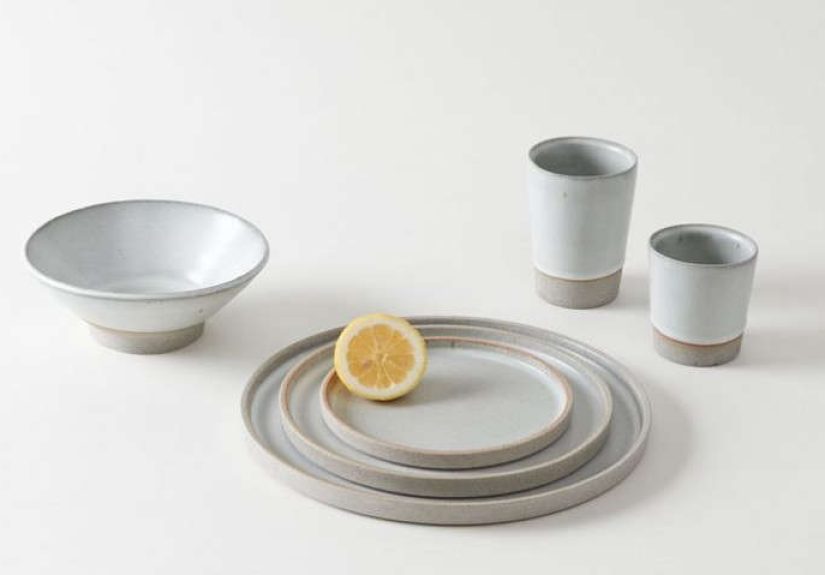
1. The Minimal Matte White Dinner Plate
A simple, flat, matte white stoneware dinner plate is the backbone of a handmade table. It pairs with everything, lets the food
shine, and layers well with patterned napkins or colorful glassware. Look for plates with a slight lip so sauces and dressings
stay put, and a size around 10–11 inches for flexibility.
2. Restaurant-Grade Studio Plates
Some American ceramics studios make plates and bowls for well-known restaurantsthen offer similar designs to home cooks.
These pieces are:
- Built to withstand daily restaurant service.
- Designed to stack neatly in tight spaces.
- Often finished in warm neutrals or soft speckles that photograph beautifully.
If you want durable, stylish handmade dinnerware that feels “chef-approved,” seek out studios that proudly list their restaurant
partners and offer those shapes to retail customers.
3. Softly Speckled Everyday Bowls
A medium-sized speckled bowl may be the most hardworking piece you own. It’s ideal for grain bowls, ramen, big salads, and even
cozy desserts. Look for:
- Gently curved walls that are comfortable to hold.
- A wide enough opening so food isn’t cramped.
- A clay and glaze combo rated for daily use and dishwashing.
Speckles come from minerals in the clay or glaze; they add texture and depth without overwhelming the design.
4. Coastal-Inspired Blue-Rimmed Plates
A white plate with a hand-painted blue rim instantly evokes seaside cafés and coastal kitchens. It’s classic, relaxed, and works
with everything from seafood to lemony pasta. Look for:
- A slightly irregular painted line that shows the maker’s hand.
- Glazes that are fully sealed and food-safe.
- Forms that stack neatly if you’re tight on cabinet space.
These plates are a great way to introduce color without committing to full-on bright glazes.
5. Rustic Wood-Ash–Inspired or Earthy Glaze Dinnerware
Earthy, variegated glazesthink mossy greens, smoky grays, and iron-rich brownsgive a table real warmth. Many studios offer:
- Plates with darker rims and lighter centers.
- Bowls with subtle drip patterns or fluxed edges.
- Mugs and serving pieces that coordinate without perfectly matching.
Use these pieces when you want your table to feel grounded and cozy, especially in fall and winter.
6. Hand-Carved or Textured Salad Plates
Salad plates are where you can lean into texture: carved lines, impressed patterns, or subtle ridges. They’re small enough that
a strong design won’t overwhelm your table, but still large enough to show off the maker’s skill.
These plates are perfect for:
- First courses and small bites.
- Desserts (a textured plate under a plain scoop of ice cream is magic).
- Side plates at each place setting to anchor napkins and flatware.
7. Wide, Shallow Pasta or Ramen Bowls
The hybrid plate-bowlsometimes called a pasta bowl or low bowlmight be the unsung hero of modern dinnerware.
Handmade versions often have:
- A wide, flat-ish base to showcase food.
- A gently sloping wall to contain sauces and broths.
- Rims you can comfortably grab when serving.
Choose a glaze that hides the occasional fork mark and works with everything from noodles to salads and stews.
8. Small-Batch Side Plates and Snack Dishes
Side plates made by small studios are the ultimate “treat yourself” pieces. They’re just big enough for toast, pastries, or a
late-night cookie, and they often come in slightly more experimental glazes or shapes.
Look for:
- Wheel-thrown side plates with a gentle curve and comfortable weight.
- Glazes that complement your larger plates, even if they don’t match perfectly.
- The option to buy singles so you can mix different colors and finishes.
9. Color-Dipped or Two-Tone Statement Pieces
Want just a little drama? Try a two-tone plate or bowl, where the base is neutral and the rim or bottom is dipped in a bold glaze.
These pieces:
- Brighten up otherwise minimal place settings.
- Photograph beautifully for social media or food blogs.
- Layer easily with plain white or speckled sets.
Choose colors you won’t get tired of quicklydeep ocean blue, warm olive, or soft terracotta are all classics.
10. An Heirloom-Worthy Mixed Set
The real Remodelista move? A table that looks curated over time, not purchased all at once. Combine:
- Neutral plates from one studio.
- Speckled or colored bowls from another.
- Vintage finds or pieces inherited from family.
Together, they create a layered, personal story. The point isn’t perfection; it’s character. You’re building a collection you can
add to slowly, replacing the occasional broken piece and discovering new makers along the way.
How to Care for Handmade Ceramic Dinnerware
Handmade ceramics are sturdier than they look, but they still appreciate a little TLC. While every studio’s care instructions are
slightly different, a few general guidelines apply:
Dishwasher Dos and Don’ts
-
Many high-fired stoneware and porcelain pieces are dishwasher safe, but a gentle cycle and avoiding crowding
is best for longevity. - Avoid harsh industrial detergents; standard household formulas are usually fine.
- If your dinnerware has metallic details or luster, handwashing is often recommended to prevent fading over time.
Microwave Use
- Plain stoneware and porcelain are often microwave friendly, but always confirm with the maker.
- Avoid microwaving pieces with metallic accents or special decorative finishes.
- Watch out for extreme heating or reheating the same spot repeatedly, which can stress the glaze or clay over time.
Thermal Shock and Temperature Extremes
Ceramic doesn’t love dramatic temperature changes. Try not to:
- Move a plate straight from the refrigerator into a hot oven.
- Fill a chilled bowl with boiling liquid.
- Rinse a very hot piece under cold water.
Gentle transitions are your friend. If you’re warming plates, let them heat gradually in a low oven, and avoid sudden swings.
Everyday Care and Storage
- Use non-abrasive sponges and dish soap for handwashing.
- If the bottoms are unglazed and your shelves are delicate, consider a liner or felt pads to avoid scratches.
- Stack plates carefully; placing a paper-thin cork or felt disc between fancy pieces can help prevent wear marks.
Styling Tips: Setting the Table with Handmade Pieces
Handmade dishes shine when you embrace their subtle differences. A few styling ideas:
-
Play with tone-on-tone neutrals: speckled cream plates, off-white linen napkins, and clear glassware look calm
and intentional. - Mix finishes: a matte dinner plate topped with a glossy bowl adds visual interest without feeling busy.
-
Add natural elements: wood serving boards, linen runners, and a simple branch or seasonal fruit bowl
complement the tactility of ceramics. - Keep flatware simple: minimal stainless or brushed flatware lets the pottery stay center stage.
The goal isn’t a showroom-perfect tableit’s a setting that feels welcoming, lived in, and uniquely yours.
Budget and Sourcing Tips for Handmade Dinnerware
Handmade doesn’t have to mean “out of reach.” A few ways to build a collection realistically:
-
Start with a core set: four dinner plates and four bowls from a favorite studio. Add salad plates and serving
pieces later. - Buy open stock: many studios sell individual plates and bowls so you can build a mixed set over time.
-
Shop online marketplaces mindfully: platforms with robust handmade sections feature independent potters;
filter by size, clay type, and location to find makers whose style you love. -
Look for studio seconds: minor cosmetic imperfections can mean serious savings, with pieces still fully
functional and food-safe.
Over time, you’ll end up with a table full of stories instead of a generic one-click set.
Living with Handmade Dinnerware: Experience and Inspiration
Picture this: you open your kitchen cabinet, and instead of a stack of identical plates, you see a small gallery of work from
different ceramics studios. The dinner plates share a similar warm white tone, but one has a slightly deeper rim, another a
subtly speckled surface. The bowls lean toward soft gray and sand, some matte, some with a gentle sheen that catches the morning
sun.
On a busy weekday, you reach for whatever piece your hand lands on first. Maybe it’s a shallow stoneware bowl with a darker rim.
You toss in greens, leftover roasted vegetables, a fried egg, and suddenly lunch feels less like “clean out the fridge” and more
like something from a neighborhood café. The bowl doesn’t just hold food; it frames it. The curves of the clay and the slight
variation in glaze turn your very normal meal into a moment.
Over time, the pieces begin to map out memories. The side plates you use for toast each morning might come from a small studio
you discovered on a weekend trip. The dinner plates could be from a potter whose work you admired for years online before finally
ordering a set. Bowls gifted by a friend show up at every gathering, carrying salads, warm grains, or dessert. Each item has a
story attached: the first time you unboxed it, the meal you served, the person you ate with.
Entertaining becomes simpler, too. A mismatched set of handmade dinnerware actually takes the pressure off hosting. When every
place setting is slightly different, there’s no anxiety about perfect uniformity. Guests naturally comment on their plates and
bowls“Mine has more speckles,” “I love this color along the rim”and the conversation flows. It feels warm and relaxed, like
being invited into a working studio rather than a staged show home.
Care routines start to feel intuitive. You know which plates are happiest in the dishwasher and which ones you prefer to handwash.
You learn to avoid dramatic temperature swings, to give pieces a little space in the rack, and to treat your dinnerware with the
same respect you’d give a favorite mug or vase. It becomes a quiet ritual: stacking plates, drying bowls, lining them up on the
shelf where their shapes and glazes play nicely together.
As your collection grows, you get bolder about pairing pieces from different makers. A speckled gray plate from one studio works
surprisingly well with a glossy deep-blue bowl from another. A matte sand-colored pasta bowl sits perfectly beside a bright
white side plate with a hand-painted rim. The variety doesn’t look chaotic because the underlying language is consistent:
organic shapes, soft edges, natural tones, and a clear sense of the human hand in every piece.
Eventually, your handmade dinnerware stops feeling like “special occasion” gear and becomes part of everyday life. You use it for
takeout, for solo dinners, for messy family meals, and for the good linen-tablecloth nights. That’s the real beauty of these
ceramics: they’re tough enough to be practical but beautiful enough to make even the most ordinary day feel a little more considered.
When you think back to your table before, it might have been finefunctional but forgettable. With handmade pieces from ceramics
studios, your table tells a story about what you value: craft over mass production, longevity over disposability, and simple,
honest materials over trend-driven clutter. It’s the Remodelista dream translated into daily life, one plate and bowl at a time.
Conclusion
Handmade dinnerware from ceramics studios is more than just a design choice; it’s a lifestyle shift toward slower, more intentional
living. By choosing high-quality stoneware or porcelain, paying attention to glazes and care, and building a mix-and-match set over
time, you create a table that feels personal, grounded, and quietly luxurious. The 10 “easy pieces” above give you a roadmapminimal
dinner plates, speckled bowls, textured salad plates, and moreto start or expand your collection in a way that aligns with both
function and beauty.
Whether you’re just swapping out a few plates or planning a full dinnerware refresh, investing in handmade ceramics lets you support
working artists, reduce waste, and enjoy the everyday ritual of eating on objects that were made with care. That’s a design decision
that never goes out of style.