Table of Contents >> Show >> Hide
- What Really Causes Frizz (So You Can Actually Fix It)
- 1. Start with a Moisturizing, Sulfate-Free Wash Routine
- 2. Condition Like You Actually Care About Your Hair
- 3. Dry Gently: Retire the Bath Towel
- 4. Lock in Moisture with Leave-Ins and Serums
- 5. Be Smart with Heat Styling (Your Flat Iron Is Not Your Friend)
- 6. Get Regular Trims and Repair Damage Strategically
- 7. Fight Humidity Before You Step Outside
- 8. Sleep on Silk or Satin (Your Cotton Pillowcase Is Suspicious)
- 9. Match Products to Your Hair Type and Porosity
- 10. Fix Your Daily Habits: Tiny Changes, Huge Frizz Payoff
- Putting It All Together
- SEO Wrap-Up
- Real-Life Frizz Experiences: What Actually Works in the Wild
If you’ve ever walked out of your house looking like a shampoo commercial
and returned looking like a dandelion, congratulations: you’ve met frizz.
In 2024, we know more than ever about what causes frizzy hair
andmore importantlyhow to tame it without turning your hair into a crunchy,
sticky helmet.
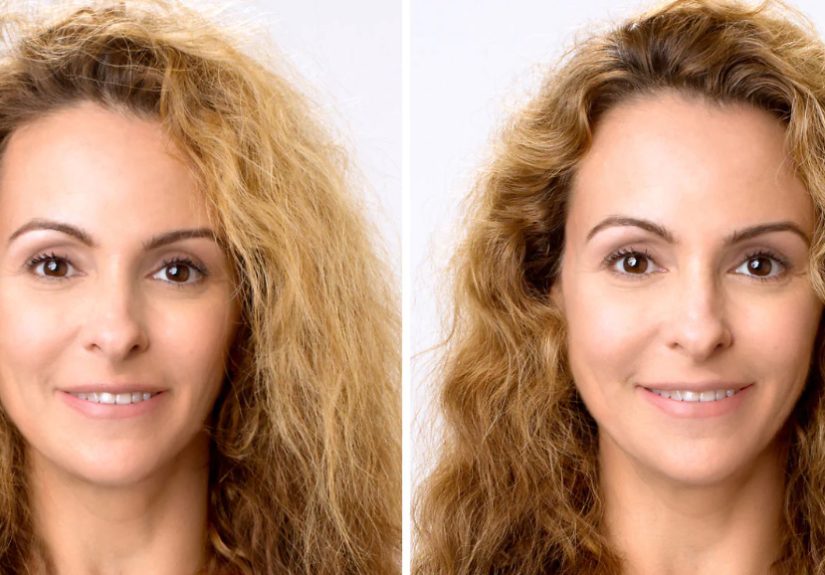
Dermatologists, hairstylists, and cosmetic chemists agree: frizz isn’t just
“messy hair,” it’s hair that’s dehydrated, damaged, or wide open to humidity.
Your cuticle (the outer hair layer) gets lifted, moisture rushes in, the hair
shaft swells unevenly, and boomhalo of fuzz.
The good news? You don’t have to fight frizz forever. With the right routine,
smart products, and a few habit tweaks, you can go from “why is it doing that?”
to “oh, so that’s what my hair is supposed to look like.”
Here are 10 expert-approved frizzy hair tips for 2024
that actually move the needle.
What Really Causes Frizz (So You Can Actually Fix It)
Before we jump into the tips, a quick science moment. Frizz usually shows up
because of:
- Dehydrated hair: When hair lacks internal moisture, it grabs water from the air, puffing up in random directions.
- Cuticle damage: Heat tools, bleach, rough towel drying, and harsh shampoos lift the cuticle and create a rough, frizz-prone surface.
- Humidity: High humidity swells the hair shaft and disrupts its natural shape, especially if the cuticle isn’t sealed.
- Porosity issues: High-porosity hair (with lots of tiny gaps and holes) loses moisture fast and tends to frizz more.
Fixing frizz is really about fixing those issueshydration, protection, and
smoother cuticlesover time. Let’s get into how to do that, step by step.
1. Start with a Moisturizing, Sulfate-Free Wash Routine
If your hair feels squeaky-clean in the shower, that might actually be bad
news. Many traditional shampoos use strong sulfates that strip away natural
oils and rough up the cuticle, which can make frizz worse, especially on dry,
curly, or color-treated hair.
What to look for in an anti-frizz shampoo
- Sulfate-free formulas: Look for labels like “sulfate-free” or “gentle cleanser.” These use milder surfactants that clean without over-stripping.
- Hydrating ingredients: Glycerin, natural oils (argan, coconut, camellia, sunflower), and conditioning agents help lock in moisture.
- Color-safe if you dye your hair: Hair that’s been bleached or colored is more porous and more likely to frizz.
Experts often recommend washing less frequentlythink 2–3 times per week for
many hair typesto avoid drying out your strands. On off days, you can refresh
with a leave-in conditioner or light styling cream instead of another full wash.
2. Condition Like You Actually Care About Your Hair
Frizzy hair is almost always thirsty hair. Regular conditioner helps, but if
your strands feel like straw, it may be time to upgrade your hydrating game.
Make conditioner non-negotiable
- Always follow shampoo with a moisturizing conditioner focused on mid-lengths and ends.
- Detangle gently with your fingers or a wide-tooth comb while the conditioner is in.
- Leave it on for the full recommended time (usually 3–5 minutes). No rushing.
Many newer formulas use hyaluronic acid, glycerin, and ceramides to pull in
and hold onto hydrationthese are especially helpful for dry, frizz-prone hair.
Don’t skip weekly deep treatments
A once-a-week hair mask or deep conditioner can dramatically reduce frizz over
time. Dermatologists and trichologists often recommend masks that include
nourishing oils, butters, and conditioning agents to rebuild softness and
smoothness.
3. Dry Gently: Retire the Bath Towel
The way you dry your hair can undo all your careful product choices in 30
seconds. Traditional terry towels are rough, and vigorous rubbing can lift the
cuticle, create breakage, and invite frizz.
Upgrade to microfiber (or a soft T-shirt)
- Microfiber hair towels are smoother and more absorbent, so they remove water with less friction and less frizz.
- Instead of rubbing, gently squeeze or blot your hair from ends up toward the roots.
- If you have curls or waves, try “plopping” with a microfiber towel or cotton T-shirt to encourage definition instead of fuzz.
Even small changeslike switching towels and not twisting your hair into a
super-tight turbancan noticeably reduce frizz over a few weeks.
4. Lock in Moisture with Leave-Ins and Serums
Think of leave-in conditioner and serums as your frizz bodyguards. They help
seal the cuticle, add slip, and create a barrier against humidity.
Key anti-frizz ingredients to look for
- Silicones like dimethicone or dimethiconol: These coat the hair lightly, smooth the cuticle, reduce static, and improve shine when used in moderation.
- Newer silicone alternatives: Lightweight plant-derived esters and emollients provide slip and frizz control without heavy buildup.
- Glycerin & humectants: Help draw moisture into the hair, especially when balanced with oils and occlusives to keep that moisture in place.
- Oils and butters: Argan, coconut, shea butter, and similar ingredients help smooth and nourish frizz-prone hair.
Apply a leave-in conditioner to damp hair, then follow with a serum or cream
focused on mid-lengths and ends. If your hair is fine, stick to lightweight
sprays or milky leave-ins to avoid greasiness.
5. Be Smart with Heat Styling (Your Flat Iron Is Not Your Friend)
Heat tools aren’t evil, but they are… opportunistic. If you blast wet or
fragile hair with high heat, the cuticle can crack, lift, and become more prone
to frizz and breakage. Recent lab models of heat-damaged hair confirm that
hot air on wet cuticles can cause them to open and roughen more.
How to use heat without destroying your hair
- Always apply a heat protectant spray or cream before blow-drying, curling, or straightening.
- Let hair air-dry to at least 50–70% before you start blow-drying.
- Use medium heat instead of “volcano mode” and keep tools moving.
- Limit hot tool use to a few times a week, not every single day.
Your hair may still frizz a bit in extreme humidity, but reducing heat damage
makes it much easier to smooth and style.
6. Get Regular Trims and Repair Damage Strategically
Split ends and surface damage make hair look extra frizzy, especially on the
last few inches. Many stylists recommend trims every 6–10 weeks (depending on
your length and goals) to keep ends tidy and less prone to fuzz.
On top of trims, bond-repair masks and strengthening treatments can help
reinforce damaged hair so it lies flatter and frizzes less. Look for words like
“repair,” “bond-building,” or “strengthening” and use once a week or every
other week.
7. Fight Humidity Before You Step Outside
Once your hair is exposed to hot, sticky air, it’s already negotiating with the
atmosphere. Humidity-resistant products work best when applied before you leave
the house.
Build an anti-humidity shield
- Use climate-control shampoos and conditioners designed for frizz-prone hair in humid environments.
- Apply a humidity-proofing spray or cream as your final stepthese often use anti-humidity complexes to keep hair smoother longer.
- For curls and waves, scrunch in a curl cream or gel that offers both hold and moisture so your natural pattern stays defined instead of frayed.
On ultra-humid days, consider styles that work with frizz instead of against
itlike loose buns, braids, or half-up looks that hide puffier layers while
letting texture show in a controlled way.
8. Sleep on Silk or Satin (Your Cotton Pillowcase Is Suspicious)
Cotton pillowcases don’t just steal your skin’s moisturethey also snag your
hair, rough up the cuticle, and leave you waking up with a halo of frizz. Silk
and satin options reduce friction and help hair glide smoothly while you sleep,
which means fewer tangles and less morning fuzz.
Overnight frizz-fighting upgrades
- Silk or satin pillowcase: Helps hair retain moisture and reduces friction, especially for curls and coils.
- Silk or satin bonnet: Offers targeted protection and keeps styles intact, especially for natural or textured hair.
- Loose protective styles: Two braids, a loose pineapple, or a low bun can help reduce tangles and friction while you sleep.
Combine a silk pillowcase with a light overnight serum or cream for seriously
soft “I woke up like this” hairwithout the frizz.
9. Match Products to Your Hair Type and Porosity
Not all frizz is created equal, and not all anti-frizz products will work for
everyone. Knowing your hair type (straight, wavy, curly, coily) and your
porosity (how easily your hair absorbs and loses moisture) can completely
change your results.
If your hair is low-porosity
Low-porosity hair has a tightly packed cuticle, so moisture can be hard to get
inbut once it’s in, it stays. Lightweight formulas (think: gentle shampoos,
lighter conditioners, and non-greasy leave-ins) tend to work best.
If your hair is high-porosity
High-porosity hair soaks up moisture quickly but loses it just as fast.
Richer masks, creams, and oils, plus sealing products, help keep hydration in
and frizz out. Curls and coils that have been bleached or frequently heat
styled often fall into this category.
When in doubt, start simple: a gentle shampoo, a solid conditioner, a
leave-in, and one styling product. Then slowly experiment with richer or
lighter formulas based on how your hair feels and behaves in different weather.
10. Fix Your Daily Habits: Tiny Changes, Huge Frizz Payoff
A lot of frizz control comes down to what you do every single dayoften
without thinking about it.
Habits that make frizz worse
- Over-washing hair with harsh shampoos.
- Rough towel-drying and aggressive brushing, especially when hair is wet and most fragile.
- Cranking hot tools to the highest heat “just to be quick.”
- Skipping conditioner or masks, then wondering why hair feels like hay.
Habits that help hair stay smooth
- Using cool or lukewarm water for your final rinse to help seal the cuticle.
- Detangling starting from the ends and working up, with a wide-tooth comb.
- Applying products to soaking-wet or damp hair so they distribute more evenly.
- Protecting hair from the sun and chlorine with hats, UV sprays, or pre-swim conditioners when needed.
These tweaks may feel small, but over weeks and months, they add up to hair
that frizzes less, shines more, and behaves better in just about any weather.
Putting It All Together
You don’t have to do everything overnight. Start with one or two of the
highest-impact changeslike switching to a sulfate-free, moisturizing routine,
using a microfiber towel, and protecting your hair from heat. Then layer in
extras like silk pillowcases, deep masks, and humidity sprays as your budget
and energy allow.
The real win in 2024 is that we’re no longer guessing. We know frizz is a
combination of science (cuticle, moisture, porosity) and habits (how you wash,
dry, style, and sleep). Once you work with your hair instead of against it,
frizz becomes manageableand your natural texture finally gets to shine.
SEO Wrap-Up
meta_title: 10 Frizzy Hair Tips of 2024, According to Experts
meta_description: Learn 10 expert-approved frizzy hair tips for 2024, from sulfate-free shampoos to silk pillowcases, to keep your hair smooth, shiny, and frizz-free.
sapo: Frizz isn’t just a “bad hair day”it’s a science problem you can actually
solve. In this in-depth 2024 guide, hair experts break down what really causes
frizzy hair and how to fix it with smart, realistic steps. From choosing the
right sulfate-free shampoo and deeply hydrating conditioners to swapping your
bath towel for microfiber, building a humidity-proof styling routine, using
heat tools the right way, and upgrading your nighttime setup with silk or satin,
you’ll learn exactly how to tame flyaways and help your natural texture shine.
Whether your hair is straight, wavy, curly, or coily, these 10 pro-backed frizzy
hair tips will help you build a routine that works in real lifenot just on
perfect-weather days.
keywords: frizzy hair tips, how to fix frizzy hair, anti-frizz hair products, humidity hair care, curly hair frizz control, sulfate-free shampoo for frizz, silk pillowcase for frizzy hair
Real-Life Frizz Experiences: What Actually Works in the Wild
It’s one thing to read a list of expert tips and another to see how they shake
out in real life. Frizz is personalhow it shows up and how it responds depends
on your hair type, climate, and habits. Here are some composite, real-world
scenarios that show how these frizzy hair tips play out beyond the
bathroom mirror.
The Humid-Climate Curly Girl
Imagine someone with shoulder-length curls living in Florida, where the
humidity refuses to mind its own business. Before changing her routine, she
washed daily with a strong shampoo, rubbed her hair with a big bath towel, and
blasted it with a blow dryer. The result? Puffy, undefined curls by noon and a
halo of frizz by late afternoon.
Once she swapped in a sulfate-free moisturizing shampoo, started conditioning
more intentionally, and limited washing to three times a week, her curls began
to feel less brittle. She added a weekly deep-conditioning mask and a curl cream
with glycerin and oils to lock in moisture. She traded her regular towel for a
microfiber wrap and started air-drying most days, finishing with a diffuser on
low heat only when needed.
The biggest surprise? A simple climate-control spray as the last step made a
massive difference on high-humidity days. Instead of frizzing out into a
triangle by lunchtime, her curls stayed sleeker and more defined, even when the
weather forecast looked like “100% steam room.”
The Office Commuter with Fine, Frizz-Prone Hair
Another common story: someone with fine, straight-to-slightly-wavy hair who
works in an office with air conditioning set to “arctic blast” and walks
through city air that’s either rainy, windy, or both. She used to skip
conditioner because she was afraid it would weigh her hair down, then wonder
why it felt dry, static-y, and frizz-prone.
By switching to a lightweight, hyaluronic acid–infused conditioner and a spray
leave-in, she was able to hydrate without losing volume. A tiny amount of
anti-frizz serum on her ends helped tame flyaways without making her roots
greasy. She also began using a silk pillowcase, which meant fewer tangles and
less breakage to restyle in the morning.
Instead of flat ironing every day, she now uses a round brush and a blow dryer
on medium heat with heat protectantand she doesn’t feel like she’s in a
committed relationship with her straightener anymore. Her hair isn’t pin-straight,
but it looks smoother, shinier, and more “effortlessly polished” instead of
“accidentally frizzy.”
The Gym Regular with Perpetually Puffy Hair
Then there’s the gym enthusiast who washes her hair after every workout. Sweat,
ponytails, and constant washing left her hair frizzy, dry, and full of broken
pieces around the hairline. Her ponytail looked fuzzier every month.
A stylist suggested a gentle reset: co-washing (using a cleansing conditioner)
or a light sulfate-free shampoo after sweat-heavy workouts, plus a richer
conditioner on the ends. On days when she didn’t lift or do cardio, she simply
rinsed with water and refreshed her hair with leave-in conditioner and a bit of
styling cream instead of doing a full wash.
She also started using silk scrunchies and looser ponytails to reduce tension
on her hairline, and she wrapped her hair in a silk bonnet at night so sweat
and styling didn’t add as much friction-based damage. Over a few months, the
combination of reduced washing, gentler accessories, and regular masks led to
visibly fewer flyaways and less frizz around her face.
The “Set It and Forget It” Nighttime Routine
One of the most underrated anti-frizz strategies is what happens while you
sleep. Many people report the biggest difference when they combine multiple
nighttime tweaks: a silk or satin pillowcase, a loose braid or pineapple, and a
tiny amount of leave-in or serum before bed.
For example, someone with mid-back length wavy hair started brushing gently,
applying a leave-in cream to damp hair, then loosely braiding it before
bedtime. She swapped to a silk pillowcase and occasionally added a silk bonnet
on extra-dry nights. Instead of waking up to a frizzy, tangled curtain of hair,
she woke up with defined, soft waves that just needed a quick finger-comb and a
small amount of anti-frizz spray.
What These Experiences Have in Common
Across all of these scenarios, a few themes repeat:
- Gentler care beats aggressive control. Less harsh shampoo, less rough towel drying, and fewer high-heat moments almost always mean less frizz over time.
- Hydration plus sealing wins. Conditioner, masks, and leave-ins add moisture; serums, creams, and oils help keep it in.
- Protecting hair while you sleep matters. Silk, satin, and loose protective styles dramatically cut down overnight frizz and breakage.
- Consistency is everything. None of these changes are magical in one day, but over weeks and months they transform frizzy hair into hair that behaves.
The takeaway: you don’t need a 15-step routine or a cabinet full of trendy
products. You just need a handful of well-chosen, expert-backed stepsdone
consistentlyto turn 2024 into the year your hair finally stops fighting you
and starts working with you.