Table of Contents >> Show >> Hide
- Why October Prime Day Is a Smart Time to Shop Organizing Products
- 10 Things Pro Organizers Are Shopping During October Prime Day
- 1. Fabric Storage Bags for Bedding, Blankets, and Guest Linens
- 2. Cedar Balls for Sweaters and Seasonal Clothing
- 3. Motion-Sensor Under-Cabinet Lights
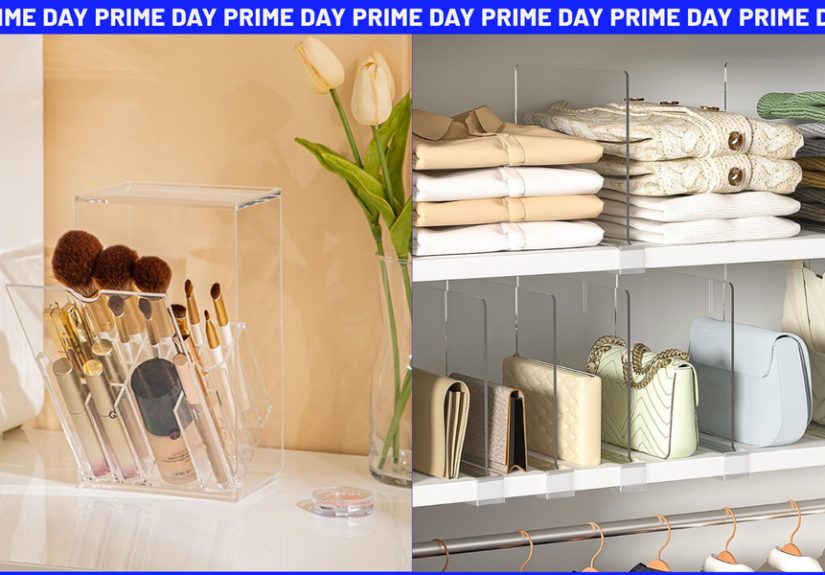
- 4. Clear Shelf Dividers for Sweaters, Jeans, and Handbags
- 5. Acrylic Makeup Brush Holders and Lidded Vanity Organizers
- 6. Hat Racks, Hooks, and Vertical Closet Storage
- 7. Glass Food Storage Containers for Meal Prep and Leftovers
- 8. Wide-Mouth Mason Jars for Pantry and Fridge Organization
- 9. Full-Length Mirrors for Closet Zones and Bedroom Function
- 10. Lazy Susan Turntables for Pantries, Cabinets, and Bathrooms
- How Pro Organizers Decide What Is Worth Buying
- October Prime Day Shopping Tips for Organizing Deals
- Real-Life Experience: What Happens When You Shop Like a Pro Organizer
- Conclusion
October Prime Day is basically fall’s official permission slip to stop pretending the linen closet is “mostly fine.” Also known as Amazon Prime Big Deal Days, this two-day shopping event has become a smart time to grab home organization products before holiday hosting, winter clothing swaps, school-year clutter, and gift-storage chaos all arrive at the same party wearing muddy boots.
But here is the catch: professional organizers do not shop the sale the way most of us do. They are not panic-buying a random basket because it looks cute next to a latte on the product page. They think in zones, measurements, visibility, access, durability, and whether a product solves a real household problem. In other words, they buy tools that help a home function better after the excitement of the discount wears off.
The best October Prime Day organizing deals tend to fall into a few useful categories: closet helpers, kitchen storage, under-cabinet solutions, cord control, small-space organizers, and easy upgrades that make daily routines smoother. Below are 10 items pro organizers are most likely to add to their carts, plus practical tips for choosing the right version for your home.
Why October Prime Day Is a Smart Time to Shop Organizing Products
Fall is a sneaky season for clutter. Summer gear gets shoved into bins, sweaters come back from hibernation, lunch containers multiply like tiny plastic rabbits, and holiday decorations start whispering from the attic. October Prime Day lands at the perfect moment because it gives shoppers a chance to prepare the house before the busiest months of the year.
Professional organizers usually recommend shopping with a plan. Before adding anything to your cart, check the space you want to improve. Measure shelves, drawers, cabinets, and closet rods. Count what you actually own. Decide whether you need visibility, containment, stacking, rotation, labeling, or easier access. The goal is not to buy more stuff to manage your stuff. The goal is to buy fewer, better tools that make your home easier to maintain.
10 Things Pro Organizers Are Shopping During October Prime Day
1. Fabric Storage Bags for Bedding, Blankets, and Guest Linens
Fabric storage bags are a favorite October Prime Day buy because they solve one of fall’s most common problems: bulky soft goods. Extra comforters, guest sheets, quilts, throw blankets, and out-of-season bedding take up serious real estate. A structured or semi-structured fabric bag with a clear window makes these items easier to store without turning the closet into a collapsed pillow fort.
Pro organizers like these bags for guest rooms, linen closets, under-bed storage, and top closet shelves. The clear panel matters because visibility reduces the chance of opening five bags just to find the flannel sheets. Handles are also important, especially if the bag will be stored overhead. Look for breathable fabric, sturdy zippers, reinforced seams, and a shape that fits your shelf depth.
Best use: Store one category per bag. For example, keep “queen guest bedding” in one bag and “holiday throws” in another. Add a label even if the bag has a clear window. Future you will appreciate the tiny act of kindness.
2. Cedar Balls for Sweaters and Seasonal Clothing
Cedar balls are not flashy, but professional organizers appreciate products that quietly do their job. These small closet helpers are commonly used in drawers, bins, and garment storage areas to help keep knitwear and seasonal clothing fresh. They are especially useful during October because sweaters, coats, scarves, and wool accessories are coming back into rotation.
The main reason organizers like cedar is that it supports a more intentional clothing-care system. Instead of tossing sweaters into a drawer and hoping for the best, you create a clean, breathable, protected space. Cedar balls can be placed in sweater bins, dresser drawers, garment bags, and closet corners. Some shoppers refresh them by lightly sanding the surface when the scent fades.
Best use: Pair cedar balls with a proper sweater edit. Remove anything stretched, itchy, stained, or never worn. Then fold the keepers neatly with cedar tucked nearby. Organization works better when it is not protecting clothes you secretly dislike.
3. Motion-Sensor Under-Cabinet Lights
Under-cabinet lights are one of those upgrades that makes people say, “Why did I live in darkness like a medieval turnip?” Professional organizers love lighting because clutter often hides in dim spaces. A dark pantry shelf, closet corner, garage rack, or under-sink cabinet becomes much easier to manage when you can actually see what is inside.
During October Prime Day, shoppers often find deals on rechargeable, battery-operated, or motion-sensor light bars. These are useful in rental homes, older houses, dorm rooms, and any space where hardwiring is not realistic. Motion-sensor models are especially helpful for pantries and closets because they turn on when the door opens or when movement is detected.
Best use: Install lights in areas where items get lost or duplicated. If you keep buying extra batteries, canned pumpkin, or cleaning spray because you cannot see the back of the shelf, lighting may save money as well as sanity.
4. Clear Shelf Dividers for Sweaters, Jeans, and Handbags
Clear shelf dividers are a pro organizer favorite for closets because they create structure without visual heaviness. They are especially useful for stacks of sweaters, sweatshirts, jeans, handbags, towels, and linens. Without dividers, folded piles tend to lean, merge, and eventually become one mysterious textile landslide.
October is a smart time to buy shelf dividers because cold-weather clothing takes up more space than summer clothing. A few dividers can turn a long closet shelf into separate zones: sweaters, denim, scarves, handbags, or workout layers. Clear acrylic styles are popular because they blend into the shelf and keep the closet looking calm.
Best use: Do not stack too high. Two or three piles per section is usually easier to maintain than one ambitious tower of sweaters. If the stack requires engineering knowledge, it is too tall.
5. Acrylic Makeup Brush Holders and Lidded Vanity Organizers
Bathrooms and vanities collect tiny items at Olympic speed. Makeup brushes, eyeliners, lip products, tweezers, cotton swabs, skincare samples, and hair clips can take over a counter fast. A clear acrylic makeup brush holder or lidded vanity organizer gives these items a visible home while protecting them from dust.
Professional organizers often choose clear containers for beauty zones because visibility supports routines. If you can see the brush, you use the brush. If you can see the duplicate mascara, you stop buying a third one “just in case.” Lidded options are helpful in bathrooms where dust, humidity, and countertop clutter are constant guests.
Best use: Sort beauty products by daily use, occasional use, and backup stock. Keep only daily-use items on the counter. Everything else should live in a drawer, cabinet, or labeled bin. Your vanity should not look like a beauty store had a dramatic sneeze.
6. Hat Racks, Hooks, and Vertical Closet Storage
Hat racks and simple hooks are small purchases with a big organizing payoff. Baseball caps, winter hats, belts, bags, scarves, and accessories often become clutter because they do not have an obvious place to land. Pro organizers love vertical storage because it uses wall, door, and closet space that would otherwise sit empty.
During October Prime Day, look for adhesive hooks, over-the-door racks, wall-mounted hat holders, and slim closet systems. The best choice depends on your space and whether you rent or own. Adhesive hooks are easy and flexible, but heavier items may need screws or a sturdier mounted rack.
Best use: Store accessories where you use them. Hats near the entryway make sense for daily walks. Special-occasion hats can live higher in the closet. Organization should match behavior, not fantasy. If you always drop your cap by the door, that is where the hook belongs.
7. Glass Food Storage Containers for Meal Prep and Leftovers
Professional organizers often treat kitchens as workflow spaces, not just storage spaces. Glass food storage containers help because they make leftovers visible, stack neatly, and often transition from fridge to microwave or oven depending on the product instructions. They are especially useful before the holiday season, when leftovers become a full-time resident.
October Prime Day can be a good time to replace mismatched containers, missing lids, and stained plastic tubs. Look for sets with practical sizes, tight-fitting lids, stackable shapes, and containers that nest when empty. Rectangular and square containers usually use fridge space more efficiently than round ones.
Best use: Choose containers based on what you actually cook. If you meal prep lunches, smaller two- or three-cup containers may be more useful than giant bowls. If you store soups and casseroles, deeper containers with secure lids are better. The right container is the one you reach for again and again.
8. Wide-Mouth Mason Jars for Pantry and Fridge Organization
Wide-mouth mason jars are classic for a reason. They are affordable, versatile, easy to see through, and useful in kitchens, craft rooms, laundry rooms, and even bathrooms. Organizers often use them for dry goods, snacks, berries, sauces, overnight oats, soup portions, craft supplies, cotton rounds, and small hardware.
The wide-mouth design matters because it is easier to fill, scoop from, and clean. Straight-sided jars are especially practical for stacking and freezing when used according to safe filling guidelines. During October Prime Day, multi-packs may be worth watching if you are building a pantry system or preparing for holiday cooking.
Best use: Use jars for items that benefit from visibility and portion control. Do not decant everything just because social media told you to. If your household eats cereal in three days, the original box may be perfectly fine. Save jars for categories where they genuinely improve access and reduce waste.
9. Full-Length Mirrors for Closet Zones and Bedroom Function
A full-length mirror may not sound like an organizing product at first, but pro organizers understand that function matters. A bedroom or closet works better when you can get dressed, check your outfit, and make decisions without walking across the house. A mirror can reduce clothing piles because you are less likely to try on six outfits and abandon them in a fabric crime scene.
October is also a practical time to buy mirrors because they can double as holiday gifts for teens, college students, new apartments, guest rooms, or refreshed bedrooms. Look for stable stands, shatter-resistant features where appropriate, wall-mounting options, and a size that fits the room without blocking traffic flow.
Best use: Place the mirror near clothing storage, not randomly in a hallway where it reflects laundry baskets and emotional damage. Good placement supports a smoother morning routine.
10. Lazy Susan Turntables for Pantries, Cabinets, and Bathrooms
Lazy Susans are one of the most beloved organizing products among professionals because they solve the “back of the cabinet” problem. Oils, vinegars, condiments, spices, skincare bottles, vitamins, cleaning sprays, and craft paints become easier to access when they can rotate into view.
During October Prime Day, shoppers often find deals on single turntables, two-packs, divided turntables, and deep-sided versions. The best model depends on the category. A low-lip turntable is great for spices. A deeper turntable is better for bottles that might tip. Divided versions work well for snacks, packets, toiletries, and kids’ craft supplies.
Best use: Measure first. A turntable needs enough clearance to spin without bumping hinges, pipes, shelf edges, or neighboring products. Nothing crushes the organizing spirit faster than a lazy Susan that refuses to turn because the olive oil is too tall.
How Pro Organizers Decide What Is Worth Buying
The biggest difference between a professional organizer and a hopeful shopper is restraint. Pros do not buy a bin and then search for a problem it might solve. They identify the problem first. Is the issue too much inventory, poor visibility, awkward access, wasted vertical space, or no clear category? Each problem needs a different solution.
Measure Before You Buy
A measuring tape is the least glamorous organizing tool and possibly the most important. Measure width, depth, height, and clearance. For drawers, account for handles or rounded corners. For cabinets, check hinges, plumbing, and shelf pegs. For closets, measure shelf depth and the distance between shelves. A product that is half an inch too tall is not a bargain; it is a return errand wearing a discount sticker.
Choose Visibility Where You Need Speed
Clear bins, jars, acrylic organizers, and glass containers are useful when you need to identify items quickly. Pantries, medicine zones, beauty drawers, craft supplies, and fridge shelves all benefit from visibility. However, decorative baskets are better for open shelving where you want to hide visual clutter. The most organized homes usually use a mix of both.
Buy for Maintenance, Not Just the Makeover
A beautiful organizing system that takes 20 minutes to reset every day will not last. Pro organizers shop for systems that are easy to maintain: open-top bins for kids, labeled baskets for shared spaces, turntables for deep corners, dividers for folded clothes, and hooks for grab-and-go accessories. If the system is easy, people use it. If it feels like filing taxes, they avoid it.
October Prime Day Shopping Tips for Organizing Deals
Start with a short list of problem areas. A pantry, linen closet, bathroom cabinet, entryway, junk drawer, or bedroom closet is easier to improve than “the whole house.” Next, create a product list with measurements. Watch for deals on durable basics rather than trendy one-purpose gadgets. Good organizing products should work in more than one room whenever possible.
It is also smart to compare unit prices. A six-pack of bins may look cheaper than a two-pack, but only if all six fit your space and serve a purpose. Check reviews for durability, lid quality, adhesive strength, actual dimensions, and whether the product arrives cracked or warped. For anything that touches food, review care instructions and material details.
Finally, avoid the biggest Prime Day trap: buying containers before decluttering. Declutter first, organize second, shop third. Otherwise, you may end up beautifully storing things you should have donated, recycled, or thrown away months ago. A labeled bin full of unnecessary clutter is still clutter; it just has better branding.
Real-Life Experience: What Happens When You Shop Like a Pro Organizer
The first time I tried to organize my home during a big October sale, I made the classic mistake: I bought a little bit of everything. Clear bins? Yes. Baskets? Obviously. Drawer dividers? Add to cart. A mystery rack that promised to “maximize space instantly”? Sure, why not? By the time the boxes arrived, my living room looked like a small warehouse with commitment issues.
The problem was not the products. Many of them were useful. The problem was that I had shopped from inspiration instead of information. I had not measured the pantry shelves. I had not counted how many food categories needed containers. I had not checked whether the bathroom cabinet had pipes blocking the back half of the shelf. So I ended up with bins that were too deep, drawer organizers that slid around, and one very confident turntable that did not fit anywhere except the dining table, where it briefly held snacks and my regret.
The next year, I tried a more professional approach. Before October Prime Day, I walked through the house with a notebook and measuring tape. I wrote down the actual problems: guest bedding was dusty and hard to identify, the pantry had duplicate condiments, charging cords were tangled in three rooms, and my sweater shelf looked like it had survived a windstorm. Instead of buying random organizers, I matched one product type to each problem.
Fabric storage bags went to the top of the linen closet. I labeled them by bed size and season. Suddenly, hosting guests felt less like a scavenger hunt. Shelf dividers went into the bedroom closet, and the sweater stack stopped leaning like a tired tourist. A lazy Susan went into the pantry for oils and vinegars, which immediately ended the tradition of buying sesame oil every time I could not find the sesame oil. Under-cabinet lights went into a dark storage cabinet, and I discovered items I had apparently been aging like fine cheese.
The biggest surprise was cord control. I used to think cable straps were boring. Then I wrapped chargers, extension cords, and seasonal light cords properly, and the peace was ridiculous. Not glamorous, not Instagram-famous, but deeply satisfying. Sometimes adulthood is just being thrilled that a cord no longer looks like spaghetti.
What I learned is that the best organizing purchases do not create a magazine-perfect home overnight. They remove friction. They make it easier to put things away, easier to see what you own, and easier to stop rebuying duplicates. A good bin saves time. A good label prevents arguments. A good hook catches the item that would otherwise land on a chair for six weeks.
So if you are shopping October Prime Day for organizing products, do not start with the sale page. Start with your real life. Where do things pile up? What do you keep losing? Which cabinet makes you sigh before you open it? That is where the best deal is hiding. The discount is nice, but the real win is a home that works better on a random Tuesday morning when everyone is late, the coffee is empty, and at least one person is asking where the charger went.
Conclusion
October Prime Day can be an excellent opportunity to buy organizing products, but the smartest shoppers act like professional organizers: they measure, declutter, identify the real problem, and choose products that make daily routines easier. Fabric storage bags, cedar balls, under-cabinet lights, shelf dividers, acrylic vanity organizers, hat racks, glass containers, mason jars, full-length mirrors, and lazy Susan turntables all earn their place because they solve specific household headaches.
The best organizing product is not always the prettiest or the most discounted. It is the one that fits your space, supports your habits, and makes maintenance feel almost effortless. Shop thoughtfully, skip the clutter-in-disguise, and your home may come out of October Prime Day calmer, cleaner, and far less likely to hide three bottles of sesame oil.
Note: This publication-ready article is written in original language and synthesized from current U.S. home organization shopping guidance, professional organizer recommendations, and October Prime Day deal trends. Source links and unnecessary reference tags have been intentionally omitted for clean web publishing.