Table of Contents >> Show >> Hide
- Why packing the right long flight essentials matters
- The 12 best travel essentials for a comfortable long flight
- 1. A supportive travel pillow
- 2. Compression socks
- 3. A refillable water bottle
- 4. Noise-canceling headphones or quality earplugs
- 5. An eye mask
- 6. Layers you can actually wear for 10 hours
- 7. A compact toiletry and hydration kit
- 8. Your medications and health essentials in your carry-on
- 9. A power bank and charging cable
- 10. Smart snacks
- 11. Downloaded entertainment
- 12. A well-organized personal item bag
- How to pack these essentials without overpacking
- Final thoughts on comfortable long-haul travel
- What these 12 travel essentials feel like in real life: a long-flight experience guide
- SEO Tags
Long flights are weird little time portals. You board feeling like a capable adult with a passport and a plan, then six hours later you are drinking tomato juice at 35,000 feet while wondering why your neck now bends like a paper clip. The good news is that a comfortable long flight is not a myth invented by business-class influencers. With the right travel essentials, even an economy seat can feel less like a punishment and more like a manageable chapter in your trip.
If you have ever landed feeling dehydrated, stiff, puffy, under-rested, and mildly betrayed by your own carry-on, this guide is for you. Below are the 12 travel essentials that make long-haul flying easier, cleaner, calmer, and much more human. Some improve sleep. Some protect your energy. Some save you from paying airport prices for things you absolutely should have packed. Together, they create a smarter long flight packing list that helps you arrive ready for your destination instead of ready for a nap on the baggage carousel.
Why packing the right long flight essentials matters
A long-haul flight is not just “sitting, but in the sky.” Cabins are dry, space is limited, sleep is awkward, and sitting too long can leave your body cranky in several creative ways. That is why experienced travelers, flight attendants, and travel editors tend to agree on the same basics: prioritize hydration, circulation, sleep support, layered clothing, easy-access tech, and a small comfort kit you can reach without unpacking your entire life in row 34.
The best part? You do not need to pack like you are relocating to the moon. You just need a smart, compact setup that covers the major pain points of flying: neck strain, noise, dry skin, cold cabins, dead batteries, boring hours, and the special drama of needing lip balm when your bag is in the overhead bin above three strangers and one very determined roller suitcase.
The 12 best travel essentials for a comfortable long flight
1. A supportive travel pillow
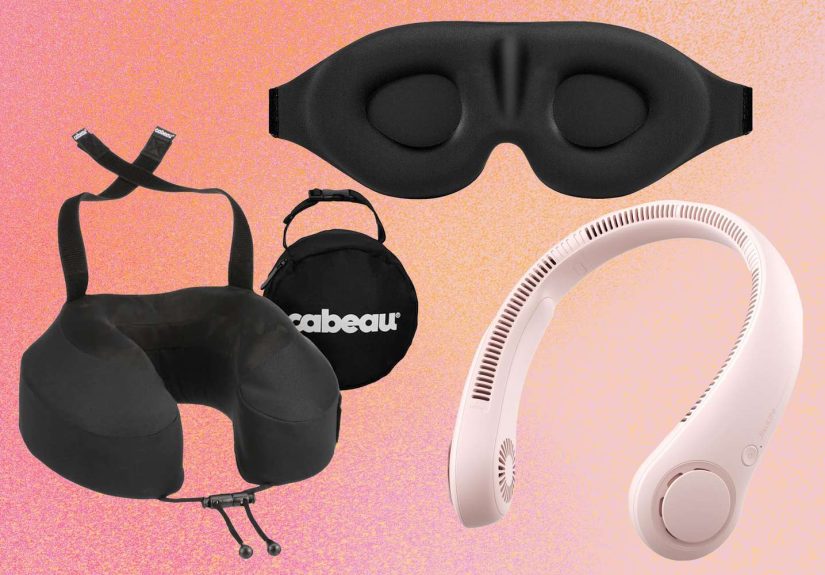
A real travel pillow is still the heavyweight champion of long-haul comfort. The key word is supportive. A flimsy U-shaped pillow that collapses the second you lean on it is basically decorative luggage. Look for a pillow that keeps your head upright, supports your chin, or stabilizes your neck from the side. If you sleep sitting up like a tranquil housecat, congratulations. Most of us need help.
A good neck pillow reduces head-bobbing, prevents that awful “slept on a folding chair” feeling, and makes it easier to get some actual rest. For overnight flights, this single item can change the entire experience from survival mode to semi-functional person on arrival.
2. Compression socks
Compression socks are not glamorous, but neither is stepping off a 12-hour flight with swollen ankles and the gait of a retired pirate. On long flights, they help support circulation and can reduce the heavy, puffy-leg feeling that often shows up after hours of sitting. They are especially helpful for older travelers, frequent fliers, and anyone who tends to swell in the air.
Choose a pair that is snug but comfortable, breathable, and designed for travel or all-day wear. Pair them with simple in-seat movement and occasional walks down the aisle. Comfort on a long flight is not about elegance. It is about making sure your legs still remember they are part of the team when you land.
3. A refillable water bottle
Airplane cabins are dry, and dehydration makes everything worse: fatigue, headaches, dry skin, jet lag, and that “why do I suddenly feel like a raisin in sneakers?” sensation. Bringing a refillable water bottle is one of the easiest ways to stay comfortable on a flight. Fill it after security, sip regularly, and ask for refills during beverage service instead of trying to survive on one tiny cup of water every three hours.
A slim bottle works best because it fits more easily in a seat pocket or side pouch. Leakproof matters. No one wants their passport marinating in three ounces of stale water before takeoff.
4. Noise-canceling headphones or quality earplugs
Long flights come with a full soundtrack: engine hum, meal carts, seatback screens, crying babies, enthusiastic armrest negotiations, and that one guy who thinks volume controls are a personal attack. Noise-canceling headphones create an instant bubble of calm and make movies, music, podcasts, and sleep dramatically easier.
If headphones are too bulky, pack soft earplugs. The goal is simple: reduce sensory overload. The quieter your environment feels, the easier it is to rest, focus, or just exist without plotting revenge on whoever keeps opening the overhead bin above you.
5. An eye mask
Cabin lights, reading lamps, glowing screens, and surprise sunrise through the window are not ideal if you are trying to sleep. A contoured eye mask blocks light and tells your brain it is bedtime, even if your body thinks it is mid-afternoon and your seatmate is ordering noodles.
This is one of the smallest items on the list, but it has outsized value on red-eyes and international flights. Pair it with headphones or earplugs, and you have a much better shot at decent sleep. Not perfect sleep. Plane sleep still has limits. But decent enough to stop looking haunted in arrival photos.
6. Layers you can actually wear for 10 hours
The temperature on a long flight is rarely stable. Airports are chilly, planes can feel colder after takeoff, and a warm destination does not help when the cabin decides to cosplay as a commercial refrigerator. Wear soft, breathable layers that work together: a T-shirt, a lightweight sweater or hoodie, relaxed pants, and socks that do not make your feet feel trapped in a personal feud.
Comfortable travel clothes should stretch, breathe, and avoid hard waistbands that become less charming around hour seven. A scarf, wrap, or light cardigan can double as a blanket, shoulder cover, or makeshift pillow. Good travel outfits do not have to be sloppy. They just should not feel like formalwear during a hostage situation.
7. A compact toiletry and hydration kit
Long flights dry out skin, lips, and patience. A small in-flight kit with lip balm, hand cream, face moisturizer, facial wipes, a toothbrush, and toothpaste can make you feel wildly more civilized before landing. Add a tiny pack of tissues and hand sanitizer, and you have a strong little comfort system.
Keep liquids travel-size and organized in a clear pouch. This is where strategy matters: do not bury these items under chargers, snacks, and a novel you are pretending you will read. Put them somewhere easy to grab when you want to freshen up before breakfast service or just recover from airplane air.
8. Your medications and health essentials in your carry-on
This is non-negotiable. Prescription medication, over-the-counter basics, and anything medically necessary should stay in your carry-on, not your checked luggage. Delays happen. Misrouted bags happen. You do not want your comfort or health depending on whether your suitcase decides to vacation in another country.
Pack medications in labeled containers when possible, plus a little extra in case of delays. If you need pain relief, motion sickness tablets, allergy medicine, or electrolyte packets, keep those handy too. This is one of those essentials you only forget once. After that, it becomes a core personality trait.
9. A power bank and charging cable
A dead phone on a long flight is how minor inconveniences become spiritual tests. Your phone holds your boarding pass, hotel information, translation apps, downloaded entertainment, and maybe your will to go on. Bring a fully charged power bank and the right cable for every device you plan to use.
Bonus tip: pack them in a spot you can access quickly. On travel days, easy charging equals less stress in the airport, at the gate, and during layovers. It also means you can land with enough battery to call a rideshare, message your host, or confidently ignore 84 emails until tomorrow.
10. Smart snacks
Airline meals are unpredictable. Sometimes they are fine. Sometimes they are a mystery wrapped in foil with the emotional range of beige. Packing your own snacks keeps hunger from turning you into the least patient version of yourself. The best options are easy to eat, not too salty, and not outrageously fragrant. Your seatmates thank you in advance.
Good choices include protein bars, trail mix, crackers, dried fruit, nuts, or sandwiches for shorter long-haul routes. Snacks help during delays, missed meal windows, and those flights where dinner is served at 11:40 p.m. because time has lost all meaning.
11. Downloaded entertainment
Yes, many airlines offer seatback screens and Wi-Fi. No, you should not trust either with your happiness. Download movies, shows, podcasts, playlists, ebooks, articles, or games before you leave. A long flight feels much shorter when you have a real entertainment plan instead of scrolling through your photo library and zooming in on brunch from April.
Variety is the secret. Pack something relaxing, something engaging, and something low-effort for that foggy stage of travel when your brain is technically awake but refusing all assignments.
12. A well-organized personal item bag
The most underrated long flight essential is not a single object. It is an organized personal item. Your under-seat bag should hold everything you need during the flight without requiring a full excavation project. Use pouches or mini organizers so your sleep gear, snacks, tech, and toiletries each have a home.
The best personal item for a long flight is one that opens easily, fits under the seat, and keeps your must-haves within reach. If you have to stand up, open three zippers, and remove a sweater, laptop, and one existential crisis just to find gum, your system needs work.
How to pack these essentials without overpacking
The goal is not to bring your entire bedroom, pantry, and medicine cabinet onto the plane. The goal is to build a small comfort kit around your real needs. If sleep is your priority, focus on the pillow, eye mask, headphones, and layers. If you struggle with dehydration or jet lag, prioritize water, moisturizer, and smart snacks. If you fly often for work, your tech and organization will matter more than novelty gadgets.
A simple method works best: create one pouch for sleep items, one for hygiene, and one for tech. Keep your water bottle and snacks accessible. Wear your bulkiest layer on board. Put your medication and essentials where you can reach them during the flight. This kind of system saves space, speeds up airport transitions, and prevents the classic travel move of forgetting the thing you packed specifically to remember.
Final thoughts on comfortable long-haul travel
The secret to a comfortable long flight is not luxury. It is preparation. A few well-chosen travel essentials can help you sleep better, move more easily, stay hydrated, reduce stress, and arrive feeling like yourself instead of a crumpled receipt with a passport. When you pack with intention, the whole trip starts better.
So before your next long-haul flight, think less about packing more and more about packing smarter. Your neck, skin, legs, phone battery, and future mood will all be very grateful. Even the middle seat becomes less dramatic when you are hydrated, organized, and wearing compression socks like the seasoned traveler you absolutely are.
What these 12 travel essentials feel like in real life: a long-flight experience guide
Imagine this. You board a 13-hour flight with nothing but airport snacks, 8% phone battery, and blind optimism. At first, things seem fine. Then the cabin gets cold. Your lower back starts negotiating terms. The movie selection is terrible. Your lips feel like parchment. You drop your charging cable, and it disappears into the mysterious trench beneath the seat. By hour nine, you are not traveling anymore. You are enduring.
Now picture the same flight with the right setup. You settle into your seat wearing soft layers and compression socks. Your neck pillow actually supports your head instead of launching it toward the aisle every time you doze off. You fill your water bottle after security, sip throughout the flight, and avoid that foggy, dried-out feeling that usually hits before landing. Your eye mask goes on, your headphones cancel the hum around you, and suddenly the cabin feels less chaotic and more like a strange but workable nap pod.
Halfway through the flight, your toiletry pouch earns its keep. A quick face wipe, lip balm, toothbrush session, and a little moisturizer make you feel almost suspiciously refreshed. You are still on a plane, obviously. No one is confusing row 41 with a luxury spa. But the difference between “barely functioning” and “pretty okay, actually” often comes down to small comfort rituals like these.
The same goes for snacks and organization. Travelers who pack one smart personal item are usually the calmest people on board. They know where everything is. They are not pulling sweaters, cables, and mystery receipts out of their bag just to find gum. They have a protein bar for the delay, a downloaded show for the dead screen, medication in reach, and a power bank ready when the seat outlet gives up on life. It is not flashy. It is elite.
There is also a special kind of peace that comes from landing without the classic long-haul side effects. Your ankles are not swollen. Your skin is not furious. Your phone is alive. You still have enough energy to navigate immigration, collect your bag, and find your ride without staring at signs like they are written in ancient code. That is the true magic of a good long flight packing list: it protects the first day of your trip.
Frequent travelers learn this through trial and error. Usually a lot of error. One bad red-eye teaches the value of a neck pillow. One freezing cabin teaches the value of layers. One delayed bag teaches the value of carrying medications and essentials on board. One dead phone in a foreign airport teaches the value of a power bank in a deeply unforgettable way.
So yes, these 12 travel essentials are practical. But they are also confidence-builders. They make the airport smoother, the flight kinder, and the arrival less exhausting. You may not control the seat pitch, the turbulence, or the person in front of you who reclines like they are escaping gravity. But you can control your comfort kit. And on a long flight, that is a surprisingly powerful thing.