Table of Contents >> Show >> Hide
- Quick Comparison: Best Zinc Supplements of 2025
- How RDs Choose the Best Zinc Supplements
- 14 Best Zinc Supplements of 2025
- 1. Thorne Zinc Picolinate Best Overall
- 2. Nature Made Zinc 30 mg Best Budget Pick
- 3. NOW Foods Zinc Glycinate Best Glycinate Option
- 4. Jarrow Formulas Zinc Balance Best Zinc With Copper
- 5. Garden of Life Vitamin Code Raw Zinc Best Vegan Whole-Food Style
- 6. Life Extension Enhanced Zinc Lozenges Best Lozenge
- 7. Pure Encapsulations Zinc 15 Best Simple Capsule
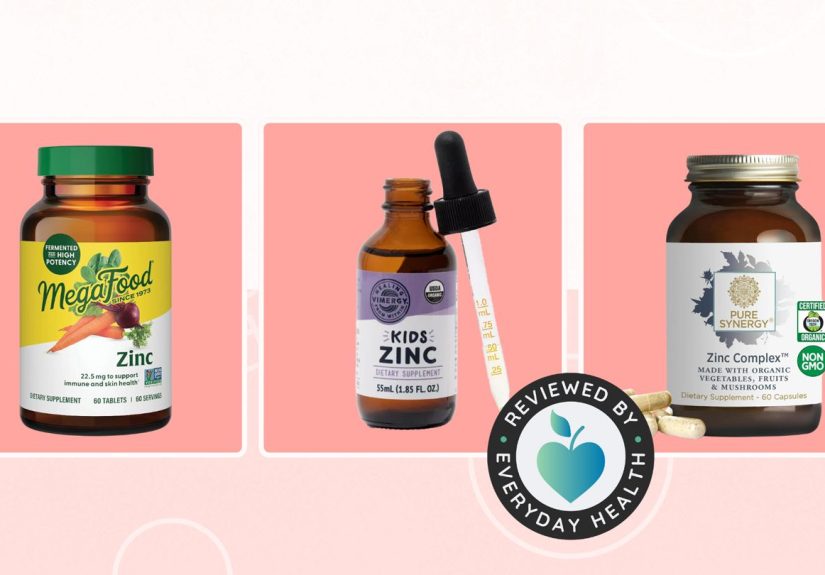
- 8. MegaFood Zinc Best Food-Based Tablet
- 9. Solgar Chelated Zinc Best Classic Chelated Zinc
- 10. Klean Athlete Klean Zinc Best for Athletes
- 11. MaryRuth Organics Ionic Zinc Liquid Drops Best Liquid Drops
- 12. Metagenics Zinc Drink Best Practitioner-Style Liquid
- 13. Designs for Health Zinc Supreme Best With Nutrient Cofactors
- 14. Life Extension Zinc Caps Best High-Dose Option Under Supervision
- What Does Zinc Actually Do?
- Who Might Benefit From a Zinc Supplement?
- Forms of Zinc: Which Is Best?
- How Much Zinc Is Too Much?
- What to Look for on the Label
- Common Zinc Supplement Mistakes
- of Real-Life Experience: What Using Zinc Supplements Is Actually Like
- Final Verdict: What Is the Best Zinc Supplement of 2025?
Zinc may not get the red-carpet treatment that vitamin D, magnesium, or collagen enjoy, but this small mineral is a behind-the-scenes superstar. It helps support immune function, normal wound healing, DNA synthesis, protein metabolism, taste, smell, skin health, and normal growth. In other words, zinc is the quiet coworker doing 11 jobs while everyone else argues over the office thermostat.
But here is the catch: more zinc is not automatically better. Registered dietitians usually look for a supplement that fits the person, not the loudest label. The best zinc supplements of 2025 tend to have a sensible dose, a well-absorbed form, transparent labeling, third-party testing when available, and minimal unnecessary extras. A zinc supplement should help fill a gap, not turn your kitchen cabinet into a chemistry lab.
This guide reviews 14 zinc supplements worth considering, using RD-style criteria: dosage, form, ingredient quality, use case, dietary preferences, and safety. It is written for general education and should not replace advice from a physician, registered dietitian, or pharmacistespecially if you are pregnant, breastfeeding, taking medications, managing a medical condition, or shopping for a child or teenager.
Quick Comparison: Best Zinc Supplements of 2025
| Rank | Supplement | Best For | Zinc Form | Approximate Zinc Per Serving |
|---|---|---|---|---|
| 1 | Thorne Zinc Picolinate | Best overall | Zinc picolinate | 15 mg |
| 2 | Nature Made Zinc 30 mg | Best budget pick | Zinc gluconate | 30 mg |
| 3 | NOW Foods Zinc Glycinate | Best glycinate option | Zinc bisglycinate chelate | 30 mg |
| 4 | Jarrow Formulas Zinc Balance | Best zinc with copper | Zinc L-methionine sulfate | 15 mg |
| 5 | Garden of Life Vitamin Code Raw Zinc | Best vegan whole-food style | Zinc from whole-food blend | 30 mg |
| 6 | Life Extension Enhanced Zinc Lozenges | Best lozenge | Zinc acetate | 18.75 mg per lozenge |
| 7 | Pure Encapsulations Zinc 15 | Best simple capsule | Zinc picolinate | 15 mg |
| 8 | MegaFood Zinc | Best food-based tablet | Fermented zinc | 22.5 mg |
| 9 | Solgar Chelated Zinc | Best classic chelated zinc | Chelated zinc | 22 mg |
| 10 | Klean Athlete Klean Zinc | Best for athletes | Zinc citrate | 10 mg |
| 11 | MaryRuth Organics Ionic Zinc Liquid Drops | Best liquid drops | Zinc sulfate | Varies by serving |
| 12 | Metagenics Zinc Drink | Best practitioner-style liquid | Zinc sulfate | About 15 mg |
| 13 | Designs for Health Zinc Supreme | Best with nutrient cofactors | Zinc bisglycinate | 30 mg |
| 14 | Life Extension Zinc Caps | Best high-dose option under supervision | OptiZinc and zinc citrate | 50 mg |
How RDs Choose the Best Zinc Supplements
Registered dietitians generally do not pick supplements because the bottle looks heroic or because the label has a lightning bolt. The smarter approach is more boringand much safer. A good zinc supplement should provide a clear amount of elemental zinc, use a form that is generally well tolerated, avoid unnecessary mega-dosing, and come from a brand that follows quality manufacturing standards.
The recommended dietary allowance for zinc is 11 mg per day for adult men and 8 mg per day for adult women. Pregnancy and breastfeeding needs are slightly higher. The tolerable upper intake level for adults is 40 mg per day from food and supplements combined. That means some 50 mg zinc capsules may be appropriate only when a clinician specifically recommends them. Zinc is helpful; zinc acting like it owns the place is less helpful.
14 Best Zinc Supplements of 2025
1. Thorne Zinc Picolinate Best Overall
Thorne Zinc Picolinate earns the top spot because it checks several RD-friendly boxes: a moderate 15 mg dose, a well-known zinc form, a simple capsule format, and strong brand quality standards. Zinc picolinate is often selected for its reputation as a highly absorbable form, and the 15 mg amount is practical for adults who want support without jumping straight into mega-dose territory.
This is a strong choice for people who want a straightforward zinc supplement for general wellness, immune support, skin health, or filling a modest dietary gap. It is also easier to fit into a routine than high-dose products that require more careful professional monitoring.
Best for: adults looking for a clean, moderate-dose daily zinc supplement.
Keep in mind: even moderate zinc can cause nausea if taken on an empty stomach, so pair it with food unless your healthcare provider says otherwise.
2. Nature Made Zinc 30 mg Best Budget Pick
Nature Made Zinc 30 mg is a wallet-friendly option with wide availability in the United States. It commonly uses zinc gluconate, a familiar and widely used form. The biggest advantage is value: it is easy to find, usually affordable, and suitable for people who want a simple tablet without ordering from a specialty practitioner brand.
The 30 mg dose is higher than the daily requirement for most adults, so this is not necessarily the right choice for everyone year-round. Still, for adults who have been advised to supplement zinc and want a dependable mainstream product, Nature Made is one of the most accessible choices.
Best for: budget-conscious shoppers who want a simple, widely available supplement.
Keep in mind: 30 mg is not a tiny dose. Consider your multivitamin, fortified foods, and diet before stacking zinc from multiple sources.
3. NOW Foods Zinc Glycinate Best Glycinate Option
NOW Foods Zinc Glycinate is a strong pick for people who prefer chelated minerals. Zinc glycinate, often listed as zinc bisglycinate chelate, is designed for improved tolerability and absorption. NOW is also known for broad availability and reasonable pricing, which gives this supplement a nice “smart buy” energy.
At around 30 mg per serving, it is useful for adults who need more than the RDA but still want to stay below the adult upper limit. The softgel format may be easier for some people to swallow compared with large tablets.
Best for: adults who want zinc glycinate in a convenient softgel.
Keep in mind: check the label for allergens or oils if you have dietary restrictions.
4. Jarrow Formulas Zinc Balance Best Zinc With Copper
Jarrow Formulas Zinc Balance is one of the most sensible daily options because it includes zinc plus copper. Why does that matter? Taking higher amounts of zinc over time may interfere with copper status. A zinc-and-copper formula helps address that concern, especially for people using zinc regularly.
The zinc dose is typically moderate, around 15 mg, paired with copper. This makes it especially attractive for long-term use compared with high-dose zinc-only formulas. It is not flashy. It is the cardigan of zinc supplements: practical, balanced, and probably approved by someone’s very organized aunt.
Best for: people who want a balanced zinc supplement for routine use.
Keep in mind: copper is helpful in the right amount, but people with specific medical conditions should ask a clinician before using mineral combinations.
5. Garden of Life Vitamin Code Raw Zinc Best Vegan Whole-Food Style
Garden of Life Vitamin Code Raw Zinc is a popular vegan-friendly option that combines zinc with vitamin C, probiotics, enzymes, and a fruit-and-vegetable blend. It appeals to shoppers who prefer whole-food-style supplements over minimalist mineral capsules.
At 30 mg of zinc, this supplement is on the higher side for routine daily use, but it may be useful for adults seeking a plant-based capsule with additional supportive ingredients. The capsule can often be opened and mixed into liquid, which may help people who dislike swallowing pills.
Best for: vegan shoppers who like whole-food-style formulas.
Keep in mind: more ingredients can mean more chances for sensitivity. Simple is sometimes better if your stomach is picky.
6. Life Extension Enhanced Zinc Lozenges Best Lozenge
Life Extension Enhanced Zinc Lozenges are designed for short-term immune-season use rather than daily mineral maintenance. The lozenge format matters because zinc acetate lozenges are meant to dissolve slowly in the mouth. That is very different from swallowing a standard zinc capsule.
Each lozenge provides about 18.75 mg of zinc. Because multiple lozenges can quickly push total zinc intake above the adult upper limit, this product should be used carefully and only as directed. It is not the supplement to casually snack on while watching TV. Your immune system may appreciate zinc, but your copper status and stomach may file a complaint.
Best for: adults looking for a short-term zinc lozenge option.
Keep in mind: not intended as a daily long-term supplement; follow label directions and ask a clinician if unsure.
7. Pure Encapsulations Zinc 15 Best Simple Capsule
Pure Encapsulations Zinc 15 is ideal for people who want a clean, hypoallergenic-style capsule without a parade of extras. It provides zinc picolinate in a moderate 15 mg amount, making it easier to personalize alongside diet and other supplements.
This is a good option for sensitive users, people who dislike blends, or anyone working with a healthcare provider who wants a precise zinc-only product. Its simplicity is the point. No glitter. No “ancient super root moon blend.” Just zinc.
Best for: ingredient-conscious adults who prefer minimalist formulas.
Keep in mind: premium brands often cost more per serving.
8. MegaFood Zinc Best Food-Based Tablet
MegaFood Zinc is designed for shoppers who like food-based supplements. It commonly provides 22.5 mg of zinc and includes a nourishing food blend with ingredients such as vegetables and herbs. The dose sits between low-dose daily zinc and higher 30 mg formulas, which may feel like a reasonable middle ground for some adults.
Food-based tablets are not automatically superior to standard mineral forms, but they can be appealing for people who value a more natural-positioned product. MegaFood also has a strong reputation among supplement users who prefer gentle formulas.
Best for: adults who want a food-based zinc tablet.
Keep in mind: check tablet size if you have trouble swallowing pills.
9. Solgar Chelated Zinc Best Classic Chelated Zinc
Solgar Chelated Zinc is a long-standing favorite in the supplement aisle. It typically provides 22 mg of zinc in a chelated form and is often marketed as vegan, gluten-free, dairy-free, and non-GMO. The 22 mg dose is higher than the RDA but lower than many 30 mg or 50 mg products.
This supplement is a strong fit for shoppers who want a classic brand, a moderate-to-higher dose, and a simple tablet. It may be especially appealing for people focused on skin health, immune support, or general zinc intake.
Best for: shoppers who want a traditional chelated zinc tablet from an established brand.
Keep in mind: 22 mg may be more than some people need daily if their diet is already zinc-rich.
10. Klean Athlete Klean Zinc Best for Athletes
Klean Athlete Klean Zinc is a standout for athletes because it is NSF Certified for Sport. That certification matters for competitive athletes who must be careful about banned substances and supplement contamination. It is also a chewable tablet, which is refreshing if capsules make you feel like you are swallowing office supplies.
The dose is typically around 10 mg per tablet, making it one of the more moderate options on this list. That is a good thing for many athletes who already use protein powders, multivitamins, electrolyte mixes, or fortified foods.
Best for: athletes who want a sport-certified zinc supplement.
Keep in mind: chewables may contain sweeteners or flavoring, so check the full ingredient list.
11. MaryRuth Organics Ionic Zinc Liquid Drops Best Liquid Drops
MaryRuth Organics Ionic Zinc Liquid Drops are helpful for people who dislike pills or need flexible serving sizes. Liquid zinc can be easier to adjust, and this product is often marketed for a wide range of ages. However, dosing for children and teens should always be handled carefully with professional guidance.
Liquid minerals can have a strong taste, so mixing with a beverage may help. This is a practical option for households that want flexibility, but flexibility also requires attention. A dropper is not a magic wand; measure carefully.
Best for: adults who prefer liquid supplements and adjustable serving sizes.
Keep in mind: do not guess the dose, especially for children or teenagers.
12. Metagenics Zinc Drink Best Practitioner-Style Liquid
Metagenics Zinc Drink is a liquid zinc supplement often used in practitioner settings. It generally provides zinc sulfate in a liquid form, with about 15 mg per serving depending on the product version and label. It is simple, flexible, and useful for people who prefer not to swallow capsules.
This product is best suited for adults working with a healthcare practitioner or those who already know liquid zinc fits their routine. The taste may be mineral-forward, which is a polite way of saying your taste buds may ask for a meeting.
Best for: adults who want a professional-grade liquid zinc option.
Keep in mind: follow the exact serving directions and avoid combining it with multiple other zinc-containing products.
13. Designs for Health Zinc Supreme Best With Nutrient Cofactors
Designs for Health Zinc Supreme combines zinc with supportive nutrients such as B vitamins and other cofactors. It is commonly used in practitioner-style nutrition plans and is designed for people who want more than a basic zinc-only capsule.
Because it often provides around 30 mg of zinc, it is best for adults who have a clear reason for supplementing and are not already getting extra zinc elsewhere. The additional nutrients may be useful in some cases, but they also make the formula less minimalist.
Best for: adults working with a practitioner or looking for a more comprehensive zinc formula.
Keep in mind: avoid stacking with multivitamins unless you have checked total zinc intake.
14. Life Extension Zinc Caps Best High-Dose Option Under Supervision
Life Extension Zinc Caps provide 50 mg of zinc, usually from a combination such as OptiZinc and zinc citrate. This is a high-dose zinc supplement and exceeds the adult tolerable upper intake level of 40 mg per day. For that reason, it should not be treated as a casual daily wellness product.
High-dose zinc may be recommended in specific situations by a healthcare provider, but long-term use without supervision can increase the risk of nausea, copper imbalance, and other issues. This product belongs in the “ask first” category, not the “why not?” category.
Best for: adults who have been specifically advised to use high-dose zinc.
Keep in mind: not ideal for routine unsupervised daily use.
What Does Zinc Actually Do?
Zinc is involved in hundreds of enzyme reactions in the body. It supports immune defenses, wound healing, protein synthesis, DNA formation, normal taste and smell, reproductive health, and cell growth. Because the body does not store large amounts of zinc, regular intake from food matters.
Excellent food sources include oysters, beef, crab, pork, chicken, beans, lentils, pumpkin seeds, cashews, yogurt, chickpeas, fortified cereals, and whole grains. Animal foods generally provide zinc that is easier for the body to absorb. Plant-based eaters may need extra attention because phytates in beans, grains, and seeds can reduce zinc absorption. That does not make plant-based diets “bad”; it just means zinc planning deserves a chair at the table.
Who Might Benefit From a Zinc Supplement?
Some adults may benefit from a zinc supplement if they do not get enough through food or have higher needs. This can include certain vegetarians or vegans, older adults with limited intake, people with digestive conditions that affect absorption, individuals recovering from deficiency, and people advised by a healthcare provider to supplement.
However, zinc supplements are not automatically necessary for everyone. If you eat a varied diet with meat, seafood, dairy, legumes, nuts, seeds, and whole grains, you may already get enough. A supplement should solve a problem, not create a new monthly subscription with your bathroom shelf.
Forms of Zinc: Which Is Best?
Common zinc forms include zinc picolinate, zinc gluconate, zinc citrate, zinc acetate, zinc sulfate, and zinc bisglycinate. RD-friendly choices often include picolinate, citrate, gluconate, and glycinate because they are widely used and generally well tolerated.
Zinc acetate is commonly used in lozenges. Zinc sulfate is often found in liquid formulas but may be more likely to bother sensitive stomachs for some people. The “best” form depends on your goal. For daily use, a moderate-dose capsule or tablet may be easiest. For people who dislike pills, liquid zinc or chewables may win. For short-term lozenge use, the lozenge form itself matters because it dissolves in the mouth.
How Much Zinc Is Too Much?
For adults, the upper limit is 40 mg per day. Taking more than that regularly without medical supervision may increase the risk of nausea, vomiting, stomach cramps, diarrhea, headaches, reduced copper status, and possible immune or neurological problems over time.
Also watch out for zinc stacking. A person might take a multivitamin with 15 mg of zinc, a separate zinc capsule with 30 mg, and immune gummies with extra zinc, then wonder why their stomach is staging a protest. Always add up the zinc from all supplements.
What to Look for on the Label
1. Elemental Zinc Amount
The front label may say “zinc picolinate,” but the Supplement Facts panel should tell you how much actual zinc you are getting. That number matters most.
2. Third-Party Testing
Look for credible quality signals such as USP Verified, NSF certification, NSF Certified for Sport, ConsumerLab approval, or clear in-house and third-party testing information. These seals do not prove a supplement will work miracles, but they do help confirm quality and label accuracy.
3. A Dose That Matches Your Need
For routine support, many adults do not need 50 mg. A moderate 10 mg to 15 mg supplement may be plenty, depending on diet and professional guidance.
4. Minimal Extras
A basic zinc supplement does not need a circus of sweeteners, herbs, mystery blends, and “proprietary immune matrix” confetti. Extra ingredients can be useful, but they should have a reason.
Common Zinc Supplement Mistakes
The first mistake is taking zinc on an empty stomach and then blaming breakfast for the nausea. Many people tolerate zinc better with a meal. The second mistake is taking zinc at the same time as iron, calcium, or certain medications without checking for interactions. Minerals can compete for absorption, and some medications require careful timing.
The third mistake is assuming that if 15 mg is good, 50 mg must be heroic. Nutrition does not work like video game points. More is not always an upgrade. Sometimes more is just more expensive nausea.
of Real-Life Experience: What Using Zinc Supplements Is Actually Like
In real life, choosing a zinc supplement is less glamorous than the supplement aisle wants you to believe. Nobody wakes up, throws open the curtains, and says, “Ah yes, today I shall optimize my trace mineral status.” Most people start thinking about zinc because they are dealing with seasonal immune concerns, skin issues, a limited diet, a recommendation from a clinician, or a multivitamin label that suddenly looks like a tiny tax document.
The first experience many people notice is stomach sensitivity. Zinc can be surprisingly dramatic when taken alone. A capsule on an empty stomach may lead to nausea within minutes, even in people who usually tolerate supplements well. Taking zinc with a meal often solves the problem. Breakfast with eggs and toast, lunch with rice and chicken, or dinner with beans and vegetables can make zinc feel much more civilized. The supplement does not need a banquet; it just needs not to land in an empty stomach like a mineral meteor.
The second practical lesson is that smaller doses are easier to live with. A 15 mg zinc supplement feels much more routine than a 50 mg capsule. People who use moderate-dose zinc often find it easier to combine with diet without worrying about overshooting the upper limit. This is especially true for anyone already taking a multivitamin. Many multis include zinc, so adding a separate zinc pill can accidentally double or triple total intake. Reading the Supplement Facts panel is not exciting, but neither is discovering your “simple wellness routine” has become a mineral pileup.
Liquid zinc is another interesting experience. It is convenient for people who dislike pills, but the taste can be intense. Some liquid formulas have a metallic or mineral flavor that does not exactly whisper “spa day.” Mixing drops into juice or a flavored beverage can help, but accurate measuring matters. Liquids are flexible, and that is both their strength and their responsibility. Guessing with minerals is not a great hobby.
Lozenges feel different from standard supplements because they are designed to dissolve slowly. People often reach for zinc lozenges during immune season, but they should not be treated like candy. The serving directions matter because multiple lozenges can quickly raise zinc intake above normal daily limits. Also, some lozenges contain added sugar or sweeteners, which may matter if you use several in a day.
The best experience with zinc usually comes from matching the product to the person. Athletes may appreciate NSF Certified for Sport options like Klean Athlete. Vegans may prefer Garden of Life or another plant-friendly capsule. Sensitive users may like Pure Encapsulations. Budget shoppers may reach for Nature Made. Someone working with a practitioner may use Metagenics or Designs for Health. The winner is not always the most expensive bottle. The winner is the supplement that fits your diet, dose needs, stomach, budget, and actual reason for taking zinc.
One final real-world tip: give zinc a job description. Are you taking it because your healthcare provider found low intake? Because your diet is limited? Because you need a short-term lozenge? Because your multivitamin lacks zinc? When the reason is clear, the choice becomes easier. When the reason is “everyone on the internet seems excited,” it may be time to pause, eat some pumpkin seeds, and ask a qualified professional.
Final Verdict: What Is the Best Zinc Supplement of 2025?
For most adults looking for a balanced, high-quality zinc supplement, Thorne Zinc Picolinate is the best overall pick because it offers a moderate 15 mg dose, a respected form, and a clean capsule format. For budget shoppers, Nature Made Zinc 30 mg is affordable and easy to find. For those who want copper included, Jarrow Formulas Zinc Balance is one of the smartest long-term options.
The most important takeaway is simple: choose zinc based on need, not hype. Look at the dose, check the form, consider third-party testing, avoid unnecessary stacking, and ask a healthcare professional if you are unsure. Zinc is essential, but it is not a “more is better” nutrient. Treat it like a helpful tool, not a magic wand with a barcode.
Note: This article is for educational publishing purposes only. Zinc supplements may interact with medications and may not be appropriate for everyone. Children, teenagers, pregnant people, breastfeeding people, and anyone with a medical condition should consult a qualified healthcare professional before using zinc supplements.