Table of Contents >> Show >> Hide
- Before the list: a quick protein reality check (no lab coat required)
- The cheat-sheet table (save your scroll thumb)
- 16 plant-based proteins you can actually build meals around
- 1) Lentils
- 2) Chickpeas (garbanzo beans)
- 3) Black beans
- 4) White beans (cannellini, navy, great northern)
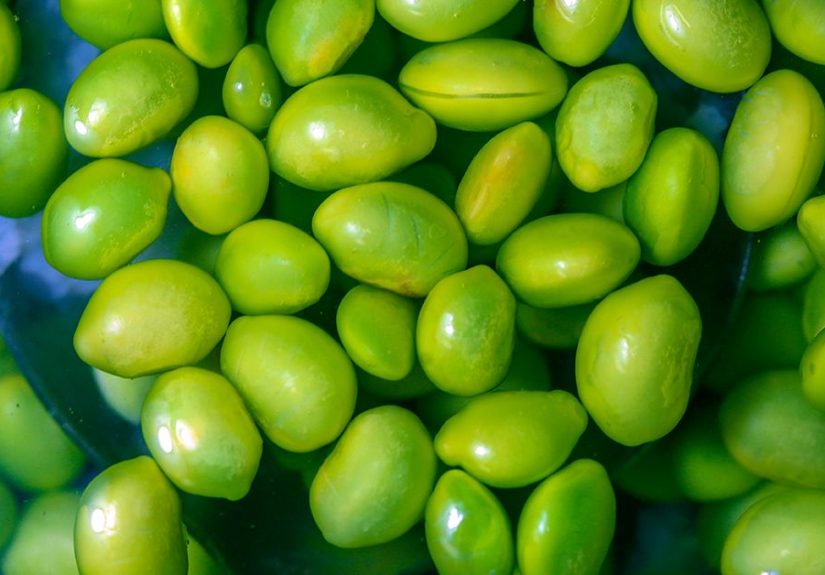
- 5) Edamame (young soybeans)
- 6) Tofu
- 7) Tempeh
- 8) Seitan (vital wheat gluten)
- 9) Split peas
- 10) Green peas
- 11) Quinoa
- 12) Oats
- 13) Buckwheat
- 14) Peanuts and peanut butter
- 15) Pumpkin seeds (pepitas)
- 16) Hemp hearts
- Bonus flavor booster: Nutritional yeast (nooch!)
- How to hit your protein target without turning meals into math class
- Common plant-protein pitfalls (and how to dodge them)
- Special notes for vegans, vegetarians, and flexitarians
- Soy: myth-busting in 30 seconds
- Conclusion: your protein plan can be simple (and not boring)
- Real-life experiences people often have when they go plant-protein heavy (about )
If you’ve ever told someone you’re eating more plants and they immediately asked, “But… where do you get your protein?”
congratulations: you’ve unlocked a universal side quest. The good news is you don’t need a special membership card to the
“Protein Club.” Plants have protein. A lot of it. And once you know which foods deliver the biggest bang per bite, building
satisfying, high-protein meals gets surprisingly easy (and delicious).
This guide rounds up 16 plant-based proteins that work for vegans, vegetarians, and
flexitarians. You’ll get realistic protein estimates per common serving, the “why it’s awesome” factor,
and practical ideas so these foods actually show up on your platerather than living their best life in the back of your pantry.
Before the list: a quick protein reality check (no lab coat required)
Do plant proteins “count” the same way?
Yes. Protein is proteinyour body breaks it down into amino acids and uses them to build and repair tissue. Some plant foods
are lower in one or more essential amino acids, but you don’t need to “protein-combine” like it’s a chemistry final.
Eating a variety of plant foods across the day covers your bases.
How much protein do you actually need?
The standard Recommended Dietary Allowance (RDA) used for adults is often expressed as
0.8 grams of protein per kilogram of body weight per day. Many people choose higher targets based on age,
activity level, muscle-building goals, appetite, or medical guidance. Translation: the “right” number is personal, but the
strategy is universalspread protein across meals so you’re not trying to eat the entire tofu block at 10 p.m.
Simple math shortcut: body weight in pounds ÷ 2.2 = kilograms. Then multiply by your target (0.8, 1.0, etc.).
The cheat-sheet table (save your scroll thumb)
Protein varies by brand and preparation, but these estimates are solid “everyday” ranges.
| Plant Protein | Typical Serving | Approx. Protein | Best Use |
|---|---|---|---|
| Lentils | 1/2 cup cooked | ~12 g | Soups, curries, tacos |
| Chickpeas | 1/2 cup cooked | ~7–8 g | Hummus, salads, roasting |
| Black beans | 1/2 cup cooked | ~7–8 g | Burritos, bowls, chili |
| White beans | 1/2 cup cooked | ~7–9 g | Soups, blended sauces |
| Edamame (soybeans) | 1 cup shelled | ~18 g | Snacks, stir-fries |
| Tofu | 3.5 oz (100 g) | ~8 g | Scrambles, stir-fries |
| Tempeh | 3 oz | ~15–16 g | Sandwiches, crumbles |
| Seitan (wheat protein) | 3 oz | ~15–20+ g | “Meaty” sautés, fajitas |
| Split peas | 1 cup cooked | ~16 g | Split pea soup, dal |
| Green peas | 1 cup cooked | ~8 g | Side dish, pasta add-in |
| Quinoa | 1 cup cooked | ~8 g | Bowls, salads |
| Oats | 1/2 cup dry | ~5 g | Breakfast, baking |
| Buckwheat | 1 cup cooked | ~6 g | Porridge, noodles |
| Peanuts / peanut butter | 1/4 cup peanuts | ~9 g | Snacks, sauces |
| Pumpkin seeds | 1 oz | ~7 g | Salads, trail mix |
| Hemp hearts | 1 oz | ~10 g | Smoothies, oatmeal topping |
| Nutritional yeast | 1 Tbsp | ~2 g | Cheesy flavor boost |
16 plant-based proteins you can actually build meals around
1) Lentils
Lentils are the “weeknight hero” legume: fast-cooking, budget-friendly, and protein-dense. A half cup of cooked lentils adds
about 12 grams of protein to a meal.
- Try this: Swap half the ground meat in tacos for lentils (or go all-in lentil tacos and never look back).
- Flavor tip: Cook with onion, garlic, cumin, and a little smoked paprika for instant “why is this so good?” energy.
2) Chickpeas (garbanzo beans)
Chickpeas are the definition of versatile: creamy when blended, crunchy when roasted, sturdy in salads. Expect roughly
7–8 grams of protein per 1/2 cup cooked.
- Try this: Mash chickpeas with mustard, celery, and pickles for a plant-based “tuna” sandwich vibe.
- Snack move: Roast with olive oil, salt, and curry powder for a crunchy protein topper.
3) Black beans
Black beans bring protein plus serious “stays-full” power. Like many beans, a half cup lands around
6–9 grams of protein depending on variety and prep.
- Try this: Black bean + corn + salsa bowl over quinoa. Add avocado if you want happiness in HD.
- Shortcut: Keep canned beans, rinse them, and boomdinner has structure.
4) White beans (cannellini, navy, great northern)
White beans are sneaky-good: mild flavor, creamy texture, and easy to blend into sauces. Expect a similar
~6–9 grams per 1/2 cup range as other beans.
- Try this: Blend white beans into a lemon-garlic “cream” sauce for pastahigh-protein comfort food.
- Bonus: Great for soups because they thicken the broth without dairy.
5) Edamame (young soybeans)
Edamame is a powerhouse snack that doesn’t feel like “diet food.” One cup of shelled edamame packs about
18 grams of protein. Soy is also often discussed as a complete protein option.
- Try this: Toss edamame into stir-fries, fried rice, or noodle bowls for effortless protein.
- Snack: Steam and sprinkle with flaky salt and chili flakes. Simple, dramatic, effective.
6) Tofu
Tofu is basically a blank canvas that learned to multitask. A 3.5-ounce serving (about 100 g) provides roughly
8 grams of protein (and more if you use extra-firm or larger portions).
- Try this: Crumble tofu into a skillet with turmeric, garlic, and veggies for a vegan scramble.
- Texture tip: Press it, cube it, toss with cornstarch, then bake or air-fry for crisp edges.
7) Tempeh
Tempeh is fermented soy with a nutty, hearty bite. It’s compact, so the protein climbs: about
15–16 grams per 3-ounce serving.
- Try this: Slice, marinate (soy sauce + maple + garlic), pan-sear, and stack on a sandwich.
- Crumble trick: Break it up for “ground” texture in chili or pasta sauce.
8) Seitan (vital wheat gluten)
Seitan is the “meatiest” plant protein by texture, made from wheat gluten. Protein varies by recipe,
but it’s typically very high per serving. Important note: not gluten-free.
- Try this: Sauté strips with peppers and onions for fajitas.
- Label tip: Store-bought seitan can be saltybalance with fresh veggies and whole grains.
9) Split peas
Split peas are humble, hearty, and wildly underrated. A cup cooked can land around
~16 grams of protein, depending on preparation.
- Try this: Classic split pea soup with carrots and smoked paprika (no ham required).
- Meal prep win: Soups freeze well, and future-you deserves nice things.
10) Green peas
Peas get teased like they’re the boring kid at the dinner table, but one cup of cooked peas provides about
8 grams of protein.
- Try this: Stir peas into pasta, risotto, or curry right at the end for color + protein.
- Snacky option: Blend into a pea-mint spread for toast (surprisingly good, slightly fancy).
11) Quinoa
Quinoa is a grain-like seed that’s a solid base for plant-forward meals. A cup cooked provides about
~8 grams of protein. It also plays well with beans, tofu, and roasted veggies.
- Try this: Quinoa bowl with black beans, salsa, greens, and pumpkin seeds.
- Flavor tip: Cook quinoa in vegetable broth instead of water for instant upgrade.
12) Oats
Oats aren’t just carbs in a trench coat. A half-cup serving adds about
~5 grams of protein, plus they’re an easy vehicle for nuts, seeds, soy milk, and other boosters.
- Try this: Overnight oats with soy milk + hemp hearts + peanut butter.
- Upgrade: Add cinnamon and frozen berries for flavor without going full dessert mode.
13) Buckwheat
Buckwheat is naturally gluten-free (despite the name) and shows up as groats or noodles (like sobacheck labels for wheat mix).
A cup cooked provides around ~6 grams of protein.
- Try this: Savory buckwheat porridge with mushrooms, spinach, and sesame.
- Fast meal: Soba noodles + edamame + peanut sauce = dinner in a hurry.
14) Peanuts and peanut butter
Peanuts are technically legumes, and they bring serious protein energy. A quarter cup of peanuts has about
~9 grams of protein. Peanut butter is similar per a couple tablespoons, depending on brand.
- Try this: Peanut sauce (peanut butter + lime + soy sauce + water) over tofu and veggies.
- Snack: Apple slices + peanut butter = classic for a reason.
15) Pumpkin seeds (pepitas)
Pumpkin seeds are crunchy, portable, and add about ~7 grams of protein per ounce.
- Try this: Sprinkle on salads, soups, oatmeal, or roasted vegetables.
- Pro move: Blend into pesto with basil and garlic for a nut-free twist.
16) Hemp hearts
Hemp hearts are one of the easiest “invisible” protein add-ins. One ounce provides about
~10 grams of protein and a mild, nutty flavor.
- Try this: Add to smoothies, yogurt alternatives, oatmeal, or even pasta.
- Texture win: They disappear into foods without feeling like you’re chewing birdseed.
Bonus flavor booster: Nutritional yeast (nooch!)
Nutritional yeast isn’t a “main protein,” but it’s an elite supporting actor. One tablespoon adds about
~2 grams of protein plus a cheesy, savory flavor that makes vegetables feel less like a chore.
- Try this: Stir into sauces, sprinkle over popcorn, or blend into cashew-free “cheese” dips.
How to hit your protein target without turning meals into math class
The easiest approach is “protein anchoring”: pick a protein for each meal, then build around it with fiber-rich carbs and
colorful plants. Here are three plug-and-play templates:
High-protein plant-based breakfast ideas
- Oats + soy milk + hemp hearts (and peanut butter if you’re feeling ambitious)
- Tofu scramble with veggies + quinoa on the side
- Chickpea “omelet” (chickpea flour batter) with spinach and salsa
Lunch that doesn’t ghost you at 3 p.m.
- Lentil soup + side salad with pumpkin seeds
- Tempeh sandwich + crunchy veggies
- Bean-and-quinoa bowl with roasted vegetables and tahini or peanut sauce
Dinner that satisfies vegans and carnivores-in-recovery
- Seitan fajitas with peppers/onions + beans
- Tofu stir-fry with edamame + buckwheat noodles
- Split pea dal over quinoa with a big pile of greens
Common plant-protein pitfalls (and how to dodge them)
Pitfall: “I’m eating plants, why am I hungry?”
Sometimes people switch to “plants” and accidentally switch to “salad and vibes.” Add a true protein anchor (beans, tofu,
tempeh, lentils) and include enough calories from whole grains, nuts, and seeds.
Pitfall: Worrying about combining proteins at the same meal
You don’t need to pair beans and rice in the same bite like they’re soulmates. Aim for variety across the daylegumes,
whole grains, nuts, seeds, and vegetables can work together over time.
Pitfall: Going all-in on ultra-processed “fake meats”
Some meat alternatives can be helpful, especially for flexitarians transitioning away from meat. But keep an eye on sodium
and saturated fat, and try to make whole-food proteins (beans, soy foods, peas, grains, nuts, seeds) your everyday default.
Special notes for vegans, vegetarians, and flexitarians
If you’re vegan
Prioritize legumes (lentils, beans, peas) and soy foods (tofu, tempeh, edamame). Add seeds and nuts for extra protein
and satisfaction. If you’re struggling to reach your target, consider a protein-forward snack strategy:
roasted chickpeas, edamame, trail mix with pumpkin seeds, or a smoothie with hemp hearts.
If you’re vegetarian
You can mix plant proteins with eggs and dairy if you choose, but you don’t have to rely on them. Many vegetarians find
that keeping tofu/tempeh and a few bean staples on rotation makes meals simpler and more balanced.
If you’re flexitarian
Think of plant proteins as “default settings,” not punishment. Try swapping in beans or lentils for some (or all) of the
meat in tacos, chili, pasta sauce, and soups. It’s a low-drama way to eat more plants without feeling like you joined a cult.
Soy: myth-busting in 30 seconds
Soy foods (like tofu, tempeh, and soy milk) are widely used plant proteins. A common worry is hormones or cancer risk, but
major medical organizations have noted that eating soy foods does not appear to raise breast cancer risk for most people,
and soy foods can fit into a healthy eating pattern. If someone has a soy allergy or has specific medical concerns,
that’s a good time to talk with a clinician for individualized guidancefood isn’t one-size-fits-all.
Conclusion: your protein plan can be simple (and not boring)
The best plant-based protein strategy isn’t exotic powders or sad desk salads. It’s a rotation of real foods:
lentils, beans, soy foods, peas, whole grains, nuts, and seeds. Choose one protein anchor per meal,
add plants for volume and nutrients, and keep a few fast options (canned beans, frozen edamame, tofu) ready for
“I need dinner yesterday” moments.
Whether you’re vegan, vegetarian, or flexitarian, these 16 plant-based proteins give you plenty of ways to meet your
protein goalswhile still enjoying meals that feel like food (not a homework assignment).
Real-life experiences people often have when they go plant-protein heavy (about )
When people start leaning on plant-based proteins, the first “experience” is usually not spiritual enlightenment. It’s
logistics. Specifically: “Why did nobody tell me canned beans are basically a meal starter?” Once legumes become a pantry
staple, dinners get faster. A can of chickpeas turns into a salad, a curry, or a crispy snack. Lentils go from “I think I saw
those once” to “These cook faster than my rice.”
Another common experience is learning that protein is a meal structure, not just a number. People often notice
that when they build meals around a protein anchorsay, tempeh in a stir-fry or lentils in a soupthey feel more satisfied
and snack less out of sheer boredom. Not because snacking is evil, but because “I ate lettuce and now I’m negotiating with a
bag of chips” is a predictable outcome.
Taste-wise, there’s a funny arc. At first, tofu can seem blandbecause it is. Then someone discovers pressing + seasoning +
heat, and suddenly tofu becomes the crispy, saucy main character. Tempeh has its own learning curve, too. People often describe
the first bite as “nutty” or “earthy,” and then realize that marinades are not optional. A quick soak in soy sauce, citrus,
garlic, and a hint of sweetness can turn tempeh from “interesting” into “why didn’t I make extra?”
Many folks also report a shift in how they shop. Instead of buying “protein foods” and “everything else,” they start building
flexible combinations: beans + grains + vegetables + a sauce. That’s when meal planning gets easier. A batch of quinoa becomes
a base for a black bean bowl one day and a lemony chickpea salad the next. Frozen edamame becomes the emergency snack you didn’t
know you needed. Seeds (like hemp hearts or pumpkin seeds) become the effortless add-on that makes meals feel complete without
adding cooking time.
Socially, plant proteins can be a confidence booster. People often realize they can bring a big, crowd-friendly dishlike chili
made with lentils and beansand nobody misses the meat. Flexitarians in particular tend to like this “swap without sacrifice”
moment: they’re not announcing a new identity, they’re just choosing a meal that tastes good and feels good afterward.
Finally, there’s the “I’m calmer now” experience: once people learn a short list of reliable plant proteins, the anxiety about
“getting enough” fades. Not because protein stops mattering, but because they have a plan: legumes most days, soy foods when
convenient, whole grains for a boost, nuts and seeds for staying power. And yessometimes a veggie burger. Real life includes
shortcuts. The point is consistency, not perfection.