Table of Contents >> Show >> Hide
- Why Cleaning Basketball Shoes Matters
- Before You Start: What You Need
- Method 1: Quick Clean the Outsoles for Better Grip
- Method 2: Deep Clean the Uppers, Midsoles, and Outsoles by Hand
- Method 3: Clean Laces, Insoles, and Odor
- How to Clean Different Basketball Shoe Materials
- Common Mistakes to Avoid
- How Often Should You Clean Basketball Shoes?
- Best Way to Keep Basketball Shoes Clean Longer
- Extra Experience: What Cleaning Basketball Shoes Teaches You Over Time
- Conclusion
Basketball shoes live a dramatic life. One minute they are fresh out of the box, glowing like they deserve their own entrance music. The next, they are covered in court dust, mystery hallway dirt, sweat, and whatever that sticky spot was near the free-throw line. If you play regularly, knowing how to clean basketball shoes is not just about looking sharp. It can help protect the materials, keep odors under control, and maintain the traction that lets you stop, cut, and pivot without performing an accidental cartoon slip.
The good news is that cleaning basketball shoes does not require a professional sneaker lab, a hazmat suit, or a 47-step ritual involving moonlight. Most pairs can be cleaned safely with a soft brush, mild detergent, warm water, microfiber cloths, and patience. The key is choosing the right method for the mess. Dusty outsoles need a different approach than stained mesh uppers. Smelly interiors need different care than white midsoles. And leather, suede, knit, canvas, and synthetic basketball shoes all have their own personalities, because apparently sneakers have boundaries too.
This guide breaks the process into three reliable methods: a quick court-side clean for grip, a deeper hand-wash for dirty uppers and soles, and a freshening routine for laces, insoles, and odor. Together, these three ways cover the most common problems players face: slippery soles, dull-looking uppers, and that “these shoes have seen things” locker-room smell.
Why Cleaning Basketball Shoes Matters
Basketball shoes are performance gear. They are designed to support quick changes of direction, jumping, landing, sprinting, and defensive slides. When dirt and dust collect on the outsole, especially in the grooves of the traction pattern, the shoe can lose grip. On a clean indoor court, that might mean wiping your soles more often. On a dusty court, it can feel like your sneakers have secretly become ice skates.
Cleaning also protects the shoe’s materials. Sweat, dust, road grime, spilled drinks, and outdoor dirt can break down fabrics, discolor midsoles, and leave unpleasant odors behind. Regular cleaning helps your basketball sneakers last longer and look better, whether you wear them for league games, pickup runs, school practice, or casual outfits.
There is also the confidence factor. Clean basketball shoes simply feel better. You lace them up, look down, and think, “Yes, today I am making responsible adult choices.” Then you miss your first jumper by three feet, but at least your shoes are spotless.
Before You Start: What You Need
Before cleaning your basketball shoes, gather a few basic supplies. You do not need anything fancy, although sneaker-cleaning kits can be useful if you like having dedicated tools.
- Soft-bristled shoe brush or clean toothbrush
- Microfiber towels or soft cotton cloths
- Mild laundry detergent or gentle dish soap
- Small bowl of warm water
- Clean sponge
- Mesh laundry bag for laces, if machine-washing them
- Baking soda for odor control or white-shoe stains
- Specialty leather or suede cleaner, if your shoes require it
What to Avoid
Do not attack your basketball shoes with harsh household cleaners, bleach-heavy mixtures, abrasive scrub pads, or direct heat. Strong chemicals can damage rubber, discolor fabric, or weaken adhesives. High heat from dryers, heaters, or direct sunlight can warp the shoe, loosen glue, and make materials stiff. Your shoes are not pizza rolls; they do not belong in a hot appliance.
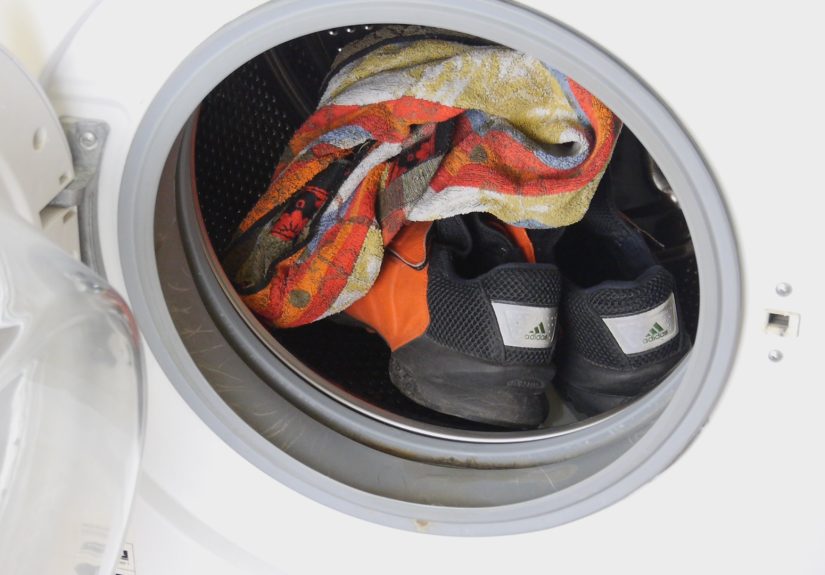
Also be careful with the washing machine. Some fabric sneakers may tolerate machine washing, but many basketball shoes include glued layers, foam cushioning, leather accents, synthetic overlays, and performance materials that are safer to clean by hand. When in doubt, hand-cleaning is the better option.
Method 1: Quick Clean the Outsoles for Better Grip
This is the fastest way to clean basketball shoes when the main problem is slippery traction. If your shoes still look decent but feel dusty on the court, focus on the outsole first.
Step 1: Dry Brush the Soles
Start with dry shoes. Use a soft brush or toothbrush to loosen dust, dirt, and tiny pebbles from the grooves of the outsole. Basketball shoes often have herringbone, radial, wave, or multi-directional traction patterns, and those little channels can trap debris. Brush across the grooves and around the edges of the sole.
If you use your basketball shoes outdoors, check carefully for small stones lodged in the tread. Those can scratch indoor courts and reduce traction. Ideally, keep one pair for indoor play and another for outdoor surfaces. Outdoor pavement is brutal on rubber outsoles, and it does not care about your sneaker budget.
Step 2: Wipe with a Damp Cloth
Dampen a microfiber cloth with clean water and wipe the bottom of each shoe. The cloth should be damp, not dripping. Too much water can sneak into seams and make drying take longer. Focus on removing the gray film of court dust that builds up during play.
For a quick in-game fix, keep a slightly damp towel in your gym bag and step on it during breaks. Wipe each sole, then dry it on a clean towel before going back on the court. This can help remove loose dust without using sticky sprays or questionable locker-room experiments.
Step 3: Use Mild Soap for Stubborn Grime
If the soles are still dirty, mix a tiny amount of mild detergent or dish soap with warm water. Dip your brush into the solution and gently scrub the outsole. Do not overdo the soap. A little is enough. Too much detergent can leave residue, and residue can attract more dirt. That is not cleaning; that is setting up a sequel.
After scrubbing, wipe the outsole with a clean damp cloth to remove soap. Then dry it with a towel. Make sure the sole is fully dry before stepping onto a court. Wet soles can be slippery, and no one wants their crossover to become a weather event.
Method 2: Deep Clean the Uppers, Midsoles, and Outsoles by Hand
When your basketball shoes are visibly dirty, hand-cleaning is the safest all-around method. This works well for many synthetic, mesh, knit, and rubber parts. For leather or suede shoes, adjust the approach carefully, which we will cover below.
Step 1: Remove Laces and Insoles
Take out the laces before cleaning. Laces trap grime around the tongue and eyelets, and removing them gives you better access to the upper. If the insoles are removable, take them out too. Do not yank glued insoles; forcing them out can damage the shoe.
Removing these parts also helps the shoes dry more evenly. Basketball shoes can be thick and padded, so airflow matters.
Step 2: Brush Away Loose Dirt
Use a dry soft-bristled brush to remove surface dirt from the upper, midsole, outsole, tongue, and heel area. This step is more important than it looks. If you add water too soon, dry dirt can turn into mud, and then you are not cleaning your shoes; you are making sneaker gravy.
Step 3: Mix a Gentle Cleaning Solution
In a small bowl, mix warm water with a small amount of mild laundry detergent or gentle dish soap. The solution should be lightly soapy, not foamy like a bubble bath. For white rubber midsoles, a soft brush and mild soap usually do the job. For stubborn marks on white sections, a small amount of baking soda paste may help, but test it first on a less visible area.
Step 4: Clean the Uppers Gently
Dip a microfiber cloth, sponge, or soft brush into the cleaning solution. Gently clean the upper in small sections. Use light pressure, especially on mesh or knit materials. Scrubbing too aggressively can fray fibers or rough up the texture.
For mesh basketball shoes, avoid soaking the material. Mesh breathes well, which is great for your feet, but it can also absorb moisture quickly. Clean with a damp cloth or soft brush, then blot with a dry towel as you go.
For synthetic overlays, use a soft cloth and small circular motions. These areas often collect scuffs but usually clean up well. Around logos, printed details, or delicate finishes, be extra gentle. Your goal is to remove dirt, not erase the shoe’s identity.
Step 5: Scrub the Midsole and Outsole
The midsole is often where basketball shoes look dirtiest, especially on white or light-colored pairs. Use a toothbrush or soft brush with your mild cleaning solution and work along the sidewalls. Pay attention to textured foam areas, grooves, and edges near the outsole.
For the outsole, scrub the traction grooves carefully. If dirt is packed into tight spaces, use a toothbrush. Avoid sharp tools that can cut or damage rubber. A toothpick can help with small stones, but use it carefully and never gouge the sole.
Step 6: Wipe Away Soap and Blot Dry
Once the shoes look clean, wipe them with a separate damp cloth to remove soap residue. Then blot with a dry microfiber towel. Blotting is better than hard rubbing because it lifts moisture and dirt without stressing the fabric.
Let the shoes air-dry at room temperature. Stuffing them loosely with clean paper towels can help absorb moisture and maintain shape. Replace the paper if it becomes damp. Do not use newspaper on light-colored interiors because ink can transfer. Let the shoes dry completely before wearing them again, especially before a game or practice.
Method 3: Clean Laces, Insoles, and Odor
Sometimes the outside of your basketball shoes looks fine, but the inside smells like it has been training for a villain role. That is where laces, insoles, and odor control come in.
Step 1: Wash the Laces
Place the laces in a bowl of warm water with a small amount of mild detergent or dish soap. Let them soak for 10 to 20 minutes, then rub them gently between your fingers. For tougher grime, use a toothbrush. Rinse thoroughly and lay them flat to air-dry.
If your laces are plain cotton or polyester, you can also put them in a mesh laundry bag and wash them on a gentle cycle. Do not machine-wash delicate leather, waxed, or specialty laces. Those should be spot-cleaned by hand.
Step 2: Freshen Removable Insoles
If the insoles come out easily, wipe them with a damp cloth and mild soap solution. Do not soak foam insoles unless the care instructions say it is safe. Too much water can make them lose shape or take forever to dry. After wiping, use a clean damp cloth to remove soap, then air-dry completely before placing them back in the shoes.
For odor, sprinkle a light layer of baking soda on dry insoles and inside the shoes. Let it sit overnight, then shake or vacuum it out. Baking soda can help absorb smell, but it should not be left packed inside the shoe during play.
Step 3: Dry and Store the Shoes Properly
Moisture is the enemy of fresh sneakers. After games, loosen the laces and open the tongue to let air circulate. Do not throw sweaty basketball shoes into a closed gym bag for two days unless you are trying to grow a science project.
Store shoes in a cool, dry place. Avoid damp basements, hot car trunks, and direct sunlight. If you play often, rotating between two pairs gives each pair time to dry and recover. It also helps reduce odor and may extend the life of the cushioning and materials.
How to Clean Different Basketball Shoe Materials
Not all basketball shoes are built the same. A modern performance sneaker may combine mesh, knit, TPU overlays, suede panels, leather details, rubber outsoles, and foam midsoles. Cleaning by material helps prevent damage.
Mesh and Knit Basketball Shoes
Use a dry brush first, then a lightly damp cloth or soft brush with mild soap. Avoid soaking the upper. Scrub gently and blot often. Mesh and knit materials can fray if handled roughly, so treat them like a fancy sweater that can dunk.
Synthetic Uppers
Synthetic materials are usually easier to clean. A damp cloth, mild detergent, and soft brush can remove most dirt and scuffs. Wipe away soap residue and dry with a microfiber towel.
Leather Basketball Shoes
For leather, use minimal water. Wipe dirt away with a soft damp cloth, then use a leather-safe cleaner if needed. Avoid soaking leather or using harsh detergents. After cleaning, let the shoes air-dry naturally. Some leather shoes may benefit from a small amount of leather conditioner, but always test first and follow the product instructions.
Suede or Nubuck Details
Suede and water are not best friends. For suede panels, use a suede brush to lift dirt and restore texture. A clean suede eraser can help with scuffs. For stains, use a suede-specific cleaner or carefully follow instructions for suede-safe products. Do not scrub suede with soapy water unless you enjoy regret as a hobby.
Common Mistakes to Avoid
Using Too Much Water
Basketball shoes have layers, cushioning systems, and glued parts. Too much water can seep into seams and padding, leading to long drying times and possible odor. Use damp tools, not soaked ones.
Putting Shoes in the Dryer
Heat can damage glue, warp materials, shrink components, and make foam or rubber behave badly. Air-drying takes longer, but it is safer.
Using Harsh Chemicals
Bleach, abrasive bathroom cleaners, strong degreasers, and alcohol-heavy products can discolor materials or dry out rubber. Mild soap is boring, but boring is exactly what your shoes need.
Cleaning Only the Upper
The upper gets attention because it is visible, but the outsole affects performance. If you play basketball, clean the soles regularly. Dusty traction can ruin an otherwise great pair of shoes.
Wearing Indoor Shoes Outside
Outdoor pavement wears down traction faster than indoor courts. If you care about grip, avoid using your indoor basketball shoes as everyday walking shoes. Yes, they look cool. No, the sidewalk does not care.
How Often Should You Clean Basketball Shoes?
For regular players, wipe the outsoles after every few sessions or whenever traction feels dusty. Do a light upper cleaning when you see dirt or stains. Deep clean the shoes every few weeks if you play often, or once a month if they are only lightly used.
Laces can be cleaned every month or two, depending on how dirty they get. Insoles should be freshened whenever odor builds up. If you play several times a week, make drying and airing out your shoes part of your routine. That single habit can make a huge difference.
Best Way to Keep Basketball Shoes Clean Longer
The best cleaning strategy is prevention. Keep basketball shoes off muddy sidewalks, wet grass, and outdoor courts if they are meant for indoor play. Wipe them down after games. Store them somewhere dry. Use a separate bag compartment if possible, and do not pile sweaty socks inside them. Your future self will thank you, probably while breathing through the nose again.
You can also keep a small shoe-care kit in your gym bag: a microfiber towel, soft brush, and spare laces. For players who compete regularly, this tiny kit can be as useful as an extra water bottle. It helps you handle dust, spills, and court grime before they become permanent residents.
Extra Experience: What Cleaning Basketball Shoes Teaches You Over Time
After cleaning enough basketball shoes, you start noticing patterns. The first is that most people wait too long. They ignore the dust, then the stains, then the odor, and suddenly their once-beautiful sneakers look like they survived an entire season in a parking lot league during a rainstorm. Cleaning is much easier when the dirt is fresh. A quick wipe after a game can save you from a full rescue mission later.
The second lesson is that traction is emotional. Players know the feeling of a shoe that grips perfectly. You plant your foot, change direction, and everything feels locked in. But when dust builds up, that confidence disappears fast. You start playing cautiously, avoiding hard cuts, and blaming the court, the ball, the lighting, Mercury in retrograde, and possibly your teammate Kevin. Sometimes the real problem is simply a dirty outsole. Cleaning the grooves with a soft brush can make old shoes feel surprisingly alive again.
Another experience many players learn the hard way is that white basketball shoes are beautiful but needy. They look incredible on day one and suspicious by day three. White midsoles collect scuffs, white mesh shows dust, and white laces seem personally committed to turning gray. The trick is not perfection; it is maintenance. Clean small marks early, wash the laces before they ruin the whole look, and accept that basketball shoes are meant to be used. A few creases are not failure. They are evidence that you actually play.
Different shoes also respond differently to cleaning. A synthetic upper may wipe clean in minutes, while knit shoes require more patience. Leather pairs can look fantastic after a gentle wipe, but too much water can make them stiff. Suede accents are stylish until someone steps on your foot during warmups, and then suddenly you are researching suede brushes like it is a college thesis. The more you clean your shoes, the better you get at reading the material before you touch it.
One practical habit is to clean shoes the same day you wear them. Not a full deep clean every time, just a simple routine: knock off dirt, wipe the outsole, open the tongue, remove damp insoles if they are removable, and let everything air out. This takes only a few minutes, but it prevents that deep, baked-in smell that makes gym bags dangerous to open in public.
There is also a small satisfaction in bringing a pair back to life. A dirty midsole becomes bright again. Laces go from sad noodles to crisp lines. The outsole loses its dusty film. The whole shoe looks more intentional. You may not suddenly shoot 60 percent from three, but at least you will miss in clean shoes, and there is dignity in that.
The biggest takeaway is simple: basketball shoes do not need extreme cleaning. They need consistent, gentle care. Brush first, use mild soap, avoid heat, dry completely, and treat materials with respect. Do that, and your shoes will stay cleaner, smell better, and perform closer to the way they were designed to perform.
Conclusion
Learning how to clean basketball shoes is one of those small skills that pays off every time you play. The three best methods are easy to remember: wipe and brush the outsoles for grip, hand-clean the uppers and midsoles for appearance, and freshen the laces and insoles for odor control. Together, they keep your sneakers looking good, feeling better, and lasting longer.
The secret is not scrubbing harder. It is cleaning smarter. Use mild detergent, soft tools, light moisture, and room-temperature air drying. Avoid harsh chemicals, dryers, and outdoor abuse if your shoes are meant for indoor courts. Treat your basketball shoes like performance gear, and they will reward you with cleaner looks, better traction, and fewer “what is that smell?” moments in the car after practice.