Table of Contents >> Show >> Hide
- What Is a Mandala, Exactly?
- Why So Many People Love Drawing Mandalas
- Supplies You Need Before You Start
- Way 1: Draw a Classic Mandala With a Compass and Grid
- Way 2: Draw a Freehand Mandala for a Softer, More Organic Look
- Way 3: Draw a Digital Mandala With Symmetry Tools
- How to Choose the Best Mandala Method for You
- Common Beginner Mistakes to Avoid
- Tips to Make Your Mandala Look More Professional
- Final Thoughts on Drawing a Mandala
- Experiences Beginners Often Have When Learning to Draw a Mandala
- SEO Tags
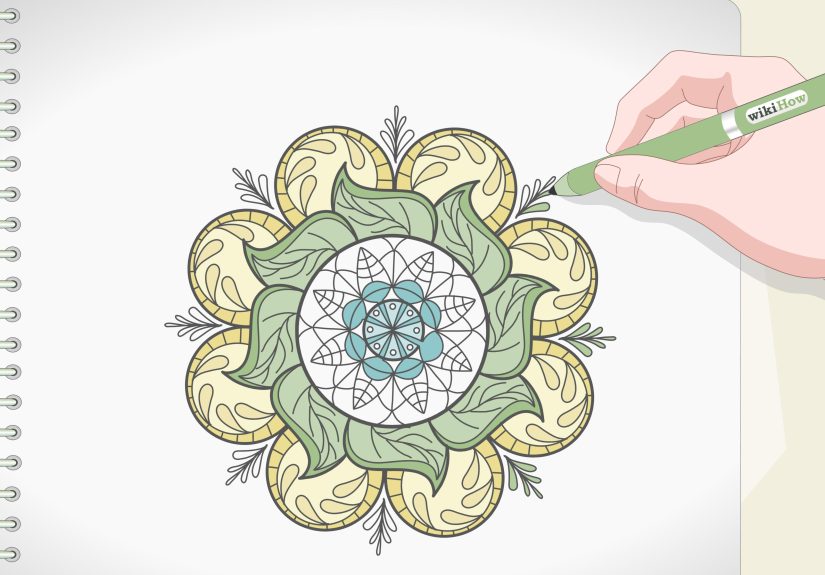
If you have ever looked at a mandala and thought, “That is beautiful, but my ruler and I are not on speaking terms,” good news: mandalas are far more approachable than they look. At heart, a mandala is simply a design built around a center point. From there, lines, shapes, petals, dots, and repeating patterns radiate outward in a way that feels balanced, intentional, and oddly satisfying. It is geometry with a softer side. It is doodling with a promotion.
Learning how to draw a mandala can be a great fit for beginners, hobby artists, journal lovers, and anyone who wants a creative project that feels both structured and relaxing. Some people love the precision of measured circles and clean symmetry. Others prefer a looser, hand-drawn look that feels organic and floral. And if paper is not your thing, digital tools can do some of the heavy lifting while you focus on style, color, and pattern.
In this guide, you will learn three practical ways to draw a mandala: the classic compass-and-grid method, a freehand approach for a more natural look, and a digital method that uses symmetry tools to make the process faster. Along the way, we will cover supplies, beginner tips, common mistakes, and real-world examples of how each method works. By the end, you will have enough confidence to create a mandala that looks intentional, even if your first draft has a few wobbly petals and one dot that seems to have wandered in from another project.
What Is a Mandala, Exactly?
A mandala is a circular design made of repeating shapes and patterns arranged around a central point. The word comes from Sanskrit and is commonly translated as “circle.” Traditionally, mandalas are associated with Hindu and Buddhist visual culture, where they can symbolize the universe, spiritual balance, and the relationship between inner and outer worlds. Over time, the mandala form has also become popular in art, design, journaling, illustration, and mindfulness practices.
In practical terms, a mandala works because repetition creates rhythm, and symmetry creates harmony. Your eye knows where to go. Your hand settles into a pattern. Even when the design becomes intricate, the logic is simple: start in the middle, build outward, and repeat shapes consistently. Think of it as visual choreography. One petal leads to another, one ring suggests the next, and suddenly you have spent 45 minutes drawing tiny scallops and wondering why you feel calmer than you did at the start.
Why So Many People Love Drawing Mandalas
Mandalas sit at a sweet spot between creativity and structure. A blank page can feel intimidating, but a mandala gives you a framework. You do not have to invent an entire scene or sketch a perfect face. You just need a center point and a willingness to repeat shapes with a bit of patience. That makes mandala drawing ideal for beginners.
It also helps that the process can feel pleasantly absorbing. Repeating dots, petals, arches, leaves, and lines often pulls your attention into the present moment. You are not trying to solve the world’s problems. You are trying to make eight petals match. Honestly, that can be a lovely break.
From a design perspective, mandalas also teach valuable art skills. You practice spacing, balance, line control, contrast, pattern building, and composition. Even if you never become a full-time mandala enthusiast with twelve fineliners and very strong opinions about dot size, the skills transfer to other kinds of drawing.
Supplies You Need Before You Start
You do not need an art studio or a mystical mountain retreat. For most mandala drawing methods, a few simple tools are enough:
- Pencil: For sketching the base and guidelines.
- Eraser: A kneaded eraser or soft eraser works best.
- Ruler: Helpful for dividing sections evenly.
- Compass or round object: Great for drawing circles.
- Black fineliner or gel pen: Ideal for outlining patterns.
- Paper or sketchbook: Smooth paper keeps line work crisp.
- Colored pencils or markers: Optional, but fun.
- Tablet or drawing app: Useful for the digital method.
If you are a complete beginner, start small. A five-inch mandala is less intimidating than a giant page full of empty possibilities. Smaller also means you will finish sooner, which is excellent for motivation and excellent for your attention span.
Way 1: Draw a Classic Mandala With a Compass and Grid
This is the most traditional beginner-friendly method because it gives you a clear framework. If you like order, symmetry, and the reassuring feeling that math is quietly helping you, this is your method.
Step 1: Find the center
Start by lightly drawing a square or simply marking the center of your page. If you use a square, draw diagonal lines from corner to corner to find the exact middle. That center point becomes the anchor for everything else.
Step 2: Draw concentric circles
Using a compass, draw several circles around the center point. These circles create rings that will hold your design. Space them evenly if you want a cleaner, more formal look. Vary the spacing if you want some rings to hold larger motifs like petals or leaf shapes.
Step 3: Divide the circle into sections
Use a ruler or protractor to divide the design into equal wedges. Eight, twelve, or sixteen sections are popular choices. Light radial lines from the center outward will act like lanes for your patterns. The more sections you create, the more intricate the final mandala can look.
Step 4: Build your design from the center outward
Begin with a simple shape in the middle: a small circle, flower, starburst, or scalloped ring. Then move into the next ring and repeat a new shape in every segment. You might draw pointed petals in one band, dots in the next, teardrops in another, and little arches after that.
The secret is not complexity. The secret is consistency. A simple petal repeated twelve times looks polished. A wildly different symbol in every section looks less like a mandala and more like your sketchbook had a very exciting argument.
Step 5: Ink, shade, and erase
Once you like the pencil layout, go over it with pen. Add contrast by filling some shapes solid black, thickening select outlines, or using dots and short lines for texture. After the ink is dry, erase the pencil guidelines.
Why this method works
The grid method makes symmetry easier, which is why it is so popular for beginners. It gives you guardrails. You still get creative freedom, but you are not inventing the whole page from scratch. This method is especially useful if you want a polished, geometric mandala for framing, tattoo inspiration, surface design, or coloring-page style art.
Way 2: Draw a Freehand Mandala for a Softer, More Organic Look
If the compass-and-grid method feels a little too exact, freehand mandala drawing may be more your speed. This version is great for artists who like a natural, hand-drawn look with floral, botanical, or doodle-inspired details.
Step 1: Start with a loose center
Draw a small circle, flower, or cluster of petals in the middle of the page. Do not aim for perfection. Aim for balance. Your center should feel stable enough to build on, even if every line is not mathematically identical.
Step 2: Add rings of simple motifs
Build outward using shapes that are easy to repeat: petals, leaves, dots, semicircles, tiny diamonds, feathers, loops, or teardrops. Keep each ring focused on one main motif. This creates rhythm and prevents the design from becoming visually chaotic.
Step 3: Use landmarks instead of strict guides
You can lightly place a few dots around the page to help space your design evenly. Some artists like to imagine the page divided into quarters. Others rotate the paper constantly so their hand angle stays comfortable. This is less about measurement and more about visual judgment.
Step 4: Layer details inside larger shapes
Once the main petals or arches are in place, decorate inside them. Add inner lines, tiny dots, miniature petals, or parallel curves. This is where a freehand mandala starts to look richer. Large shapes create structure; small details create personality.
Step 5: Embrace slight imperfection
Freehand mandalas do not need identical shapes to feel beautiful. In fact, a little variation often gives them charm. A hand-drawn floral mandala can feel warmer and more alive than a perfectly measured one. Think handmade ceramic mug, not factory-perfect saucer.
Why this method works
The freehand method is ideal for sketchbook practice, bullet journals, greeting cards, and relaxed creative sessions. It teaches you to trust your eye and develop your own visual style. It is also less tool-dependent. If you have a pen and paper, you can start almost anywhere: at your desk, in a café, on the couch, or while pretending to listen during a long meeting. Use that last option responsibly.
Way 3: Draw a Digital Mandala With Symmetry Tools
Digital mandala drawing is perfect if you love crisp symmetry, easy edits, and color experimentation. Many apps and design programs include radial or mandala symmetry tools that automatically repeat your brushstrokes around a center point. In other words, you draw once and the software does the organized magic.
Step 1: Open a canvas and enable symmetry
Choose a square canvas so the composition feels balanced. Turn on a radial or mandala symmetry feature if your program offers one. Set the number of segments based on the look you want. Fewer segments create bolder shapes; more segments create intricate detail.
Step 2: Sketch broad shapes first
Begin with large petals, arches, or geometric marks. Because the software mirrors each stroke, you can focus on placement rather than manual repetition. This makes it easier to test ideas quickly.
Step 3: Work in layers
Keep separate layers for the base sketch, outlines, decorative details, and color. This gives you more control and makes revisions painless. If one ring looks too busy, you can edit or delete it without destroying the rest of the design.
Step 4: Add color strategically
Digital tools make color experimentation wonderfully low-risk. Try monochrome for a clean graphic look, jewel tones for a traditional feel, or soft gradients for a modern interpretation. You can also use different brushes to mimic ink, watercolor, or marker texture.
Step 5: Refine and export
Zoom in to clean edges, adjust line weight, and balance empty space against detailed sections. Then export the design for printing, social media, stickers, wall art, or future coloring pages.
Why this method works
Digital mandala drawing saves time and encourages experimentation. It is a strong option for designers, illustrators, content creators, and anyone who wants a polished result without redrawing every repeated shape by hand. It also makes it easier to create multiple versions of the same mandala in different colors or styles.
How to Choose the Best Mandala Method for You
The best method depends on your goal:
- Choose the compass-and-grid method if you want symmetry, precision, and a classic geometric look.
- Choose the freehand method if you want a softer, more expressive design and fewer tools.
- Choose the digital method if you want speed, flexibility, and easy editing.
You do not have to commit to one forever. Many artists mix methods. They sketch a structure with a compass, then freehand the details. Or they plan on paper and finish digitally. Mandalas are flexible like that. They are art, not tax law.
Common Beginner Mistakes to Avoid
Making the center too complicated
Start simple. A crowded center can make the whole design feel cramped.
Adding too many different motifs
Pick a few shapes and repeat them. Repetition creates the mandala effect.
Forgetting contrast
If every line has the same weight, the design can look flat. Add dark areas, thicker lines, or empty space for balance.
Pressuring yourself to be perfect
Mandala drawing rewards patience, not panic. Small imperfections often disappear once the full pattern is complete.
Tips to Make Your Mandala Look More Professional
- Practice a page of mini patterns before starting the final piece.
- Repeat one motif in different sizes for cohesion.
- Use negative space so the design can breathe.
- Rotate your paper often for smoother curves.
- Limit your color palette if you want a more elegant result.
- Pause occasionally and look at the design from a distance.
A professional-looking mandala is not necessarily the most detailed one. It is the one with clear rhythm, balanced spacing, and intentional repetition. A few well-placed shapes can outperform an overcrowded masterpiece-in-progress.
Final Thoughts on Drawing a Mandala
If you are learning how to draw a mandala, the biggest takeaway is this: start with a center and let repetition do the rest. Whether you choose a measured geometric layout, a looser freehand style, or a digital symmetry tool, the process becomes easier once you stop thinking of a mandala as one giant complicated image. It is really a collection of small decisions made in rings.
That is also what makes mandala drawing so enjoyable. It gives you room to focus, experiment, and slow down. You can make it spiritual, decorative, playful, meditative, bold, floral, monochrome, colorful, or deeply detailed. There is no single correct look. There is only the version you build, one repeated shape at a time.
So grab a pencil, draw a center point, and begin. Your first mandala does not need to be museum-worthy. It just needs to exist. And once you finish one, do not be surprised if you immediately want to start another. That is how the mandala gets you.
Experiences Beginners Often Have When Learning to Draw a Mandala
The first experience many beginners have with mandala drawing is surprise. They expect it to be difficult, technical, and slightly intimidating. Then they sit down, draw one circle, add a few petals, repeat a couple of dots, and realize the process is not nearly as scary as it looked. The design grows one ring at a time, and that gradual build changes the emotional tone of drawing. Instead of trying to “finish a masterpiece,” people often find themselves focusing on the next tiny step. That shift matters.
Another common experience is the strange mix of concentration and relaxation. Your brain is clearly working because you are making choices about spacing, pattern, and shape repetition. At the same time, the repetitive nature of the work can feel soothing. Many beginners describe losing track of time while filling in a ring of arches or adding dots around a floral border. It is not that the mind goes blank. It is more like the mind finally has one simple, absorbing job and stops trying to juggle everything else for a while.
Frustration also shows up, especially in the early stages. A line may wobble. One petal may be slightly wider than the others. A section may feel too crowded. This is normal. In fact, learning to keep going after a small imperfection is one of the most valuable experiences that mandala drawing can offer. Beginners often discover that what looked like a disaster at ring two becomes nearly invisible by ring six. The full design has a way of absorbing tiny flaws. That can be oddly reassuring, both artistically and otherwise.
Many people also experience a growing sense of confidence. At first, they rely on guides, rulers, and sample patterns. After a while, they begin inventing their own combinations. A basic petal becomes a layered petal. A plain border becomes scallops filled with dots and fine lines. The hand gets steadier. The eye gets better at spotting balance. The artist starts making decisions with less hesitation. That confidence often carries into other creative work, whether that means sketching, journaling, painting, or simply feeling less afraid of the blank page.
There is also a deeply personal side to the experience. Some people draw mandalas because they want a calming hobby. Others use them as visual journaling, creating shapes and colors that reflect mood, season, or energy. A neat black-and-white mandala can feel different from a bright one filled with warm reds, cool blues, or earthy greens. Even when two people follow the same method, their finished pieces rarely look alike. That is part of the appeal. Mandalas are structured, but they still leave room for personality.
In the end, the experience of drawing a mandala is often less about perfection and more about process. It teaches patience, attention, and rhythm. It reminds beginners that detailed art is not always created with dramatic talent or giant leaps. Sometimes it is made with one circle, one petal, one dot, and one decision after another. That is a useful lesson to carry beyond the page.