Table of Contents >> Show >> Hide
- Before You Start: The Polyester Reality Check
- Way 1: Use Dylon Machine Dye on Polyester Blends for an Overall Color Refresh
- Way 2: Use Dylon Hand Dye on Small Polyester-Blend Items for Controlled, Artistic Results
- Way 3: Use Dylon Pre-Dye First, Then Re-Dye a Dark Polyester Blend
- What If Your Item Is 100% Polyester?
- How to Get Better Results with Dylon on Polyester Blends
- Practical Examples
- of Practical Experiences with “3 Ways to Dye Polyester with Dylon”
- Conclusion
Polyester is the stubborn mule of the fabric world. It resists wrinkles, shrugs off moisture, and when you try to dye it with the wrong product, it basically folds its synthetic arms and says, “Absolutely not.” That is why this guide starts with a truth bomb: if your item is 100% polyester, Dylon is usually not the ideal dye. But if you are working with a polyester blend, or you want a softer, heathered, vintage, or intentionally uneven look, Dylon can still be useful in a few smart ways.
So yes, you can still get great results with the right expectations, the right prep, and a willingness to let fabric science have the final word. In this guide, you will learn three realistic ways to dye polyester with Dylon, what works best, what usually flops, and how to avoid turning your favorite shirt into a sad, blotchy life lesson.
Before You Start: The Polyester Reality Check
Let’s keep this simple. Polyester is a synthetic fiber, and synthetic fibers do not absorb standard fabric dye the same way cotton, linen, or viscose do. Dylon is best known for products that work beautifully on natural fibers and some blends. If your garment is a poly-cotton, poly-viscose, or another mixed-fiber fabric, the natural-fiber portion is what will grab most of the color. The polyester portion may stay lighter, resist the dye, or create a marled effect.
That is not always bad news. In fact, many upcyclers love the lived-in texture this creates. A polyester-blend hoodie can become richer and moodier. A faded poly-cotton dress can look refreshed instead of factory-perfect. A blended tablecloth can pick up a subtle new tone instead of a harsh, flat shade. Think of it less like repainting a wall and more like giving a tired fabric a glow-up with personality.
Check These 4 Things First
- Read the care label: Find the fiber content before you do anything dramatic.
- Test a hidden area or swatch: Blends can surprise you, and not always in a fun way.
- Start lighter than you think: Existing color affects the final result.
- Accept variation: With polyester blends, “perfectly uniform” is an ambitious dream.
Way 1: Use Dylon Machine Dye on Polyester Blends for an Overall Color Refresh
This is the easiest and most practical method when your item contains a meaningful amount of natural fiber. If you have a garment labeled something like 65% polyester and 35% cotton, 50/50 poly-cotton, or a soft furnishing with a similar blend, Dylon Machine Dye can refresh the overall appearance.
Notice the wording: refresh, not magically transform. The cotton or viscose portion takes the dye more strongly, while the polyester portion often remains lighter. The final effect can look softer, slightly textured, and more dimensional than a flat factory finish. That is actually part of the charm.
Best Items for This Method
- Poly-cotton T-shirts and sweatshirts
- Blended pillow covers
- Poly-viscose skirts or tops
- Lightly faded blended home textiles
How to Do It
- Wash the item first to remove dirt, oils, and invisible laundry drama.
- Leave it damp.
- Place the damp item in the washing machine drum.
- Add the Dylon Machine Dye pod according to the package directions.
- Run a full cotton cycle.
- Run a second cycle with detergent to remove excess dye.
What Results to Expect
If your garment is off-white or pale to begin with, you may get a lovely medium shade. If it already has color, the new dye will combine with the old one. That navy shirt you hope will turn emerald? It may instead become something in the neighborhood of mysterious swamp professor. Still stylish, just not what was on the mood board.
This method works best when your goal is to deepen, revive, or shift color on a polyester blend rather than force a bright, exact new shade. Dark colors often perform better than pale or delicate shades because they help mask uneven uptake.
Pro Tip
Black, navy, deep green, and dark brown are your safest bets for tired polyester blends. They tend to look richer and hide inconsistencies better than pastel shades, which can expose every little patchy decision the fabric makes.
Way 2: Use Dylon Hand Dye on Small Polyester-Blend Items for Controlled, Artistic Results
If machine dyeing feels too all-in, Dylon Hand Dye gives you more control. This method is especially useful for small polyester-blend items or for projects where a slightly uneven finish looks intentional rather than accidental. Think scarves, socks, cushion covers, trim pieces, or blended garments that you want to dip-dye, ombré, or refresh by hand.
Hand dyeing also lets you babysit the process a bit more closely. You can stir more often, adjust soak time, and decide when the shade looks right. In the glamorous world of fabric dyeing, this is what counts as power.
When Hand Dye Is Better Than Machine Dye
- You are dyeing a smaller item
- You want to create an ombré or dip-dye effect
- You are working with delicate construction details
- You want to observe how the polyester blend reacts in real time
Basic Hand-Dye Process
- Weigh the dry fabric.
- Wash it first and leave it damp.
- Dissolve the dye in warm water as directed.
- Add the correct amount of salt if the product instructions call for it.
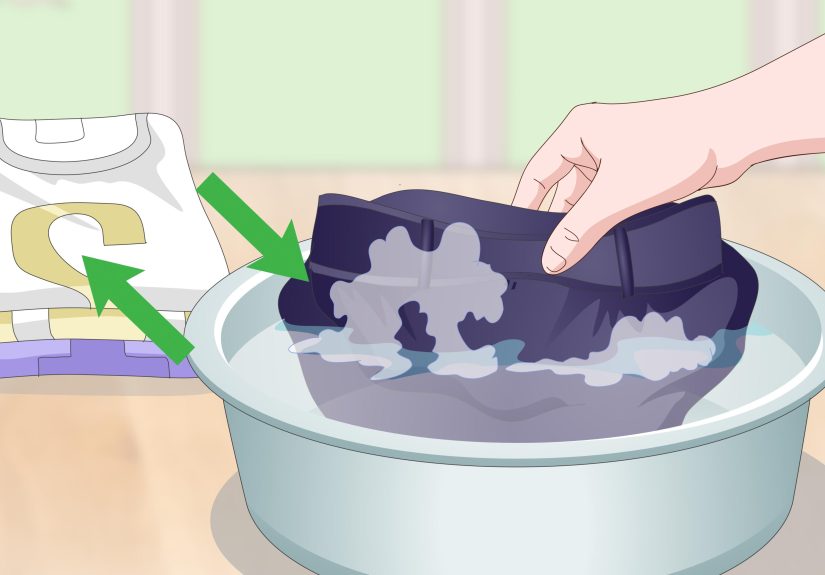
- Submerge the item and stir regularly.
- Rinse in cold water, then wash gently and dry away from harsh heat.
Why This Works Well for Polyester Blends
Because you are watching the process, you can stop before the natural-fiber portion gets too dark while the polyester portion stays pale. That balance matters. On a blend, the secret is not chasing perfect saturation. It is learning when the contrast looks cool.
For example, a 60/40 poly-cotton blouse may take on a soft washed look that feels designer rather than damaged. A dip-dyed hem can look deliberate. A faded throw pillow can gain a richer tone without becoming stiff or overworked. This method gives you room to lean into the blend rather than fight it.
Common Mistakes
- Using water that is too cool
- Not stirring enough, which leads to blotches
- Skipping the pre-wash step
- Expecting the polyester content to match the dyed natural fibers exactly
If you like handmade, slightly organic-looking results, hand dyeing is often the prettiest way to use Dylon on blended polyester fabrics. It is less “department store duplicate” and more “small-batch boutique accidentally nailed it.”
Way 3: Use Dylon Pre-Dye First, Then Re-Dye a Dark Polyester Blend
This third method is for the brave, the hopeful, and the people staring at a dark polyester-blend garment thinking, “You are either becoming stylish or becoming cleaning rags.” If your item is a blend and already a strong color, Dylon Pre-Dye can help strip or lighten it before you add a new shade.
This is especially useful when you want to move from one strong color to another. Maybe that burgundy poly-cotton skirt needs to become black. Maybe those once-trendy plum cushion covers are ready for a darker neutral. Pre-Dye creates a more workable starting point, though it still will not make the polyester portion suddenly behave like cotton.
How the Process Works
- Wash the item and inspect the fiber content.
- Use Dylon Pre-Dye according to instructions to lighten or remove as much color as possible.
- Wash the item again after the Pre-Dye cycle.
- Re-dye the item with Dylon Machine Dye or Hand Dye.
Best Uses for This Method
- Dark polyester-cotton garments
- Previously dyed blended fabrics
- Secondhand clothing with an awful but structurally excellent life story
- Home décor items that need a major color reset
What to Expect
Pre-Dye may lighten the garment unevenly, especially on blends. That sounds scary, but remember that you are re-dyeing afterward. A slightly irregular starting point can still lead to an attractive final result, especially with dark shades. This method is most successful when you treat it as a makeover, not a forensic reconstruction of the original fabric color.
If your item is mostly polyester, though, even Pre-Dye plus Dylon may not get you where you want to go. That is the point where honesty saves both time and disappointment.
What If Your Item Is 100% Polyester?
Here comes the sentence many crafters wish to avoid: if the label says 100% polyester, Dylon is probably not the right answer. At that point, you need a dye designed for synthetics and enough heat for polyester to accept color properly.
Specialty synthetic dyes such as those made for polyester generally require near-simmering or boiling stovetop methods. They are designed for synthetic fibers in a way that standard natural-fiber-focused dyes are not. That does not mean your project is doomed. It just means the product on your shelf and the fiber in your hand are in different relationships with chemistry.
So if your 100% polyester item absolutely must change color, your smartest move is not to argue with the fabric. It is to switch to a polyester-specific dye and follow that product’s heat requirements carefully.
How to Get Better Results with Dylon on Polyester Blends
1. Choose the Right Garment
The best candidates are lighter-colored polyester blends with a good percentage of cotton, viscose, or linen. Avoid heavily water-resistant finishes, stain-resistant coatings, and anything labeled dry clean only unless you enjoy expensive suspense.
2. Use Darker Shades
Darker shades hide uneven absorption better. They also make subtle blend effects look intentional.
3. Stir or Agitate Properly
Movement matters. Dye that sits still creates surprises, and not the birthday kind.
4. Do Not Trust Internet Myths
A random vinegar soak is not a magic wand. Proper dyeing comes from choosing the right dye, following the right method, and rinsing thoroughly afterward.
5. Dry Gently
After dyeing, wash the item as directed and dry it away from direct, aggressive heat or blazing sun if the instructions recommend it. Freshly dyed fabric deserves a little kindness.
Practical Examples
Example 1: A 50/50 poly-cotton sweatshirt. Dylon Machine Dye in navy can refresh a faded grayish sweatshirt and create a soft, slightly heathered finish.
Example 2: A polyester-viscose blouse. Dylon Hand Dye can shift the blouse into a deeper jewel tone, while the polyester content keeps the look slightly muted and textured.
Example 3: Dark blended cushion covers. Using Dylon Pre-Dye first, then overdyeing with charcoal or black, can modernize the color without replacing perfectly good fabric.
of Practical Experiences with “3 Ways to Dye Polyester with Dylon”
One of the most common experiences people have when trying to dye polyester with Dylon is surprise at how much the blend ratio matters. Two shirts can look almost identical on a hanger, but once they hit the dye bath, one turns beautifully rich while the other barely changes. Usually, the difference comes down to fiber content. A shirt with more cotton takes the color with confidence. A shirt with more polyester gives you a faint tint and a strong opinion. That is why experienced home dyers become slightly obsessed with reading labels.
Another real-world lesson is that faded garments often dye better than expected, especially when the goal is not perfection but improvement. A tired hoodie, washed dozens of times, can come out looking intentionally vintage after a Dylon machine cycle. The color may not be perfectly uniform, but that slightly weathered finish can look stylish rather than flawed. In many cases, the result feels less like “I dyed this at home” and more like “I bought this from a small brand that charges too much for minimalist basics.”
Hand dyeing polyester blends also teaches patience very quickly. People often expect the fabric to darken immediately, but blended items can take their sweet time. The temptation is to panic, add more dye, stir wildly, and narrate the situation like a disaster documentary. Usually, the better move is to stay calm, keep the fabric moving, and let the process work. Many of the nicest hand-dyed results come from steady stirring and realistic expectations, not last-minute improvisation powered by caffeine.
There is also the emotional arc of dyeing a dark garment with Pre-Dye first. At some point in the process, the item often looks terrible. Not ruined, just dramatically unattractive. The original color lifts unevenly, the fabric looks confused, and for a few minutes it seems like you have made a terrible life choice in front of your washing machine. Then the overdye happens, and suddenly the piece begins to come together. That awkward middle stage is incredibly common. Experienced dyers know not to judge the project too early.
People who work with polyester blends also notice that seams, thread, trim, and labels may react differently. Sometimes that creates a cool contrast. A hoodie may keep lighter stitching that outlines the shape more clearly. A pillow cover may end up with subtle tonal variation around the zipper or edge piping. Instead of fighting those details, many successful DIY dyers learn to use them as part of the finished design.
Perhaps the biggest experience-based takeaway is this: the most satisfying results come when you stop trying to force polyester to behave like cotton. Once you accept that Dylon works best on the natural-fiber part of a blend, the whole project becomes easier and more enjoyable. You stop chasing impossible precision and start aiming for richness, refreshment, and character. That is often where the best dyed pieces come from. Not from perfect chemistry, but from smart expectations and a little creative nerve.
Conclusion
If you came here hoping for a miracle formula that makes Dylon behave like a polyester-specific dye on 100% polyester, I have to disappoint your inner optimist. But if you came here wanting a realistic, useful, and stylish way to work with polyester blends, then good news: Dylon can absolutely help.
The three smartest approaches are simple. Use Dylon Machine Dye to refresh blended fabrics overall. Use Dylon Hand Dye when you want more control or a creative finish. Use Dylon Pre-Dye first when a dark blended garment needs a reset before its color comeback. Above all, check the label, test a hidden area, and let the fiber content guide your expectations.
In the end, dyeing polyester with Dylon is less about domination and more about negotiation. Treat the fabric honestly, work with the blend, and you can get results that look intentional, fresh, and surprisingly good.