Table of Contents >> Show >> Hide
- Way 1: Grow Dracaena Marginata Indoors in Soil (The “Set It and Forget It” Method)
- Way 2: Grow It Outdoors (Warm Zones or a Summer Patio Vacation)
- Way 3: Grow More Dracaena Marginata by Propagation (The “Copy-Paste Plant” Method)
- Common Problems (and Fixes) So Your Dragon Tree Keeps Growing
- Conclusion: Pick Your “Way” and Grow With Confidence
- Experiences: What Dracaena Owners Commonly Learn the Fun Way (So You Don’t Have To)
Dracaena marginataalso known as the Madagascar dragon treeis the houseplant equivalent of that friend who looks amazing
while doing the absolute least. It tolerates lower light, doesn’t demand daily attention, and still manages to look like a
stylish fountain of spiky leaves. But if you want it to do more than merely “exist” (read: actually grow, stay lush, and stop
crisping at the tips like burnt toast), you’ll get the best results by picking the right growing approach for your home and your habits.
Below are three practical ways to grow Dracaena marginata: the classic soil-in-a-pot method, an outdoor/patio
approach for warm climates or summer vacations, and propagation (because one dragon tree is never enough once you realize how
easy it is to multiply them).
Way 1: Grow Dracaena Marginata Indoors in Soil (The “Set It and Forget It” Method)
This is the most commonand usually the most successfulway to grow a dragon tree. The goal is simple: give it
bright, indirect light, a well-draining potting mix, and a watering routine that avoids turning its roots into soup.
Light: Bright Indirect Is the Sweet Spot
Dracaena marginata is famously tolerant of lower light, but it grows faster and keeps better color in brighter conditions.
Think: near an east- or north-facing window, or a few feet back from a bright south/west window with a sheer curtain.
Too much direct sun can scorch leaves; too little light can slow growth and reduce leaf size.
- Example: If your plant sits in a dim corner and looks “fine” but never gets taller, move it 3–6 feet closer to a bright window for a month and watch for new growth.
- Tip: Rotate the pot a quarter turn every week or two so it doesn’t lean like it’s trying to eavesdrop on your kitchen conversation.
Soil and Pot: Drainage Is Non-Negotiable
Dragon trees like a potting mix that holds some moisture but drains well. A standard indoor potting mix works, but it’s even better
when “lightened” so extra water doesn’t linger around the roots.
- Easy DIY mix: 2 parts quality potting soil + 1 part perlite (or pumice) + a handful of orchid bark (optional).
- Pot choice: Use a container with a drainage hole. If you love decorative pots, keep the plant in a nursery pot and drop that into the pretty one.
- Repotting rule: Go up only 1–2 inches wider than the current pot. Oversized pots stay wet longer and invite root rot.
Watering: Let It Dry a Bit (But Don’t Ghost It)
Overwatering is the #1 way people “love” this plant to death. Dracaena prefers a cycle: water thoroughly, let excess drain,
then wait until the top portion of the soil dries before watering again.
- Stick your finger into the soil 2 inches deep (or use a wooden chopstick).
- If it’s dry at that depth, water until it drains from the bottom.
- Empty the saucer after about 20–30 minutes so the pot doesn’t sit in water.
Real-world example schedule: In a bright room, many homes land around every 7–14 days; in lower light or winter,
it may be every 2–3 weeks. Your calendar is a suggestionyour soil is the truth.
Water Quality: The Secret Behind Those Brown Tips
If your dragon tree gets crispy brown tips even though you’re watering “correctly,” water quality may be the culprit.
Dracaena species can be sensitive to minerals and additives (like fluoride) that build up and stress the leaves.
- Try this: Switch to distilled, rainwater, or filtered water for a month.
- Also helpful: “Flush” the soil every few months by watering heavily so excess salts wash out the drainage hole.
Temperature, Humidity, and Feeding: Keep It Comfortable, Not Fancy
Dracaena marginata generally likes typical indoor temperatures and doesn’t need rainforest humidity to survive. But it does appreciate stability:
avoid cold drafts, heat vents, and sudden temperature swings. Average home humidity is usually fine; extra humidity helps if your air is very dry.
- Feeding: Use a balanced houseplant fertilizer diluted to half-strength about once a month in spring and summer. Skip or reduce in fall/winter.
- Humidity boost (low-effort): A pebble tray or grouping plants can help; a small humidifier works wonders if your air is desert-dry.
Pruning for Growth: Make It Branch (On Purpose)
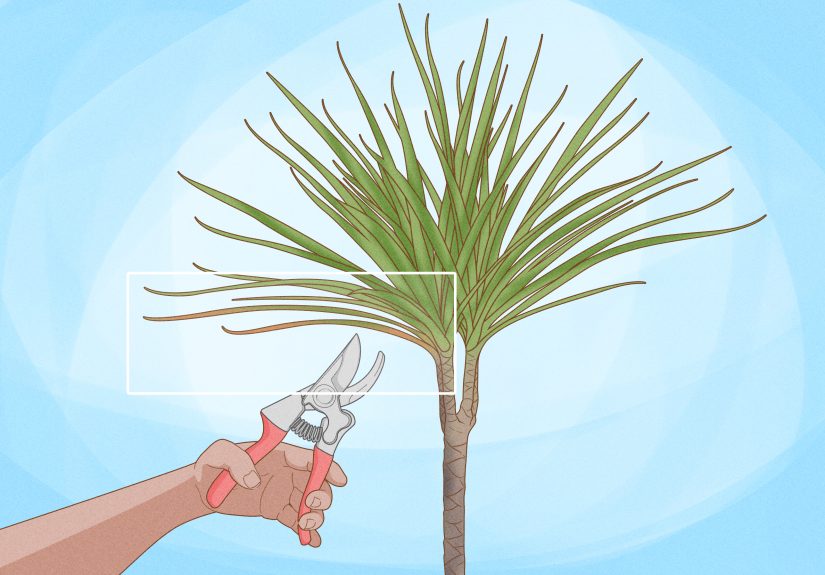
Want a fuller plant instead of a single tall cane that resembles a botanical microphone stand? Pruning encourages branching.
- Choose a spot on the cane where you want new branches to start (often 6–12 inches below the leaf cluster).
- Use clean, sharp pruners and cut straight across the cane.
- New shoots often emerge below the cut, creating a fuller “tree” shape over time.
Way 2: Grow It Outdoors (Warm Zones or a Summer Patio Vacation)
Dracaena marginata can grow outdoors in very warm climates, and it can also spend the summer outside in most parts of the U.S.
if you treat it like a patio guest: introduce it slowly, keep it out of harsh sun, and bring it back inside before temperatures drop.
Outdoor Climate Basics: When It Works
In the U.S., Dracaena marginata is generally considered an outdoor option only in very warm areas (often referenced around the warmest zones),
but many people use it as a seasonal patio plant almost anywhere.
- Patio method: Put it outside after nights stay reliably warm, then bring it back indoors before cool weather returns.
- Temperature tip: If nights are dipping toward the mid-50s°F, it’s time to come inside (dragon trees are tropical, not polar explorers).
Light Outdoors: Dappled Shade Beats Full Blast Sun
Outdoors, the sun is stronger than indoor light. A plant that tolerated a bright window can still burn outside.
Aim for bright shade or dappled lightlike under a covered patio, beneath a tree canopy,
or on a porch that gets gentle morning sun and afternoon shade.
- Hardening off: Start with 3–5 days in shade, then gradually increase light exposure. Sudden sun = crispy leaves.
- Wind factor: Wind dries pots faster. Check soil moisture more often outdoors.
Watering Outdoors: Faster Drying, Same Rules
Outside, your pot will likely dry fasterespecially in heat and wind. The rule stays the same: water thoroughly, then let the upper soil dry
before watering again. Don’t let a summer thunderstorm “auto-water” your plant into soggy soil for a week.
- Example: On a hot patio, you might water weekly; during mild weather, every 10–14 days. Always check the soil first.
Outdoor Styling: Use It Like a Living Sculpture
Dracaena marginata is a design cheat code: it adds height, texture, and a modern vibe in containers.
Pair it with trailing plants (like sweet potato vine) or soft mounding plants (like coleus) for a “thriller, filler, spiller” combo.
Just remember: if you have pets that nibble plants, keep dracaena out of reach because it’s considered toxic to cats and dogs.
Way 3: Grow More Dracaena Marginata by Propagation (The “Copy-Paste Plant” Method)
Propagation is the most satisfying way to “grow” dracaena because you go from one plant to multiple plantswithout paying for new pots of spiky joy.
Dracaena marginata propagates well from stem cuttings (including cane sections) and can also be done with air layering.
Option A: Top Cutting (Fastest Route to a New Plant)
A top cutting is the leafy head you remove when you prune a leggy plant. You can root it in water or soil.
- Cut a healthy top section with at least a few inches of stem.
- Remove leaves from the lower portion so they won’t sit in water or soil.
- Water rooting: Place the stem in a jar with clean water; change water weekly.
- Soil rooting: Dip the cut end in rooting hormone (optional) and insert into moist, well-draining mix. Keep lightly moist, not wet.
- Place in bright, indirect light and be patientroots often form over several weeks.
Pro tip: If you root in water, transition to soil once roots are a few inches long. Use a small pot at first to avoid waterlogged soil.
Option B: Cane Cuttings (Turn One Trunk into Several Plants)
Cane cuttings are the “dragon tree multiplication glitch.” You cut the bare cane (trunk) into sections and root them horizontally or vertically.
Each section has nodes that can sprout roots and new shoots.
- Cut the cane into 3–6 inch sections.
- Mark the top end (so you don’t plant it upside downplants have opinions).
- Plant upright with the top end up, or lay sections horizontally and half-bury them in the mix.
- Keep the medium slightly moist and warm, in bright indirect light.
- New shoots may appear before you see dramatic root growthdon’t panic; it’s normal.
Option C: Air Layering (Best for Tall Canes You Don’t Want to “Chop and Hope”)
Air layering lets you root part of the plant while it’s still attached, then cut below the new roots. It’s slower, but it’s a great method if you
have a tall cane and want a sure thing.
- Choose a spot on the cane below a leaf cluster.
- Make a shallow cut or remove a thin ring of outer bark (follow clean technique).
- Wrap damp sphagnum moss around the wound and cover with plastic wrap to hold moisture.
- When you see roots forming in the moss, cut below the rooted section and pot it up.
Aftercare for New Cuttings: The “Don’t Drown the Baby” Rule
Newly rooted cuttings are more sensitive to overwatering. Keep the mix lightly moist at first, then shift to the normal dracaena routine:
allow the upper soil to dry between waterings. Bright indirect light helps new roots power growth.
Common Problems (and Fixes) So Your Dragon Tree Keeps Growing
Brown Leaf Tips
- Most common causes: mineral buildup/fluoride, low humidity, underwatering, or fertilizer salts.
- Fix: switch to distilled/filtered water, flush the soil periodically, and trim tips with clean scissors (follow the leaf’s natural shape).
Yellowing Leaves
- Most common cause: overwatering or poor drainage.
- Fix: let soil dry more between waterings, verify drainage holes, and consider repotting into a better-draining mix.
Slow Growth
- Most common cause: low light or winter slowdown.
- Fix: move to brighter indirect light, rotate for even exposure, and feed lightly only during active growing months.
Pests (Spider Mites, Mealybugs, Scale)
- Clues: sticky residue, cottony clumps, tiny webbing, or speckled leaves.
- Fix: isolate the plant, wipe leaves, and treat with insecticidal soap or horticultural oil as needed.
Conclusion: Pick Your “Way” and Grow With Confidence
If you want the simplest path, grow Dracaena marginata indoors in a well-draining pot and treat watering like a thoughtful decision, not a reflex.
If you’ve got warm weather (or a summer patio), give it an outdoor vacation in bright shadejust ease it into the light and bring it back before it gets chilly.
And if you want more plants for free, propagation is your best friend: top cuttings for quick wins, cane cuttings for maximum multiplication,
and air layering when you want roots before you commit to the chop.
However you grow it, remember the dragon tree’s motto: “Bright, indirect light. Drainage. And pleaseno swamp.”
Experiences: What Dracaena Owners Commonly Learn the Fun Way (So You Don’t Have To)
The internet is full of pristine care guides, but real homes come with real complications: heat vents that blast like jet engines,
watering habits that swing between “I’m a responsible plant parent” and “Oh no, was that last month?”, and pets who think greenery is a salad bar.
Here are a few experiences and patterns that many dracaena marginata owners commonly reportplus what tends to work in practice.
1) The “It Survived the Corner… But It Didn’t Grow” Phase
A lot of people place a dragon tree in a low-light corner because it doesn’t immediately complain. That’s part of its charmand the trap.
In low light, it often shifts into a slow-motion lifestyle: fewer new leaves, smaller growth, and a gradual lean toward any nearby light source
like it’s trying to read the room (literally).
What usually helps is a simple relocation experiment: move the plant to brighter indirect light for 3–4 weeks and watch the new growth.
Many growers notice the newest leaves emerge a bit longer and more colorful, and the plant stands straighter. If you’re worried about burning,
keep it out of direct sun and introduce brightness graduallyespecially if it’s been living in the shadows for months.
2) The Brown-Tip Mystery (a.k.a. “But I Watered Correctly!”)
Brown tips can feel personal, like the plant is judging you. In reality, it’s usually a mix of water quality, salt buildup, and dry indoor air.
In many households, the biggest “aha” moment is switching to filtered or distilled water. People often report that new leaves come in cleaner,
while old tip damage stays (because leaves don’t reverse timeif they did, we’d all have better haircuts from middle school).
Another surprisingly helpful habit is soil flushing every couple of months. If you fertilize or have mineral-heavy tap water, salts can build up,
and flushing helps reset the root zone. Combine that with a modest humidity boost in winter (even just moving it away from a heat vent), and
many owners see fewer new brown tips.
3) The Overwatering Loop (and How People Break It)
Overwatering usually happens for wholesome reasons: you want to help. But dracaenas hate soggy roots. A common experience is the “yellow leaf panic,”
followed by more watering (because yellow looks thirsty), followed by more yellow. The pattern often stops when growers switch from a calendar schedule
to a soil-check routine.
One practical trick people love is using a wooden skewer or chopstick as a moisture probe. If it comes out damp with soil clinging to it,
they wait. If it comes out mostly dry, they water. It’s low-tech, cheap, and weirdly satisfyinglike a plant-parent lie detector test.
4) The “Chop Day” That Turns Into a Confidence Boost
Many dracaena owners hesitate to prune because cutting a perfectly good cane feels dramatic. But once they do it (with clean tools and a plan),
they often report the plant responds with new shoots below the cut, creating a fuller shape. That momentwhen fresh growth appearstends to convert
people into confident pruners for life.
The most common lesson: don’t prune right before a low-light winter slump if you can avoid it. People typically get faster results in spring and summer
when the plant is naturally in growth mode.
5) Propagation Wins (and the Two Mistakes People Repeat)
Propagation is where dragon trees become addictive. Owners often start with a top cutting rooted in water because it feels safe:
you can see roots. The two repeat mistakes are (1) letting water get cloudy for too long, and (2) moving a water-rooted cutting into a big pot of soil.
The fixes are simple: change water weekly, and pot up into a small container with a well-draining mix once roots are a few inches long.
Cane cuttings bring the most joy per inch of trunk. People love watching “bare sticks” suddenly sprout. The patience lesson is real, though:
some sections pop quickly, others take longer. Many growers find that warmth, bright indirect light, and lightly moist (not wet) media
make the process smoother.
Bottom line: Dracaena marginata is forgiving, but it grows best when you match your method to your lifestyle. If you’re a “hands-off” person,
the indoor soil method with careful watering is your lane. If you love seasonal decorating, patio growing gives you a statement plant all summer.
And if you like plant science experiments, propagation turns one dragon tree into a tiny forestwith bragging rights.