Table of Contents >> Show >> Hide
- Why Cat Mats Happen in the First Place
- Way #1: Gently Work Out Small, Loose Mats at Home
- Way #2: Use Clippers or Professional Help for Tight Mats
- Way #3: Prevent Future Mats With a Better Grooming Routine
- Bonus Tips for Handling a Matted Coat Without Making Things Worse
- When to Call the Vet Instead of the Groomer
- Real-World Experiences: What Cat Owners Often Learn the Hard Way
- Conclusion
Cat mats have a sneaky way of showing up like uninvited party guests. One day your cat feels like a fluffy cloud, and the next day there is a dense little knot hiding behind an ear, under an armpit, or near the back legs like it pays rent. If you share your home with a long-haired cat, a senior cat, or a cat who has recently decided that personal grooming is beneath them, matting can become a regular headache.
The good news is that matted fur is manageable. The less-fun news is that you have to handle it the right way. Tugging, yanking, or going after a tight mat with household scissors is how a small grooming problem becomes a painful one. A matted coat can also be more than a beauty issue. In some cats, it can point to discomfort, limited mobility, weight gain, aging, or illness.
Below are three smart, cat-friendly ways to handle matting in your cat’s coat, plus prevention tips, warning signs, and real-world grooming lessons that can save both your sanity and your forearms.
Why Cat Mats Happen in the First Place
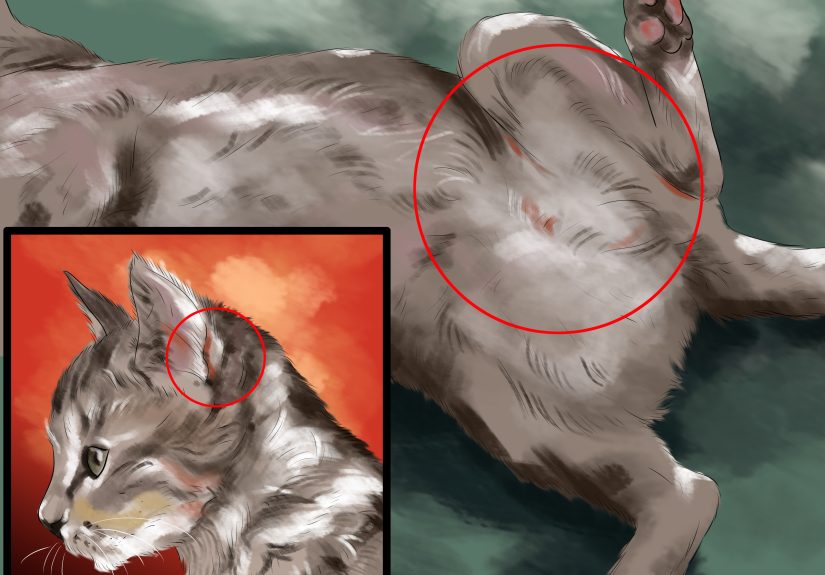
Matting happens when loose hair, dirt, dander, skin oils, and shed undercoat get tangled together and tighten over time. Long-haired cats are obvious members of the Mat Club, but short-haired cats are not automatically safe. If a cat is overweight, arthritic, stressed, recovering from illness, or simply not grooming well, even a shorter coat can develop mats.
Common trouble spots include:
- Behind the ears
- Under the collar area
- Armpits
- Chest
- Back legs
- Lower back and hips
- Around the rear end
A small tangle can stay small for about five minutes in cat time. After that, it starts collecting more loose fur and turns into a compact clump. Left alone, mats can pull on the skin, trap moisture and debris, make movement uncomfortable, and hide irritation underneath. In severe cases, the coat can become pelted, meaning the fur forms a tight layer over larger parts of the body.
Way #1: Gently Work Out Small, Loose Mats at Home
If the mat is small, soft, and not tightly stuck to the skin, you may be able to handle it at home. This is the best-case scenario. Think of it as a grooming inconvenience, not a full-scale rescue mission.
What you need
- A calm room
- Treats your cat considers legally binding
- A metal comb or cat-safe dematting comb
- A soft brush or slicker brush appropriate for your cat’s coat
- Patience, which sadly is not sold in pet stores
How to do it safely
Start when your cat is relaxed, not when they are sprinting through the hallway at midnight with zoomies. Use your fingers first to gently separate the outer edges of the mat. Hold the fur close to the skin so you are not pulling directly on your cat’s body. Then use a comb to work from the tip of the mat outward in tiny motions. Do not start at the base and bulldoze your way through like you are detangling Christmas lights.
Keep sessions short. A few minutes is often enough. Reward your cat after every small success. If your cat starts flicking the tail, pinning the ears back, growling, twisting away, or giving you that deeply offended stare, stop for the day. A grooming victory is still a victory even if it only lasts three minutes.
When this method works best
This approach is best for:
- Fresh mats that are still loose
- Small tangles in low-sensitivity areas
- Cats who tolerate brushing reasonably well
- Routine maintenance before a little knot becomes a big problem
What not to do
Do not yank. Do not rip. Do not “just get it over with.” A mat pulls on skin much more than it looks like it should, and cats remember unfair treatment with impressive accuracy. If the knot does not loosen fairly quickly, move on to a safer plan.
Way #2: Use Clippers or Professional Help for Tight Mats
This is the part that matters most: tight mats should not be cut out with scissors. Not kitchen scissors, not craft scissors, not the tiny ones from the junk drawer that somehow survive every cleanup. Mats sit close to the skin, and cat skin is thinner and easier to injure than many people realize. One sudden wiggle can turn a grooming attempt into a painful cut and an emergency vet visit.
When a mat is too much for home grooming
You should skip the DIY heroics and call a professional groomer or veterinarian when:
- The mat is tight to the skin
- The coat is pelted or badly tangled in multiple places
- Your cat cries, flinches, or resists being touched
- You smell odor or see redness, moisture, or sores underneath
- The mat is near the anus, genitals, belly, or armpits
- Your cat is elderly, overweight, anxious, or hard to handle
Can clippers help at home?
Sometimes, yes. But only if you have experience using pet clippers, your cat is calm, and the mat can be removed without nicking the skin. Clippers can also heat up during use, which means you need to monitor the blade carefully. For many owners, the safer choice is still professional grooming. There is no shame in outsourcing a job that involves sharp tools and a judgmental animal with claws.
Why professional removal is often the smartest move
A groomer or veterinarian can clip mats away more safely, assess the skin underneath, and tell you whether the coat problem is really a health problem in disguise. In severe cases, sedation may be needed so the cat can be clipped without pain and panic. That may sound dramatic, but it is far kinder than forcing a frightened cat through a painful grooming battle.
If your cat suddenly develops extensive matting, especially on the back, hips, or around the rear, do not just assume the coat got lazy. Cats often stop grooming well when they are painful, stiff, overweight, or unwell. Matting can be a clue, not just a cosmetic nuisance.
Way #3: Prevent Future Mats With a Better Grooming Routine
The best way to handle mats is to stop them before they start building a zip code. Prevention is easier, faster, cheaper, and much less likely to end with you wearing a scratch across your wrist like a tiny regret bracelet.
Match the routine to your cat’s coat
Not every cat needs the same schedule. In general:
- Long-haired cats often need daily brushing or combing
- Medium-haired cats usually need regular weekly maintenance
- Short-haired cats may need less frequent brushing, but still benefit from it
The goal is not to turn your cat into a salon influencer. The goal is to remove loose fur, catch tangles early, spread natural skin oils, reduce shedding, and notice skin problems before they become bigger issues.
Use the right tools
A grooming glove may be fine for loose hair, but it will not solve serious tangles. Cats with coats prone to matting often do better with a comb, long-toothed brush, or slicker brush used gently and correctly. The right tool depends on hair length, coat texture, and how much undercoat your cat has.
Keep sessions low-stress
Many cats tolerate grooming better when it feels predictable. Brush at the same time of day, keep sessions short, talk softly, and use treats generously. Start in easier areas like the shoulders or back before moving to sensitive spots. If your cat hates brushing, build tolerance slowly. Winning one peaceful minute today is how you earn five calm minutes next week.
Look for hidden causes of matting
If your cat’s coat is suddenly greasy, clumpy, or matted, ask why. Some common possibilities include:
- Arthritis or stiffness that makes twisting hard
- Obesity that limits reach
- Dental pain or general illness
- Aging and reduced self-grooming
- Stress or behavior changes
- Skin problems or parasites
A brushing routine helps, but it is not a substitute for veterinary care when your cat seems uncomfortable, less mobile, or “not quite right.” A messy coat can be one of the first visible clues that something is off.
Bonus Tips for Handling a Matted Coat Without Making Things Worse
Check your cat during cuddle time
You do not need a formal grooming appointment every time. Run your hands over your cat during petting sessions. Early mats are often easier to feel than to see.
Do not let a collar hide trouble
Fur under and around the collar can tangle fast. Check that area regularly, especially in long-haired cats.
Pay extra attention to senior cats
Older cats often need more grooming help than they used to. A cat who once maintained a flawless coat may eventually need assistance around the hips, back, and rear.
Be realistic about bathing
Bathing can be helpful in some situations, but it is not a miracle fix for a tight mat. If your cat is already tangled, handle the mats first or get professional advice rather than assuming water will solve the problem.
When to Call the Vet Instead of the Groomer
A groomer is great for coat maintenance. A veterinarian is the better first call when the matting comes with signs of pain or illness. Book a vet visit if your cat has any of the following:
- Sudden decrease in grooming
- Difficulty jumping or climbing
- Bad odor from the coat or skin
- Redness, wounds, or discharge under mats
- Weight loss, poor appetite, or behavior changes
- Severe matting in a cat who used to stay clean
Sometimes the coat is telling the story before the rest of the cat does.
Real-World Experiences: What Cat Owners Often Learn the Hard Way
Ask enough cat owners about matted fur and you start hearing the same confession in different forms: “I thought it was just one little knot.” That is usually how the story begins. A tiny tangle behind the ear or under the front leg seems harmless, so it gets ignored for a week. Then the week turns into two, and suddenly the “little knot” has become a thick felted patch that seems personally offended by every comb on earth.
One of the most common experiences is discovering that the problem is bigger than it looked. A cat may appear perfectly fluffy from above, but when you part the coat underneath, you find several hidden mats clustered together like they planned this. Long-haired cats are especially talented at hiding trouble under a beautiful top layer. Owners often realize too late that the cat was not being fussy during petting. The cat was avoiding pressure on sore skin.
Another common lesson is that mood matters. People often try grooming when they finally have a free moment, which somehow always coincides with the cat’s strong desire to do literally anything else. A rushed session usually ends badly. The comb gets one good pass, the cat spins like a furry tornado, and now everyone in the room has trust issues. By contrast, owners who switch to short daily sessions often report that grooming gets dramatically easier. Two calm minutes after dinner can do more good than one chaotic half-hour on Saturday.
Senior cats teach another important lesson: matting is not always a grooming problem. Sometimes it is a mobility problem. Many owners first notice mats over the lower back or near the hips, then later learn their cat has arthritis or stiffness. The cat did not become sloppy. The cat became uncomfortable. That realization changes the entire approach. Instead of scolding the coat, owners start helping the cat with brushing, softer bedding, easier litter box access, and a veterinary checkup.
Owners of overweight cats often notice a similar pattern. The rear end and back can become harder for the cat to reach, so mats start forming in places that were once spotless. In these cases, brushing helps, but so does looking at the bigger picture: diet, mobility, comfort, and regular wellness care.
Then there is the big emotional lesson every cat person eventually learns: professional grooming is not failure. Plenty of owners waste time feeling guilty before admitting that a severely matted coat needs expert help. But the smartest decision is often the kindest one. A professional can remove painful mats more safely, faster, and with less drama than most people can manage at home.
And perhaps the funniest shared experience of all is this: the same cat who acts deeply betrayed during a five-minute brushing session will often strut away afterward looking lighter, more comfortable, and suspiciously pleased with the results. They may never thank you. They are cats. But the improved mood, easier movement, and smoother coat speak for themselves.
Conclusion
Handling matting in your cat’s coat comes down to three practical steps: gently work out small loose mats at home, bring in clippers or professional help for tight or widespread mats, and build a routine that prevents the problem from coming back. The biggest mistake is waiting too long or reaching for scissors too fast. A matted coat can hurt, and sometimes it can signal that your cat needs more than a brush.
If you stay observant, use the right tools, and keep grooming low-stress, you can protect your cat’s coat and comfort at the same time. In other words, fewer mats, less drama, and a much lower chance of being judged by a fluffy roommate with excellent memory.