Table of Contents >> Show >> Hide
- Before You Try Anything: Confirm You Have Permission
- Way 1: Recover the Combination Through the Manufacturer
- Way 2: Use Authorized Records, Receipts, and Facility Support
- Way 3: Call a Qualified Locksmith or Replace the Lock With Permission
- What Not to Do When You Forgot a Combination Lock Code
- How to Prevent Combination Lock Problems in the Future
- Real-Life Experience: What Forgotten Combination Locks Teach You
- Conclusion
Note: This guide is for people who own the lock, have permission to access it, or are responsible for the property secured by it. It does not explain bypass tricks, forced-entry methods, or techniques for opening someone else’s lock. The goal is simple: get you back into your own locker, suitcase, safe, or storage box without turning a small inconvenience into a very expensive lesson.
Forgetting a combination lock code feels like being defeated by three tiny wheels and a smug metal shackle. One minute you are a capable adult with responsibilities, snacks, and possibly a gym bag. The next minute, you are staring at a lock like it just asked you to solve a riddle in an ancient temple.
The good news is that there are legitimate ways to open a combination lock without remembering the code. The not-so-good news is that most “quick hacks” online are either unsafe, unreliable, damaging, or legally questionable. If the lock protects something that belongs to you, the smartest route is to recover the code, reset it properly, or get help from someone qualified.
Below are three responsible ways to regain access when you forgot a combination lock code, plus practical advice on what to avoid, what information to gather, and how to prevent the same problem from happening again.
Before You Try Anything: Confirm You Have Permission
Before opening any combination lock without a code, stop and ask one boring but important question: Am I allowed to open this? If it is your suitcase, school locker, gym lock, bike lock, safe, storage unit, or toolbox, great. If it belongs to someone else, do not touch it without clear permission.
This matters for legal reasons, but also for practical ones. Manufacturers, schools, gyms, storage facilities, and locksmiths may ask for proof of ownership or authorization before helping. That is not them being dramatic. That is basic security doing its job.
Way 1: Recover the Combination Through the Manufacturer
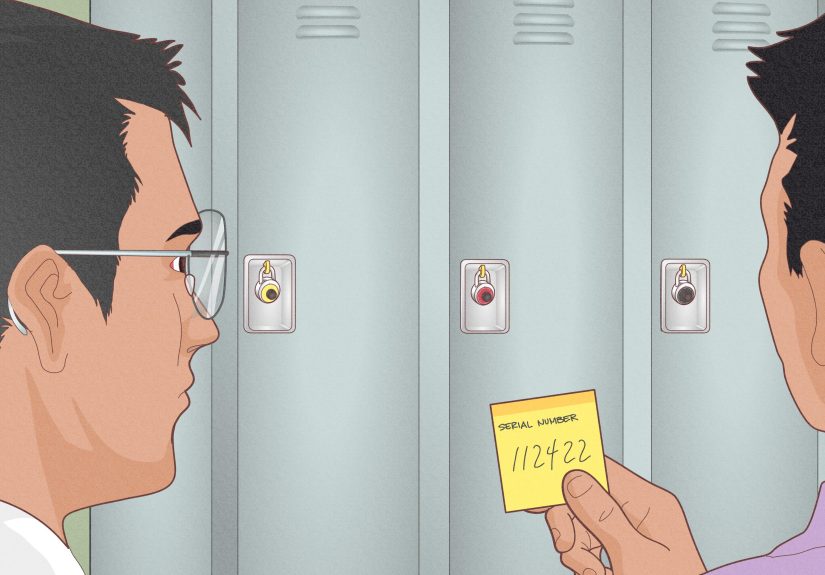
The safest and cleanest way to open a combination lock without a code is to recover the code from the company that made it. This works best for locks with a serial number, registered products, safes, and some older combination padlocks.
When Manufacturer Recovery Works Best
Manufacturer recovery is most useful when the lock is still intact, the brand is visible, and you can prove that the lock or secured item belongs to you. For example, some padlock makers offer lost-combination support when you provide a serial number and documentation. Safe manufacturers may also offer combination retrieval or replacement-key services for registered owners.
This method is not instant. Depending on the brand and product, you may need to fill out a request form, provide identification, submit proof of ownership, or wait for customer support to verify the details. Yes, waiting is annoying. But it is still better than destroying a perfectly usable lock because you panicked after trying your birthday, your dog’s birthday, and “000” for the seventh time.
What Information to Gather
Before contacting the manufacturer, collect as much information as possible:
- Brand name printed on the lock or safe
- Model number, if visible
- Serial number, if available
- Purchase receipt or order confirmation
- Photos of the lock and the secured item
- Proof that you own or are authorized to access the item
For a school locker, gym locker, or workplace cabinet, you may not need the manufacturer at all. The facility manager may have a record of assigned locks or a formal process for removing and replacing forgotten-code locks.
Important Limitation: Resetting Usually Requires the Lock to Be Open
Many resettable combination locks can only be reset after they are already open or already set to the current combination. This is common with luggage locks, gym locks, and multi-dial padlocks. In other words, the reset button is not a magical “forgetfulness forgiveness” button. It is designed to let the owner change the code after access is already confirmed.
If your lock is open but you forgot the code, do not close it again. That is the locksmith equivalent of deleting your homework right before submitting it. While the lock is open, follow the official reset instructions for your model and create a new combination you can store securely.
Way 2: Use Authorized Records, Receipts, and Facility Support
Not every combination lock problem requires a locksmith. Sometimes the answer is sitting in an email inbox, a school office, a gym front desk, or the tiny instruction card you almost threw away because it looked “unimportant.” Spoiler: it was important.
Check Your Own Records First
Start with the places where you might have saved the code. Search your phone notes, password manager, email, photos, cloud storage, or old text messages. Many people take a picture of the original combination card when they buy a lock, then forget they did it.
Try searching for terms like “lock,” “locker,” “combination,” “safe,” “luggage,” “Master Lock,” “TSA lock,” or the brand name. If you bought the lock online, the order confirmation may include the model, which can help you find the correct support page or manual.
Ask the Facility That Issued the Lock
If the lock came from a school, gym, office, storage facility, hotel, or club, contact the staff. Many facilities keep lock assignment records or have a standard process for forgotten combinations. They may ask for ID, membership details, locker number, or proof that the locker is assigned to you.
This is especially helpful for school lockers and gym lockers. Staff may be able to verify your assignment and help you regain access without damaging the lock. It is faster, safer, and much less awkward than standing in a hallway whispering motivational quotes at a stubborn dial.
Look for Product Manuals and Official Instructions
If you still have the packaging or manual, check it carefully. Many combination locks include instructions for changing the combination, registering the product, or contacting support. For luggage locks, brand-specific reset instructions may vary. The correct process depends on the model, and guessing can make things worse.
Do not follow random advice that tells you to pry, force, or manipulate the lock. Aside from the obvious security concerns, those methods can damage the lock, the zipper pull, the locker door, or whatever the lock is attached to. A ten-dollar lock can quickly become a hundred-dollar repair.
Way 3: Call a Qualified Locksmith or Replace the Lock With Permission
If manufacturer recovery is unavailable and no records exist, the next responsible option is professional help. A qualified locksmith can evaluate the lock, verify authorization, and recommend the least damaging solution.
When to Call a Locksmith
Call a locksmith when the lock protects something valuable, when the lock is attached to property you cannot damage, or when the secured item is important enough that guessing is no longer cute. This may include safes, business cabinets, storage units, luggage containing travel documents, or locks attached to expensive equipment.
A legitimate locksmith should ask questions, provide identification, explain pricing, and confirm that you are authorized to access the property. That verification protects everyone. If someone offers to open anything immediately with no proof, no paperwork, and no clear price, consider that a red flag with a blinking neon border.
How to Avoid Locksmith Scams
Locksmith scams are a real problem, especially during emergencies. Be cautious of extremely low advertised prices, vague company names, call centers pretending to be local, or technicians who immediately insist that destructive work is the only option. Before agreeing to service, ask for the business name, license information where applicable, written estimate, service fee, and total expected cost.
Check reviews, business listings, and professional associations. In some places, locksmiths must be licensed. In others, licensing rules vary. Either way, a reputable locksmith should be willing to explain who they are, what they are doing, and what it will cost before work begins.
When Replacement Makes More Sense
For low-cost personal locks, replacement may be cheaper than recovery. If the lock is yours and it is not attached to anything delicate, you may decide to replace it through proper channels. For a gym, school, storage facility, or workplace lock, ask staff before removing or replacing anything. They may have rules, fees, or approved procedures.
For safes, cabinets, or luggage, do not rush into destructive replacement. A professional may be able to preserve the item, recover access, and help you reset the lock afterward. The goal is not just to open the lock. The goal is to open it without creating a new problem wearing a tiny metal hat.
What Not to Do When You Forgot a Combination Lock Code
When frustration kicks in, bad ideas start looking weirdly reasonable. Resist them.
Do Not Try Random Internet Bypass Methods
Many online posts promise fast ways to open combination locks without a code. Some are unreliable, some are unsafe, and some may cross legal lines if used on property that is not yours. Even when the lock is yours, bypass attempts can damage the mechanism and make legitimate recovery harder.
Do Not Force the Lock
Forcing a lock can damage the item it protects. A jammed suitcase zipper, bent locker hasp, or broken safe handle can cost more than the lock itself. If you are dealing with a safe, business asset, school property, or rented storage space, forced damage may also create liability.
Do Not Keep Guessing Forever
Trying a few likely combinations is normal. Spending three hours spinning dials like you are auditioning for a spy movie is not a plan. If you cannot find the code in your records, contact the manufacturer, facility, or a locksmith.
How to Prevent Combination Lock Problems in the Future
The best time to save a combination is before you forget it. The second-best time is immediately after reading this sentence.
Use a Password Manager
A password manager is one of the easiest places to store lock combinations. Create an entry for each lock, include the brand and model, and note where the lock is used. For example: “Black gym lock, locker 214, code stored.” Avoid labeling the entry in a way that would help a stranger if your phone were unlocked.
Keep Proof of Ownership
Save receipts, registration emails, manuals, and product photos. If the lock has a serial number, record it somewhere safe. For safes, keep purchase documents separate from the safe itself. Storing the only recovery documents inside the locked safe is a classic comedy setup, except nobody laughs when it happens.
Use Memorable but Not Obvious Codes
Do not use “000,” “123,” your birth year, or anything printed on your luggage tag. Choose a code you can remember but others cannot easily guess. A meaningful number transformed in a private way is better than an obvious one.
Review Old Locks Before Travel or Moving Day
Test luggage locks before a trip, storage locks before moving day, and gym locks before you actually need them. A forgotten code is annoying on a normal afternoon. At an airport, in the rain, or five minutes before practice, it becomes a tiny metal villain.
Real-Life Experience: What Forgotten Combination Locks Teach You
Anyone who has forgotten a combination lock code knows the emotional journey. First comes confidence. “I know this code.” Then comes mild doubt. “Wait, was it 27-14-38 or 27-41-38?” Then comes bargaining. “Maybe I used my old phone PIN.” Finally, there is the silent stare of defeat, where you and the lock simply exist together in mutual disappointment.
One common experience happens with gym lockers. People buy a lock, use it for months, and rely entirely on muscle memory. Then they skip the gym for a few weeks, return with heroic fitness intentions, and discover their fingers have resigned from memory duty. The lock is still there. The sneakers are still inside. The code, however, has moved to another dimension.
In that situation, the best move is not panic. Start with your records. Check your phone notes and old photos. If the gym issued the lock, ask the front desk. If you brought the lock yourself, ask about their policy before removing it. Many gyms have a process for abandoned or inaccessible lockers, but they usually need to verify that the locker is yours.
Luggage locks create a different kind of drama. People often reset a suitcase lock right before a trip, choosing a code that feels unforgettable in the moment. Three months later, the suitcase comes out of the closet, the code is gone, and the vacation mood takes a small tumble. If the suitcase is open, pause immediately and reset the lock using the official instructions for that model. If it is closed, check the brand’s support page or contact customer service before trying anything risky.
Safes are the most serious version of the problem. A forgotten safe combination may involve documents, jewelry, cash, passports, or family items. This is where patience matters. Gather the model number, serial number, proof of purchase, and identification. Contact the manufacturer or a safe-qualified locksmith. Do not treat a safe like a stubborn lunchbox. The wrong approach can permanently damage the lock or contents.
Another lesson is that “temporary” storage often becomes permanent. You place a lock on a toolbox, storage bin, cabinet, or gate and think, “I’ll remember this.” That sentence has betrayed millions of people. Future-you is busy, distracted, and probably holding coffee. Help future-you by storing the code somewhere secure and boring.
The best experience-based rule is this: every lock needs a recovery plan. That does not mean writing the code on a sticky note and attaching it to the lock like a gift tag for thieves. It means keeping the code in a password manager, saving the receipt, registering the product if the manufacturer offers registration, and recording the lock’s purpose.
Forgotten combination locks are frustrating, but they are also fixable. The calm path is almost always the same: verify ownership, gather information, use official support, ask the facility if applicable, and call a qualified locksmith when needed. That approach may not feel as dramatic as a movie scene, but it protects your property, your wallet, and your dignity.
Conclusion
Opening a combination lock without a code should never mean sneaking, forcing, or guessing your way into trouble. If the lock is yours, the safest options are to recover the combination through the manufacturer, search authorized records or facility support, or hire a verified locksmith. These methods may require a little patience, but they reduce damage, protect security, and keep the process legal.
The next time you buy a combination lock, treat the code like a tiny password. Store it securely, save the product details, and test the lock before an important trip, move, or gym day. A lock should protect your stuff, not become the final boss of your afternoon.