Table of Contents >> Show >> Hide
- Quick Snapshot: The 3 Ways (So You Can Pretend You’re Organized)
- Way #1: Watch Behavior and Routine Like a Reality Show Producer
- Way #2: Do a 60-Second Head-to-Tail Hamster Health Check
- Way #3: Track “Meals, Mess, Mass” (Food/Water, Poop/Pee, Weight)
- When to Call a Vet Immediately (Red Flags You Don’t Want to Ignore)
- How to Prepare for a Vet Visit (So You’re Not Googling in the Parking Lot)
- Bonus Prevention Habits That Make Illness Easier to Spot
- Owner Experience Roundup: of “I Learned This the Hard Way” Energy
- Experience #1: “My Hamster Was Just Sleeping More… Until They Weren’t”
- Experience #2: “The Water Bottle Betrayal”
- Experience #3: “It Started With a Messy Butt (Yes, We’re Going There)”
- Experience #4: “The Drafty Cage Location Nobody Suspected”
- Experience #5: “The ‘It’s Probably Fine’ Lump That Wasn’t”
- Conclusion: Your 3-Step Hamster Health Radar
- SEO Tags
Hamsters are tiny, adorable, andlet’s be honestprofessional undercover agents. As prey animals, they’re wired to hide weakness,
which means “my hamster seems a little off” can turn into “why is my hamster suddenly REALLY off?” faster than you can say
“who moved my sunflower seeds?”
The good news: you don’t need a veterinary degree or a hamster-sized stethoscope to catch early warning signs. You just need a
consistent routine, a sharp eye, and the willingness to investigate three big clue categories: behavior,
body, and bathroom business. This guide breaks it down into three practical ways to spot illness
in hamstersplus a bonus “owner experience” section at the end to help you avoid the most common “I wish I’d noticed sooner” moments.
Quick Snapshot: The 3 Ways (So You Can Pretend You’re Organized)
- Way #1: Watch behavior and routine changes (activity, posture, breathing, grooming).
- Way #2: Do a 60-second head-to-tail check (eyes, nose, teeth, coat, skin, belly, tail area, feet).
- Way #3: Track “Meals, Mess, Mass” (food/water, poop/pee, and body weight).
Important note: This article is for spotting signs early, not for diagnosing or treating at home. If you see serious
symptomsespecially diarrhea, trouble breathing, or a hamster that won’t eatcall an exotic/small-animal vet promptly. Hamsters can
decline quickly.
Way #1: Watch Behavior and Routine Like a Reality Show Producer
If you want to spot illness in hamsters early, the best “medical equipment” you own is your normal routine with them. When you know
what “normal” looks like, you’ll notice when your hamster’s vibe changesfrom “tiny cardio machine” to “sad fuzzy potato.”
What “Normal” Usually Looks Like
Most hamsters are crepuscular/nocturnal, meaning they’re active in the evening and at night. Normal includes: exploring, running,
digging, grooming, collecting snacks like a miniature hoarder with a purpose, and responding in their usual way to your presence.
Behavior Changes That Can Signal a Sick Hamster
- Lower activity: Not coming out at typical times, moving less, or seeming weak/lethargic.
- Hunched posture: Sitting hunched, staying tucked up, or looking uncomfortable instead of relaxed.
- Hiding more than usual: Some hiding is normal, but a big increaseespecially with other symptomsmatters.
- Less grooming: A scruffy, unkempt coat can be an early red flag that your hamster doesn’t feel well.
- Sudden grumpiness: A normally tolerant hamster that starts biting or flinching may be stressed or in pain.
Breathing and “Hamster Sound Effects”
Your hamster should not sound like a tiny wheezy accordion. Watch and listen for:
- Sneezing that doesn’t stop or happens with discharge from the nose/eyes.
- Labored breathing (noticeable effort, faster breathing, or “heaving”).
- Wheezing/clicking or persistent congestion sounds.
Respiratory illness can be serious in small pets. If breathing looks difficult or your hamster is struggling to breathe, treat it as
urgent and contact a veterinarian.
Concrete Example: “The Ghost of the Air Conditioner”
You might notice your hamster is suddenly less active, sneezes more, and stays in the hide all night. Before you assume they’ve
“decided to become a minimalist,” check the environment: did you move the cage near a draft, a vent, a window, or a cold room?
Environmental stress can push a hamster from fine to not-fine.
Bottom line for Way #1: If your hamster’s routine changes for more than a dayespecially combined with physical changestake it
seriously.
Way #2: Do a 60-Second Head-to-Tail Hamster Health Check
Think of this as a quick “walk-around inspection,” like you’re checking a tiny furry car before a road trip. You’re not looking for
perfectionyou’re looking for changes.
Safe Handling (Because Nobody Likes a Surprise Grab)
If your hamster is alert and used to handling, gentle cupped hands can work. If they’re stressed or seem unwell, it can be easier and
safer to guide them into a small container to avoid bites and avoid startling them. Keep handling brief and calm.
Eyes, Nose, and Face
- Eyes: Look for dullness, squinting, crusting, redness, swelling, or discharge.
- Nose: It should be cleanwatch for wetness, crust, or discharge.
- Cheeks: Hamsters have cheek pouches; swelling or odd bulges can signal a problem.
Mouth and Teeth (AKA “Why Is My Hamster Drooling?”)
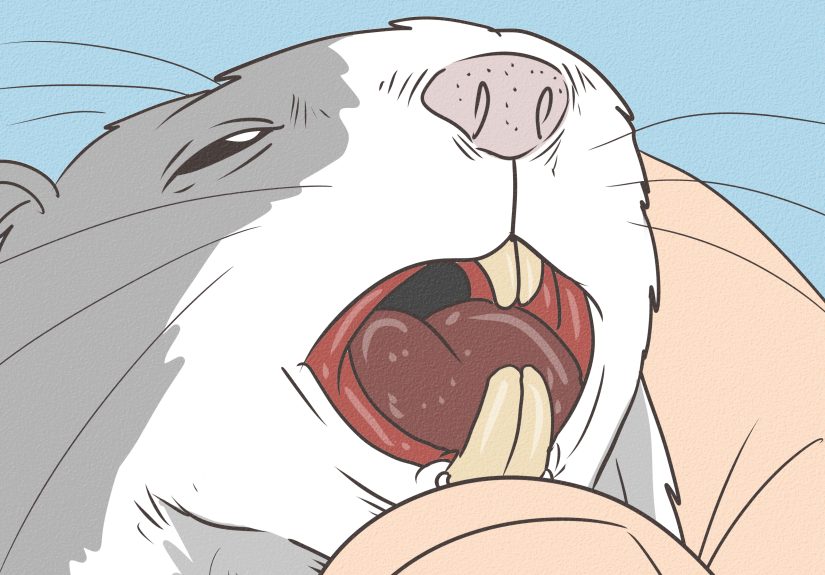
Hamster teeth grow continuously. Dental problems can show up as:
- Drooling or wet fur around the mouth/chin
- Trouble eating, dropping food, chewing strangely
- Weight loss even though food “seems available”
- Overgrown or uneven incisors (sometimes visible during yawns)
Dental issues can get painful quickly. If you suspect dental trouble, a vet visit is the right move (not DIY tooth trimmingplease
don’t become a hamster orthodontist).
Coat and Skin
- Coat quality: A healthy coat is typically smooth and well-kept. A scruffy, greasy, or matted look can be a sign of illness.
- Itching/hair loss: Excessive scratching, thinning fur, or bald patches can point to parasites or skin issues.
- Wounds/lumps: Check for scabs, swelling, lumps, or soresespecially around the belly and sides.
Belly, Back End, and Tail Area (The Area Hamsters Wish You’d Ignore)
Yes, it’s awkward. Yes, it’s essential. Check for:
- Diarrhea or wetness around the tail: This can be associated with “wet tail,” a serious condition that needs urgent veterinary care.
- Staining or strong odor: Changes in urine/feces can be an early illness clue.
- Dehydration signs: A weak, lethargic hamster with diarrhea can dehydrate quickly.
Feet and Nails
- Sores on the feet: Look for redness, swelling, or scabs.
- Overgrown nails: Can snag and cause injury, and may signal that normal activity has decreased.
Bottom line for Way #2: A quick, consistent health check helps you catch “small” changes before they become big problems.
Way #3: Track “Meals, Mess, Mass” (Food/Water, Poop/Pee, Weight)
If you want the most practical hamster health check system, use the three M’s:
Meals (food and water intake), Mess (urine and feces), and Mass (body weight).
These are often where illness shows up first.
Meals: Appetite and Water Intake
A healthy hamster typically eats consistently and hoards food in predictable ways. Warning signs include:
- Not eating (or hoarding but not actually chewing)
- Sudden appetite drop or refusing favorite foods
- Sudden big increase or decrease in drinking compared to normal
Practical tip: Check that the water bottle is working. A stuck ball bearing can turn “my hamster looks tired” into “my hamster is
dehydrated” faster than you’d think. (If you’ve ever tapped a bottle like it’s a vending machine, welcome to the club.)
Mess: Poop and Pee Clues
You don’t need to be weird about it. Just be observant.
- Diarrhea is a major red flagespecially if the tail area is wet/soiled.
- No droppings (or dramatically fewer) can signal that your hamster isn’t eating or that something is wrong.
- Noticeable changes in smell, color, or amount of urine/feces can be early illness signs.
Mass: Weekly Weigh-Ins (The Least Dramatic Way to Catch a Big Problem)
Weight loss is one of the most reliable “something’s wrong” indicators in small mammals. Use a kitchen scale and weigh your hamster
once a week (same time of day, ideally). Write it down.
Why weekly? Because hamsters can look “fine” while slowly losing weightespecially with dental issues, chronic illness, or low-grade
infection. A number trend doesn’t lie, even when your hamster’s face says, “I’m totally fine, human, stop spying.”
Environment Check: The Cage Can Make Your Hamster Sick (Or Help Them Heal)
Many health problems are made worse by stress, poor ventilation, dirty bedding, or sudden changes. As part of your “Meals, Mess, Mass”
habit, also check:
- Bedding dust: Very dusty bedding can irritate airways.
- Drafts and temperature swings: Keep the habitat stable and away from vents/windows.
- Cleanliness: Spot-clean daily and keep the habitat sanitary without over-scrubbing so often that the hamster is constantly stressed.
- Sudden diet changes: Introduce changes gradually when possible.
Bottom line for Way #3: If you track appetite, droppings, and weight, you’ll catch many illnesses earlyeven when your hamster is trying
to “act normal” like the world’s smallest actor.
When to Call a Vet Immediately (Red Flags You Don’t Want to Ignore)
Hamsters can deteriorate quickly, so “wait and see” is not always your friend. Contact a veterinarian promptly if you notice:
- Diarrhea, especially with a wet/soiled tail area or signs of dehydration
- Trouble breathing, labored breathing, or persistent wheezing/clicking
- Not eating or drinking, especially for more than a short period
- Extreme lethargy, collapse, or inability to move normally
- Rapid weight loss or a steady downward trend week-to-week
- Significant discharge from eyes or nose
- Swelling, lumps, open sores, or signs of severe pain
If you’re unsure, it’s still worth calling. A quick phone conversation can help you decide whether it’s urgent or whether a scheduled
visit is okay.
How to Prepare for a Vet Visit (So You’re Not Googling in the Parking Lot)
- Bring notes: When symptoms started, what changed (diet, bedding, cage location), and what you’ve observed.
- Bring recent weights: Even two or three data points help.
- Take photos/videos: Especially for odd breathing, posture, or behavior that happens at night.
- Keep them calm: Use a secure carrier with familiar bedding; keep them warm, quiet, and out of drafts.
- Avoid home medications: Don’t give human meds or random antibioticshamsters are small and can be harmed by incorrect dosing.
Bonus Prevention Habits That Make Illness Easier to Spot
Prevention won’t eliminate every health issue, but it reduces stress and makes problems easier to catch early.
- Do daily “mini checks” (30 seconds): look at eyes, coat, posture, and activity.
- Weigh weekly and log it.
- Keep the habitat stable: avoid frequent cage moves or dramatic changes.
- Wash hands before/after handling; avoid close contact if you’re sick, since hamsters can be sensitive to respiratory illness exposure.
- Choose healthy pets when adopting: bright, alert, clean coat, dry tail area, no sneezing/wheezing.
Owner Experience Roundup: of “I Learned This the Hard Way” Energy
The following are common hamster-owner experiences and patternsthings people frequently report noticing in hindsight. Consider them a
friendly warning label, not a substitute for veterinary guidance.
Experience #1: “My Hamster Was Just Sleeping More… Until They Weren’t”
Many owners first notice illness as a schedule shift: their hamster doesn’t come out at the usual time, skips the wheel,
or ignores favorite snacks. Because hamsters are nocturnal, it’s easy to miss these cues if you only check on them during the day.
A common lesson: do a quick evening check for a week and learn your hamster’s normal “active window.”
One of the sneakiest signs is “still eating… kind of.” Owners later realize the hamster was hoarding food but eating less, or switching
to softer foods because chewing was uncomfortable. This is why weekly weights matter: the scale often catches what your eyes can’t.
Experience #2: “The Water Bottle Betrayal”
You’d be amazed how often the “mystery illness” begins with a simple equipment problem. Some owners discover the water bottle ball
bearing jammed, the spout clogged, or the bottle mounted too high. The hamster becomes less active, looks tired, and stops running
which can resemble illness. Even if the real issue isn’t dehydration, checking water flow is a fast, smart first step.
A helpful habit is the “two-source rule”: a bottle plus a small heavy dish (if your hamster doesn’t treat it like a swimming pool).
If one fails, you’ve got a backup.
Experience #3: “It Started With a Messy Butt (Yes, We’re Going There)”
Owners often report that the clearest early warning of serious digestive trouble is a change in droppings or wetness around the tail area.
The tricky part is that hamsters are meticulous groomers, so you might not see “mess” immediatelyuntil the situation is already urgent.
Many people say the moment they noticed a wet/soiled tail area, the hamster also looked fluffed up, weak, and stayed hidden.
The takeaway is simple: don’t wait for a hamster to “act sick enough.” If diarrhea is present, call a vet promptly. Hamsters lose fluids
quickly, and dehydration can become dangerous fast.
Experience #4: “The Drafty Cage Location Nobody Suspected”
Another common story: the cage got moved near a window “for better light,” or near an air conditioner “because it’s hot,” and then the
hamster started sneezing, acting quieter, or breathing differently. Owners often feel guilty because the change seemed harmless.
But tiny lungs plus dust plus drafts can be an unfortunate combo. A stable, well-ventilated location away from vents and strong odors
makes a noticeable difference.
Experience #5: “The ‘It’s Probably Fine’ Lump That Wasn’t”
Hamsters can develop lumps or swelling for different reasons. Owners often report that the earlier they got a lump checked, the more
options the vet had to helpwhether that meant monitoring, medication, or a plan for comfort. The lesson here isn’t “panic,” it’s
“don’t ignore new growths.” Add a quick “gentle feel” to your weekly check so you can spot changes early.
If all these experiences have one theme, it’s this: small changes matter. With hamsters, early action is often the best
kind action.
Conclusion: Your 3-Step Hamster Health Radar
Spotting illness in hamsters doesn’t require constant worryit requires consistency. Watch behavior and routines, do a quick head-to-tail
physical check, and track meals/mess/mass. If something looks off, trust your observations and reach out to a veterinarian early.
Your hamster may be tiny, but your attention to small details can make a big difference.