Table of Contents >> Show >> Hide
- Why “Say No More” Haircuts Become Instant Memes
- 30 Terrible Haircuts That Practically Caption Themselves
- The Accidental Bowl (a.k.a. “Who put a helmet on my head?”)
- The One-Sided Bang Situation
- The Patchy Buzz Cut Map
- The Fade That Climbed Too High
- The “Reverse Fade” (one side is blended, one side is not)
- The Micro-Fringe Panic (baby bangs by surprise)
- The Triangle Bob (the “pyramid” shape)
- The Lopsided Lob
- The “Stair-Step Layers”
- The Kitchen-Scissors Layer Cake
- The “I Sneezed Mid-Clip” Chunk
- The Over-Thinned Crown
- The Cliff-Edge Line
- The Overcut Undercut
- The Mullet That Forgot the Party
- The Rat Tail Comeback Nobody Voted For
- The Sideburn Mismatch
- The “Bangs Start at the Back of My Head” Fringe
- The Curtain Bangs That Became Curtains (for your eyes)
- The “Front Pieces Only” Face Frame
- The Ear-Chunk Cut (around-the-ear chaos)
- The Crooked Hard Part
- The Spiky Crown from Cowlick Denial
- The Uneven Nape Clean-Up
- The “Too Much Taken Off” Trim
- The Over-Textured Ends (stringy finish)
- The DIY Wolf Cut Gone Feral
- The Buzz + Bangs Combo Accident
- The “Clippers Without a Guard” Regret
- The Too-Short Bob Shock
- How Bad Haircuts Happen (So You Can Dodge Them)
- How to Make a Bad Haircut Look Better Immediately
- When to Go Back to the Salon vs. Let It Grow
- Experience Corner: Haircut Fails People Still Laugh About (and What They Learned)
- Conclusion
There are bad haircuts… and then there are bad haircutsthe kind that walk into the group chat and
instantly trigger a chorus of “say no more.” No context. No explanation. Just that shared human look of
recognition: we’ve all been there (or at least feared being there).
The funny part? Most haircut fails aren’t caused by one dramatic mistake. They’re usually a stack of tiny
misunderstandingslike “trim” meaning “half an inch” to you and “fresh start” to your stylist. Add a little
impatience, a rushed appointment, or a DIY moment powered by confidence and kitchen scissors… and boom:
meme material.
Why “Say No More” Haircuts Become Instant Memes
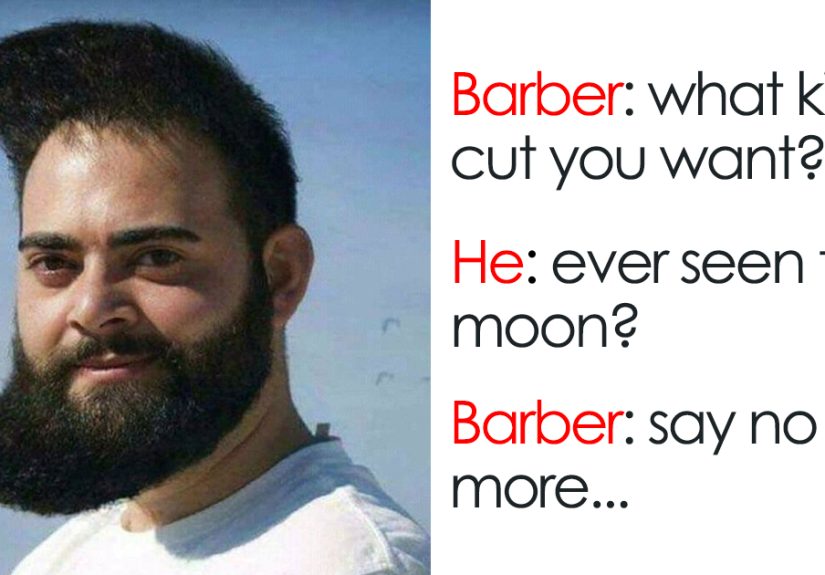
A terrible haircut becomes a meme when it’s visually loud and emotionally relatable. The best
“say no more” haircuts share a few traits:
- The silhouette is confusing (your head looks like it’s wearing a hat made of hair).
- The symmetry is suspicious (one side is living in 2025, the other is in 1997).
- The haircut ignores reality (cowlicks, curls, shrinkage, growth patternsnone invited).
- The “I can fix it” spiral starts immediately and ends with “why is it shorter now?”
The goal here isn’t to roast anyone. It’s to laugh gently, learn fast, and keep your next haircut from starring
in a “before and after” slideshow you never consented to.
30 Terrible Haircuts That Practically Caption Themselves
These are the haircut fails that don’t need a backstory. They’re the “say no more” memes of the salon world
each one paired with what usually went wrong and what can help it look better while it grows out.
-
The Accidental Bowl (a.k.a. “Who put a helmet on my head?”)
Too blunt, too round, too sudden. Usually happens when everything is cut to one length with no texture.
Fix: add soft layers or internal thinning so it moves instead of sitting like a soup bowl. -
The One-Sided Bang Situation
One side looks “editorial,” the other looks “I cut this on a bus.” Fix: style with a round brush,
redirect with a part change, and ask a pro to even it outslowly. -
The Patchy Buzz Cut Map
It’s not a fade; it’s geography. This happens with the wrong guard, dull clippers, or going over the same spot unevenly.
Fix: a barber can blend it; at home, don’t “chase” patchesevery pass makes it shorter. -
The Fade That Climbed Too High
Your fade went on a hiking trip and never came back. Fix: let the top grow a bit and use matte product
to create balance while a barber reshapes the transition. -
The “Reverse Fade” (one side is blended, one side is not)
The left side says “clean,” the right side says “first day with clippers.” Fix: professional blending
fades are hard to DIY without making it shorter and shorter. -
The Micro-Fringe Panic (baby bangs by surprise)
Bangs cut too short can look harsh… or accidentally trendy. Fix: lean into the baby bang styling,
or pin/clip them back until they hit an easier length. -
The Triangle Bob (the “pyramid” shape)
Volume collects at the bottom and your hair becomes a warning sign. Often from blunt cuts on thick or curly hair.
Fix: strategic layering and shaping that respects your texture. -
The Lopsided Lob
One side is “lob,” the other is “lob… but make it shorter.” Fix: check your natural part and growth
pattern; a quick reshape can restore symmetry without losing much length. -
The “Stair-Step Layers”
Instead of blend, you got visible shelves. Usually from over-layering or dry cutting without a plan.
Fix: softening the edges with point cutting and styling for movement. -
The Kitchen-Scissors Layer Cake
Household scissors crush hair and leave rough edgesaka frizz fuel. Fix: a salon “dusting” and
reshaping can clean it up; meanwhile, use smoothing cream and gentle heat protection. -
The “I Sneezed Mid-Clip” Chunk
A random chunk is missing, like your hair got deleted. Fix: blend around it professionally, or use
styling to disguise until it grows. Don’t try to “match” it by removing more. -
The Over-Thinned Crown
Too much thinning on top can make hair look flat and see-through. Fix: stop thinning, go easy on
harsh brushing, and use volumizing products that lift without tugging. -
The Cliff-Edge Line
A blunt line that looks like someone used a ruler and one emotion: anger. Fix: add subtle texture
at the ends and soften the shape with a slight bevel when styling. -
The Overcut Undercut
An undercut that’s too high can make the top look disconnected. Fix: grow the sides, keep the top
styled forward or textured, and avoid sharpening the line again. -
The Mullet That Forgot the Party
All business in front, all confusion in back. Fix: either commit (shape it intentionally) or
transition to a shag with blended layers. -
The Rat Tail Comeback Nobody Voted For
A single strand trying to live its best life. Fix: either remove it completely or shape the cut
so it looks intentional, not accidental. -
The Sideburn Mismatch
Your sideburns are in different tax brackets. Fix: even them outpreferably by a barberbecause tiny
“corrections” can quickly turn into “why is my hairline moving?” -
The “Bangs Start at the Back of My Head” Fringe
Too much hair pulled forward makes bangs heavy and helmet-like. Fix: reduce density (carefully) and
blend face-framing pieces so the front looks airy, not armored. -
The Curtain Bangs That Became Curtains (for your eyes)
Bangs cut too long and too thick can block your whole life. Fix: train them with blow-drying and a
round brush; add light face-framing layers to blend. -
The “Front Pieces Only” Face Frame
The front is dramatically short, the rest is untouched. Fix: connect the front to the rest with
gradual layersno abrupt disconnect. -
The Ear-Chunk Cut (around-the-ear chaos)
Jagged lines by the ear scream “I did this fast.” Fix: soften the perimeter and blend the sides so
the ear area looks intentional. -
The Crooked Hard Part
A shaved line that looks like it took a detour. Fix: let it grow out and avoid re-shaving to “correct”
it. Hair grows faster than regret fades. -
The Spiky Crown from Cowlick Denial
Cutting against a cowlick without planning creates permanent surprise spikes. Fix: leave a little
length in that area and style with directional blow-drying. -
The Uneven Nape Clean-Up
A neckline that’s too highor jaggedcan look harsh. Fix: ask for a softer, natural taper and avoid
“shaving it crisp” every week while it’s growing back. -
The “Too Much Taken Off” Trim
You asked for “just the ends” and got “new identity.” Fix: focus on styling and health while it grows,
and bring photos + specific measurements next time. -
The Over-Textured Ends (stringy finish)
Too much razoring or thinning can make ends look sparse. Fix: add bluntness back gradually with micro-trims
and keep ends moisturized to reduce frizz. -
The DIY Wolf Cut Gone Feral
“Wolf cut” can quickly become “raccoon fight.” Fix: reshape layers with a proespecially around the face
and style with texture spray instead of more cutting. -
The Buzz + Bangs Combo Accident
A super short top plus blunt bangs can feel unbalanced. Fix: soften the fringe, grow the top slightly,
and use styling to add lift and texture. -
The “Clippers Without a Guard” Regret
One wrong setting and it’s instantly “say no more.” Fix: a barber can clean it up; if it’s very short,
own the buzz and keep it intentional while it grows. -
The Too-Short Bob Shock
Bobs can go wrong fast because precision matters. Fix: style with smoothing products, try a tuck-behind-ears
trick, and maintain with small trims so it grows out gracefully.
How Bad Haircuts Happen (So You Can Dodge Them)
1) “Trim” is not a unit of measurement
If you want one inch, say one inch. If you want “keep it long,” show where “long” lives on your body. Hair language is
vague, and vague instructions can turn into very specific regret.
2) Photos helpespecially when they match your hair type
Bring reference photos that show your hair texture, density, and styling level. A cut that looks effortless on someone with
thick, straight hair may behave differently on curls, waves, fine hair, or a strong cowlick.
3) The “fix it at home” reflex is where memes are born
The fastest route from “bad haircut” to “worst haircut” is panic-cutting the same day. Give it a shower, style it a few ways,
sleep on it, and then decide whether you need a professional adjustment.
How to Make a Bad Haircut Look Better Immediately
- Change the part: a deep side part can hide unevenness and help grown-out bangs behave.
- Add texture: matte clay, texturizing spray, or sea-salt spray can make choppy areas look intentional.
- Use accessories: clips, headbands, and bobby pins are basically the Swiss Army knife of bad haircut recovery.
- Go gentle on heat: protect your hair, avoid over-styling, and don’t “flat-iron your way into victory” daily.
- Ask for a correction politely: good stylists want you happy, and small tweaks can make a big difference.
When to Go Back to the Salon vs. Let It Grow
Go back if the cut is uneven, the perimeter is jagged, or the shape is clearly off (like one side noticeably longer).
Wait a bit if it’s mostly a styling issue, a shock-to-the-system length change, or a cut that might settle after washing.
Either way, be kind to yourself: hair grows, and most “say no more” moments are temporary.
Experience Corner: Haircut Fails People Still Laugh About (and What They Learned)
You don’t need to be internet-famous to have a haircut that briefly becomes the main character. Here are a few common
“experience stories” people sharecomposite, real-life situations that show how these meme haircuts happen… and how to recover
without spiraling into a bathroom-barber saga.
The Night-Before Photo Day Bangs
Someone decides their bangs are “a little long” at 11:47 p.m. The scissors are not hair shears. The mirror lighting is
aggressively optimistic. The bangs come out shorter than planned, then get “evened out,” then get “evened out again,” until
they’re basically a fringe suggestion. The next morning, the lesson arrives: styling beats panic-cutting. A quick blow-dry
with a round brush, a soft side-sweep, or pinning them back can save the day while the bangs grow into a friendlier length.
The “Surprise Me” Appointment
“Surprise me” sounds fununtil you discover your stylist’s surprise is a dramatic shape you would never have chosen. The cut
may even be good… just not you. The takeaway: surprises are safer when they’re structured. You can still be adventurous
while setting boundaries: “You can go shorter, but not above my shoulders,” or “I’m open to layers, but not a heavy fringe.”
Creativity plus guardrails = fewer memes.
The Vacation Chop That Looked Great Until Humidity Entered the Chat
On day one, the cut looks amazing. On day two, the climate changes and your hair reveals its secret personality. Curls spring
up, waves puff out, and the shape turns into a triangle that could direct traffic. The lesson: hair texture is the boss.
Cuts should be designed for your real-world styling routineespecially if you air-dry or live in a humid place. The recovery
plan is usually shape-adjusting layers, lightweight moisture, and styling that works with your pattern, not against it.
The “Just Clean Up the Ends” Miscommunication
This is the classic: you mean “remove damage,” your stylist hears “take off everything that looks remotely split.” You leave
feeling like you lost a bet. The lesson: be specific before the first snip. Point to exactly where you want the length to land.
Say “no more than X inches,” and ask to check in after the first section is cut. If it’s already done, the best move is to
focus on making the new length look intentionalsleek styling, face-framing layers, and patience while it grows.
The DIY Fade That Turned Into a Buzz Cut
A DIY fade starts with confidence and ends with clippers set to “Oops.” People try to fix one uneven area by going shorter,
then chase the next uneven area, then repeat until the only “even” solution is a buzz cut. The lesson is simple: fades are
harder than they look because blending is the whole game. If you must DIY, do minimal maintenance only. Otherwise, let a barber
blend it properlyor embrace the buzz for a few weeks and keep it crisp and intentional.
The Bad Bob That Required Emotional Support Accessories
Bobs can be stunning, but they’re also picky. When a bob is too blunt, too short, or cut at the wrong angle, it can feel like
your hair is permanently “stuck” in an awkward shape. The lesson: bobs need maintenance and smart styling. Tucking behind the
ears, using a smoothing cream, and adding tiny face-framing pieces can make a “bad bob” look purposeful. Frequent small trims
can also help it grow out without turning bulky and weird.
The big theme in every story? Bad haircuts are rarely foreverand they don’t have to become your personality. With a calm plan,
kinder self-talk, and a few styling tricks, most haircut fails downgrade from “say no more” meme to “remember when…” in no time.
Conclusion
Terrible haircuts go viral because they’re relatable, not because anyone deserves to be mocked. If you’ve got a “say no more”
haircut right now, your best tools are patience, smart styling, and (when needed) a professional correction. If you’re trying
to prevent one, bring reference photos, speak in measurements, and resist the post-cut panic trim. Your future selfand your
camera rollwill thank you.