Table of Contents >> Show >> Hide
- Plan the Space Like You Actually Live There
- Upgrade Storage So It Works Harder
- 9. Trade some lower cabinets for deep drawers
- 10. Install pull-out shelves
- 11. Use vertical space all the way up
- 12. Organize the pantry like a mini store
- 13. Create an appliance garage
- 14. Add drawer dividers and peg systems
- 15. Use the backs of doors and cabinet panels
- 16. Add toe-kick storage
- 17. Mix closed storage with selective open shelving
- 18. Build a better under-sink zone
- Clear the Counters, Simplify the Routine
- 19. Create a dedicated coffee or beverage station
- 20. Set up a breakfast and snack zone
- 21. Add a charging drawer or tech nook
- 22. Build in trash and recycling
- 23. Store daily tools at arm’s reach
- 24. Decant selectively, not obsessively
- 25. Use a rolling cart for flexible storage
- 26. Keep countertops mostly clear on purpose
- Improve Comfort, Light, and Everyday Performance
- The Big Takeaway: Function Creates Beauty
- What These Changes Feel Like in Real Life
- Conclusion
Your kitchen does not need a six-figure renovation, imported marble from a mysterious mountain, or a refrigerator smart enough to judge your snack choices. What it does need is a better plan. The most effective kitchen upgrades are the ones that improve how the room actually works: how you cook, where you prep, how fast you can unload groceries, and whether your countertops look peaceful or like a yard sale for spatulas.
If you want to revolutionize your kitchen space, think beyond color trends and shiny hardware. The best kitchens are organized around real life. They support traffic flow, reduce clutter, make storage easier to reach, and help cleanup feel less like a punishment. Below are 32 practical, stylish, and sanity-saving ways to transform your kitchen into a room that works harder and looks better.
Plan the Space Like You Actually Live There
1. Build your kitchen around zones
Instead of treating the kitchen like one giant catchall, divide it into clear zones: prep, cooking, cleanup, pantry, grab-and-go, and storage. That means knives and cutting boards belong near prep space, spices near the stove, and lunch containers where a tired human can find them before 7 a.m. Zoning is one of the fastest ways to make a kitchen feel smarter without moving a single wall.
2. Protect the work triangle
The sink, refrigerator, and cooking surface still matter as core work points. You do not need to worship the classic triangle like it is a sacred kitchen prophecy, but you do want those major tasks to connect smoothly. If you must walk around stools, a pet bowl, and one family member scrolling on their phone just to drain pasta, your layout is asking for drama.
3. Keep traffic out of the cooking lane
A kitchen works best when the main path through the house does not cut directly through the hot zone. If possible, position snack drawers, coffee supplies, and water glasses away from the stove and sink so people can grab what they need without wandering into active cooking space. Your future self, carrying a skillet, will be grateful.
4. Give yourself generous aisles
Tight clearances make even a beautiful kitchen feel annoying. Aim for comfortable walkways so cabinet doors, appliances, and people can coexist without a passive-aggressive dance. In hardworking kitchens, wider aisles make prep easier, improve safety, and help more than one person use the room at the same time.
5. Make the island earn its keep
An island should have a job. Maybe it is your prep station, your serving hub, your homework headquarters, or your hidden storage hero. If your island is just a large rectangle collecting unopened mail, it is not furniture; it is a monument to unrealized potential. Add drawers, outlets, seating, or shelving so it becomes a functional centerpiece.
6. Add landing space where it matters
Every major appliance needs nearby surface area. You want a place to set grocery bags near the refrigerator, hot trays near the oven, and dirty dishes near the sink. These “landing zones” reduce clutter and make routine tasks feel easier because you are not improvising with the one free square foot left on the counter.
7. Reconsider microwave placement
A microwave parked in the middle of the countertop can hog valuable prep space. Built-in shelving, under-counter placement, or a designated appliance niche can reclaim visual calm and physical room. The right location depends on who uses it most, but the goal is simple: easy access without sacrificing prime workspace.
8. Design for the way you unload groceries
This sounds oddly specific because it is. Put pantry items near pantry storage, refrigerated overflow near the fridge, and bags near a clear drop zone. A kitchen that supports the five-minute grocery unload is a kitchen that understands the human condition.
Upgrade Storage So It Works Harder
9. Trade some lower cabinets for deep drawers
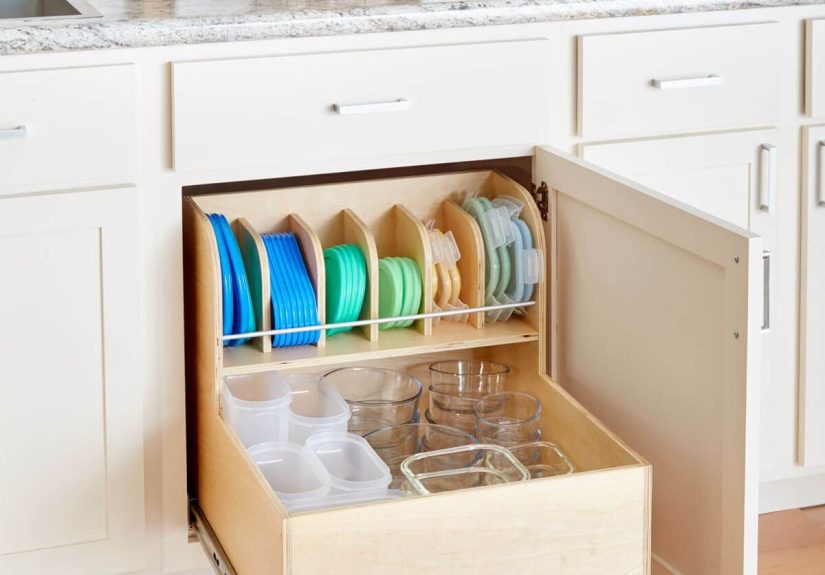
Deep drawers are often better than basic lower cabinets because they bring everything to you. Pots, pans, mixing bowls, and even dishes are easier to see and easier to reach. No kneeling, no blind rummaging, no disappearing lid situation.
10. Install pull-out shelves
If you keep lower cabinets, add pull-outs. Sliding shelves turn awkward cabinet caves into useful storage and make small kitchens feel more efficient. They are especially helpful in pantry cabinets, under sinks, and narrow spaces that would otherwise become black holes for canned beans and mystery gadgets.
11. Use vertical space all the way up
Many kitchens waste valuable wall height. Extend cabinetry higher, add upper shelves for less-used items, or use the top of cabinets intentionally instead of as a dusty decor graveyard. Vertical storage works best when daily items stay low and occasional-use pieces move higher.
12. Organize the pantry like a mini store
Group items by category: baking, snacks, canned goods, grains, breakfast, and dinner starters. This kind of pantry organization cuts down on duplicates, speeds up meal planning, and makes it much easier to see what you already own. It also reduces the odds of buying your fourth jar of paprika out of panic.
13. Create an appliance garage
Small appliances are useful, but they can make countertops look crowded fast. An appliance garage or dedicated pantry shelf gives the toaster, blender, and coffee gear a home without making the room feel chaotic. The kitchen looks calmer, and cleanup gets easier because there is actually room to wipe the counters.
14. Add drawer dividers and peg systems
Do not let your drawers become wooden junk bowls with better branding. Dividers for utensils, knives, wraps, and tools keep categories separated, while peg systems can hold dishes or food containers neatly in place. Good inserts make everyday tasks faster because you stop hunting and start using.
15. Use the backs of doors and cabinet panels
These overlooked surfaces can store measuring spoons, cutting boards, wraps, or cleaning items. A slim rack, a few hooks, or a mounted organizer can turn dead space into useful storage without taking up any extra floor area.
16. Add toe-kick storage
The recessed space beneath lower cabinets can hide flat drawers for trays, placemats, pet bowls, or rarely used linens. It is not the place for everyday cookware, but it is perfect for those awkward items that never seem to fit anywhere sensible.
17. Mix closed storage with selective open shelving
Open shelving can look airy and charming, but only if you are realistic. Use it for attractive, frequently used pieces like everyday bowls or mugs. Keep the less photogenic stuff behind closed doors. A mixed approach gives you style without requiring your turmeric jar collection to perform for guests.
18. Build a better under-sink zone
Under-sink storage gets messy because plumbing interrupts everything. Use stackable bins, pull-out caddies, and labeled containers so the space can hold supplies without turning into a wet cave of half-empty spray bottles. Bonus points if you keep backups elsewhere and store only what you use regularly.
Clear the Counters, Simplify the Routine
19. Create a dedicated coffee or beverage station
Grouping mugs, beans, sweeteners, and brewing tools in one area keeps the morning rush from invading the rest of the kitchen. It also allows early risers to function semi-independently, which is one of the most powerful design goals known to humankind.
20. Set up a breakfast and snack zone
If the whole household raids the kitchen at different times, give those repeat activities a dedicated spot. Think cereal, lunch containers, bread, snack bins, and reusable bottles together in one easy-access area. This keeps everyone from opening every cabinet like contestants in a frantic game show.
21. Add a charging drawer or tech nook
Kitchens often double as command centers. A drawer with power access or a tucked-away charging shelf can keep phones, tablets, and cords from spreading across counters. The room instantly feels more organized because your electronics stop pretending they are decorative objects.
22. Build in trash and recycling
A pull-out trash and recycling center keeps bins hidden, improves flow during cooking, and makes cleanup less clumsy. Put it close to prep space so scraps and packaging can go straight where they belong instead of staging a temporary rebellion on the counter.
23. Store daily tools at arm’s reach
The items you use every day should live close to where you use them. That includes cooking utensils near the range, dish towels near the sink, and cutting boards near prep space. Good kitchens save steps, and saved steps add up fast.
24. Decant selectively, not obsessively
Decanting can make a pantry look polished, but it is most useful when applied to staples you buy often and use quickly. Flour, sugar, pasta, cereal, and rice? Great candidates. Twelve identical jars for novelty sprinkles you touch twice a year? Maybe let those live their original packaged lives.
25. Use a rolling cart for flexible storage
If a remodel is not in the cards, a slim rolling cart can add extra prep space, pantry storage, or a mobile beverage station. It is especially helpful in apartments and small homes where every square inch has to multitask.
26. Keep countertops mostly clear on purpose
A revolutionized kitchen is not one packed with more stuff; it is one that feels easier to use. Limit what stays out permanently. When counters are clearer, the whole room looks larger, cleaning takes less time, and cooking feels less stressful.
Improve Comfort, Light, and Everyday Performance
27. Layer your lighting
One overhead fixture cannot do all the work. A functional kitchen needs layered lighting: ambient light for the room, task lighting for prep and cooking, and accent lighting for warmth and visual interest. Under-cabinet lighting is especially useful because it brightens work surfaces right where you need it.
28. Upgrade the ventilation
Good ventilation matters more than people think. A proper hood helps remove steam, odors, heat, grease, and smoke, which protects surfaces and makes the room more comfortable. If your kitchen is open to living space, this upgrade is even more important unless you enjoy your sofa smelling like last night’s salmon.
29. Choose easy-clean materials
Revolutionary design is not just about looks; it is about maintenance. Durable counters, backsplash materials that wipe clean, and finishes that hide fingerprints can dramatically improve daily life. The prettiest kitchen in the world becomes less charming when it requires the cleaning schedule of a museum.
30. Use seating strategically
Kitchen seating should invite people in without blocking movement. Bar stools, banquettes, or a nearby breakfast nook can make the room more social, but they need proper clearance so people can sit comfortably and others can still move around them without performing sideways acrobatics.
31. Choose energy-smart appliances
When it is time to replace appliances, look for efficient models that reduce energy use and support your daily habits. ENERGY STAR certified options can help trim operating costs, and rebates may be available in some areas. A kitchen upgrade that saves energy while improving performance is the rare adult decision that feels responsible and satisfying.
32. Edit the kitchen seasonally
Even a well-designed kitchen can slowly drift back into clutter. Set a seasonal reset: donate duplicates, toss expired pantry items, move out gadgets you never use, and rethink what belongs on the counters. The secret to a revolutionary kitchen is not perfection. It is maintenance with a touch of honesty.
The Big Takeaway: Function Creates Beauty
The best kitchen ideas are not always the flashiest ones. Often, the biggest changes come from better flow, smarter storage, stronger lighting, and more intentional routines. When your kitchen supports the way you cook, clean, gather, snack, and unload life into it every day, it feels better almost immediately. That is the real revolution: not making the space look expensive, but making it feel effortless.
If you are planning a full remodel, these ideas can help you prioritize the upgrades that actually change daily life. And if you are working with a tighter budget, many of them can be done in stages. A few pull-outs, a better pantry system, improved task lighting, and a serious decluttering session can make a kitchen feel brand-new without the chaos of a full renovation.
What These Changes Feel Like in Real Life
In real homes, the most satisfying kitchen improvements are rarely the glamorous ones people gush about on social media. Homeowners tend to remember the simple changes that remove friction from the day. A wider walkway means two people can cook without bumping hips and apologizing every five seconds. A pantry with clear zones means dinner planning goes faster because ingredients are visible. A drawer beside the range for spatulas and tongs somehow feels like a tiny miracle every single night.
People also notice how much calmer the room feels when countertops are less crowded. Once small appliances move into a cabinet nook or pantry shelf, the kitchen often looks larger, brighter, and cleaner even though the square footage has not changed at all. That visual breathing room matters. It can make a rushed weekday breakfast feel less frantic, and it gives the entire room a more collected, intentional mood. The kitchen starts looking like a place designed for living, not a storage facility for miscellaneous plug-in objects.
Another common experience is that cleanup becomes less emotionally dramatic. When trash and recycling are built in near the prep zone, scraps stop piling up. When the dishwasher is near dish storage, unloading takes fewer steps. When there is a landing zone by the sink, dirty dishes stop colonizing random corners of the counter. None of this is glamorous, but it adds up to a kitchen that feels easier to reset at the end of the day. And that matters because a room that is easier to reset is a room you can keep enjoying.
Families often feel the difference when the kitchen includes dedicated “self-serve” areas. A snack zone helps kids or guests help themselves without opening every cabinet door in sight. A beverage station keeps the morning coffee rush contained. A drawer for lunch supplies or reusable containers makes weekday routines less chaotic. These are not just organization tricks; they are stress-management tools disguised as storage ideas. The kitchen becomes more cooperative, which is a lovely quality in both people and rooms.
There is also a longer-term payoff. Well-organized kitchens tend to waste less food because you can actually see what you have. They reduce duplicate purchases because the baking supplies are not hidden behind pasta boxes and old party platters. They make small spaces more livable because every inch has a purpose. Even entertaining gets easier when platters, serving utensils, and glassware are stored where they make sense instead of being scattered across five unrelated cabinets for reasons lost to history.
Most of all, people describe a better kitchen as one that feels intuitive. You stop thinking so hard about where things go. Cooking becomes smoother. Cleanup becomes faster. The room supports you instead of negotiating with you. That is why the smartest kitchen upgrades are the ones grounded in real habits. They are not about chasing perfection or trends. They are about building a space that makes ordinary life feel a little lighter, a little neater, and a lot less annoying.
Conclusion
If you want to revolutionize your kitchen space, start with the improvements that fix daily pain points: cluttered counters, awkward storage, poor lighting, weak traffic flow, and too many items with no real home. Once those are solved, style has room to shine. A successful kitchen is not just beautiful in photos. It is useful on a Monday, forgiving on a Thursday, and welcoming every day in between.