Table of Contents >> Show >> Hide
There are good pet photos, there are great pet photos, and then there are the dreamy onesthe shots that make you stop scrolling, smile like a fool, and whisper, “Well, that’s going on the fridge.” You know the kind. A dog passed out in a sunbeam like a retired philosopher. A cat slow-blinking from a windowsill as if it just finished writing poetry. A rabbit mid-hop, caught in that glorious split second where gravity seems more like a suggestion than a rule.
That is the magic of pet photography: the best images do not feel staged. They feel discovered. The camera is just lucky enough to show up when a pet decides to be hilarious, elegant, sleepy, chaotic, affectionate, or all four within thirty seconds. And yes, that last one is especially common if you live with a cat.
This article rounds up the kinds of moments that make pet photos feel dreamy and unforgettable. It also taps into real pet behavior and practical photography know-how, because the truth is that the cutest pictures usually happen when you understand both your subject and your timing. Pets give us clues all day longthrough body language, habits, sleepy routines, play signals, and tiny rituals of trust. Once you learn to spot those cues, your camera roll gets a lot more interesting.
So here it is: 38 dreamy moments of pets that I caught on camera, or at least the exact kind of moments every pet parent should keep an eye out for. Some are soft and sentimental. Some are comedy in fur form. All of them are pure gold.
Why Dreamy Pet Photos Feel So Special
Dreamy pet photos work because they capture emotion without trying too hard. A relaxed body, soft eyes, a loose tail, a comfortable stretch, or a sleepy twitch can say more than a thousand perfectly posed portraits. The best pet photography often happens at eye level, in soft natural light, and during moments when the animal is comfortable enough to forget the camera exists.
In other words, the dreamiest photos are not just about appearance. They are about trust, timing, and observation. If your dog is giving you a loose, happy wag or your cat is blinking slowly with that “You may stay, human” expression, you are already halfway to a great shot. Add a window, a calm room, and a little patience, and suddenly your pet is starring in what looks like an indie film about feelings.
38 Dreamy Moments Of Pets That I Caught On Camera
Sleepy Little Masterpieces
- The sunbeam nap. A pet stretched across a patch of morning light is the visual equivalent of a warm croissant. These photos feel soft, peaceful, and effortlessly cinematic.
- The REM sleep twitch. Tiny paw flicks, whisker trembles, and fluttery eyelids can make a sleeping dog or cat look like they are chasing squirrels through dreamland.
- The curled cinnamon-roll pose. When a pet tucks into a perfect little circle, the result is part comfort, part geometry, and one hundred percent adorable.
- The belly-up surrender. A pet sleeping on its back with paws in the air looks so wildly relaxed that it practically deserves spa music in the background.
- The nose-tucked-under-tail moment. It is small, cozy, and impossibly sweetlike your pet decided to become its own blanket.
- The floppy ear nap. One ear up, one ear down, face completely smushed into a cushion. No stylist could create something this charmingly accidental.
- The sleepy sibling pile. Two or three pets stacked together like warm laundry fresh from the dryer? That is not a photo. That is emotional property.
- The just-woke-up yawn. Catch a giant yawn with half-closed eyes and a dramatic stretch, and you have instant comedy with a side of heart-melting sweetness.
Soft Signals of Trust
- The slow blink from across the room. A cat with relaxed eyelids and a gentle blink can turn an ordinary shot into a quiet portrait of trust.
- The chin-on-the-couch look. When a dog rests its chin on the sofa, your knee, or a bed edge, the whole image feels tender and a little bit needyin the best way.
- The forehead lean. Some pets press their head lightly against you during a calm moment. Photograph that, and suddenly your camera has feelings.
- The paw-on-your-arm shot. One little paw placed on you says, “Do not move. I have chosen affection.” It is subtle, but it lands every time.
- The shoulder-snooze picture. A pet napping against your side looks like trust in physical form. It is the kind of image people save for bad days.
- The tail-up greeting. For cats especially, that upright, relaxed tail paired with a soft expression can create a cheerful, welcoming photo.
- The loose full-body wag. Dogs do not just wag tails; happy dogs often wag like their whole skeleton joined the celebration. Catch that blur of joy and you win.
Comedy With a Halo
- The blanket burrito. When a pet disappears under a throw and only a nose or pair of eyes remains, the picture basically writes its own caption.
- The impossible sleeping position. Head upside down, back legs twisted, one paw against the wall. No chiropractor required, apparently.
- The loaf with judgment. Cats in loaf mode are already iconic, but when they add a serious expression, the photo feels like a tiny manager reviewing your work.
- The tongue-out nap. Just a sliver of tongue peeking out can turn a normal sleeping portrait into pure internet-grade excellence.
- The mid-shake explosion. Ears flying, cheeks wobbling, fur doing interpretive dancethese chaotic frames are ridiculous and weirdly beautiful.
- The photobomb face. One pet posing nicely while another barges in from the side is a timeless classic. Household harmony is overrated anyway.
- The stuck-in-a-box masterpiece. Cats, small dogs, and other furry weirdos often treat undersized boxes like luxury real estate. Cameras must document this.
- The dramatic side-eye. The look that says, “I saw you open cheese and not share it.” Pet photography needs tension, and side-eye delivers.
Playtime Magic
- The play bow. A dog dropping the front half of its body with a loose grin and eager posture creates one of the most energetic and joyful pet photos possible.
- The toy parade. When a dog proudly carries a stuffed animal like it won a championship, the result is hilarious and oddly noble.
- The zoomies blur. Not every dreamy shot has to be sharp. A little motion blur can make a sprinting pet feel wild, happy, and beautifully alive.
- The pounce preview. Cats freeze for a split second before launching at a toy. Catch that coiled focus, and the photo feels electric.
- The ears-up curiosity shot. A pet hearing something interesting and lifting its ears creates a portrait that feels alert, bright, and full of personality.
- The mid-air leap. A pet suspended for a blink of timewhether hopping, jumping, or bouncing off furniture they definitely should not be onalways looks magical.
- The muddy-happy grin. Sometimes dreamy means wildly unhinged. A filthy dog with a joyful face after outdoor play is pure “main character energy.”
Tiny Domestic Rituals
- The biscuit-making session. A cat kneading a blanket with half-closed eyes and a peaceful face is one of the coziest moments you can photograph.
- The grooming pause. A pet caught mid-wash with one paw lifted or one leg dramatically in the air is oddly elegant and gloriously awkward.
- The window-watch shift. A pet staring outside in soft light can look thoughtful, wistful, and just a little like it is waiting for a text back.
- The dinner-is-coming stare. Every pet has that laser-focused look when they hear a bag crinkle. It is equal parts hope, confidence, and emotional manipulation.
- The favorite-spot sprawl. Whether it is the laundry basket, the rug by the door, or your clean black sweater, pets choose their kingdom and pose accordingly.
- The mirror confusion moment. A pet discovering its reflection can create a shot that feels curious, silly, and surprisingly artistic.
Weather, Windows, and Wild Little Epics
- The rainy-day silhouette. A pet sitting by a rain-streaked window can look like the lead character in the saddest, cutest movie never made.
- The golden-hour portrait. Soft evening light around fur, whiskers, and sleepy eyes can transform a normal backyard photo into something almost painterly.
How To Capture Dreamy Pet Photos Without Ruining the Moment
Use light that flatters instead of fights
Natural light is your best friend. Window light indoors and open shade outdoors usually create the softest, most flattering pet portraits. Harsh midday sunlight can make fur look blown out and eyes squinty, while direct flash often startles pets and flattens the mood. If a room has one great window, congratulationsyou already own a pet studio.
Shoot at pet eye level
One of the fastest ways to improve your photos is to stop shooting from standing height. Get low. Sit on the floor. Lie on the rug if necessary. Yes, you may collect lint and lose dignity. But eye-level photos feel intimate and alive, and they make the viewer feel like they are inside the moment instead of peeking down at it.
Learn your pet’s routine
Dreamy moments are easier to catch when you know what usually happens next. If your dog always yawns after a nap, keep the camera ready. If your cat does evening window patrol at exactly 5:17 like a tiny unpaid security guard, be there before the shift starts. Great pet photos are often less about luck than about gentle prediction.
Respect body language
A relaxed pet makes better photos. Loose posture, soft eyes, curiosity, and easy movement usually mean you are in the clear. Stiffness, avoidance, flattened ears, hard staring, frantic tail movement, or obvious stress mean back off and give them space. Cute pictures are never worth pushing a pet past comfort.
Be patient and keep it playful
Treats, toys, familiar sounds, and a calm mood help. So does accepting that not every frame needs to be polished. Sometimes the best image is slightly crooked, a little blurry, and emotionally perfect.
What These Photos Really Show About Pets
The dreamiest pet photos are usually not about tricks. They are about relationships. A dog sleeping deeply enough to twitch in a nap, a cat kneading a blanket with total commitment, or a pet choosing to lean against you for no other reason than comfortthose moments tell a story about safety and attachment.
They also reveal personality in ways staged shots cannot. One pet is a dramatic window philosopher. Another is a mud-powered goblin with a tennis ball. Another is an affectionate biscuit chef with impeccable loaf technique. The camera simply proves what pet people have known all along: animals are not props in our homes. They are little characters with routines, moods, preferences, and surprising emotional range.
That is why these photos resonate. They do not just say, “Look at this cute animal.” They say, “Look at this life happening right here, in this ordinary room, under this patch of light, with this tiny creature being completely itself.”
My Experience Photographing Dreamy Pet Moments
Over time, I have learned that photographing pets is a lot like trying to document weather. You can prepare for it, study it, and definitely improve your odds, but you cannot boss it around. The best moments usually show up when I stop trying to control everything and start paying attention instead.
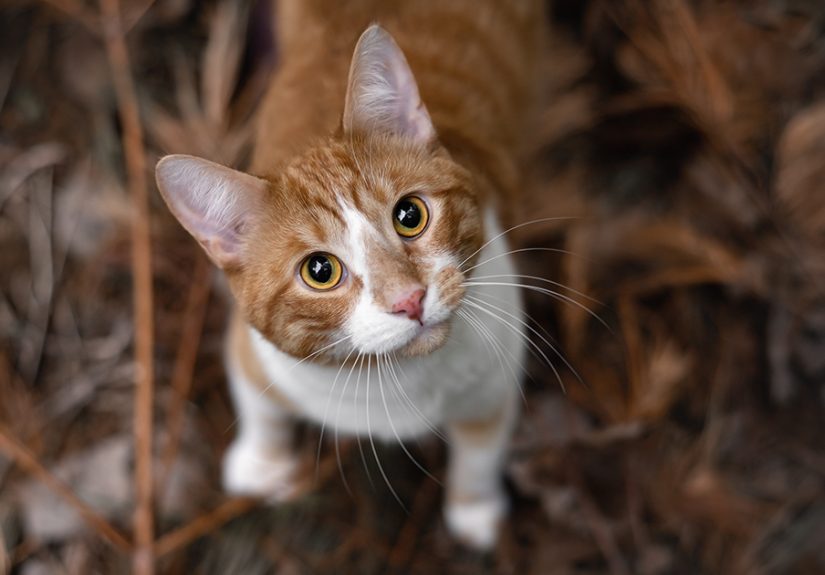
Some of my favorite photos happened on very average days. Not birthdays. Not vacations. Not “special occasions.” Just Tuesday. A sleepy dog with a square of sunlight across his face. A cat sitting on the windowsill while the whole room turned gold in late afternoon. A pet looking up right when the light hit their whiskers in that ridiculous, angelic way that makes you question whether they secretly charge rent in blessings.
I used to think great pet photos meant action shots, perfect focus, and movie-star expressions. Then I looked back through the images I loved most, and almost none of them were technically fancy. What they had was feeling. A little pause before a yawn. A paw stretched toward me. A cat half-asleep, half-judging me, fully iconic. Those were the frames that lasted.
One thing I have noticed is that pets repeat emotional patterns more than exact poses. My dog may not lie in the same position every day, but he always has a soft, goofy expression after play. My cat may not slow-blink on commandbecause of course she would never work under those conditionsbut she does it most often when the house is quiet and I am not hovering like an overinvested paparazzo. Learning those patterns changed everything. Instead of chasing random shots, I started waiting for familiar moods.
I also learned to embrace the almost-missed moment. Sometimes the photo is not perfect. Maybe the tail is blurred. Maybe one ear disappeared into motion. Maybe the composition says, “I took this while crawling around the floor like a confused wildlife intern.” But if the image captures joy, trust, or that very specific expression pets make when they know exactly where the treat jar lives, it still works.
The funniest part is how often pets create accidental art. I have seen cats turn themselves into sculptures on folded blankets. I have watched dogs flop into poses that look medically impossible but emotionally excellent. I have photographed a pet in a cardboard box with such confidence that the image felt like a magazine cover. Animals do not care about aesthetics, which is probably why they produce them so naturally.
And maybe that is the real lesson. Dreamy pet moments are not rare because pets are magical all the time. They are rare because humans are busy, distracted, and too quick to assume nothing special is happening. But special things are happening. They happen in soft light, on familiar furniture, after lunch, before dinner, during naps, after zoomies, and in the five-second pause before chaos returns.
Now when I reach for my camera, I am not looking for perfection. I am looking for recognition. I want the photo that says, “Yes, that is exactly what living with this pet feels like.” If it is funny, great. If it is tender, even better. If it somehow manages to be both, that is the jackpot. And honestly, pets hit that jackpot more often than most professional models.
So if you want dreamy pet photos, start by noticing your pet a little more closely. Watch how they nap, greet, loaf, stretch, hover, pounce, and settle. The camera matters, sure. Light matters too. But attention matters most. Once you learn to see the poetry in everyday pet behavior, the dreamy moments stop feeling rare. They start feeling like part of the house.
Conclusion
The best pet photos are not always the loudest or the sharpest. Often, they are the quiet ones: a blink, a sigh, a stretch, a soft greeting, a nap that looks too peaceful to interrupt. “38 Dreamy Moments Of Pets That I Caught On Camera” is really a celebration of those small scenes that make life with animals feel richer, funnier, and softer around the edges. If you understand your pet’s body language, respect their comfort, and keep your camera ready when the light turns good, you do not need a professional studio to make magic. You just need your pet being gloriously, unapologetically themselves.