Table of Contents >> Show >> Hide
- Why black-and-white movies still work so well
- 45 black-and-white movies absolutely worth seeing
- The all-timers that practically built the conversation
- Crime, noir, and the sort of shadows that need their own agent
- Comedy, romance, and proof that old movies can absolutely have game
- War, justice, fear, and the heavy stuff that still hits hard
- Modern black-and-white movies that prove the format never left
- So, where should you start?
- The experience of watching black-and-white movies today
- Conclusion
- SEO Metadata
Every so often, the internet accidentally does something noble. In this case, it asked a beautifully simple question: which black-and-white movies are actually worth watching today? Not “important” in the dusty, homework-assignment sense. Not “respect this because your professor said so.” Just plain, honest, movie-night worthy. The kind of film you put on out of curiosity and end up defending like it is a beloved family recipe.
That question sparked a wave of recommendations, and the results make one thing very clear: black-and-white movies are not some museum exhibit with a popcorn surcharge. They are alive. They are funny, suspenseful, romantic, nasty, elegant, weird, heartbreaking, and, in many cases, more visually arresting than half the movies currently screaming at you in ultra-saturated colors. Black and white is not a limitation. It is a choice, a mood, a pressure cooker for light, shadow, faces, texture, and tension.
That is part of why these films keep surviving every generational handoff. You stop noticing the lack of color almost immediately, and then you start noticing everything else: the angle of a lamp, the way smoke curls across a room, the look on a face before a lie lands, the rhythm of a joke, the claustrophobia of a courtroom, the ache inside an empty street. Once that clicks, the whole “old movie” barrier tends to fall apart rather quickly.
Below are 45 black-and-white movies that are absolutely worth your time, drawn from the spirit of that online thread and filtered through long-standing critical love, film history, and pure rewatch value. Some are canonical giants. Some are genre landmarks. Some are stylish troublemakers. All of them prove that monochrome cinema still has more than enough color in its soul.
Why black-and-white movies still work so well
Black-and-white filmmaking strips the image down to essentials. That can make performances feel sharper, compositions more deliberate, and emotions harder to dodge. In a great monochrome film, light becomes architecture. Shadows become plot. A hallway is no longer just a hallway; it is dread with walls. A close-up is no longer simply a face; it is practically a confession booth.
And yes, there is also a little magic involved. The absence of color somehow makes these movies feel both more specific and more timeless. They belong to their eras, but they also float free of them. That is why so many modern directors still return to black and white when they want something leaner, moodier, funnier, sadder, or just plain bolder. Cinema did not outgrow black and white. It just got more wardrobe options.
45 black-and-white movies absolutely worth seeing
The all-timers that practically built the conversation
- Citizen Kane (1941) – If you have been told this is “important,” that is true, but annoyingly incomplete. It is also witty, bitter, visually fearless, and still feels shockingly modern.
- Casablanca (1942) – A romance, a war drama, and a factory for iconic lines. It somehow manages to be deeply sincere without ever becoming mushy.
- 12 Angry Men (1957) – One jury room, one sweltering argument, and one of the best demonstrations of tension ever put on film. It is basically suspense made out of logic.
- Sunset Boulevard (1950) – Hollywood vanity has rarely looked this glamorous, creepy, or deliciously mean. The film still bites, and it knows exactly where to sink its teeth.
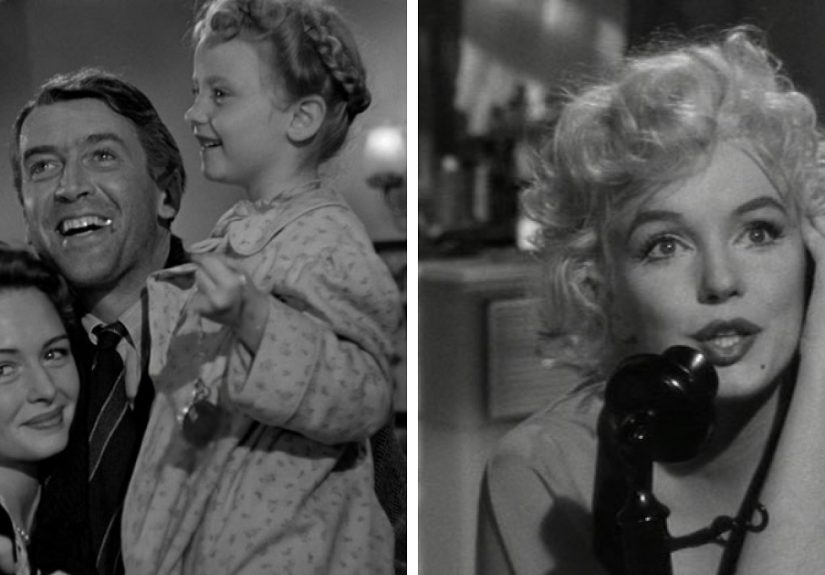
- Some Like It Hot (1959) – Fast, ridiculous, perfectly timed, and still one of the funniest American comedies ever made. This movie does not age; it just keeps embarrassing newer comedies.
- It’s a Wonderful Life (1946) – Much darker, sadder, and richer than its seasonal reputation suggests. Under the holiday glow is a surprisingly tough story about despair, duty, and grace.
- To Kill a Mockingbird (1962) – A humane, steady, morally grounded drama anchored by Gregory Peck at his most quietly powerful. It earns its status instead of coasting on it.
- The Apartment (1960) – Bittersweet, funny, lonely, and emotionally precise. Billy Wilder turns office politics and romantic disappointment into something achingly human.
- Psycho (1960) – Still unsettling, still stylish, still razor-sharp. Hitchcock did not just make a hit thriller here; he helped redraw the map for horror itself.
- Schindler’s List (1993) – Devastating and controlled, with black-and-white cinematography that makes the horror feel immediate without turning it into spectacle.
Crime, noir, and the sort of shadows that need their own agent
- Double Indemnity (1944) – Seduction, murder, insurance, and a script that snaps like a mousetrap. Film noir does not come much cleaner or nastier than this.
- The Maltese Falcon (1941) – Tough, talky, and full of delicious mistrust. Humphrey Bogart strolls through this movie like he owns suspicion itself.
- The Third Man (1949) – Tilted angles, slippery morals, and zither music that should not work but absolutely does. A thriller with atmosphere to spare.
- The Treasure of the Sierra Madre (1948) – Greed slowly rots everyone in sight, and the result is one of the great paranoia stories in film.
- Rebecca (1940) – Gothic romance dressed in dread. Every room in this movie feels haunted long before the plot admits it.
- Notorious (1946) – Hitchcock again, this time mixing espionage and romance into something cool, poisonous, and thrillingly elegant.
- The Night of the Hunter (1955) – A nightmare disguised as a fairy tale. It is part thriller, part folklore, and completely unforgettable once those shadows start stretching.
- The Lost Weekend (1945) – A brutally clear-eyed portrait of addiction that still feels raw. Not easy viewing, but absolutely rewarding.
- Laura (1944) – Dreamy, mysterious, and oddly seductive. It begins like a murder puzzle and turns into something much stranger.
- Touch of Evil (1958) – Corruption, border-town rot, and visual swagger for days. Even when it gets messy, it is gloriously messy.
Comedy, romance, and proof that old movies can absolutely have game
- His Girl Friday (1940) – So fast and funny it feels caffeinated. The dialogue does not walk; it sprints in dress shoes.
- Bringing Up Baby (1938) – Cary Grant, Katharine Hepburn, escalating chaos, and a leopard. If that does not sell it, I honestly do not know what will.
- Arsenic and Old Lace (1944) – A murder farce with impeccable comic nerves. It is gloriously unhinged in the most charming way possible.
- Duck Soup (1933) – The Marx Brothers turn politics, war, and authority into total comic rubble. It remains absurdly fresh.
- Roman Holiday (1953) – Sweet without being syrupy, glamorous without being stiff. Audrey Hepburn and Gregory Peck make this feel feather-light and emotionally real.
- The Philadelphia Story (1940) – Smart, sparkling, and packed with star power. It is one of those movies that makes verbal sophistication look effortless.
- All About Eve (1950) – A backstage drama with teeth. It is catty, polished, ruthless, and far too perceptive about ambition to ever feel dated.
- The Awful Truth (1937) – Divorce has rarely looked this nimble or entertaining. The chemistry here could probably power a small city.
- City Lights (1931) – Chaplin at his most tender and precise. Funny one minute, quietly devastating the next, and all of it beautifully controlled.
War, justice, fear, and the heavy stuff that still hits hard
- The Grapes of Wrath (1940) – A fiercely compassionate portrait of hardship and endurance. It feels historical, but never distant.
- On the Waterfront (1954) – Brando, guilt, loyalty, and one of the great moral awakenings in American film. Tough and bruised in the best way.
- Paths of Glory (1957) – Kubrick turns military hierarchy into a machine of cruelty. Cold, furious, and still uncomfortably relevant.
- M (1931) – A chilling thriller that understands mass fear, public panic, and social rot with terrifying clarity.
- Bicycle Thieves (1948) – Simple on paper, emotionally wrecking in practice. It turns ordinary desperation into something monumental.
- Rashomon (1950) – A masterclass in uncertainty. The conflicting versions of one event changed how stories could be told on screen.
- Seven Samurai (1954) – Epic, propulsive, and deeply human. Even if you have never seen it, you have seen its influence everywhere.
- The Seventh Seal (1957) – Death, faith, dread, and one of cinema’s most famous visual metaphors. Somehow it is philosophical and dramatic without becoming a lecture in a cape.
- Night of the Living Dead (1968) – Lean, rough, and groundbreaking. It helped define zombie cinema and still feels tense and politically charged.
Modern black-and-white movies that prove the format never left
- Raging Bull (1980) – Brutal, beautiful, and emotionally punishing. The black and white gives the violence and self-loathing a mythic harshness.
- Manhattan (1979) – However you feel about its maker, the movie itself is gorgeously photographed and full of melancholy urban romance.
- The Elephant Man (1980) – Tender and haunting, with imagery that makes Victorian London feel both real and dreamlike.
- Young Frankenstein (1974) – One of the rare comedies that is both parody and genuine homage. It looks right, sounds right, and lands joke after joke.
- Paper Moon (1973) – A Depression-era con-game comedy with terrific chemistry and a sly emotional core. Charming without ever getting sticky.
- The Last Picture Show (1971) – Small-town sadness rendered with extraordinary texture. It feels like memory and regret got their own cinematographer.
- Ed Wood (1994) – Affectionate, funny, and unexpectedly moving. It celebrates ambition, failure, and outsider art without ever looking down on them.
- Frances Ha (2012) – A modern quarter-life drift movie that uses black and white to feel breezy, intimate, and a little bit romantic about aimlessness.
- Nebraska (2013) – Dry, funny, and quietly profound. The monochrome plains give this family road movie a weathered honesty that color would have softened.
So, where should you start?
If you are new to black-and-white movies, start with the gateway gems: 12 Angry Men, Casablanca, Some Like It Hot, Psycho, and It’s a Wonderful Life. Those are accessible, gripping, and almost unfairly watchable. If you want darker material, jump to Double Indemnity, The Night of the Hunter, or Night of the Living Dead. If your taste leans arty but you still enjoy having a pulse, try Rashomon, The Third Man, or The Seventh Seal.
The point is not to “eat your vegetables” and become a better movie person. The point is to watch great films. The black-and-white part is just the invitation, not the obstacle. Once you get over the idea that monochrome means old-fashioned or slow, you realize many of these movies move with astonishing confidence. They know exactly what they are doing. A lot of them are tighter than modern movies by a country mile, and several are funnier than movies currently trying very hard to be funny on streaming platforms with suspiciously expensive thumbnails.
That is why these titles keep resurfacing in online threads, critic lists, classroom discussions, revival screenings, and late-night recommendations from movie nerds who look a little too excited when they say, “No, seriously, just trust me on this one.” They endure because they work. Not ceremonially. Not academically. Actually work.
The experience of watching black-and-white movies today
Watching black-and-white movies now can feel a little like traveling without leaving your couch. At first, there is usually a moment of resistance. Modern viewers are trained by color, speed, and visual overload. So when a black-and-white image appears, especially one from the 1930s, 1940s, or 1950s, the brain briefly goes, “Wait, are we doing homework?” Then something funny happens. About ten minutes in, the format stops feeling old and starts feeling intentional. Your eyes adjust. Your expectations loosen. The movie takes over.
One of the biggest surprises is how intimate these films can feel. Without color competing for attention, faces become more expressive. A smile feels sharper. A pause feels heavier. The line between glamour and vulnerability gets much thinner. That is part of why stars like Humphrey Bogart, Barbara Stanwyck, Bette Davis, Gregory Peck, Audrey Hepburn, and James Stewart still land so powerfully. Their screen presence is not dependent on spectacle. It is built on rhythm, posture, voice, timing, and the kind of close-up that practically pulls you into the frame by the collar.
There is also a different kind of pleasure in the craft. You start noticing lighting the way you notice guitar work in a song you have heard a hundred times. The shadows in noir do not just look cool; they shape the whole emotional temperature. The bright whites in a screwball comedy make everything feel airy and fast. The grain in a war film or social drama gives the story a roughness that can feel more truthful than polished modern imagery. Black and white has a way of making every visual decision look deliberate, because it usually is.
For newer viewers, the most rewarding experience is often the discovery that these movies are not all solemn cultural monuments. Many of them are wonderfully entertaining. They are funny in a sharp, grown-up way. They are romantic without drowning in sentiment. They are suspenseful without relying on jump scares or endless noise. Even the silents can feel shockingly alive once you tune into their visual storytelling. You stop thinking of them as artifacts and start reacting to them like what they really are: movies built to move an audience.
And maybe that is the real joy of exploring black-and-white cinema in the streaming age. It reminds you that great filmmaking is not a matter of technological upgrades alone. It is a matter of choices. Composition. Editing. Performance. Tone. Courage. A terrific black-and-white movie does not need to shout for your attention. It just sits there looking cool, confident, and completely unbothered, knowing full well it has been worth watching for decades and will probably still be worth watching long after today’s algorithm-friendly releases have quietly evaporated into the content fog.
Conclusion
If this list proves anything, it is that black-and-white movies are not a niche hobby for film-school purists and people who own scarves specifically for “cinema season.” They are thrillingly alive, emotionally immediate, and often far more accessible than their reputation suggests. Whether you want razor-sharp comedy, devastating drama, nerve-jangling suspense, or visually stunning art-house storytelling, there is a black-and-white movie ready to ruin your excuse that older films are somehow harder to love.
Pick one. Then another. Then watch yourself become the person who starts sentences with, “Honestly, the original version is better.” It happens fast.