Table of Contents >> Show >> Hide
- Why Some Dinnerware Styles Feel Dated Now
- 1. Ornate China With Gold Rims
- 2. Bulky Brown Stoneware
- 3. Bright Colored and Mismatched Melamine
- 4. Hand-Painted Tuscan Ceramic Dinnerware
- 5. Plain Glossy White Round Plates
- What Designers Want Instead of These Outdated Dinnerware Styles
- How to Update Your Table Without Buying a Whole New Set
- Final Thoughts
- Experiences From Real Tables: What Happens When You Actually Update Dated Dinnerware
Dinnerware does a sneaky amount of work in a home. It holds your weeknight pasta, yes, but it also telegraphs your style before the first garlic knot even lands on the table. The problem? Some plate-and-bowl looks that once screamed tasteful host now whisper this tablescape peaked when fax machines were still a thing.
According to designers, today’s best tables feel more relaxed, collected, and personal. Think tactile finishes, handmade-looking ceramics, layered linens, subtle color, and a mix that looks curated instead of copied from one giant display wall. That does not mean you need to throw your grandmother’s china into the sea like a dramatic movie ending. It just means some dinnerware styles read dated unless they’re restyled with intention.
Below, we break down the five outdated dinnerware styles designers are most ready to retire, why they no longer work for modern entertaining, and what to choose instead if you want a table that feels current without trying too hard.
Why Some Dinnerware Styles Feel Dated Now
Design trends rarely die in one clean swoop. They fade because lifestyles change. We eat differently, host differently, and decorate differently than we did a few decades ago. Formal “special occasion only” dishes have lost ground to pieces that can handle Tuesday tacos and Thanksgiving leftovers with equal dignity. At the same time, perfectly matched tablescapes are giving way to layered, lived-in settings with more texture and less stiffness.
That shift matters because dinnerware is no longer judged only by how elegant it looks in a cabinet. Designers are also thinking about scale, color, finish, durability, microwave-friendliness, dishwasher survival, and how dishes play with placemats, glassware, candles, and food. A plate can be pretty on its own and still look wrong once it joins the rest of the party.
In other words, the issue is not that older dishes are “bad.” It’s that some styles can make the whole table feel visually heavier, fussier, or flatter than what most designers prefer right now.
1. Ornate China With Gold Rims
Why designers say it looks outdated
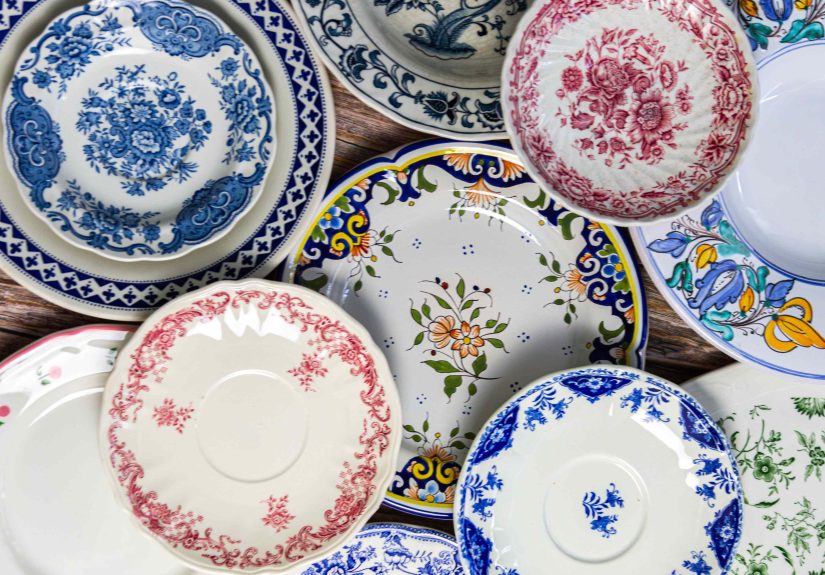
This is the classic formal china category: delicate florals, ornate borders, lots of trim, and the unmistakable gold rim that once told guests, “Please sit up straight and do not even think about dropping your fork.” For years, this look symbolized elegance. Now, designers often see it as overly formal, especially when paired with pastel floral motifs or an entire matching service.
The problem is not luxury itself. It is rigidity. Gold-rimmed china can make a table feel locked into a very specific old-school idea of entertaining: stiff, ceremonial, and a little too precious to enjoy. It also tends to clash with today’s move toward organic shapes, earthy palettes, and relaxed hosting. In practical terms, metallic-banded pieces can also be less convenient for everyday use, especially if you want microwave-safe dishes that do not require a user manual and a prayer.
What feels fresher instead
Designers are leaning toward artisanal-looking porcelain and stoneware in warm neutrals, muted colors, and matte or softly glazed finishes. The mood is still elevated, but less “banquet hall” and more “beautiful dinner party where nobody is afraid of the bread basket.”
If you already own ornate china, do not panic. You can modernize it by using only a few pieces at a time. A vintage salad plate layered over a simpler dinner plate feels intentional. A floral platter mixed with modern linen napkins and sleek glassware feels collected. The key is editing. Today’s tables do not want the full costume drama unless you are truly committed to the bit.
2. Bulky Brown Stoneware
Why designers say it looks outdated
Bulky brown stoneware had a long run because it felt hearty, homey, and durable. For many people, it still carries a cozy nostalgia. The issue is visual weight. Those chunky brown or brown-speckled sets can make a table feel heavy before the food even arrives. On darker wood tables in particular, the whole scene can skew muddy and one-note.
Designers are not rejecting stoneware as a material. Far from it. Stoneware remains one of the most popular materials for everyday dining because it is sturdy, practical, and casual in the best way. What feels outdated is the older version of it: thick profiles, deep cocoa tones, and shapes with all the grace of a cinder block in a cardigan.
What feels fresher instead
Modern stoneware still delivers the warmth people like, but with a lighter touch. Look for warm white, sand, greige, soft charcoal, muted olive, or reactive-glaze finishes that create depth without dragging down the whole table. Slimmer rims, coupe silhouettes, and slightly irregular edges also help. They keep the earthy feel while making the place setting look more current.
If you love the comfort of rustic dinnerware, this is great news. You do not need to abandon the category. You just need to trade “log cabin breakfast special” for “organic modern dinner party.” Same spirit, much better lighting.
3. Bright Colored and Mismatched Melamine
Why designers say it looks outdated
Melamine absolutely has its place. It is lightweight, durable, and ideal for patios, kids, picnics, and the kind of gathering where someone will inevitably sprint past the table holding a popsicle sideways. But brightly colored, heavily patterned, mismatched melamine sets can read dated when they migrate from casual outdoor use to the main event indoors.
For modern entertaining, designers tend to see loud melamine as visually noisy and a little unsophisticated, especially when it tries to mimic ceramic in an overly cheerful way. A backyard burger setup? Fine. A layered dining table with candles, linen napkins, and carefully chosen glassware? That neon plastic lemon print plate may not be pulling its weight.
What feels fresher instead
If you need the practicality of melamine, stick to monochromatic or earthy tones with cleaner shapes. Matte finishes help. So do sets that are intentionally simple rather than trying to impersonate hand-thrown ceramics from ten feet away.
Another smart move is to reserve melamine for outdoor entertaining and use ceramic, porcelain, or stoneware inside. That separation instantly makes your table feel more deliberate. Melamine is not the villain here. It just needs to stop auditioning for roles it was never cast in.
4. Hand-Painted Tuscan Ceramic Dinnerware
Why designers say it looks outdated
Ah yes, the Tuscan era: hand-painted borders, grapevines, sunflowers, olives, roosters, winding flourishes, and enough Mediterranean enthusiasm to make your kitchen feel like it came with a complimentary accordion soundtrack. These ceramics had a huge moment because they felt warm, worldly, and rustic. But in many homes today, they read busy.
The issue is visual competition. Highly decorative plates can fight with the food, the table linens, the centerpiece, and the room itself. Instead of creating a chic tablescape, they can make everything feel crowded. Designers today are generally looking for balance: more texture, fewer motifs; more depth, less decoration for decoration’s sake.
What feels fresher instead
Choose solid-color handmade ceramics, subtle glaze variation, or patterns with more breathing room. If you love European-inspired tableware, you can still get that warmth through earthy palettes, artisan finishes, and natural materials like linen, rattan, or wood. That creates the same inviting spirit without the visual shouting.
And if you have old Tuscan pieces you are sentimental about, keep the best serving platter or a favorite bowl. A single expressive piece can add charm. Twelve matching plates covered in fruit scrollwork? That is when the table starts to feel like it is trying to sell you olive oil.
5. Plain Glossy White Round Plates
Why this one is controversial
This category comes with an asterisk, because not every designer agrees. Some still love classic white porcelain and see it as timeless. And honestly, they are not wrong. White dishes are versatile, easy to style, and often practical. But some designers argue that ultra-plain, glossy, perfectly round white plates can feel flat, generic, and uninspired when used without any supporting texture or personality.
That is really the key distinction: white dinnerware is not outdated by default. What feels dated is the sterile, hotel-banquet version of itthe overly shiny, overly basic set that does nothing for the food, the table, or the room. On its own, it can make a table feel safe to the point of sleepiness.
What feels fresher instead
If you love white dishes, keep them and style them better. Add linen tablecloths, textured placemats, colored glassware, interesting flatware, handmade napkin rings, or layered salad plates. You can also switch to off-white, cream, blush, sage, or muted blue, or choose white dishes with softer silhouettes, coupe edges, or subtle hand-finished variation.
In other words, plain white plates are not “out.” Boring white plates are. There is a difference, and your table can absolutely tell.
What Designers Want Instead of These Outdated Dinnerware Styles
If there is one big takeaway from current dinnerware trends, it is this: personality is back. Not chaos. Not clutter. Personality. Designers are embracing tables that feel assembled over time rather than purchased in one breathless checkout session.
1. Softer colors and earthy tones
Warm whites, sand, taupe, soft green, dusty blue, blush, olive, and charcoal are all popular because they add character without overwhelming the meal.
2. Organic shapes and tactile finishes
Matte glazes, reactive finishes, freeform rims, and pieces that look lightly handmade add dimension and warmth to a table. They make even simple meals feel considered.
3. Collected, mixed-and-matched settings
Matching is no longer mandatory. A modern table often mixes old and new, plain and patterned, polished and rustic. The result feels layered rather than showroom-stiff.
4. Better supporting players
Today’s fresh tablescapes are not just about plates. Designers are using tablecloths, textured placemats, natural-fiber napkins, colored glassware, and pared-back centerpieces to give a place setting depth.
How to Update Your Table Without Buying a Whole New Set
Good news for your wallet: you do not need a dramatic purge to make your dining table feel current.
- Break up full matching sets. Use older plates with newer bowls or serving pieces to create a more collected look.
- Add texture first. Linen napkins, woven placemats, and a tablecloth can modernize basic dinnerware fast.
- Swap one layer, not all of them. New salad plates or pasta bowls can refresh the whole setting without replacing every dish.
- Edit the ornate pieces. Keep one beautiful china pattern in rotation instead of using the entire formal set at once.
- Move some pieces outdoors or to display. Melamine belongs on patios; heirloom china can shine in a cabinet, on a wall, or in a mixed setting.
The smartest tables usually evolve rather than reboot. That is part of what makes them charming.
Final Thoughts
The most outdated dinnerware styles are not necessarily the oldest ones. They are the ones that no longer fit how people live and host today. Designers are moving away from overly formal china, visually heavy stoneware, loud melamine, busy Tuscan motifs, and flat-feeling glossy basics when those styles are used in predictable ways. In their place, they are embracing warmth, texture, flexibility, and a little more personality at the table.
So before you replace everything you own, take a breath and look at your table as a whole. A “dated” plate can feel fresh with the right mix. A plain set can come alive with better styling. And an heirloom piece can become the star of the room when it is given some modern company. The goal is not perfection. It is a table that feels inviting, current, and unmistakably yours.
Experiences From Real Tables: What Happens When You Actually Update Dated Dinnerware
In real life, updating dinnerware usually does not begin with a grand design vision. It starts with a small moment of irritation. Someone pulls out a full set of ornate china for a holiday meal and realizes the table feels more nervous than festive. Or they stack their old bulky stoneware for a weeknight dinner and notice the whole room suddenly looks darker, as if the plates themselves lowered the lights out of spite. That is often the turning point. People do not replace dinnerware because a trend report told them to; they replace it because something feels off once the dishes meet the actual rhythm of everyday life.
One common experience is surprise at how much lighter a table feels after a small switch. Replacing just the dinner plates while keeping the old bowls and serving pieces can make the entire setup look newer. The same goes for trading a glossy white round plate for one with a softer rim or a slightly matte finish. It sounds minor, but once food is plated, the difference is obvious. Roasted vegetables look richer. Pasta looks more intentional. Even takeout somehow looks like it has better manners.
Another frequent experience is realizing that inherited pieces are easier to use than expectedjust not in the original way. Many people assume old china must either be displayed like museum treasure or hidden forever in a cabinet. In practice, the happiest middle ground is usually selective use. A host might keep the vintage dessert plates, donate the pieces they never touch, and pair the rest with simple modern linens. Suddenly, the old pattern feels charming instead of stuffy. It becomes a conversation starter rather than a time capsule.
There is also a confidence shift that happens when a table stops looking too matched. People often think a stylish dining setup requires everything to come from the same collection. Then they try mixing a reactive-glaze stoneware plate with inherited glassware, linen napkins, and a thrifted serving bowl, and the whole table gains character. It feels more personal. Less catalog, more life. That collected look is often what designers are chasing, and it tends to feel more welcoming for guests too. Nobody worries about using the “wrong” spoon when the table feels curated instead of ceremonial.
Budget is another big part of the experience. Most people do not want to buy a twelve-piece designer set just to prove they have evolved beyond grapevine ceramics. The good news is that they usually do not have to. Updating the table often comes down to editing, not replacing everything. New placemats, better napkins, and a set of versatile neutral salad plates can do more than an expensive full overhaul. In many homes, the smartest change is simply giving the loudest, busiest items fewer opportunities to dominate.
And then there is the hosting factor. Once dinnerware feels easier, hosting tends to feel easier too. People are more likely to set the table on an ordinary night, invite friends over without overthinking it, and use the pretty things they already own. That may be the biggest real-world benefit of retiring outdated dinnerware styles. The table becomes less about performance and more about pleasure. Which, honestly, is what dinner should have been doing all along.