Table of Contents >> Show >> Hide
There are two kinds of plant people in this world: those who gracefully “rotate their greenery for better light,” and those who have once bear-hugged a 60-pound fiddle-leaf fig across a hardwood floor while whispering, “Please don’t die, and also please don’t scratch the house.” This article is for the second group. And, honestly, for the first group too, because even elegant plant parents deserve better tools.
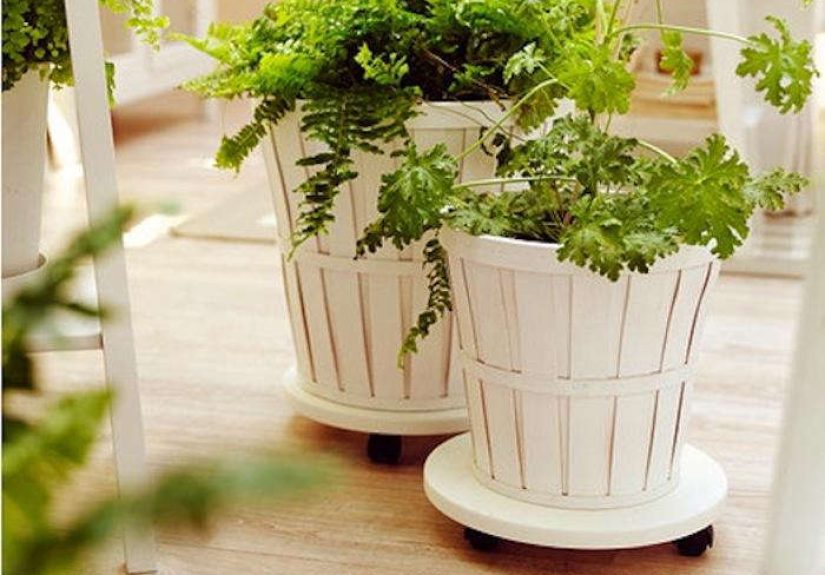
Rolling plant stands are one of those gloriously practical home upgrades that sound a little boring until you own one. Then suddenly you are moving a rubber tree toward the morning sun like a Victorian greenhouse manager with excellent taste. A good rolling plant stand, plant caddy, or plant dolly makes it easier to clean, protect floors, follow the light, and move heavy containers indoors when the weather turns rude. Better still, the best designs do all that without looking like they were borrowed from a warehouse.
After comparing style, utility, capacity, indoor-outdoor flexibility, and the small but mighty details that make daily life easier, these are my five favorites. Some are true rolling shelves, some are low-profile caddies, and all of them earn their keep. The common denominator is simple: they help you move plants without throwing out your back or ruining your floors.
Why Rolling Plant Stands Deserve a Spot in a Real Home
Plant accessories are often sold as decor first and problem-solvers second. Rolling plant stands flip that script. They solve actual household annoyances: the giant pot that never gets vacuumed behind, the patio lemon tree that needs to come inside before a cold snap, the awkward planter that always leaves a damp ring on the floor, and the kitchen herb collection that would thrive if it could simply scoot closer to the light.
That practical edge matters. A rolling plant stand is not just about mobility. It is about flexibility. In a home with changing seasons, shifting sunlight, pets, kids, open windows, heating vents, or one very determined robot vacuum, mobility becomes part of plant care. The best rolling stands also add airflow beneath pots, reduce dragging damage, and make it easier to group plants in attractive little clusters instead of letting them sit wherever gravity last won.
There is one important caveat, though: movement is useful, but chaos is not. Plants like consistency. So the smartest approach is not to wheel them all over the house every afternoon like contestants in a botanical game show. Instead, use rolling stands for intentional moves: better seasonal light, easier cleaning, frost protection, occasional styling changes, and safer transport for larger containers.
My 5 Favorite Rolling Plant Stands
1. Terrain Rolling Iron Shelf Plant Stand
This is the splurge pick, the statement piece, the “yes, I do have a plant collection and yes, it has a better wardrobe than I do” option. Terrain’s rolling iron shelf plant stand is less of a simple caddy and more of a mobile plant display station. It is tall, architectural, and genuinely useful, which is a dangerously charming combination.
What makes it stand out is the shape. Instead of holding one heavy pot, it gives you multiple levels to work with, which is ideal for anyone growing a layered indoor jungle. The locking castors make it practical, while the iron construction keeps it from veering into flimsy territory. I especially like this style for homes where plants need seasonal repositioning near windows, covered porches, or bright corners. It has presence, but it also has purpose.
If your taste leans toward greenhouse chic, vintage conservatory, or “I casually train ivy like it is a side hobby and not a personality trait,” this one is a winner. It is the stand for people who want mobility without sacrificing drama.
2. Gardener’s Supply Large Pebble Plant Caddy
This pick is proof that a rolling plant stand does not have to look obviously wheeled to be smart. Gardener’s Supply takes the low-profile route with a caddy that hides its usefulness under a more decorative design. The raised edge can hold pebbles, moss, rocks, or other top layers, which makes it feel more intentional and finished than a plain utility dolly.
That detail matters indoors, where the ugliest accessory tends to become the one you notice forever. Here, the caddy works almost like a visual frame for the plant. It helps contain mess, protects surfaces, and rolls when needed. That combination makes it especially good for larger indoor containers, patio plants that come in for winter, or any pot that tends to leave a trail of damp soil and guilt behind it.
This is my favorite option for people who want a rolling plant stand that whispers instead of shouts. It does the job, but it does not announce itself like a piece of utility equipment. In home design terms, that is called having manners.
3. Lowe’s Style Selections 16-Inch Clear Plant Caddy
Every favorites list needs one unapologetically practical pick, and this is mine. The Style Selections clear plant caddy is not trying to become a family heirloom. It is trying to help you move a heavy pot, manage overflow, and get on with your day. Frankly, I respect that.
The built-in water reservoir is the magic trick here. Anyone who has ever lifted a planter and discovered a mysterious damp halo on wood, tile, laminate, or a rug they definitely did not want to shampoo will understand the appeal immediately. Add in 360-degree casters, brakes, and a 100-pound capacity, and you have a caddy that is useful in both indoor and outdoor spaces.
Because it is clear, it also visually disappears more than darker, chunkier options. That makes it a strong candidate for modern interiors, sunrooms, kitchens, and small apartments where every object is more visible by default. It is the quiet workhorse of the group, and sometimes the quiet workhorse is exactly the hero you need.
4. IKEA OLIVBLAD Plant Stand on Wheels
If you want the best budget-friendly rolling plant stand for a single larger pot, this is the one that earns its place. The IKEA OLIVBLAD has a simple coated-metal design, a shallow rim that can help catch a little runoff, and locking casters that make it far more useful than its small footprint suggests.
The real appeal is how versatile it is. It works indoors or outdoors, it is sturdy enough for bigger houseplants, and it looks clean rather than clunky. This is the stand I would recommend to someone with one dramatic “problem child” plant: a monstera that hogs the light, a rubber tree that needs seasonal shuffling, or a heavy ceramic pot that currently requires a pep talk before every move.
It is not fussy. It is not ornate. It is not pretending to be furniture. It is simply a good-looking, affordable mobility upgrade for people who are tired of pretending they can deadlift their houseplants every weekend.
5. Yamazaki Two-Tier Rolling Plant Stand
This is the small-space favorite and the most apartment-friendly option of the bunch. The Yamazaki two-tier rolling plant stand has a slim profile, a tidy steel frame, and a vertical layout that lets you display multiple plants without asking for much floor space in return.
I especially like this one for kitchens, breakfast nooks, balconies under cover, and narrow corners where a traditional plant shelf would feel too bulky. It works beautifully for herbs, smaller trailing plants, or a curated pair of planters you actually want people to notice. Because it is elevated and open, it feels airy rather than crowded, which is a big win in tight homes.
This is also the pick that best bridges decor and utility. It reads like a piece of modern furniture, yet the wheels make it easy to chase brighter light or move your little indoor garden out of the way when you need the room. It is the overachiever of the group, and annoyingly stylish about it.
What to Look for Before You Buy
Not every rolling plant stand deserves your floor space. Before buying, think beyond looks and ask a few practical questions.
- Weight capacity: Your pot, wet soil, plant, and decorative top layer add up fast. Heavy ceramic containers can become surprisingly serious furniture.
- Wheel quality: Swivel casters are nice; locking casters are better. Cheap wheels turn a smooth glide into a tiny domestic wrestling match.
- Material: Metal is usually sturdy and weather-friendly, while wood looks warm and decorative. Clear plastic can be useful when you want the stand to disappear visually.
- Drainage and mess control: Reservoirs, lips, saucers, and raised edges are not glamorous, but they can save your floors and your patience.
- Light and airflow: A good stand should help your plant, not smother it. Open construction and smart height matter more than many shoppers realize.
- Use case: Decide whether you want one pot on wheels, a decorative caddy, or a full rolling shelf that can hold a collection.
The sweet spot is a stand that fits your plant life and your actual life. That means something sturdy enough for real use, attractive enough to live with every day, and mobile enough to make care easier without turning your living room into a garden center aisle.
Real-Life Experience: What Rolling Plant Stands Actually Change
Here is the part nobody tells you when you first start collecting plants: the care is not always the hard part. Sometimes the hard part is logistics. Watering is easy enough. Light can be figured out. Even pests, while deeply offensive, are manageable. But moving a large planter from the patio to the dining room the night before a cold snap? That is where the romance of plant parenthood suddenly meets lower-back reality.
That is why rolling plant stands punch above their weight. In everyday life, they remove friction from plant care. And in homes, friction is everything. The easier a task becomes, the more likely you are to actually do it. A pot on a rolling stand gets moved before a freeze. A heavy snake plant on wheels gets shifted so you can mop properly. A cluster of herbs on a slim rolling shelf actually makes it to the sunny spot instead of languishing in “good enough” light because nobody feels like hauling them around.
They also change how a room functions. A big floor plant stops being a fixed obstacle and becomes a flexible design element. You can slide it beside a reading chair in winter, pull it back from a heating vent, roll it away for guests, or move it while deep-cleaning. It sounds minor until you live with it. Then it becomes one of those upgrades you start recommending with suspicious enthusiasm.
There is also a surprisingly aesthetic advantage. Plants on rolling stands tend to look more intentional. Low-profile caddies lift a pot just enough to create visual separation from the floor. Taller rolling stands help build vertical layers, which makes a plant corner feel styled rather than accidental. And because moving them is easier, you are more likely to experiment thoughtfully with placement, especially when seasons shift and window light changes.
That said, the best experience comes from using them strategically, not constantly. Plants are not furniture samples in a showroom. Many do best with stable conditions, so the goal is smart mobility, not endless relocation. Use wheels for seasonal adjustments, practical maintenance, cleaning, and weather protection. Avoid turning your fiddle-leaf fig into a commuter.
The other real-life win is floor protection. This is not the sexiest benefit, but it might be the most universal. Rolling plant stands help keep moisture, grit, and scratches from slowly wrecking hardwood, tile, and laminate. For renters, that matters. For homeowners, that matters. For anyone who has ever crouched on the floor with a paper towel, muttering at a trail of wet soil, that matters a whole lot.
So yes, rolling plant stands are useful. But the deeper truth is that they make plant ownership feel less cumbersome and more joyful. They remove the annoying parts that keep plants from fitting gracefully into daily life. And that, in the end, is what makes them worth buying. Anything that helps your home stay greener, cleaner, and easier to live in has officially earned favorite status.
Final Verdict
If I had to sum up the category in one sentence, it would be this: the best rolling plant stands make plant care easier without making your home look more utilitarian. Terrain wins on style and drama, Gardener’s Supply gets points for its disguised practicality, Lowe’s delivers utility and mess control, IKEA offers the best budget-minded single-pot solution, and Yamazaki nails the small-space brief.
In other words, whether your plant collection says “carefully curated conservatory” or “I bought one pothos and now the house belongs to foliage,” there is a rolling plant stand here that will make life better. Your plants may not send a thank-you note, but your floors and your spine absolutely would.