Table of Contents >> Show >> Hide
- Quick gut reality check: what constipation usually is (and isn’t)
- The 6 best drinks for constipation relief
- Make these drinks work better: the “don’t waste your effort” checklist
- Drinks that can make constipation worse (or at least not help)
- When constipation needs medical attention
- of real-life experiences: what constipation “looks like” in daily life
- Conclusion
Constipation is one of those problems that turns you into a part-time detective: “What did I eat?” “Did I drink enough?”
“Is my body staging a tiny protest?” The good news: in a lot of everyday cases, the fastest “first move” isn’t a dramatic cleanse
or a suspicious tea that promises to “melt” anything. It’s usually a smart drink choice that helps your gut do what it already
knows how to domove things along.
This article breaks down six drinks that can help you poop when you’re constipated, plus how to use them in a way that’s
actually helpful (and not a one-way ticket to Stomach Regret City). You’ll also get practical tips, realistic expectations,
and a “when to call for backup” sectionbecause sometimes constipation is your body asking for more than just a beverage.
Quick gut reality check: what constipation usually is (and isn’t)
Constipation typically means stools are hard, dry, difficult to pass, and/or you’re going less often than what’s normal for you.
“Normal” varies a lotsome people go twice a day, others a few times a week. The problem is when it feels like your body is trying
to push out a brick… through a straw.
Common everyday triggers include not drinking enough fluids, not getting enough fiber, changes in routine (travel, school stress,
long work days), low activity, and sometimes certain medications or supplements. Drinks won’t fix every cause, but they can make a big
difference when dehydration, sluggish gut movement, or diet changes are part of the story.
The 6 best drinks for constipation relief
1) Plain water (yes, the boring one that actually works)
If constipation had an archenemy, it would be hydration. Water helps soften stool and supports normal bowel function.
If you’re increasing fiber (from food or supplements) but not increasing fluids, you can accidentally make constipation worselike
adding more cars to a traffic jam without opening any extra lanes.
How to use it: Start your day with a full glass of water. Then sip regularly instead of chugging once and forgetting
for six hours. If your urine is consistently dark yellow, that’s often a sign you may need more fluids.
Pro tip: Keep a bottle near you and take “habit sips” (a few swallows after bathroom breaks, after classes, after meals).
The goal is steady hydration, not a last-minute water marathon.
2) Warm water (or warm herbal tea)
Warm liquids can help wake up your digestive system. There’s something about heat that feels like it flips the “morning mode” switch
in your gutespecially when paired with breakfast and a normal routine.
How to use it: Try a mug of warm water or caffeine-free herbal tea in the morning, then eat breakfast within 30–60 minutes.
Your colon is often more responsive earlier in the day, and a warm drink can be a gentle nudge.
Add-ons: If you like flavor, add a splash of lemon. (Lemon isn’t magic; warmth + fluid is the main event.)
Friendly warning: Don’t make it scalding hot. You’re helping your gut, not training for a fire-breathing contest.
3) Prune juice (the classic for a reason)
Prune juice has earned its reputation. It contains sorbitol (a sugar alcohol that draws water into the intestines),
plus natural plant compounds and some fiber that can support easier bowel movements.
How to use it: A small glass can be enough for many people. If the taste is… aggressively “prune-y,” mix it half-and-half
with water or blend it into a smoothie.
What to expect: Some people feel results within hours; for others, it may take a day. If you overdo it, you may swing from
“constipated” to “canceling plans.” Start modest and adjust.
Who should be cautious: If you’re sensitive to high-FODMAP foods or tend to get gas/bloating from certain fruit sugars, go slow.
Prunes can be effectivebut enthusiastic.
4) Pear juice (or apple juice, if pear isn’t available)
Pear juice and apple juice can help because they contain natural sugarsespecially sorbitol and a fructose-to-glucose balance
that can pull water into the gut and soften stool. Pear juice is often the stronger option because it typically contains more sorbitol.
How to use it: Choose 100% juice when possible, and keep the portion reasonable. If you’re prone to stomach upset,
dilute it with water.
Why “reasonable” matters: Fruit juice can be helpful, but it’s also concentrated sugar. Too much can cause cramping, gas,
or diarrheaespecially if you’re smaller, sensitive, or not used to it.
Best for: Mild constipation, travel constipation, or those times when your gut needs a gentle nudge rather than a dramatic plot twist.
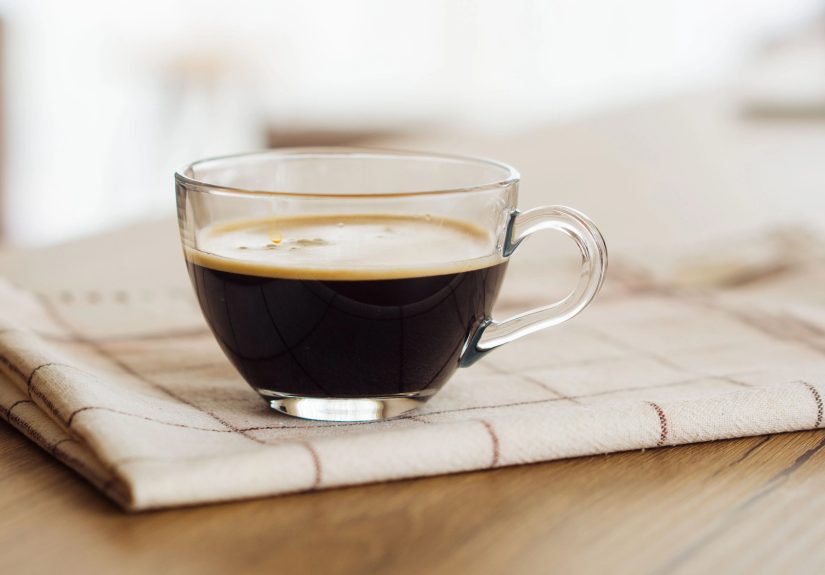
5) Coffee (caffeinated or even decaf)
Coffee is famous for a reason: it can stimulate colon contractions and trigger the gastrocolic reflexyour body’s
natural response that says, “Food (or drink) is coming in; let’s make room.” For some people, that effect hits fast. For others, it’s subtle,
and for a few lucky souls, it does nothing at all.
How to use it: Pair coffee with breakfast, and give yourself time to use the bathroom without rushing.
If caffeine makes you anxious, shaky, or disrupts your sleep, don’t force ittry decaf, which may still have a bowel-stimulating effect for some.
Important note: Coffee can also be dehydrating for some people if it replaces water all day. Use coffee as a helper, not your
entire hydration strategy.
Reality check: If you only poop when you drink coffee, that’s a sign your routine (hydration, fiber, movement, and timing) might need
a little support so you’re not relying on “Bean Juice Scheduling.”
6) Kefir (or another probiotic-rich cultured drink)
Kefir is a fermented dairy drink that contains beneficial bacteria (probiotics). Some studies suggest certain probiotic foods may support gut function,
reduce bloating, and improve stool frequency in some peopleespecially if constipation is linked to slower gut transit or an unhappy microbiome.
How to use it: Start with a small serving and see how you feel. Consistency matters more than one giant gulp.
If you’re lactose intolerant, look for lactose-free kefir or cultured non-dairy options (results vary).
What to expect: This isn’t usually an “I drank it and sprinted to the bathroom” situation. Probiotic drinks may help gradually over days
to weeks, depending on the person and the product.
Bonus idea: Blend kefir with kiwi, berries, or a spoon of ground flax/chia for a gut-friendly smoothie. (Add fiber slowly to avoid gas.)
Make these drinks work better: the “don’t waste your effort” checklist
Drinks help most when you pair them with the habits your gut expects:
- Eat breakfast: A morning meal can boost the gastrocolic reflex and encourage a bowel movement.
- Move a little: A 10–20 minute walk can help stimulate gut motility.
- Try a bathroom routine: Sit after breakfast, feet supported (a small stool can help), and relax.
- Increase fiber gradually: Going from “almost no fiber” to “all the fiber” overnight can backfire.
- Don’t ignore urges: Repeatedly holding it can make stools drier and harder to pass.
Drinks that can make constipation worse (or at least not help)
- Alcohol: Can contribute to dehydration and disrupt digestion.
- Very sugary sodas: Not helpful for stool softness and may worsen bloating.
- Too much dairy for some people: If dairy tends to constipate you, kefir might still be okay (because it’s cultured), but listen to your body.
When constipation needs medical attention
Most occasional constipation improves with fluids, food, and routine. But you should talk to a healthcare professional (and if you’re a teen, loop in a parent/guardian)
if you have any of the following:
- Constipation lasting more than 2 weeks or becoming a frequent pattern
- Severe abdominal pain, vomiting, fever, or swelling
- Blood in the stool or black/tarry stools
- Unexplained weight loss, fatigue, or worsening symptoms
- Constipation after starting a new medication or supplement
Also, if you feel like you can’t pass stool at all and you’re in significant pain, don’t try to “power through” with juiceget medical advice promptly.
of real-life experiences: what constipation “looks like” in daily life
Constipation rarely shows up with a villain monologue. It usually arrives quietly, disguised as “I’m busy” or “I’ll go later,” and then suddenly it’s day three
and your bathroom confidence has left the chat.
One of the most common stories is travel constipation. You’re out of your routine, eating differently, sitting more, maybe drinking less water because
you don’t want to stop for bathrooms. Your gut is basically saying, “New place? New toilet? I don’t know her.” In this situation, people often find that starting the day
with water and a warm drink, followed by breakfast, helps re-start the rhythm. Pear or prune juice can work toobut travel is not the time to test your personal tolerance
for “extra-large serving sizes.” Start small.
Another super common scenario is school or work stress. When you’re anxious, your appetite shifts, your sleep gets weird, and you might live on snacks
that are convenient but low in fiber. Add a long day of sitting, and your gut slows down like it’s buffering. In real life, the “fix” usually looks less like a miracle drink
and more like stacking small wins: water throughout the day, coffee (if it agrees with you) in the morning, and a probiotic drink like kefir a few times a week for steady support.
People often report that once they stop treating hydration like an optional side quest, things improve.
Then there’s the “I’m eating healthy now!” experience. You add fiberoatmeal, salads, beans, chiaovernight. Your intentions are pure. Your gut, however,
reacts like you just moved furniture into a tiny apartment without measuring the doorway. The result can be bloating and constipation at the same time. This is where drinks
matter a lot: fiber needs water to do its job. People who gradually increase fiber while also increasing fluids tend to have a smoother transition (literally and emotionally).
Finally, there’s the morning routine breakthrough. Many people realize their body responds best when they stop rushing. A warm drink, breakfast, and 10 minutes
of calm bathroom time can be more powerful than any “detox” trend. The big lesson from real life is that constipation isn’t always a single problemit’s often a combo of timing,
hydration, movement, and what you’re eating. Drinks are the easiest lever to pull, but they work best when the rest of your day stops sabotaging your gut.
Conclusion
If you’re constipated, start simple: water and warm fluids support stool softness and gut movement. Add targeted options like
prune juice or pear juice for a stronger nudge, and consider coffee if it works for your body. For longer-term support,
kefir (or another cultured probiotic drink) may help some people improve regularity over time.
Keep portions reasonable, increase fiber slowly, and give your gut a routine it can trust. And if constipation is persistent, painful, or comes with red-flag symptoms,
get medical guidancebecause your body deserves more than a guessing game.