Table of Contents >> Show >> Hide
- Why Try Rice Alternatives?
- 1. Quinoa: The Fluffy, Protein-Friendly Swap
- 2. Cauliflower Rice: The Low-Carb Chameleon
- 3. Farro: The Chewy Grain Bowl Hero
- 4. Barley: The Cozy, Nutty Comfort Grain
- 5. Bulgur: The Fast-Cooking Weeknight Winner
- 6. Wild Rice: The Bold, Earthy Upgrade
- 7. Lentils: The Protein-Packed Bowl Base
- 8. Chickpea Rice: The Quick Legume-Based Option
- How to Choose the Best Rice Alternative for Your Meal
- Simple Flavor Formulas for Better Rice Swaps
- Common Mistakes to Avoid
- Experience Notes: What It Is Really Like to Swap Rice in Everyday Cooking
- Conclusion
- SEO Tags
Rice is the dependable friend of dinner: calm, affordable, easygoing, and always ready to sit under something saucy. But even the most loyal rice fan eventually wants a little variety. Maybe you are trying to add more fiber, bring more protein to your bowl, explore lower-carb sides, or simply rescue Tuesday night dinner from tasting like Monday night dinner wearing a different hat.
The good news? There are plenty of delicious rice alternatives that slide into bowls, stir-fries, casseroles, salads, soups, and meal-prep containers without making dinner complicated. Some are whole grains with nutty flavor and satisfying chew. Some are vegetables dressed up in tiny “rice-like” pieces. Others are legumes that bring plant-based protein to the party. None of them require a culinary degree, a mysterious appliance, or a pantry that looks like a wellness influencer’s garage.
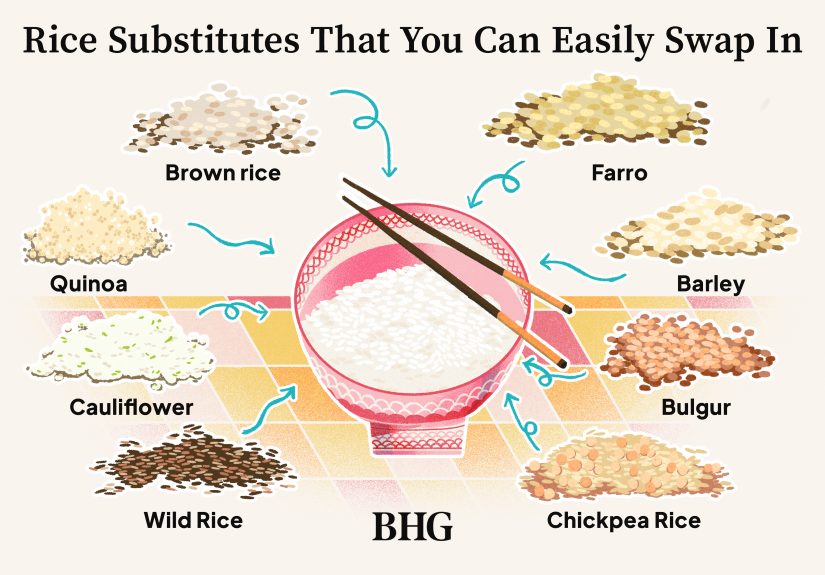
Below are eight easy rice substitutes worth adding to your kitchen rotation, plus cooking tips, flavor ideas, and real-life swap suggestions so you can choose the right one for your next meal.
Why Try Rice Alternatives?
Rice can absolutely be part of a balanced diet. The point is not to exile it from your plate like it forgot your birthday. The goal is variety. Swapping rice now and then can help you enjoy different textures, nutrients, and flavors. Whole grains such as quinoa, barley, bulgur, farro, and wild rice often bring more fiber than refined white rice. Legumes such as lentils and chickpea-based rice add plant-based protein. Vegetables such as cauliflower rice are useful when you want a lighter, lower-carb base that still soaks up sauces.
The best rice alternative depends on the dish. A saucy curry may love cauliflower rice. A grain bowl may shine with farro. A quick lunch salad may prefer bulgur. A hearty soup may beg for barley. In other words, think of these swaps less like replacements and more like auditions. Some will become regular cast members.
1. Quinoa: The Fluffy, Protein-Friendly Swap
Quinoa is one of the most popular rice alternatives because it is quick, mild, and flexible. Technically, it is a seed, but it cooks and behaves much like a grain. It has a delicate nutty taste and a fluffy texture that works well in burrito bowls, stuffed peppers, breakfast bowls, casseroles, and cold salads.
How to use quinoa instead of rice
Use quinoa anywhere you would normally use white rice as a neutral base. It pairs beautifully with roasted vegetables, grilled chicken, salmon, black beans, avocado, feta, herbs, and lemon dressing. For a simple side dish, cook it with vegetable broth instead of water, then stir in olive oil, parsley, lemon zest, and a pinch of garlic powder.
For best texture, rinse quinoa before cooking. This helps remove its naturally bitter coating, called saponin. A typical ratio is one part quinoa to two parts water or broth. Simmer until the liquid is absorbed, then let it sit covered for a few minutes before fluffing with a fork. Tiny step, big payoff.
2. Cauliflower Rice: The Low-Carb Chameleon
Cauliflower rice is made by chopping or pulsing cauliflower into small pieces that resemble rice grains. It is mild, light, and surprisingly useful. No, it will not trick anyone into thinking it is jasmine rice. Cauliflower is not running a disguise business. But it does absorb sauces well and adds vegetables to meals with almost no drama.
How to use cauliflower rice instead of rice
Cauliflower rice is excellent with stir-fries, taco bowls, curry, teriyaki chicken, shrimp, eggs, and skillet meals. You can buy it fresh or frozen, or make it at home with a food processor. The key is not overcooking it. A few minutes in a hot skillet is usually enough. Cook it too long and it can become watery, which is not the vibe.
For better flavor, sauté it with olive oil, garlic, salt, pepper, and a squeeze of lime or lemon. If you want a more filling bowl, mix half cauliflower rice and half cooked quinoa, barley, or wild rice. This “half-and-half” method is a clever way to keep the comfort of grains while adding more vegetables.
3. Farro: The Chewy Grain Bowl Hero
Farro is a wheat grain with a pleasantly chewy texture and a warm, nutty flavor. It is the kind of grain that makes a salad feel like a meal instead of a pile of leaves having an identity crisis. Because farro holds its shape well, it is especially good for meal prep.
How to use farro instead of rice
Farro works beautifully in grain bowls, soups, risotto-style dishes, stuffed vegetables, and hearty salads. Try it with roasted sweet potatoes, kale, mushrooms, chicken, chickpeas, or a lemon-tahini dressing. It also makes an excellent base for Mediterranean bowls with cucumber, tomato, olives, hummus, and grilled protein.
Cooking time varies depending on whether the farro is whole, semi-pearled, or pearled. Pearled farro cooks faster, while whole farro takes longer and has a more robust texture. If you are short on time, look for quick-cooking farro or cook a batch on Sunday and refrigerate it for easy lunches.
4. Barley: The Cozy, Nutty Comfort Grain
Barley is hearty, chewy, and slightly nutty. It is famous for soup, but do not let soup have all the fun. Barley can stand in for rice in pilafs, casseroles, grain bowls, and even risotto-style recipes. It brings a satisfying bite that makes simple dishes feel more substantial.
How to use barley instead of rice
Use barley in mushroom “barlotto,” vegetable soup, chicken bowls, roasted vegetable plates, and warm salads. It loves earthy flavors: mushrooms, onions, carrots, thyme, garlic, beef or vegetable broth, and Parmesan. If rice is the quiet background music, barley is the acoustic guitar solo.
Pearled barley is more common in grocery stores and cooks faster, though it is more processed than hulled barley. Hulled barley has more of the original grain intact but takes longer. Either can be useful, depending on your schedule and texture preference.
5. Bulgur: The Fast-Cooking Weeknight Winner
Bulgur is cracked wheat that has been parboiled and dried, which means it cooks quickly. That makes it one of the easiest rice alternatives for busy nights. It has a tender, slightly chewy texture and a mild wheat flavor that works especially well in Mediterranean and Middle Eastern-inspired dishes.
How to use bulgur instead of rice
Bulgur is fantastic in tabbouleh-style salads, stuffed peppers, grain bowls, veggie patties, and quick pilafs. Add chopped parsley, cucumber, tomatoes, lemon juice, olive oil, and scallions for a bright side dish that tastes like it came from a picnic with excellent taste.
Fine bulgur may only need soaking in hot water, while coarser bulgur usually needs simmering. Because it cooks so fast, it is a smart choice when you want a wholesome base without babysitting a pot for 45 minutes.
6. Wild Rice: The Bold, Earthy Upgrade
Despite the name, wild rice is not the same as regular white or brown rice. It is the seed of an aquatic grass, and it has a deep, nutty flavor with a firm, chewy texture. It looks dramatic on the plate, which is useful when dinner needs a little “restaurant energy” without restaurant prices.
How to use wild rice instead of rice
Wild rice is excellent in soups, holiday side dishes, grain bowls, casseroles, and salads with dried cranberries, pecans, apples, celery, roasted squash, or herbs. It pairs especially well with poultry, mushrooms, and creamy sauces.
The main thing to know is that wild rice takes longer to cook than many other rice swaps. Make it when you have time, or batch-cook it ahead. Once cooked, it keeps well in the refrigerator and can be tossed into lunches all week.
7. Lentils: The Protein-Packed Bowl Base
Lentils are not grains, but they make a surprisingly satisfying rice alternative when you want a hearty base with plant-based protein and fiber. They come in several varieties, and each behaves differently. Green and brown lentils hold their shape well. Red lentils cook down softer, making them better for soups, stews, and sauces.
How to use lentils instead of rice
Use cooked green or brown lentils as the base for curry bowls, taco bowls, Mediterranean bowls, and roasted vegetable plates. They also work well mixed with grains. For example, half lentils and half quinoa creates a filling base with a pleasant mix of textures.
Lentils love bold seasoning. Try cumin, smoked paprika, turmeric, garlic, ginger, tomato paste, curry powder, lemon, vinegar, or fresh herbs. If you think lentils are boring, the problem is usually not the lentils. It is the seasoning standing in the corner doing nothing.
8. Chickpea Rice: The Quick Legume-Based Option
Chickpea rice is a newer pantry option made from chickpea flour or chickpea-based ingredients shaped into rice-like pieces. It is a convenient choice for people who want a rice-style side with more plant-based protein than plain white rice. The flavor is mild and slightly nutty, and the texture can feel closer to tiny pasta than traditional rice.
How to use chickpea rice instead of rice
Chickpea rice works well in quick skillet meals, pasta-style salads, tomato-based dishes, and bowls with roasted vegetables. Because it cooks fast, it is great for lunches and weeknight dinners. Try it with pesto, marinara, lemon-garlic vegetables, sautéed spinach, or grilled chicken.
One tip: follow the package directions closely. Chickpea-based rice can go from tender to too-soft faster than whole grains. Drain it well, toss it with a little olive oil, and season immediately so it does not clump together like it is forming a tiny union.
How to Choose the Best Rice Alternative for Your Meal
Not every rice substitute fits every dish. The easiest way to choose is to think about texture, cooking time, and flavor.
For stir-fries
Choose cauliflower rice for a lighter base, quinoa for a fluffy base, or farro for a chewy bite. If the sauce is strong, cauliflower rice works especially well because it takes on surrounding flavors.
For soups
Barley, wild rice, and lentils are excellent because they hold up in broth and add body. Farro also works if you want chewiness without mush.
For salads
Bulgur, quinoa, farro, and wild rice are strong choices. They taste good warm, room temperature, or chilled, which makes them perfect for meal prep.
For quick weeknight dinners
Try bulgur, quinoa, cauliflower rice, or chickpea rice. These cook fast and do not require much planning. Barley and wild rice are wonderful, but they are more of a “start earlier” situation.
For meal prep
Farro, barley, wild rice, lentils, and quinoa all hold well in the refrigerator. Cook a big batch, cool it, and store it in airtight containers. During the week, reheat with a splash of water or broth to bring back moisture.
Simple Flavor Formulas for Better Rice Swaps
The secret to loving rice alternatives is not just cooking them correctly. It is seasoning them like you mean it. Plain grains can taste flat, but a few simple additions make them exciting.
Lemon-herb style
Use quinoa, bulgur, or farro. Add lemon juice, olive oil, parsley, dill, garlic, cucumber, and a little feta.
Cozy mushroom style
Use barley, farro, or wild rice. Add sautéed mushrooms, onions, thyme, black pepper, and a spoonful of Parmesan.
Taco bowl style
Use cauliflower rice, quinoa, lentils, or chickpea rice. Add cumin, chili powder, lime, black beans, corn, salsa, avocado, and cilantro.
Asian-inspired stir-fry style
Use cauliflower rice, quinoa, or farro. Add ginger, garlic, low-sodium soy sauce, sesame oil, scallions, carrots, peas, and scrambled egg or tofu.
Common Mistakes to Avoid
The first mistake is treating every rice alternative exactly like rice. Some need more water. Some need less. Some need draining. Some need only soaking. Read the package once, and future-you will be grateful.
The second mistake is under-seasoning. Many grains absorb flavor best when cooked in broth or salted water. If you cook everything in plain water and add nothing afterward, do not be shocked when dinner tastes like a beige Monday.
The third mistake is overcooking. Cauliflower rice turns watery, chickpea rice softens quickly, and quinoa can become mushy if drowned. Texture matters. Set a timer and taste as you go.
The fourth mistake is choosing the wrong swap for the job. A creamy casserole may handle barley beautifully, but cauliflower rice may release too much moisture unless you cook it first. A cold salad may love farro, but red lentils may become too soft. Matching the ingredient to the recipe is half the win.
Experience Notes: What It Is Really Like to Swap Rice in Everyday Cooking
The easiest rice alternative to start with is quinoa because it behaves politely. It cooks quickly, sits nicely under sauces, and does not demand a personality adjustment from the rest of the meal. In a burrito bowl, quinoa can replace rice almost one-for-one. Add black beans, grilled corn, salsa, lettuce, avocado, and a squeeze of lime, and most people will focus on the flavor, not the swap. The trick is cooking quinoa in broth and fluffing it well. Plain quinoa can taste a little shy; seasoned quinoa shows up wearing a nice jacket.
Cauliflower rice is the swap that gets the strongest reactions. Some people love it immediately because it is light and quick. Others expect it to taste like rice and feel betrayed. The better approach is to treat cauliflower rice as a vegetable base, not a rice impersonator. It is excellent with saucy foods: curry, stir-fry, taco meat, teriyaki tofu, or garlicky shrimp. It also works well when mixed with real grains. A half-cauliflower, half-quinoa bowl has more texture and feels more satisfying than cauliflower alone.
Farro is the surprise favorite for many home cooks. It has chew, flavor, and a “real meal” quality that makes leftovers better. A farro bowl with roasted vegetables, chicken, chickpeas, and tahini dressing can sit in the fridge for a couple of days and still taste intentional. Rice sometimes dries out during meal prep, but farro holds up like it signed a contract.
Barley is the comfort-food option. It belongs in soup, yes, but it also makes a great base for mushroom bowls and savory casseroles. If you enjoy creamy textures, barley cooked slowly with broth can feel almost like risotto. It is not fast, so the best strategy is batch cooking. Make extra and freeze portions for future soups or quick sides.
Bulgur is the weeknight hero. It cooks quickly, tastes nutty, and turns chopped vegetables into a meal. It is especially useful when the fridge has random cucumbers, tomatoes, herbs, or leftover grilled protein. Add lemon and olive oil, and suddenly you have lunch instead of “ingredients staring at each other.”
Wild rice feels special. It has a bold flavor, so it is not the best choice when you want something invisible under sauce. But in soups, holiday sides, and autumn-style bowls with squash or mushrooms, it is fantastic. Lentils, meanwhile, are the practical powerhouse. They are filling, affordable, and flexible. They do not mimic rice, but they can replace rice as the satisfying base of a meal. Chickpea rice is the convenience pick: fast, protein-friendly, and useful when you want something that feels close to pasta but plays the role of rice.
The real lesson is simple: do not force one substitute to do every job. Keep two or three favorites around. Use quinoa for easy bowls, cauliflower rice for saucy low-carb meals, farro for meal prep, and bulgur for fast salads. Rice can stay in the pantry, of course. It just no longer has to carry dinner alone.
Conclusion
Rice is a classic for a reason, but your kitchen gets more interesting when you have a few delicious rice alternatives ready to go. Quinoa brings fluff and protein. Cauliflower rice keeps things light and vegetable-forward. Farro adds chew. Barley brings cozy comfort. Bulgur saves busy nights. Wild rice adds bold flavor. Lentils make bowls hearty. Chickpea rice offers a quick legume-based twist.
The best part is that none of these swaps require complicated cooking. Start with one, pair it with a familiar recipe, and season it well. Before long, your dinner routine will have more flavor, more texture, and fewer “rice again?” moments.