Table of Contents >> Show >> Hide
- Why Pan-Fried Short Ribs Work (and When They Don’t)
- Main Keywords and LSI Keywords Used Naturally
- Ingredients for Easy Pan-Fried Short Ribs
- Equipment You’ll Want
- How to Cook Pan-Fried Short Ribs (Step-by-Step)
- Pan-Fried Short Ribs Recipe (Quick Weeknight Version)
- Common Mistakes (and How to Avoid Them)
- What to Serve with Pan-Fried Short Ribs
- Storage, Reheating, and Food Safety Tips
- FAQ: How to Cook Short Ribs in a Pan
- 500+ Words of Practical Experiences with Pan-Fried Short Ribs (Real-World Kitchen Notes)
- Conclusion
If you’ve only ever had short ribs in the “slow-braised-until-they-melt” category, pan-fried short ribs can feel like a plot twist. A delicious plot twist. The trick is simple: use the right cut (usually thin flanken-style or thin boneless short rib slices), then cook them hot and fast in a skillet so they caramelize beautifully instead of turning into chewy little dumbbells.
This guide walks you through everything you need to know: which short ribs work best for pan-frying, how to season or marinate them, skillet technique, timing, doneness, common mistakes, and how to make them taste like a weeknight dinner that accidentally became the main character.
Why Pan-Fried Short Ribs Work (and When They Don’t)
Short ribs are rich, beefy, and marbled with fat, which is great news for flavor. The challenge is texture: many short rib cuts are naturally loaded with connective tissue, so thick pieces usually shine in braises and slow cooking. But thin cutsespecially flanken-style short ribsare ideal for high-heat cooking because they cook quickly and pick up great browning.
Best cuts for pan-frying
- Flanken-style short ribs (best choice): Thin slices cut across the bones. These are classic for Korean-style short ribs and cook fast in a skillet.
- Boneless short rib, thinly sliced: Great for skillet searing and quick stir-fry style cooking.
- English-cut short ribs (thick bone-in): Usually not ideal for a quick pan-fry. They’re better braised, or at least seared first and then finished gently.
Bottom line: If your goal is truly pan-fried short ribs (not a braise), buy thin-cut flanken ribs or ask your butcher for thin slices of boneless short rib.
Main Keywords and LSI Keywords Used Naturally
This article naturally incorporates terms such as pan-fried short ribs, how to cook short ribs in a pan, flanken short ribs, cast-iron short ribs, skillet short ribs, pan-seared beef short ribs, and short rib marinade.
Ingredients for Easy Pan-Fried Short Ribs
Option A: Simple Salt-and-Pepper Pan-Fried Short Ribs (Great for Beginners)
- 2 pounds flanken-style short ribs (about 1/4 to 1/2 inch thick)
- 1 1/2 teaspoons kosher salt (adjust to taste)
- 1 teaspoon freshly ground black pepper
- 1 tablespoon neutral oil (avocado, canola, or grapeseed)
- 2 cloves garlic, minced (optional, added later)
- 1 tablespoon butter (optional, for finishing)
- 1 teaspoon lemon juice or rice vinegar (optional, for balance)
- Chopped scallions or parsley for garnish
Option B: Quick Marinade (Korean-Inspired, Pan-Friendly)
If you want sticky, savory-sweet, caramelized short ribs, use this marinade. It’s designed for skillet cooking, so it’s flavorful without turning into a burnt sugar emergency.
- 1/4 cup low-sodium soy sauce
- 1 tablespoon brown sugar or honey
- 1 tablespoon toasted sesame oil
- 1 tablespoon neutral oil
- 1 tablespoon grated pear or apple (optional, for tenderness and sweetness)
- 2 teaspoons grated garlic
- 1 teaspoon grated ginger
- 1 teaspoon rice vinegar
- 1/4 teaspoon black pepper
Marinating tip: For pan-frying, 30 minutes to 4 hours is usually enough. Longer is fine in many cases, but the texture can become too soft depending on the marinade (especially if fruit is involved).
Equipment You’ll Want
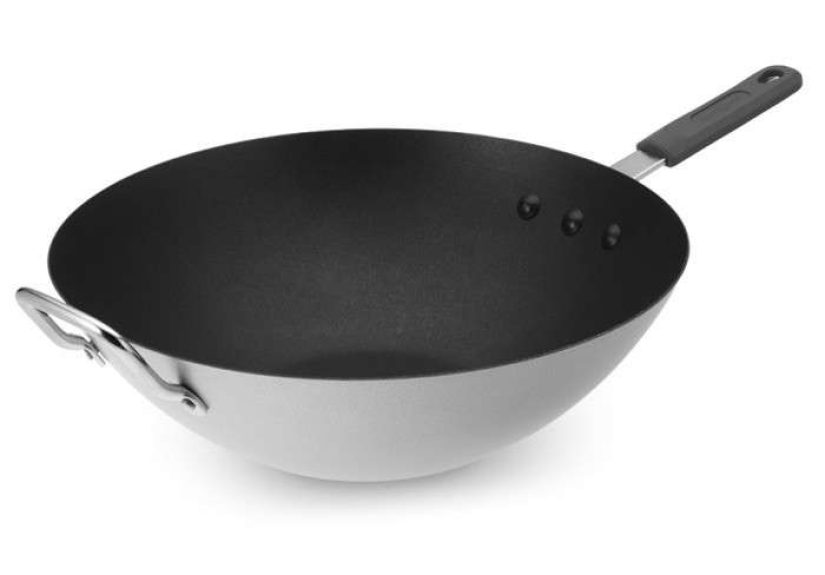
- Cast-iron skillet or heavy stainless-steel skillet: Best for browning and a proper crust.
- Tongs
- Paper towels (seriously important for drying the meat)
- Instant-read thermometer (recommended)
- Splatter screen (optional, but your stovetop may send a thank-you note)
How to Cook Pan-Fried Short Ribs (Step-by-Step)
Step 1: Choose the right ribs
Look for thin flanken-style short ribs with good marbling. You want meat that looks rich and well-striped with fat, not ultra-lean. Thin cuts cook evenly and quickly, which is exactly what pan-frying needs.
Step 2: Marinate or season
You have two good routes:
- Simple seasoning: Salt and pepper for a steak-like result.
- Quick marinade: Soy, garlic, ginger, sesame oil, and a little sweetness for a Korean-inspired flavor profile.
If marinating, refrigerate the ribs and do not leave them on the counter. When you’re ready to cook, remove them from the marinade and pat them dry. This is the step people skip and then wonder why they got gray meat instead of a crust.
Step 3: Dry the surface really well
Moisture is the enemy of browning. Even if you marinated the ribs, blot them thoroughly with paper towels. A lightly coated surface is fine, but dripping wet meat will steam in the pan.
Pro move: If using a sugary marinade, shake off excess marinade before cooking. Save the marinade only if you plan to boil it hard before using it as a sauce.
Step 4: Preheat the skillet properly
Put your skillet over medium to medium-high heat and let it preheat until hot and even. A rushed preheat creates hot spots, sticking, and uneven color. Add oil after the pan is hot, then swirl.
You’re aiming for a surface that sizzles immediately when the meat touches it. Not “warm.” Not “thinking about getting hot.” Actually hot.
Step 5: Pan-fry in batches (do not crowd the pan)
Lay the short ribs in a single layer. Leave a little space between pieces. Crowding traps steam and kills the crust.
Cook times for flanken-style ribs (approximate)
- 1/4-inch thick: 2–3 minutes per side
- 1/2-inch thick: 3–4 minutes per side
If the marinade contains sugar, reduce the heat slightly once browning starts so the exterior caramelizes instead of burning. You want deep mahogany color, not “campfire marshmallow gone wrong.”
Step 6: Optional finish with garlic-butter or a quick glaze
When the ribs are nearly done, lower the heat and add a small knob of butter plus minced garlic. Toss for 30–60 seconds. For a glossy finish, add 1–2 tablespoons of water or stock and scrape up the browned bits (fond), then swirl until shiny.
Want a Korean-style finish? Add a spoonful of boiled marinade or a fresh mini-glaze made from soy sauce, a little honey, and water. Simmer briefly and coat the ribs.
Step 7: Check doneness and rest briefly
Short ribs are a whole-muscle beef cut, so using an instant-read thermometer is the safest way to confirm doneness. For food safety, cook to an internal temperature appropriate for beef steaks/roasts/chops and allow a short rest. If your slices are very thin, the reading may be trickyuse the thickest meaty section and rely on visual cues too (firmness, juices running clearer, and well-rendered fat).
Rest the ribs for a few minutes before serving so the juices settle. Thin cuts don’t need a long rest, but even 3–5 minutes helps.
Pan-Fried Short Ribs Recipe (Quick Weeknight Version)
Ingredients
- 2 pounds flanken-style short ribs
- 1 teaspoon kosher salt
- 1/2 teaspoon black pepper
- 1 tablespoon neutral oil
- 1 tablespoon butter
- 2 cloves garlic, minced
- 1 teaspoon soy sauce
- 1 teaspoon honey
- 1 tablespoon water
- Scallions and sesame seeds for garnish (optional)
Instructions
- Pat ribs dry thoroughly and season with salt and pepper.
- Preheat a cast-iron skillet over medium-high heat for several minutes until evenly hot.
- Add oil, then place ribs in a single layer. Cook in batches if needed.
- Cook 2–4 minutes per side depending on thickness, until deeply browned and sizzling.
- Lower heat to medium. Add butter and garlic; toss for 30 seconds.
- Add soy sauce, honey, and water. Stir and coat the ribs for 30–60 seconds.
- Transfer to a plate and rest 3–5 minutes.
- Garnish with scallions and sesame seeds. Serve hot.
Common Mistakes (and How to Avoid Them)
1) Using thick English-cut ribs for a quick pan-fry
These are usually better for braising. If that’s what you bought, don’t panicsear them in the pan, then add liquid and cover for a stovetop braise.
2) Skipping the drying step
Wet meat steams. Dry meat sears. This is one of the biggest differences between “fine” and “wow.”
3) Starting in a lukewarm pan
Insufficient preheating leads to sticking and pale browning. A properly preheated cast-iron or stainless-steel pan makes life easier.
4) Overcrowding the skillet
Cook in batches. Yes, it takes a little longer. Yes, it is worth it. No, the laws of steam cannot be negotiated.
5) Burning the marinade
Sugary marinades brown fast. Shake off excess marinade, use medium-high instead of maximum heat, and adjust as needed.
6) Cutting with the grain
For boneless short rib slices, cut against the grain after resting for a more tender bite.
What to Serve with Pan-Fried Short Ribs
- Steamed rice or garlic rice
- Kimchi and lettuce wraps (ssam-style)
- Cucumber salad or quick pickles
- Mashed potatoes or creamy polenta (for a steakhouse vibe)
- Roasted broccoli or blistered green beans
- Scallion salad, herbs, and lime wedges
Storage, Reheating, and Food Safety Tips
- Keep raw ribs refrigerated and marinate in the refrigerator, not on the counter.
- If you want to use marinade as sauce, boil it vigorously first.
- Refrigerate leftovers within 2 hours of cooking.
- Reheat leftovers until steaming hot (especially if mixed with sauce).
- Thaw frozen short ribs safely in the refrigerator, cold water, or microwavenot at room temperature.
FAQ: How to Cook Short Ribs in a Pan
Can I pan-fry short ribs without marinating?
Absolutely. Salt, pepper, and good pan technique can produce excellent results. Finish with garlic butter, pan sauce, or chimichurri for extra flavor.
Are pan-fried short ribs tender?
They can be very tender if you use thin flanken-style cuts or thin-sliced boneless short rib and avoid overcooking. Thick short ribs are better braised.
Can I use a nonstick pan?
You can, but it’s not ideal for high-heat searing. Cast iron or stainless steel gives better browning and better fond for sauces.
How long should I marinate short ribs?
For pan-fried flanken ribs, 30 minutes to 4 hours is often plenty. Overnight works for many marinades, but stronger acidic or fruit-heavy marinades can soften the texture too much.
Can I make pan-fried short ribs spicy?
Yes. Add gochujang, chili flakes, cayenne, or sliced fresh chilies to the marinade or finishing sauce.
500+ Words of Practical Experiences with Pan-Fried Short Ribs (Real-World Kitchen Notes)
One of the most common experiences home cooks have with pan-fried short ribs is buying the wrong cut first. It usually goes like this: you see “short ribs” at the store, bring home thick English-cut bone-in pieces, throw them in a skillet, and then realize they’re browning nicely on the outside but still stubbornly tough in the center. That is not a cooking failureit’s a cut mismatch. Once people switch to flanken-style ribs or thin-sliced boneless short rib, the whole process suddenly makes sense. The meat cooks quickly, the fat renders better, and the texture becomes much more satisfying for a skillet method.
Another very common experience: the first batch is amazing, and the second batch is… less amazing. Usually that happens because the pan temperature drifts. After a sugary marinade hits the skillet, the pan can collect browned bits that move from “flavor” to “burnt” fast. The fix is simple and worth remembering: wipe out the skillet between batches if needed, add a fresh small amount of oil, and let the pan recover heat before adding more ribs. That little reset keeps later batches just as good as the first one.
Home cooks also often report that pan-fried short ribs taste better than expected even with a very simple seasoning. Because short ribs are naturally rich and beefy, a salt-and-pepper version can be surprisingly luxurious. In fact, many people who start with a complicated marinade eventually settle into two favorite versions: a minimal “steakhouse” style (salt, pepper, garlic butter) and a Korean-inspired soy-sesame-garlic style for nights when they want something sticky and bold.
A practical lesson that comes up again and again is the importance of drying the ribs after marinating. It feels wrong at firstlike you’re wiping away flavorbut you’re not. You’re removing excess surface liquid so the pan can brown the meat instead of steaming it. Cooks who start patting marinated ribs dry almost always notice a dramatic improvement in color, caramelization, and texture. The flavor still stays because the marinade has already done its work.
Serving style is another experience-based upgrade. Pan-fried short ribs often feel richer than people expect, so they benefit from contrast. A bowl of plain rice works, but the meal gets much more balanced when you add something crisp or acidic: quick cucumber salad, kimchi, pickled onions, or even just lettuce leaves and a squeeze of lime. That contrast cuts the richness and makes the ribs feel less heavy, which means they disappear faster. (You have been warned.)
Finally, many cooks discover that pan-fried short ribs become a “special but easy” dinner in their rotation. They look impressive, cook fast, and feel restaurant-level with very little effort once you learn the cut and skillet timing. The first attempt might involve some smoke, a few splatters, and at least one moment of panic while checking the heat. But after one or two rounds, the process becomes intuitive: dry the meat, heat the pan properly, cook in batches, rest briefly, and serve immediately. That rhythm is what turns pan-fried short ribs from a one-time experiment into a reliable favorite.
Conclusion
Learning how to cook pan-fried short ribs is mostly about learning which short ribs to pan-fry. Pick thin flanken-style ribs (or thin boneless slices), dry them well, use a properly preheated skillet, and cook in batches for deep browning. Whether you go simple with salt and pepper or full savory-sweet marinade, you’ll get bold flavor, crispy edges, and juicy bites without spending all day braising. In short: the right cut plus the right pan technique equals short rib happiness.