Table of Contents >> Show >> Hide
- What Is Purslane, Exactly?
- Why Purslane Is So Hard To Get Rid Of
- How To Get Rid of Purslane in Garden Beds
- How To Get Rid of Purslane in a Vegetable Garden
- How To Get Rid of Purslane in Lawns
- Should You Use a Preemergent for Purslane?
- Common Mistakes That Make Purslane Worse
- Can You Eat Purslane?
- The Best Long-Term Purslane Control Plan
- Experience and Real-Life Lessons From Fighting Purslane
- Final Thoughts
If purslane has set up camp in your yard, garden bed, walkway cracks, or lawn, welcome to a very annoying club. This sneaky summer weed looks harmless at firstalmost cute, even, with its plump little leaves and low-growing habit. Then suddenly it spreads into a thick mat, laughs at your hoe, and acts like your flower bed is a beachfront property it booked months ago.
The good news? You can get rid of purslane. The less-fun news? You need to be smarter than it, because common purslane is one of those weeds that knows a few survival tricks. It drops huge numbers of seeds, thrives in hot weather, and can sometimes reroot from broken stem pieces. In other words, this is not a “pull once and forget forever” situation.
This guide breaks down how to identify purslane, why it keeps coming back, and the most effective ways to remove it from garden beds, vegetable patches, and lawns without turning your weekend into a full-scale weed melodrama.
What Is Purslane, Exactly?
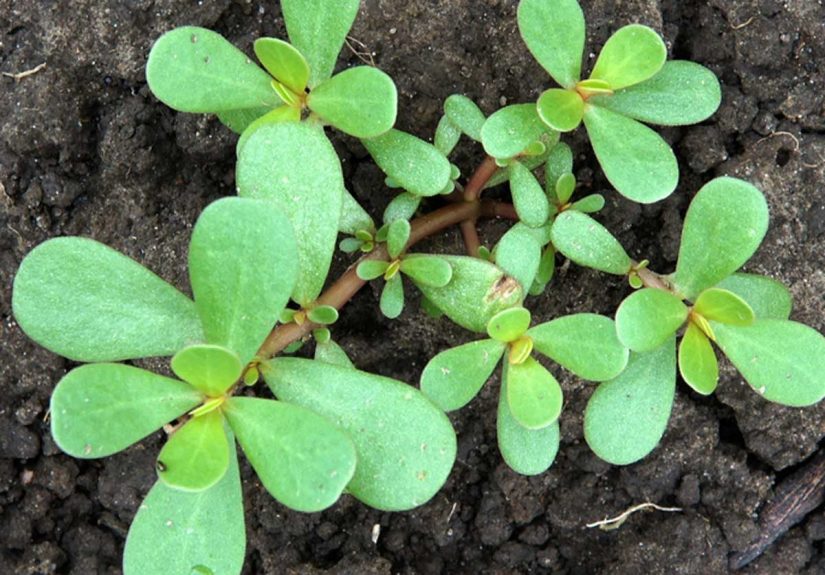
Common purslane (Portulaca oleracea) is a summer annual weed with smooth, succulent leaves and reddish stems that sprawl outward from a central point. It forms low, dense mats and produces tiny yellow flowers. If you have ever seen a weed that looks slightly like a mini jade plant trying to invade your tomatoes, that was probably purslane.
One reason homeowners miss it early is that it can blend in with other low weeds. It is also often confused with spotted spurge. Here is the easiest real-world difference: spurge has milky white sap when the stem is broken, while purslane does not. That tiny detail can save you from fighting the wrong weed with the wrong strategy.
Also worth knowing: purslane is edible in some settings and is sold as a food crop in certain markets. That does not mean you should let it run wild through the vegetable garden like it pays rent. A plant can be edible and still be a nuisance. Kale is invited to dinner. Purslane shows up unannounced and brings 240,000 seeds.
Why Purslane Is So Hard To Get Rid Of
1. It makes an absurd number of seeds
Purslane is not shy about reproduction. A single plant can produce an astonishing number of seeds, which is why a small patch one year can become a green carpet the next. Worse, those seeds can remain viable in the soil for years. So if you allow mature plants to flower and set seed, you are not just dealing with today’s weed problemyou are funding future chaos.
2. Broken pieces may reroot
Many weeds sulk after cultivation. Purslane takes it as a growth opportunity. Larger plants can reroot from fleshy stem fragments if they are left on moist soil after hoeing or pulling. That means careless chopping can accidentally become purslane propagation. Not ideal.
3. It loves heat, sun, and disturbed soil
Purslane thrives in warm weather and germinates near the soil surface, especially after irrigation or rain. It loves open, sunny spaces, thin turf, bare soil, cracks in pavement, and recently disturbed garden beds. In short, it adores the exact conditions many yards provide in late spring and summer.
How To Get Rid of Purslane in Garden Beds
If purslane is invading ornamental beds, raised beds, or open garden soil, your best strategy is a layered one: remove what is there now, block new seedlings, and avoid helping broken plants reroot.
Pull It EarlySeriously, Early
The best time to remove purslane is when it is still young. Seedlings and small plants are much easier to control than mature mats. Pull after rain or irrigation when the soil is moist, and try to remove the whole plant, including the central root. This is one of those jobs where being five minutes early saves you five weekends later.
Do not wait until flowering if you can help it. Once flowers and seed capsules show up, the margin for error gets much smaller. Even uprooted plants can continue maturing seed if they are left lying around.
Be Careful With Hoeing and Cultivation
Shallow cultivation can work on tiny seedlings. On larger purslane plants, though, chopping them up can make things worse if fragments remain moist and attached to the soil surface. If you hoe or cultivate, do it when plants are still small. If the plants are bigger, remove all plant material and let it dry out completely on a hard surface before disposal. Do not leave juicy stem pieces lounging in the bed like they are on summer vacation.
Another key detail: because purslane seeds germinate close to the soil surface, deep cultivation can bring buried seeds upward and trigger another flush later. Gentle, targeted disturbance beats aggressive tilling here.
Use Mulch Like You Mean It
Mulch is one of the most effective nonchemical tools for common purslane control. A thin dusting of mulch does not count. You want enough material to block light and physically discourage germination.
Organic mulches such as shredded bark, straw, or similar materials work best when applied in a thick layer. Landscape fabric or other synthetic mulches can also help, especially in ornamental beds. The goal is simple: no light, no easy launch pad for new seedlings.
If you are tired of hand-weeding the same patch every summer, mulch is often the turning point between “constant battle” and “finally under control.”
Try Soil Solarization for Heavy Infestations
If a bed has a severe seed-bank problem, soil solarization may help reduce future germination. This method involves covering moist soil with clear plastic during the hottest part of summer for several weeks so heat builds up in the soil. It is not something you do for every tiny weed issue, but for badly infested empty beds, it can be a smart reset button.
The catch is timing. Solarization works best in hot, sunny conditions and should be done before replanting. It is a “plan ahead” tactic, not a “panic on Saturday morning” tactic.
How To Get Rid of Purslane in a Vegetable Garden
Vegetable gardens need a slightly different approach because herbicide choices are far more limited and crop safety matters. In edible beds, the safest and most practical approach is usually mechanical and cultural control.
Focus on Prevention
Use clean compost, weed-free planting materials, and mulch after crops are established. Bare soil between rows is basically an engraved invitation for purslane.
Weed Young, Not Big
Frequent quick passes are better than rare dramatic ones. Pull or lightly cultivate purslane while it is small, before it sprawls under your peppers and starts acting like the property manager.
Be Cautious With Herbicides
In home vegetable gardens, herbicides are often not the first choice for purslane management. Labels can be restrictive, crop safety varies, and some products are not appropriate around edible plants. If you use any herbicide in or near a vegetable garden, it must be specifically labeled for that site and crop. No improvising, no guessing, and definitely no “my neighbor said this worked on his driveway.”
How To Get Rid of Purslane in Lawns
In turfgrass, purslane usually shows up where the lawn is thin, stressed, or recently established. That is why the best lawn control plan starts with lawn health, not just weed killer.
Make the Lawn More Competitive
Dense turf is your first defense. Healthy mowing practices, proper fertilization, decent soil conditions, and routine care help grass crowd out low-growing weeds like purslane. A thick lawn leaves less open space for seeds to germinate.
If your turf is sparse, compacted, or scalped too short, purslane will treat it like a real-estate opportunity. Fixing those underlying issues matters as much as treating the weed itself.
Hand-Pull Small Patches
For light infestations, hand pulling is still effective, especially when the soil is moist and plants are young. Spot action early is much easier than broad action later.
Use Selective Lawn Herbicides Carefully
For established lawn infestations, selective postemergent broadleaf herbicides can help. Products with active ingredients commonly used for broadleaf weed control may be appropriate, depending on your turf species and the product label. Some extension guidance highlights ingredients such as 2,4-D, MCPP, dicamba, triclopyr, and certain combination products for lawn use, but not every ingredient is safe on every grass type.
That matters a lot. For example, some turf types are more sensitive than others. Read the label for your exact grass species, application timing, temperature restrictions, and reseeding intervals. A weed problem is annoying. Accidentally smoking half the lawn is memorable in the wrong way.
Should You Use a Preemergent for Purslane?
Preemergent herbicides can be useful in some landscape and lawn situations, especially where you know purslane shows up every year. They work by stopping germinating seedlings before they become established. But timing is everything. A preemergent does not kill mature purslane already growing in the yard.
For lawns and some ornamental settings, a labeled preemergent may be part of a bigger strategy. In vegetable gardens, though, preemergent use is often much less practical because of crop diversity and label limitations. Translation: preemergents can be great in the right place, but they are not a universal magic trick.
Common Mistakes That Make Purslane Worse
Leaving pulled plants on the soil
If the weather is warm and the soil is moist, larger stems can reroot. Remove the debris.
Waiting until plants are mature
Once purslane flowers and starts producing seed, control becomes much harder.
Using mulch too lightly
A skimpy layer will not block enough light to stop germination.
Over-tilling infested soil
Deep disturbance can bring more seeds to the surface and restart the cycle.
Ignoring lawn health
In turf, a thin lawn is basically a standing invitation for purslane and other summer weeds.
Can You Eat Purslane?
Technically, yescommon purslane is edible and sometimes grown as a leafy vegetable. It has a slightly tangy, lemony, peppery flavor depending on conditions. But there is a big practical warning here: do not harvest it from any area that has been treated with herbicides or other landscape chemicals, and do not eat a weed unless you are completely certain you identified it correctly.
So yes, purslane can be lunch. But if you found it next to the driveway and sprayed that area last month, let us not turn salad into a regrettable science project.
The Best Long-Term Purslane Control Plan
If you want purslane control that actually lasts, use this sequence:
Step 1: Remove current plants before they flower
Hand-pull or carefully hoe young weeds and remove all plant material.
Step 2: Mulch exposed soil
Block light and reduce future germination.
Step 3: Improve competition
In lawns, build denser turf. In planting beds, use closer spacing where appropriate and reduce long stretches of bare soil.
Step 4: Monitor after rain and irrigation
Purslane often germinates after moisture events, so that is the best time to scout for new seedlings.
Step 5: Use herbicides only when the site and label make sense
Spot-treat where needed, rather than reaching for the chemical equivalent of a flamethrower.
Experience and Real-Life Lessons From Fighting Purslane
One of the biggest lessons people learn with purslane is that it does not behave like a dramatic, towering weed. It stays low, spreads sideways, and quietly builds momentum. That means many gardeners ignore it at first because it does not look urgent. Then one hot stretch of weather later, it has formed a mat under the tomatoes, around the stepping stones, and along the edge of the lawn like it is trying to connect three different zip codes.
A very common experience is this: someone pulls purslane, tosses it right back onto the soil, and assumes the job is done. A few days later, the stems still look oddly alive. Sometimes they are. That is the moment purslane earns its reputation. It is the weed version of a movie villain that sits back up after the credits should have rolled.
Another real-world pattern is that purslane often shows up where watering is frequent but planting density is low. Newly planted beds, drip-irrigated vegetable rows, sparse lawns, and open sunny spaces are classic problem areas. Gardeners often notice that the worst outbreaks happen in the same places year after year, which usually means the seed bank is established and the site conditions still favor germination. That is why repeated shallow weeding without mulch often feels like a treadmill: a lot of movement, not much progress.
People also tend to underestimate how much improvement comes from changing the environment instead of just removing the weed. A thick mulch layer in a flower bed, better turf density in a lawn, and less exposed soil between vegetables can dramatically reduce how often purslane returns. In practice, the gardeners who get ahead of it are not always the ones who weed the most. They are often the ones who leave the fewest opportunities for new seedlings to emerge.
There is also the timing issue. Many homeowners attack purslane when it is mature because that is when it becomes obvious. But by then, it is tougher, wider, and closer to setting seed. Experienced gardeners usually become almost annoyingly proactive: they walk the beds after irrigation, look for tiny seedlings, and remove them before breakfast or before the coffee gets cold. That habit may sound small, but it changes the whole game.
Another practical lesson is that lawn purslane is often a symptom as much as a weed problem. If it keeps appearing in the same turf area, the lawn is usually thin, stressed, mowed improperly, or struggling with soil issues. People can spray it, see temporary success, and then watch it come right back because the grass never filled in. The herbicide did its job. The lawn did not.
And finally, anyone who has dealt with purslane for more than one season learns the same humbling truth: you are usually not aiming for instant permanent eradication. You are aiming to shrink the seed bank, reduce new germination, and stop mature plants from replenishing the problem. That is not flashy, but it works. Weed control is often less about a heroic single battle and more about quietly winning the war one smart, boring, effective step at a time.
Final Thoughts
If you are wondering how to get rid of purslane effectively, the answer is not one single trick. It is a combination of early removal, smart cultivation, thick mulch, stronger lawn or bed competition, and careful herbicide use only when appropriate. Purslane is persistent, but it is not unbeatable. You just need to stop treating it like a minor inconvenience and start treating it like the strategic little summer weed it is.
Catch it early, remove it completely, keep bare soil covered, and do not let mature plants sit around dropping seed. Do that consistently, and purslane will go from “yard takeover artist” to “occasional nuisance you handle without drama.” Which, in weed-control terms, is basically a standing ovation.