Table of Contents >> Show >> Hide
Note: This guide is for educational purposes only and is not a substitute for medical advice, diagnosis, or treatment from a licensed healthcare professional.
Polycystic ovary syndrome, better known as PCOS, is one of those conditions that sounds straightforward until you actually try to explain it. The name suggests ovaries full of dramatic cysts throwing a tiny rebellion. In reality, PCOS is a complex hormone and metabolic disorder that can affect periods, ovulation, fertility, skin, weight, mood, and long-term health. In other words, it is not just a “period problem,” and it is definitely not your body being “difficult for fun.”
If you have ever wondered why PCOS seems to show up wearing several disguises at once, you are not imagining things. One person may notice acne and irregular cycles. Another may struggle with infertility. Someone else may feel exhausted, gain weight more easily, or notice more facial hair and thinning scalp hair. Same condition, different costume changes.
This guide breaks down what PCOS is, what may cause it, the most common symptoms, how it is diagnosed, which treatments are available, and what complications matter over time. It also includes a longer section on real-life experiences with PCOS, because medical definitions are helpful, but living inside a body with PCOS is a whole different chapter.
What Is PCOS?
PCOS is a hormonal disorder that usually appears during the reproductive years. It is generally linked to problems with ovulation, higher-than-expected androgen levels, and changes in how the body handles insulin. Those three issues can overlap in messy, frustrating, and very individual ways.
Despite the name, not everyone with PCOS has cysts on the ovaries, and not everyone needs an ultrasound to be diagnosed. In fact, the term “polycystic” is a little misleading. The ovaries may contain many small follicles that do not mature and release eggs normally, but PCOS is really about a broader hormone imbalance, not just an ultrasound picture.
Think of PCOS as a syndrome rather than a single symptom. A syndrome is a collection of related features that tend to travel together. That is why two people with PCOS can have very different experiences and both still have the same condition.
What Causes PCOS?
The exact cause of PCOS is still not fully known, which is the medical world’s polite way of saying, “We know a lot, but not everything.” Researchers believe PCOS likely develops from a mix of genetics and environmental influences.
Hormone Imbalance
Many people with PCOS have higher levels of androgens, often called “male hormones,” although everyone makes them to some extent. When androgen levels are too high, ovulation may not happen regularly. That can lead to skipped periods, trouble getting pregnant, acne, and unwanted facial or body hair.
Insulin Resistance
Insulin resistance is another major piece of the puzzle. Insulin helps move sugar from the bloodstream into cells for energy. When the body becomes less responsive to insulin, it may produce more of it. Higher insulin levels can push the ovaries to make more androgens, which may worsen PCOS symptoms. This is one reason PCOS is often linked to weight gain around the midsection, prediabetes, and type 2 diabetes risk.
Family History
PCOS tends to run in families, which strongly suggests a genetic component. If a parent or sibling has PCOS, insulin resistance, or type 2 diabetes, your own chances may be higher. Genetics are not destiny, but they do seem to load the dice.
Weight and Lifestyle Factors
Not everyone with PCOS has overweight or obesity, and that point matters. Thin people can absolutely have PCOS. Still, excess weight can make insulin resistance and hormone imbalance worse in some individuals, which can intensify symptoms. Lifestyle does not “cause” PCOS by itself, but it can affect how loudly PCOS speaks.
Common Symptoms of PCOS
PCOS symptoms can begin around the first menstrual periods or appear later. Some people figure it out early. Others spend years being told they are “just stressed” or “probably hormonal,” which is technically true but not exactly helpful.
Irregular or Missing Periods
One of the hallmark signs of PCOS is irregular menstrual cycles. Periods may be infrequent, unpredictable, unusually light, or absent for months. That often happens because ovulation is irregular or does not occur regularly.
Trouble Getting Pregnant
Because PCOS can interfere with ovulation, it is one of the most common causes of infertility related to ovulation problems. That said, it does not mean pregnancy is impossible. Many people with PCOS conceive naturally or with treatment.
Excess Hair Growth
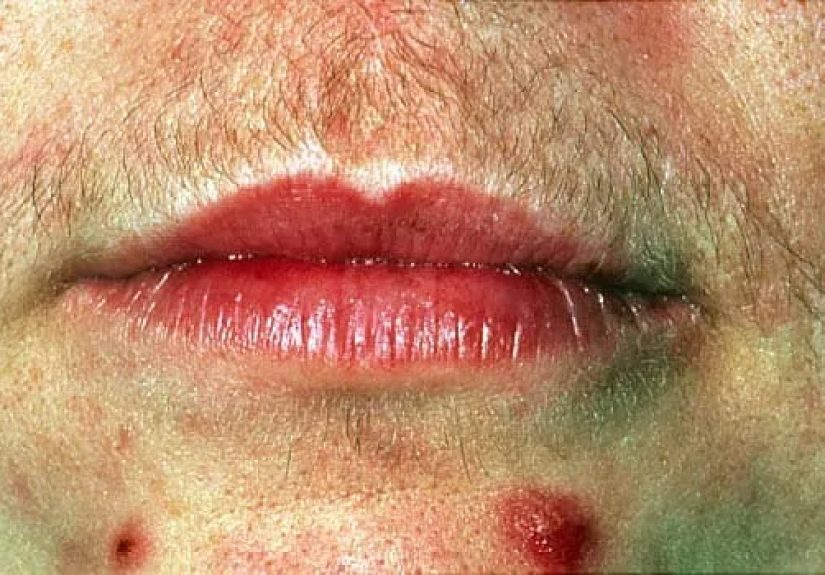
Higher androgen levels can lead to coarse hair growth on the face, chest, abdomen, or back. This symptom, called hirsutism, can be emotionally draining, especially when it feels like your mirror has decided to become a critic.
Acne and Oily Skin
PCOS-related acne is often stubborn and may continue well past the teenage years. If your skin seems determined to relive sophomore year forever, hormones may be involved.
Thinning Hair on the Scalp
Some people with PCOS notice hair thinning at the crown or a pattern of shedding that feels more dramatic than normal. This is another effect of androgen excess.
Weight Changes and Cravings
Weight gain is common in PCOS, especially when insulin resistance is part of the picture. Some people also notice intense cravings, energy crashes, or that losing weight feels like negotiating with a brick wall.
Darkened Skin or Skin Tags
Dark, velvety patches of skin, often around the neck, underarms, or groin, can be linked to insulin resistance. Small skin tags may also appear.
How PCOS Is Diagnosed
Diagnosing PCOS is part medical evaluation, part detective work. There is no single test that flashes “PCOS confirmed” like a game show buzzer. Instead, healthcare professionals look at your history, symptoms, exam findings, and lab results.
Many clinicians diagnose PCOS when at least two of these three features are present:
- Irregular or absent ovulation, often seen as skipped or very irregular periods
- Signs of excess androgen, such as acne or unwanted hair growth, or high androgen levels on blood tests
- Polycystic-appearing ovaries on ultrasound
Doctors also try to rule out other conditions that can mimic PCOS, such as thyroid disorders, high prolactin, or certain adrenal conditions. Testing may include hormone labs, cholesterol levels, glucose testing, and sometimes an ultrasound. In teens and young adults, diagnosis can be trickier because normal puberty can already look a little chaotic on paper.
A good evaluation does not stop at reproduction. Because PCOS can affect metabolic and long-term health, screening for blood pressure, blood sugar, cholesterol, sleep problems, and mood symptoms is often just as important as talking about periods.
Treatment Options for PCOS
There is no one-size-fits-all cure for PCOS, because PCOS loves complexity and apparently dislikes simplicity on principle. Treatment depends on your symptoms, your health risks, and whether pregnancy is a current goal.
Lifestyle Changes
For many people, lifestyle measures are the foundation of treatment. Regular physical activity, balanced nutrition, stress management, and consistent sleep can improve insulin sensitivity and help reduce symptoms. Even modest weight loss in people who carry excess weight may improve ovulation and cycle regularity. That said, treatment should never be reduced to “just lose weight.” PCOS deserves better than lazy advice in a lab coat.
Hormonal Birth Control
Birth control pills, patches, or rings are commonly used when pregnancy is not the goal. They can help regulate periods, lower androgen-related symptoms, reduce acne, and protect the uterine lining from going too long without shedding.
Metformin
Metformin, a medication often used for type 2 diabetes, may help some people with PCOS by improving insulin sensitivity. In certain cases, it can support more regular ovulation and improve metabolic markers. It is not a magic wand, but it can be useful in the right situation.
Treatment for Hair Growth and Acne
Unwanted hair and acne may be treated with hormonal contraception, anti-androgen medications, or dermatology-focused treatments. Some people also use laser hair removal, electrolysis, or prescription acne therapy as part of a broader plan.
Fertility Treatment
If pregnancy is the goal, treatment usually focuses on restoring or supporting ovulation. Depending on the person, options may include lifestyle changes, medications such as letrozole or clomiphene, metformin in selected cases, or referral to a fertility specialist. The good news is that many people with PCOS do go on to have successful pregnancies.
Complications of PCOS
PCOS is not only about day-to-day symptoms. Over time, it can raise the risk of several health problems, especially if it goes unmanaged for years.
Infertility and Pregnancy Challenges
Irregular ovulation can make conception harder. Some people with PCOS also face higher risks during pregnancy, including gestational diabetes and blood pressure problems, which is why early prenatal care matters.
Prediabetes and Type 2 Diabetes
Insulin resistance can increase the risk of prediabetes and type 2 diabetes. This is one of the biggest reasons regular glucose screening matters, even if your periods are the symptom getting all the attention.
High Blood Pressure and Cholesterol Problems
PCOS can be linked to abnormal cholesterol, higher blood pressure, and metabolic syndrome. Over time, those issues can raise the risk of cardiovascular disease.
Endometrial Hyperplasia and Cancer Risk
When ovulation does not happen regularly, the uterine lining may build up without shedding as it should. Over time, that can raise the risk of endometrial hyperplasia and endometrial cancer. This is one reason irregular periods should not be brushed off as merely annoying.
Sleep Apnea
Sleep-disordered breathing, including sleep apnea, appears more often in people with PCOS, especially when insulin resistance or obesity is also present. Poor sleep can then worsen fatigue, mood, and metabolic health, which is a very rude cycle.
Mental Health Effects
Depression, anxiety, body image distress, and frustration are common in PCOS. That does not mean the condition is “all in your head.” It means hormones, symptoms, stigma, and the burden of chronic management can weigh heavily on mental health. Emotional care belongs in the treatment plan, not in the fine print.
Daily Management Tips That Actually Help
Track Your Cycles
A simple app or calendar can help you spot patterns in bleeding, symptoms, cravings, and mood. This makes appointments more useful and gives you a clearer picture of what your body is doing.
Build Meals Around Stability, Not Perfection
Most people do better with eating patterns that support steady blood sugar: fiber-rich carbohydrates, lean protein, healthy fats, and plenty of produce. You do not need a punishment menu. You need a realistic one.
Move in Ways You Can Repeat
Walking, strength training, cycling, swimming, dancing in your kitchen while pretending nobody can see you through the window, it all counts. Consistency beats intensity you cannot maintain.
Ask for the Right Screening
If you have PCOS, ask your clinician about screening for glucose problems, cholesterol issues, blood pressure, sleep concerns, and mood symptoms. Managing the visible symptoms is only part of the job.
Find Support
PCOS can feel isolating, especially when symptoms affect appearance, fertility, or self-esteem. A supportive clinician, therapist, dietitian, or patient community can make the condition feel far less lonely.
Real-Life Experiences With PCOS
Living with PCOS is often less like reading a diagnosis list and more like trying to solve a mystery with half the clues missing. Many people say the hardest part is not one symptom by itself, but the constant feeling that several systems in the body are all having separate opinions at once. Your skin is acting up, your period disappeared, your energy is unreliable, your cravings are loud, and your hair seems to be growing enthusiastically in places you never invited it while becoming strangely shy on your scalp.
One common experience is delayed diagnosis. A person may start with irregular cycles as a teen and be told it is normal. Then acne worsens. Then weight becomes harder to manage. Then unwanted facial hair shows up and suddenly grooming becomes a daily project instead of an occasional task. By the time the word “PCOS” finally enters the conversation, many people feel relieved to have an explanation but frustrated that it took so long to get one.
There is also the emotional side that rarely fits neatly into a lab result. Some people feel embarrassed by visible symptoms like acne, chin hair, or scalp thinning. Others feel dismissed when concerns are answered with generic advice like “just eat better” or “stress less,” as if a complicated endocrine condition can be outsmarted by one salad and a scented candle. The reality is that PCOS management usually takes ongoing trial and error.
Fertility concerns can create another layer of stress. Some people discover they have PCOS only when they are trying to conceive and their cycles are unpredictable. That can bring grief, pressure, and fear, even though many effective treatments exist. For others, the condition is more about daily symptom control than pregnancy, and they may feel frustrated when every conversation about PCOS seems to revolve only around fertility.
Food and exercise can also become emotionally complicated. Many people with PCOS notice that their bodies respond differently to sleep loss, stress, processed foods, or long stretches without movement. They may feel like they have to work twice as hard for results that look modest from the outside. That effort is real. So is the fatigue that comes from treating your body like a full-time group project.
Still, one of the most consistent experiences people report is that things often improve when they finally receive a thoughtful, personalized plan. Symptoms may not vanish overnight, but cycles can become more regular, skin can calm down, energy can improve, and fertility options can become clearer. Just as important, many people feel better once they stop blaming themselves for symptoms that were never about laziness or lack of discipline in the first place. PCOS can be stubborn, but it is manageable, and people do learn how to live well with it.
Conclusion
PCOS is a common but complicated condition involving hormones, ovulation, metabolism, and long-term health risks. It can affect periods, fertility, skin, hair, weight, mood, and sleep, sometimes all at once, because apparently subtlety is not its thing. The good news is that PCOS is manageable. With the right diagnosis, regular screening, and a treatment plan tailored to your goals, many people improve symptoms, protect their long-term health, and feel much more in control.
The most helpful mindset is this: PCOS is not a personal failure, and it is not one symptom with a dramatic name. It is a real medical condition that deserves real care. Once that part becomes clear, the next steps get a lot less overwhelming.