Table of Contents >> Show >> Hide
- Chair Rail vs. Picture Rail vs. Wainscoting (The “What Am I Looking At?” Section)
- Chair Rails 101: The Wall’s “Line of Authority”
- Picture Rails 101: The Old-School Gallery System That Still Slaps
- Wainscoting 101: The Upgrade That Makes Walls Look Expensive (Even When It Isn’t)
- Proportion & Placement: Making It Look “Right” (Not “Random”)
- Materials & Finishes: Wood, MDF, PVC, or “Whatever Won’t Warp in My Bathroom”
- DIY Installation Roadmap (Remodeling 101, Not Remodeling “Why Is Nothing Level?”)
- Common Mistakes (A.K.A. How Chair Rails End Up Looking Like Bad Fashion)
- Cost, Time, and “Is This Worth It?”
- When to Call a Pro (No Shame, Just Wisdom)
- Hands-On Experiences: What People Learn After Living With Rails and Wainscoting (About )
- Conclusion
Some home upgrades scream for attention (looking at you, trendy neon grout). Others quietly make a room feel “finished,” like it grew that way over 100 years.
Chair rails, picture rails, and wainscoting live in that second category: classic, practical, and surprisingly forgivinguntil you put one in the wrong place and
your dining room suddenly looks like it’s wearing a belt around its armpits.
This guide breaks down what each element does, where it belongs, how to size it, and how to avoid the most common mistakes. Think of it as Remodeling 101:
architectural details editionno dusty lecture hall required.
Chair Rail vs. Picture Rail vs. Wainscoting (The “What Am I Looking At?” Section)
-
Chair rail: A horizontal strip of molding installed on a wall, originally meant to protect plaster from chair backs and bumps. Today it’s also
used to split paint colors, anchor wallpaper, and add structure to plain walls. -
Picture rail (aka picture molding): A narrow molding placed high on the wall (often close to the ceiling) designed to hang artwork from hooks and cordsso you can
rearrange art without punching holes in plaster every weekend. -
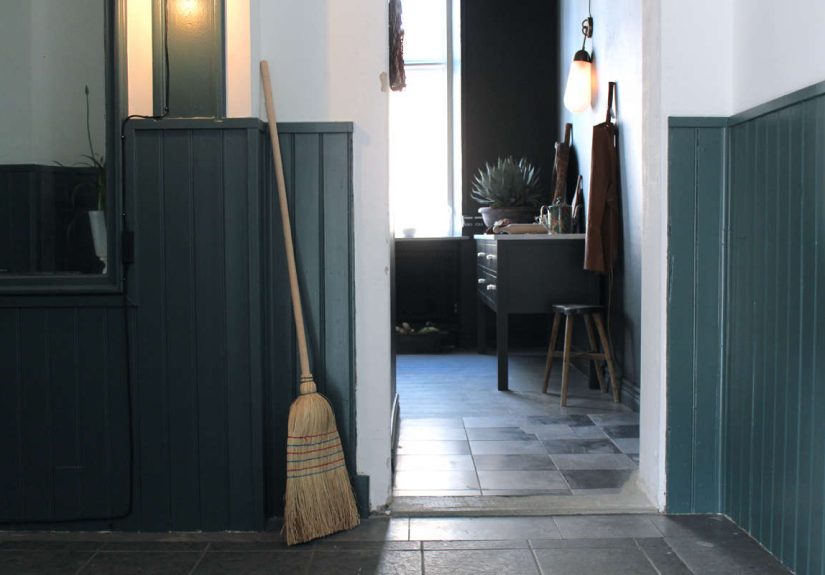
Wainscoting: Paneling or wall treatment on the lower portion of the wall. It can be beadboard, raised panels, board-and-batten, or even “shadow box”
frames that mimic traditional panels.
The short version: chair rails divide and protect, picture rails hang art the old-house way, and wainscoting adds depth, durability, and “built-in charm.”
The longer version… is the rest of this article.
Chair Rails 101: The Wall’s “Line of Authority”
What a chair rail does now (besides blocking chair damage)
In modern homes, chair rails are used to:
- Create a clean division for two-tone paint or paint + wallpaper
- Make large blank walls feel proportioned (especially in dining rooms, hallways, and stair landings)
- Visually connect trim elements around a room (windows, doors, baseboards)
- Serve as the cap for wainscoting or “picture-frame” panel molding
How high should a chair rail be?
The most common range you’ll hear is 32–36 inches above the floor. That’s not magic; it’s just a sweet spot that works with typical chair heights and standard wall proportions.
A classic rule is to place it around one-third of the wall height in many roomsespecially with 8-foot ceilings.
But the real secret is this: chair rails are about proportions, not inches. A chair rail can sit lower for a taller-feeling room, or higher if you’re intentionally
doing a taller treatment (like a “two-thirds wall” with a plate rail vibe).
Quick examples (so you can stop guessing)
- 8-foot ceiling: Start around 32 inches (a common “rule of thirds” placement).
- 9-foot ceiling: 36 inches often looks right when paired with wainscoting.
- Very tall walls: Don’t automatically follow 1/3. Consider your furniture height, window sills, and whether you’re creating a full paneling look.
Pro tip: Before you install anything, run painter’s tape at your proposed height around the room and live with it for a day. If it feels “off,” it’s cheaper to move tape than wood.
Picture Rails 101: The Old-School Gallery System That Still Slaps
Picture rails show up in older homes because plaster and wallpaper were pricey and annoying to repair. A picture rail lets you hang frames from hooks and cords or wire,
and slide them left or right whenever inspiration strikes (or whenever your cat decides the wall is his enemy).
Where picture rails go
Picture rails are typically installed near the ceiling, often in the top 12 inches of the wall, commonly about a foot below the ceiling.
In many traditional rooms, they align with the tops of door and window casings so the trim forms a continuous “beltline” around the space.
How they work (and why they’re still useful)
- You hang picture rail hooks on the molding.
- You attach cord, chain, or wire to the hook and to the frame hardware.
- You adjust height by changing cord lengthand you can move pieces without patching walls.
Picture rails can be a lifesaver in homes with plaster walls, where finding studs is harder and patching mistakes is… character building.
A reality check on weight
Picture rails are strong enough for typical framed art, but they’re not a free pass to hang a cast-iron mirror the size of a refrigerator. If an item is truly heavy,
anchor it properly to framing. Picture rails are clever, not magical.
Wainscoting 101: The Upgrade That Makes Walls Look Expensive (Even When It Isn’t)
Wainscoting is a catch-all term for decorative wall coverings on the lower portion of a wall. Historically it helped protect walls from moisture and abuse.
Today it’s mainly about stylethough it still earns its keep in high-traffic spots like mudrooms and hallways.
Common wainscoting styles
- Beadboard: Narrow vertical grooves, classic in cottages, baths, and kitchens.
- Raised or recessed panel: Traditional “formal” look, great for dining rooms and foyers.
- Board and batten: Wide boards with narrow battens creating vertical rhythmpopular in modern farmhouse and transitional spaces.
- Picture-frame / shadow box: Applied molding that creates rectangles on the wall (a budget-friendly way to get the paneled look).
How tall should wainscoting be?
Traditional guidance puts wainscoting (including the cap or top molding) at about one-third of the wall height. That often lands at:
~32 inches for 8-foot walls and ~36 inches for 9-foot walls. Many designers also use a broader practical range of
32–42 inches, depending on ceiling height and the room’s vibe.
Want taller wainscoting? That’s valid. Tall applicationssometimes capped around two-thirds of the wall heightcan look especially good with a plate-rail effect,
bold paint, or rooms that have a lot of furniture pushed against the walls.
Proportion & Placement: Making It Look “Right” (Not “Random”)
The two rules that solve most debates
- Rule of thirds: Splitting a wall roughly 1/3 and 2/3 often looks balanced (especially with wainscoting).
- Align with architecture: If you have strong door/window casing lines, aligning rails with casing tops can make the whole room feel intentionally designed.
What to do about windows, outlets, and awkward stuff
- Windows: If a window stool is low, a “perfect” wainscot height may crash into it. In that case, adjust the panel height or use a simpler treatment below.
- Outlets and switches: Taller wainscoting can intersect outlets. Plan for outlet box extensions or repositioning (even if it’s just swapping plates after paneling).
- Stairs: For stairways, rails can follow the angle of the stairs or stay levelboth can work. What matters is consistency and clean transitions.
Panel layout: why “almost centered” looks worse than “not centered”
If you’re doing picture-frame molding or paneled wainscoting, your layout matters as much as your cuts. A solid approach is to start with a drawing of each wall
(doors, windows, outlets, ventseverything) and choose a repeating panel module that wraps the room.
Many trim carpenters aim for wainscoting heights around 30–42 inches, with rail and stile widths that relate to existing trim.
You’ll often see rails/stiles in the 2–3.5 inch range, and panel proportions that feel classic (rectangles that aren’t too square).
Translation: don’t wing it. “Eyeballing” panels is how you end up with one weird skinny rectangle next to a door that haunts you forever.
Materials & Finishes: Wood, MDF, PVC, or “Whatever Won’t Warp in My Bathroom”
Material choices (and when they make sense)
- Solid wood (pine, poplar, etc.): Great for paint or stain, easy to work with, but can move with humidity.
- MDF: Popular for paint-grade trim because it’s smooth and consistent, often pre-primed. Downsides: it’s heavy and it hates water like a cat hates bathtubs.
- PVC / vinyl: Smart in moisture-prone areas (bathrooms, basements). Cuts differently than wood and can expand/contract, so follow product guidance.
- Polyurethane: Lightweight, stable, and great for ornate profilesoften used when you want detail without carving a tree into submission.
Paint strategy (the “make it look custom” cheat code)
You’ve got two main looks:
- High-contrast: White (or light) trim against deeper wall color. Classic, crisp, and great for traditional interiors.
-
Monochrome / color-drench: Paint the trim and wall the same color (or a tinted version). This can make a room feel modern and cohesive,
and it highlights shadow lines instead of contrast.
If you’re using MDF or any paint-grade trim, surface prep matters. Fill seams, sand lightly, prime where needed (especially cut ends), and caulk gaps.
Crisp trim is 30% carpentry and 70% not rushing the finishing steps.
DIY Installation Roadmap (Remodeling 101, Not Remodeling “Why Is Nothing Level?”)
Tools you’ll actually use
- Tape measure, pencil, and a level (a laser level makes you feel like a wizard)
- Miter saw (or miter box for small trim), coping saw if you’re coping inside corners
- Stud finder (helpful on drywall; less trustworthy on plaster)
- Finish nailer (or hammer + finish nails), construction adhesive where appropriate
- Caulk, wood filler, sandpaper, primer, and paint
Step-by-step: Chair rail
- Pick a height using proportion rules, then test with tape.
- Mark studs and snap/lightly draw a level line around the room.
- Plan corners: miter or cope depending on your skill and the profile.
- Cut and dry-fit before committing.
- Attach (nails into studs where possible, plus adhesive if needed for stability).
- Fill, caulk, sand, prime, paint. This is where the “pro look” happens.
Step-by-step: Wainscoting or shadow-box “picture frames”
- Draw the room (yes, really) and decide your repeating panel module.
- Set a level top line for panel heightmeasure from the floor in multiple spots to account for uneven floors.
- Install panels or rails/stiles in a consistent sequence (many DIY guides work left-to-right).
- Add the cap/chair rail to finish the top edge.
- Finish work: caulk seams, fill nail holes, sand, prime, paint.
Step-by-step: Picture rail
- Choose height: commonly about a foot below the ceiling, often aligned with door/window casing tops.
- Install securely (preferably into framing where possible).
- Add the hanging system: hooks + cord/chain/wire, then adjust artwork placement without wall damage.
Common Mistakes (A.K.A. How Chair Rails End Up Looking Like Bad Fashion)
- Installing too high: A chair rail near eye level can shrink a room unless it’s intentionally a tall treatment.
- Ignoring uneven floors: If the floor slopes, your “measured height” will look crooked. Use a level line and let the baseboard hide small floor sins.
- Random panel sizes: Consistency matters. Plan your panel module so corners and doors don’t force ugly skinny leftovers.
- Skipping finish prep: Unfilled seams and uncaulked gaps will show from space. Or at least from your couch.
- Wrong material in wet zones: MDF in a frequently wet bathroom is a long-term relationship with swelling and regret.
Cost, Time, and “Is This Worth It?”
The cost range for wainscoting varies widely depending on material and style. Materials can run from budget-friendly engineered options to premium hardwoods,
and installation costs can swing based on room size, wall conditions, and complexity.
- DIY-friendly approach: Shadow-box molding or beadboard panels can be relatively affordable and quick for a weekend warrior.
- Pro-level millwork: True raised panel systems, tricky stair runs, and complex rooms tend to cost more (and are less forgiving).
Value-wise, these details can make rooms feel more customespecially dining rooms, entries, and hallways. Even modest trim can add the kind of depth that makes a home
look cared-for rather than merely inhabited.
When to Call a Pro (No Shame, Just Wisdom)
DIY is greatuntil you’re coping ornate molding inside a stairwell while balancing on a ladder and questioning your life choices.
Consider hiring a pro if:
- Your walls are very uneven or out of square
- You’re working with plaster and need reliable anchoring
- You want true raised panel wainscoting with tight reveals
- You’re wrapping paneling through complex doorways, built-ins, or stairs
Hands-On Experiences: What People Learn After Living With Rails and Wainscoting (About )
The funny thing about chair rails, picture rails, and wainscoting is that the real education starts after the paint dries. On day one, everyone stands back,
nods thoughtfully, and says, “Wow, it looks so finished.” On day thirty, you learn what you actually built.
First lesson: height is emotional. A chair rail that looked “fine” on a tape mockup can feel surprisingly bossy once it’s permanentespecially if it slices right
through a piece of art, a light switch, or the visual center of the wall. Homeowners often end up happiest when the rail either (1) clearly follows a classic proportion
(around one-third) or (2) clearly commits to a tall, intentional look (two-thirds with a plate-rail feel). The awkward zone is the “kinda in between” range where it looks like
you changed your mind mid-project.
Second lesson: walls are rarely as straight as your confidence. The moment you start installing long horizontal lines, you discover your house has opinions about level.
The best real-world trick is to commit to a level reference line and let small inconsistencies disappear where they naturally hidebehind baseboards, inside caulk joints,
and under paint. People who measure up from the floor in one spot and repeat that measurement everywhere often end up with a rail that looks like it’s slowly escaping the room.
Third lesson: finishing is the whole game. In theory, trim is carpentry. In practice, trim is “How many tiny gaps can I make invisible?”
The difference between “nice DIY” and “wait, was this always here?” is usually a calm, patient sequence:
fill nail holes, sand lightly, prime the right areas, caulk joints, paint with a steady hand. If someone tells you caulk is optional, they are either a magician or a liar.
Fourth lesson: picture rails are secretly a lifestyle upgrade. People who use them as intendedhooks and cordstend to change their wall art more often,
because the friction is low. No measuring, no patching, no “we’ll fix those holes later.” It’s also oddly satisfying to slide a hook six inches left and instantly improve a gallery wall.
The downside is temptation: once it’s easy, you’ll rearrange art the way some people rearrange apps on their phone. You’ve been warned.
Fifth lesson: materials matter most in the boring rooms. Bathrooms, mudrooms, basementsthese spaces are where wainscoting earns its protective reputation.
People love MDF for crisp paint lines, but experienced DIYers learn to treat water exposure like gravity: it doesn’t care about your plans. In splash zones, choosing a moisture-friendly
material and sealing edges well can be the difference between “still looks great” and “why is this fuzzy and swollen?”
Final lesson: these details change how you use a room. Wainscoting makes kids’ backpacks less scary to walls. Chair rails make two-tone color schemes feel intentional.
Picture rails make art feel flexible. And all three make a home feel like it has a point of vieweven if that point of view is simply, “I would like my walls to stop looking like blank drywall.”
Conclusion
Chair rails, picture rails, and wainscoting are small moves with big payoff. If you focus on proportion, align with existing architecture, choose materials that match the room’s realities,
and treat finishing like the main event, you’ll end up with walls that look designednot decorated.
Measure twice, tape-mock once, and remember: it’s not just molding. It’s your home learning how to look like it knows what it’s doing.