Table of Contents >> Show >> Hide
- What Are Aged Brass Café Curtain Rails?
- Why Aged Brass Works So Well
- Best Places to Use Aged Brass Café Curtain Rails
- How to Choose the Right Aged Brass Café Curtain Rail
- How to Measure for Aged Brass Café Curtain Rails
- Installation Tips for a Clean, Secure Look
- Fabric Pairings That Look Beautiful With Aged Brass
- Design Ideas for Different Home Styles
- Care and Maintenance
- Common Mistakes to Avoid
- Real-Home Experiences With Aged Brass Café Curtain Rails
- Conclusion
- SEO Tags
Aged brass café curtain rails are small details with suspiciously large design power. They do not shout. They do not demand a renovation budget. They simply sit across a window, hold a charming half curtain, and make a kitchen, bathroom, pantry, laundry room, or breakfast nook look as if someone with excellent taste has been quietly making decisions there for years.
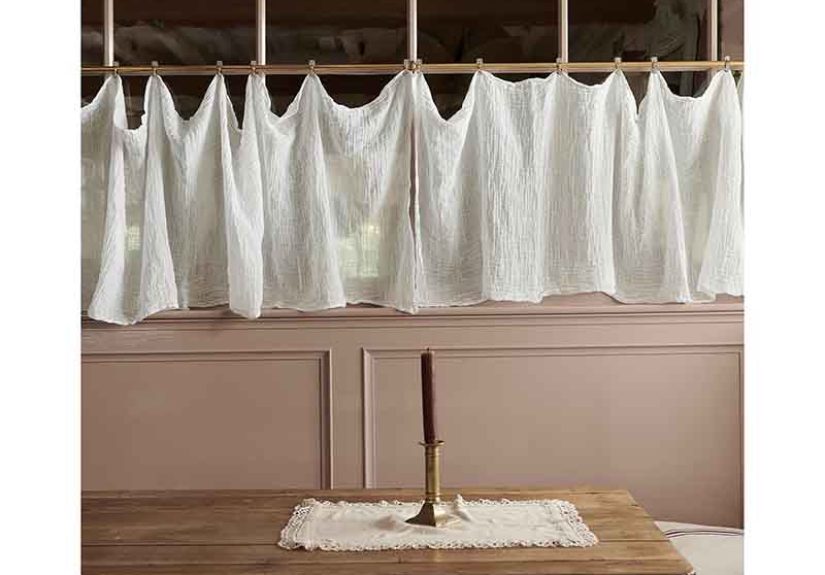
At their best, aged brass café curtain rails combine three things homeowners love: privacy, natural light, and character. The café curtain covers the lower portion of a window, while the upper portion remains open for daylight. The aged brass finish adds warmth without feeling shiny or overly formal. It is polished enough to look intentional, but relaxed enough to say, “Yes, I bake bread occasionally,” even if the bread is mostly store-bought and emotionally supportive.
This guide explains what aged brass café curtain rails are, where they work best, how to choose the right size and style, how to install them properly, and how to pair them with fabrics that make your home feel collected rather than decorated in one frantic weekend.
What Are Aged Brass Café Curtain Rails?
A café curtain rail is a slim rod or rail designed to hold short curtains, typically mounted across the lower half or lower two-thirds of a window. Unlike full-length curtain rods, café rails are meant for light fabrics and smaller spaces. They are especially popular in kitchens and bathrooms because they provide privacy at eye level while still allowing sunlight to pour in from above.
The “aged brass” part refers to the finish. Instead of bright yellow brass that looks freshly polished, aged brass has a softer, deeper tone. It may appear brushed, burnished, antiqued, unlacquered, or gently patinated. The result is a finish that feels warm, classic, and slightly vintage. It pairs beautifully with marble, wood, painted cabinetry, white tile, natural stone, and even modern matte finishes.
Café Curtain Rail vs. Standard Curtain Rod
A standard curtain rod is usually larger, longer, and designed to support full panels. A café curtain rail is slimmer and more delicate. Many café rails are around 3/8 inch to 1/2 inch in diameter, though exact sizing varies by brand and product. Some are mounted inside the window frame, while others are installed on the trim or wall. The key difference is scale: café rails are meant to look light, tailored, and charming rather than heavy or dramatic.
Why Aged Brass Works So Well
Aged brass has become a favorite in interior design because it adds warmth without feeling trendy in a disposable way. It is less stark than black, softer than chrome, and richer than brushed nickel. It also plays nicely with other finishes. In a kitchen with stainless steel appliances, aged brass can warm up the space. In a bathroom with polished nickel fixtures, it can add contrast. In a room filled with wood tones, it feels natural and quietly elegant.
The finish also has a practical advantage: it does not need to look perfect. Aged brass is allowed to have personality. Small shifts in tone, gentle darkening, and subtle marks can make it look better over time. That is good news for real homes, where people open windows, cook pasta, splash sink water, and occasionally forget they are holding a wet dish towel.
Best Places to Use Aged Brass Café Curtain Rails
Aged brass café curtain rails are versatile, but they are especially effective in rooms where privacy and light need to shake hands and behave like adults.
Kitchen Windows
The kitchen is the classic café curtain location. A rail mounted across the lower half of a window above the sink can soften hard surfaces and hide the less scenic parts of outdoor life, such as recycling bins, neighboring fences, or a driveway that refuses to become a lavender field. Linen, cotton, or sheer panels work especially well because they filter light while keeping the room airy.
Bathrooms and Powder Rooms
Bathroom windows often need privacy without turning the room into a cave. A café curtain provides coverage where it matters while leaving the top of the window uncovered for daylight. Aged brass adds warmth to white tile, beadboard, marble, and painted vanities. In a powder room, it can make a small window look intentional rather than forgotten.
Breakfast Nooks and Dining Corners
A café curtain rail can make a breakfast nook feel cozy and European-inspired without adding heavy drapery. It works beautifully with small-scale patterns, ticking stripes, gingham, embroidered cotton, or relaxed linen. Add a slim aged brass rail, and suddenly your morning coffee feels a little more like it deserves a tiny pastry.
Laundry Rooms, Pantries, and Mudrooms
Functional spaces benefit from texture, too. Aged brass café rails can dress small windows, glass cabinet doors, open storage nooks, or sink skirts. In a laundry room, they soften appliances. In a pantry, they can hide practical storage while adding a charming, old-house feeling.
How to Choose the Right Aged Brass Café Curtain Rail
Choosing a café curtain rail is not difficult, but the details matter. A slim rail can look elegant and custom when it fits correctly. The wrong size, finish, or bracket style can make it look like a hurried afterthought. Measure first, admire later.
1. Choose the Mounting Style
Inside-mount café rails fit within the window frame. They create a clean, built-in look and are excellent for deep window casings. This style feels tailored and works especially well in kitchens and bathrooms with pretty trim.
Outside-mount café rails attach to the trim or wall outside the window opening. They are helpful when the window frame is shallow, uneven, or too narrow for brackets. Outside mounts can also make the window appear wider.
Tension café rods are ideal for renters or anyone who does not want to drill holes. They fit snugly inside the frame using spring pressure. They are usually best for lightweight curtains and smaller windows.
2. Consider the Material
Solid brass rails usually cost more, but they offer excellent durability and a more authentic finish. Brass-finished steel or zinc alloy hardware may be more affordable and can still look beautiful, especially in low-contact areas. If you want a finish that develops a natural patina, look for unlacquered brass or living-finish brass. If you prefer the color to stay more consistent, choose lacquered or sealed aged brass.
3. Match the Rail Diameter to the Fabric
Café curtain rails are typically slim because they hold light curtains. A 3/8-inch or 1/2-inch rail suits sheer linen, cotton voile, lightweight café panels, and small clips or rings. Heavier fabrics may need a thicker rod, stronger brackets, or a center support. If the curtain fabric is thick enough to stand up on its own and file taxes, it is probably too heavy for a delicate café rail.
4. Check the Brackets and Projection
Brackets determine how far the rail sits from the window. A minimal inside-mount bracket keeps the fabric close to the glass. A wall-mount bracket creates more projection, which can help curtains move freely over trim or handles. For windows over sinks, check whether faucets, latches, or crank handles will interfere with the curtain.
5. Decide Between Rings, Clips, Tabs, or Rod Pockets
Curtain clips are easy to use and give café curtains a casual, collected look. Rings glide smoothly and feel slightly more tailored. Rod pockets hide the rail partially but may be harder to open and close. Tie-top curtains are charming and relaxed, though they can look too sweet in very formal spaces. For aged brass rails, matching brass clips or rings usually creates the most polished result.
How to Measure for Aged Brass Café Curtain Rails
Good measuring is the difference between “custom-looking” and “why is that leaning?” Start by deciding where the rail will sit. Many café curtains are mounted halfway up the window, but you can place the rail slightly higher if you need more privacy. For a kitchen sink window, mounting the rail near the midpoint usually works well. For a bathroom, two-thirds up the window may offer better coverage.
Inside-Mount Measurement
For an inside mount, measure the inside width of the window frame where the brackets will sit. Measure in more than one spot, because older windows sometimes have charming personalities and uneven dimensions. Use the narrowest measurement if the rail must fit inside the frame. If ordering a custom rail, follow the manufacturer’s instructions carefully, because some want the total end-to-end width while others account for bracket space differently.
Outside-Mount Measurement
For an outside mount, measure the window width and decide how much the rail should extend beyond the frame. A modest extension on each side can make the curtain look fuller and allow more light when panels are opened. Café curtains do not usually need the dramatic width of full drapery, but they should not look squeezed.
Curtain Fullness
For a soft, gathered look, choose curtain fabric that is about 1.5 to 2 times the width of the rail. Sheer fabrics can handle more fullness, while heavier linen may look better with less. A skimpy café curtain can look like it lost a negotiation with the window. A little fullness gives the fabric movement, privacy, and charm.
Installation Tips for a Clean, Secure Look
Installing aged brass café curtain rails is usually a manageable DIY project. You will need a tape measure, pencil, level, drill or screwdriver, screws, and anchors if you are mounting into drywall rather than wood trim. A level is not optional unless you enjoy curtains that appear to be quietly sliding downhill.
Step-by-Step Installation
First, mark the bracket locations. Use a level to make sure both sides align. If mounting inside the frame, confirm that the rail will not block window locks or handles. If mounting outside the frame, check that the rail height gives enough privacy and looks balanced with the window shape.
Second, pre-drill small pilot holes if installing into wood trim. This helps prevent splitting and makes the screws easier to drive. If installing into drywall, use appropriate wall anchors. Even lightweight curtains need secure support, especially if people will open and close them daily.
Third, attach the brackets and test the rail before hanging the fabric. Make sure the rod sits securely, the brackets are even, and the curtain clips or rings move without scraping awkwardly. Finally, hang the curtain and adjust the gathers until they look relaxed and balanced.
Fabric Pairings That Look Beautiful With Aged Brass
The rail is the jewelry, but the fabric is the outfit. Aged brass café curtain rails work with many curtain styles, from crisp and tailored to romantic and casual.
Linen
Linen is the natural partner for aged brass. It has texture, movement, and just enough wrinkle to look elegant instead of neglected. Natural flax, oatmeal, ivory, white, and muted colors all pair beautifully with brass.
Cotton
Cotton café curtains are practical and easy to clean, making them ideal for kitchens and laundry rooms. Try ticking stripes, small florals, block prints, checks, or solid white cotton for a classic look.
Sheers
Sheer café curtains offer privacy without blocking much light. They are perfect for small rooms or windows that already face a shaded area. With aged brass hardware, sheers feel soft rather than plain.
Patterned Fabric
Aged brass can handle pattern beautifully. Try blue-and-white stripes, vintage florals, sage gingham, warm ochre prints, or small-scale botanical patterns. The trick is proportion: café curtains are small, so a compact pattern usually works better than a huge print that gets awkwardly chopped.
Design Ideas for Different Home Styles
Modern Cottage
Pair aged brass café curtain rails with white walls, warm wood, linen curtains, and unlacquered brass cabinet pulls. Add a ceramic vase or woven basket, and the room immediately feels softer.
Classic Kitchen
Use an inside-mount aged brass rail over a sink window with crisp white cotton curtains. This look works with shaker cabinets, marble counters, subway tile, and traditional faucets.
French-Inspired Breakfast Nook
Choose a slim brass rail, café clips, and striped linen curtains. Add bistro chairs, a round table, and a pendant light. Congratulations: your cereal now has ambiance.
Warm Minimalist Space
Keep the rail simple and the curtain fabric plain. Aged brass adds just enough warmth to prevent a minimalist room from feeling cold. Choose natural linen or sheer cotton in a soft neutral shade.
Care and Maintenance
Aged brass is low-maintenance, but it does appreciate gentle care. Dust the rail regularly with a soft cloth. Avoid harsh abrasive cleaners, especially on lacquered or specialty finishes. If the brass is unlacquered, expect it to darken and develop patina over time. That is part of the charm, not a design emergency.
In kitchens, wipe the rail occasionally to remove cooking residue. In bathrooms, keep the area ventilated to reduce moisture buildup. If using curtain clips, check them now and then to make sure they are not pinching delicate fabric too tightly.
Common Mistakes to Avoid
Choosing a Rail That Is Too Weak
A delicate rail is beautiful, but it still needs to support the curtain. If your fabric is lined, heavy, or frequently moved, choose stronger brackets and consider a center support for wider windows.
Mounting Too Low
Café curtains should provide privacy without making the window look awkwardly chopped. Before drilling, tape a piece of paper or fabric at the proposed height and step back. This low-tech test can save you from high-regret holes.
Ignoring the Finish Match
Aged brass does not need to match every metal in the room, but it should feel intentional. Repeat the tone at least once if possible, such as in cabinet hardware, a picture frame, a light fixture, or a faucet detail.
Using Fabric That Is Too Stiff
Café curtains look best when they drape naturally. Very stiff fabric can make the window look bulky. Choose washable, light-to-medium-weight fabric with enough movement to gather softly.
Real-Home Experiences With Aged Brass Café Curtain Rails
Living with aged brass café curtain rails teaches you that small design upgrades often work harder than large, dramatic ones. The first thing most people notice is the light. A full curtain can make a small kitchen feel closed in, especially if the window is over the sink. A café curtain changes that equation. You get privacy at the lower half of the window, but the top stays open, so daylight still lands on the counter, the tile, and the suspicious pile of mail that somehow moved into the kitchen.
In real homes, aged brass is also more forgiving than highly polished metal. Bright brass can show fingerprints quickly, and cool chrome can feel a little too crisp in cozy spaces. Aged brass has a warmer, more lived-in quality. It looks good beside old wood cutting boards, cream cabinets, stone countertops, and handmade tile. It also works surprisingly well in newer homes because it adds the feeling of history without requiring you to buy an actual historic house with mysterious plumbing noises.
One of the best experiences comes from using café rails in rooms that feel unfinished. A laundry room with a small window can go from purely practical to pleasantly charming with a brass rail and a simple linen panel. A powder room can feel more private and decorated without heavy blinds. Even a glass-front cabinet or open utility shelf can be softened with a tiny curtain on a slim brass rail. The look is useful, not just pretty.
Another real-life lesson is that fabric choice matters as much as hardware. A natural linen café curtain on brass clips creates a relaxed, collected look. White cotton feels clean and classic. A patterned curtain adds personality, especially in neutral kitchens. The rail itself may be subtle, but it frames the fabric, so the whole combination should feel balanced. If the room already has bold wallpaper or colorful tile, a plain curtain may be best. If the room is mostly white, a stripe or small floral can keep it from feeling like a very stylish appliance showroom.
Installation also teaches patience. The rail must be level, and the brackets should be secure. A café curtain is small, so mistakes are visible. If one side is slightly higher, the curtain will announce it every morning while you make coffee. Measuring twice is not just advice; it is emotional protection. For renters, a tension rod in an aged brass finish can be a smart compromise. It may not feel as custom as a mounted solid brass rail, but it delivers the look without permanent holes.
Over time, aged brass café curtain rails tend to feel less like an accessory and more like part of the room. They make windows look considered. They soften hard surfaces. They add privacy without stealing sunlight. Most importantly, they bring a touch of character to everyday spaces. That is the quiet magic of this hardware: it does not transform the house by being loud. It transforms the house by making one small corner feel finished, warm, and thoughtfully lived in.
Conclusion
Aged brass café curtain rails are a smart choice for homeowners who want privacy, light, warmth, and timeless style in one compact design detail. They work beautifully in kitchens, bathrooms, breakfast nooks, laundry rooms, pantries, and even cabinet or sink skirt applications. The aged brass finish adds character without overwhelming the space, while the café curtain format keeps rooms bright and practical.
For the best result, choose the right mounting style, measure carefully, match the rail strength to the curtain fabric, and select materials that suit your home’s personality. Whether you prefer relaxed linen, crisp cotton, sheer panels, or playful patterns, aged brass café curtain rails can make a window look charming, intentional, and quietly luxurious. Sometimes the smallest rail in the room carries the most style weight.