Table of Contents >> Show >> Hide
- What Are Annemarie O’Sullivan Sweet Chestnut Trays?
- Why These Trays Stand Out in a Crowded Design World
- The Material Story: Willow and Sweet Chestnut
- Craftsmanship That Feels Lived-In, Not Precious
- How These Trays Work in Real American Homes
- Why the Design Feels So Timeless
- How to Care for Annemarie O’Sullivan Sweet Chestnut Trays
- Are Annemarie O’Sullivan Sweet Chestnut Trays Worth It?
- Experiences Related to Annemarie O’Sullivan Sweet Chestnut Trays
- Conclusion
Some home objects are loud. They sparkle, shout, and demand a spotlight like they’re auditioning for a reality show about overly confident furniture. Annemarie O’Sullivan’s Sweet Chestnut Trays do the exact opposite. They are quiet, tactile, and deeply grounded. And that is precisely why they are so compelling.
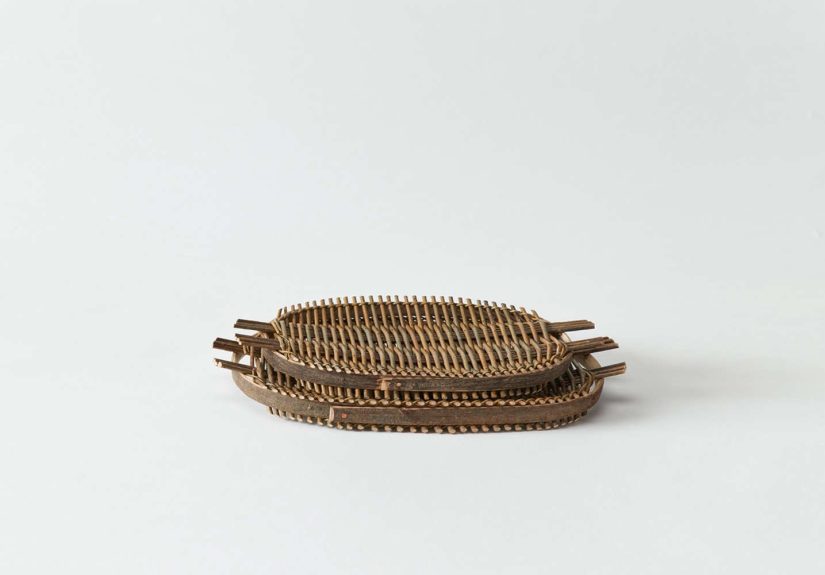
At first glance, these trays look simple: woven willow, a sweet chestnut hoop, a long oval shape, and a handmade finish that proudly refuses factory-level sameness. But the longer you sit with them, the more they reveal. They are not just serving pieces. They are a lesson in material intelligence, old-world basketry, and the kind of design restraint that makes people with very good taste say, “Wait, where did you get that?”
For anyone searching for Annemarie O’Sullivan Sweet Chestnut Trays, the real story is bigger than a single object. It is about how a tray can sit at the intersection of craft, sustainability, utility, and sculptural beauty without trying too hard. That balance is rare. In a market full of trendy home accessories that age faster than a sliced avocado, these trays feel refreshingly enduring.
What Are Annemarie O’Sullivan Sweet Chestnut Trays?
Annemarie O’Sullivan is known for working with willow, sweet chestnut, and other coppiced woods to create baskets, trays, and larger woven forms. Her Sweet Chestnut Trays are among her most recognizable domestic pieces: handwoven trays made with a willow body and a sweet chestnut hoop or frame. In published product descriptions, they have been listed in small and large formats, with proportions that feel especially suited to bread service, table styling, coffee service, or simply corralling beautiful everyday clutter.
That last part matters. A good tray organizes. A great tray organizes while making the room look smarter. O’Sullivan’s trays manage both. They are functional enough for daily use, yet sculptural enough to live on a dining table or console even when they are holding absolutely nothing at all. That is the home-decor equivalent of being both practical and effortlessly chic, which, frankly, is rude.
Why These Trays Stand Out in a Crowded Design World
The modern home market is filled with trays in marble, lacquer, brass, resin, acrylic, leather, rattan, and engineered materials pretending to be more expensive than they are. O’Sullivan’s trays stand apart because they do not chase polish. They chase honesty.
The willow reads as willow. The sweet chestnut reads as wood. The hand of the maker is visible in the weave, the tension, the slight irregularities, and the way the form feels resolved without being machine-perfect. That visible handwork is a major part of the appeal. Basketry has long been associated with gathered natural materials, close knowledge of landscape, and techniques passed down across generations. In that sense, these trays feel timeless not because they imitate the past, but because they remain in conversation with it.
They also fit beautifully into the current appetite for organic interiors. Designers and shelter magazines have spent years returning to woven accents, natural textures, and pieces that soften rooms full of stone, plaster, metal, and hard-edged cabinetry. A woven tray can do what a shiny object often cannot: add warmth without visual noise.
The Material Story: Willow and Sweet Chestnut
Willow brings flexibility, rhythm, and lightness
Willow has a long history in basketry for good reason. It bends, holds, and takes shape with elegance. In woven form, it creates a surface that is strong but visually breathable. That gives O’Sullivan’s trays an airy quality that keeps them from feeling heavy, even when they are substantial enough to anchor a tabletop.
Willow also lends rhythm to the design. Every strand repeats, overlaps, and locks into the next, creating a pattern that feels almost musical. That repetition is part of what makes handwoven basketry so soothing to look at. Your eye follows the weave the way it follows ripples in water or rows in a garden. It feels ordered, but never stiff.
Sweet chestnut adds structure and warmth
The sweet chestnut element is just as important. Sweet chestnut wood is typically described as light to medium brown, often deepening with age into a richer reddish-brown tone. It is also valued for durability. In the context of these trays, sweet chestnut acts like the punctuation mark at the end of a beautifully written sentence: subtle, structural, and necessary.
The hoop gives the tray its outline and edge definition. Without it, the piece could feel softer and less resolved. With it, the tray gains contrast, firmness, and a lovely visual frame around the woven willow body. In design terms, that combination is magic. The willow says “handmade.” The chestnut says “hold your shape.” Together, they create a piece that feels both rustic and refined.
Craftsmanship That Feels Lived-In, Not Precious
One of the most refreshing things about O’Sullivan’s work is that it does not beg to be treated like a museum artifact. Yes, it is beautiful. Yes, it is collectible. But it is also the kind of object that makes sense in use. That distinction matters.
There is a big difference between a tray that exists only for admiration and one that becomes more appealing when integrated into daily life. O’Sullivan’s trays belong in the second group. They look right holding fruit, bread, linen napkins, mail, or a pair of glasses you swore you would not lose this time. They also look right empty, which is the hallmark of strong form.
This is where her basketry background becomes especially important. Basketmaking is one of those disciplines that can appear simple from a distance and wildly sophisticated up close. Structure, tension, pattern, and proportion all have to work together. If one element goes off-script, the object can sag, twist, or simply lose elegance. The best makers understand that function is not separate from beauty; function is part of beauty. O’Sullivan’s trays make that case quietly but convincingly.
How These Trays Work in Real American Homes
Even though the trays are handmade in England, their appeal translates seamlessly to American interiors. In fact, they are especially well suited to the way many people want to live now: less cluttered, more tactile, more intentional, and a little less obsessed with buying plastic things that crack under emotional pressure.
On the dining table
Use one as a bread tray, fruit tray, or centerpiece base. Because the material palette is neutral, it pairs easily with stoneware, linen, wood, brass, and glass. It adds texture without hijacking the table.
On a coffee table
A woven tray is excellent for gathering remotes, matches, coasters, and one carefully chosen book that suggests you are both cultured and relaxed. O’Sullivan’s version brings more depth than a flat manufactured tray because the weave itself becomes part of the composition.
On an entry console
Keys, sunglasses, mail, and wallet suddenly look intentional instead of abandoned. That is not a small miracle.
In the kitchen
These trays are ideal for onions, garlic, folded tea towels, or a small rotating display of whatever makes your kitchen feel alive. Lemons work. Pears work. A crusty loaf absolutely works.
Why the Design Feels So Timeless
There is a reason woven trays and basket forms keep returning in design history. Even in mid-century museum and editorial contexts, woven and basket-like trays were recognized as worthy design objects, not merely rustic accessories. That long design lineage helps explain why O’Sullivan’s trays feel contemporary without feeling trendy.
They are also timeless because they solve a visual problem many homes have: too many hard surfaces. Stone countertops, metal fixtures, painted cabinetry, screens, glass, tile, and sleek furniture can make a room look polished but emotionally chilly. A woven tray brings back irregularity, softness, and the hint of the outdoors. It says, “Yes, this home has Wi-Fi and good lighting, but it also remembers that trees exist.”
How to Care for Annemarie O’Sullivan Sweet Chestnut Trays
Handmade natural-fiber objects do best when treated with respect rather than fussiness. These trays are for living with, not tiptoeing around, but a little care goes a long way.
- Keep them dry rather than damp. Natural woven materials generally do not love prolonged moisture.
- Dust gently with a soft cloth or brush.
- Avoid leaving them in harsh direct sun for long periods, which can dry fibers unevenly over time.
- Use them for serving dry or lightly wrapped goods rather than anything messy, oily, or dripping.
- Let the materials age naturally. A little patina only adds character.
In other words: enjoy them, but do not make them host a soup emergency.
Are Annemarie O’Sullivan Sweet Chestnut Trays Worth It?
If your definition of value begins and ends with price-per-square-inch, these trays may not be for you. Handmade craft rarely wins against mass production on raw cost. But if value means integrity of materials, depth of technique, visual longevity, and the pleasure of using something that was clearly made by a skilled human being, then yes, they are very easy to justify.
They offer something increasingly rare in home goods: a sense of origin. You can understand what they are made from. You can see how they were formed. You can imagine the labor involved. That transparency gives the object weight, even though the tray itself remains physically light.
And perhaps that is the best way to understand the appeal of Annemarie O’Sullivan Sweet Chestnut Trays. They are not flashy luxury. They are thoughtful luxury. They do not dominate a room. They steady it. They do not scream “designer piece.” They simply sit there looking beautifully assured, like they have known all along that the loud stuff would eventually tire everyone out.
Experiences Related to Annemarie O’Sullivan Sweet Chestnut Trays
Living with a tray like this is a very different experience from living with a standard store-bought tray, and that difference shows up in small, almost sneaky ways. The first is physical. When you pick up a handwoven willow tray framed in sweet chestnut, it does not feel cold or impersonal. It feels warm, textured, and responsive. Even before you place anything inside it, the tray already has a presence. The weave catches light differently throughout the day, and the chestnut edge gives your hand a clear place to land. It is one of those rare home objects that feels better in use than it does in a product photo.
There is also a psychological shift that happens. A tray this considered encourages you to be a little more intentional. Bread gets placed on it instead of left in a plastic bag on the counter. Mail gets gathered rather than scattered. A few tangerines suddenly look like a still life. The object gently upgrades your habits without announcing that it is doing so. It is decor with very good manners.
These trays also create a stronger sensory experience than people expect. You notice the pattern of the willow. You notice the slight variation in tone. You notice how the natural materials soften a room filled with glass, tile, and electronics. On a dining table, the tray can make a simple setup feel generous. On a coffee table, it can make a casual room feel edited. On open shelving, it can turn storage into composition. Nothing about the experience feels forced. That is part of the genius.
For people who love entertaining, the appeal becomes even more obvious. Imagine carrying warm rolls to the table in a tray that already looks like part of the meal. Or using it during brunch for napkins and jam jars. Or setting out pears, walnuts, and a linen towel in the fall and somehow making the whole room feel calmer. A lot of serving pieces do the job. Fewer create atmosphere. This one does both.
There is also an emotional dimension tied to handmade work. When you know an object comes from basketry traditions rooted in material knowledge and patient labor, you tend to treat it differently. Not in a nervous, “nobody breathe near it” way, but in a respectful way. You understand that the piece was made, not manufactured. That can make everyday routines feel more grounded. Morning coffee becomes a little more deliberate. Setting the table feels less like a chore and more like a ritual. Even putting the tray back in place can be satisfying because it always looks like it belongs.
And then there is the long-term experience, which may be the best part. A good handcrafted tray does not peak on day one. It settles in. It picks up context. It becomes associated with seasons, meals, gatherings, and corners of the house. Over time, it stops feeling like a purchase and starts feeling like part of the home’s language. That is the real charm of Annemarie O’Sullivan’s Sweet Chestnut Trays. They are beautiful when you first see them, but their deeper value comes from the way they keep rewarding attention after the novelty should have worn off. Spoiler: it does not.
Conclusion
Annemarie O’Sullivan Sweet Chestnut Trays are an elegant reminder that the best design does not always come from adding more. Sometimes it comes from choosing better materials, trusting older techniques, and letting utility and beauty share the same seat at the table. With their woven willow body, warm chestnut frame, and quietly confident form, these trays offer exactly that kind of design intelligence.
They are practical without looking plain, artisanal without becoming overly precious, and timeless without sliding into cliché. If you appreciate handmade objects, natural textures, and pieces that can earn their keep in everyday life, these trays make a persuasive case for slowing down and buying something with substance. In a world full of home accessories trying very hard to be interesting, that kind of calm assurance is a luxury all by itself.