Table of Contents >> Show >> Hide
- What Are Autoimmune Hives?
- Autoimmune Hives vs. Allergic Hives: Why the Confusion?
- Common Causes and Risk Factors (What We Knowand What We Don’t)
- Symptoms: What Autoimmune Hives Feel and Look Like
- Triggers: Not the Cause, But the Spark
- Diagnosis: How Clinicians Figure Out If It’s Autoimmune Hives
- Treatments That Actually Help (Step-by-Step, Real-World Style)
- Living With Autoimmune Hives: Practical Strategies That Don’t Feel Like Homework
- When to Seek Urgent Care
- Quick FAQs
- Experiences With Autoimmune Hives (Real-Life Style, 500+ Words)
If you’ve ever had hives, you know they don’t just show upthey arrive. Uninvited. Loud. Itchy. Usually at the exact moment you need to look normal.
Now imagine that happening most days for weeks… with no obvious trigger like shrimp, pollen, or your neighbor’s “totally hypoallergenic” cat.
That’s where autoimmune hives often enter the chat.
In this guide, we’ll break down what autoimmune hives are, why your immune system might be pressing the “histamine confetti cannon” button,
how to recognize the patterns, and what treatments actually helpplus a long, real-life-style experience section at the end.
(Because hives are already unpredictable; your information shouldn’t be.)
What Are Autoimmune Hives?
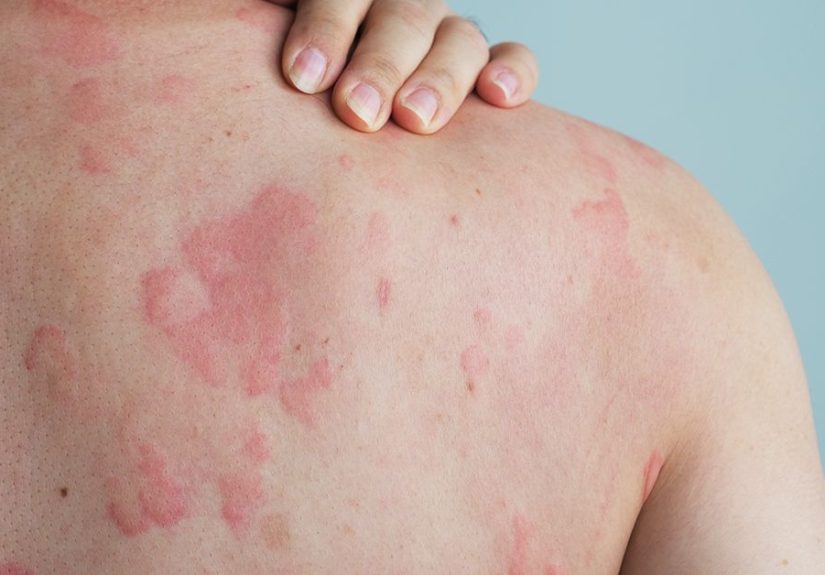
Hives (also called urticaria) are raised, itchy welts that can be pink, red, or skin-colored. They often appear suddenly,
move around, and disappear within hoursonly to pop up somewhere else like they’re playing tag.
When hives stick around (or keep returning) for more than 6 weeks, clinicians usually call it
chronic urticaria. A common type is chronic spontaneous urticaria (CSU), meaning the hives come and go without a clear,
consistent external trigger.
Autoimmune hives generally refers to CSU drivenat least partlyby the immune system mistakenly targeting the body’s own pathways that control
allergy-type reactions. In plain English: your immune system acts like there’s a threat… when there isn’t one.
The “How” in One Minute: Mast Cells and Histamine
Many hives start with mast cells, immune cells that release chemicals like histamine. Histamine increases blood vessel
leakiness, which can cause swelling and itch. That’s why antihistamines are often step one: they help block histamine’s effects.
In autoimmune CSU, research suggests at least two broad immune patterns may contribute:
- Autoallergy (Type I): the body may form IgE antibodies against the body’s own proteins, triggering a classic allergy-style pathway.
- Type IIb autoimmune CSU: some people have IgG autoantibodies that can activate mast cells through IgE-related receptors, keeping the cycle going.
Not everyone with chronic hives has autoimmune CSUbut autoimmune mechanisms are a major reason many CSU cases don’t have a clear “outside” cause.
Autoimmune Hives vs. Allergic Hives: Why the Confusion?
Acute allergic hives often follow a recognizable trigger (food, medication, insect sting, etc.) and fade once the trigger is gone. Autoimmune hives,
on the other hand, tend to be recurrent and stubborn, with flare-ups that don’t neatly match one specific exposure.
The tricky part: the rash can look basically the same in photos. The difference is in the storytiming, frequency, how long it’s lasted, and patterns
across weeks or months.
Common Causes and Risk Factors (What We Knowand What We Don’t)
Here’s the honest truth: for many people with chronic hives, there’s no single “Aha!” cause. But several factors show up again and again in clinical
resources and research:
1) Immune System Misfires
Autoimmune activity can keep mast cells activated, even without a normal allergic trigger. This helps explain why some people have daily or near-daily hives
despite doing everything “right.”
2) Links with Other Autoimmune Conditions (Especially Thyroid Disease)
CSU is sometimes associated with other autoimmune conditions. One of the most commonly discussed links is with autoimmune thyroid disease and thyroid antibodies.
This doesn’t mean everyone with CSU has thyroid diseasebut clinicians may consider it, especially when symptoms are persistent or paired with thyroid-related clues
(fatigue, heat/cold intolerance, hair changes, unexplained weight shifts, etc.).
3) Infections and Inflammation
Infections can trigger or worsen hives in some people. Sometimes that’s an acute “I had a virus and now my skin is mad” scenario. Sometimes it’s a flare pattern
that’s hard to pin down without tracking symptoms over time.
4) Medications That Can Make Hives Worse
Certain medicationsespecially NSAIDs (like ibuprofen or naproxen)can worsen hives in some people with chronic urticaria.
This is very individual, so it’s something to discuss with a clinician rather than guessing.
Symptoms: What Autoimmune Hives Feel and Look Like
Autoimmune hives symptoms often overlap with other forms of chronic hives. The most common features include:
- Itchy welts that come and go (often moving around the body)
- Raised bumps or plaques that may be pale in the center and redder around the edges
- Flares that can worsen with heat, stress, pressure, or illness
- Angioedema (deeper swelling), often around eyelids, lips, hands, feet, or genitals
- Sleep disruption (itch doesn’t respect bedtime)
A Useful Clue: “One Spot Usually Doesn’t Last All Day”
A classic urticaria detail is that an individual hive in one location often fades within about a day, even if new hives appear elsewhere.
If a single lesion lasts longer than a day, becomes bruised, or is painful rather than itchy, clinicians may consider other diagnoses.
How Severe Can It Get?
Chronic hives can range from “annoying but manageable” to “I am negotiating with my bedsheets.” Severity is often measured by how many days symptoms occur,
how intense the itch is, and how much it impacts daily life.
Triggers: Not the Cause, But the Spark
Even when the root driver is autoimmune, many people notice flare “sparks.” Common ones include:
- Heat or sweating (hot showers, workouts, humid days)
- Pressure (tight waistbands, backpack straps, sitting on a hard chair)
- Stress (your immune system loves drama)
- Alcohol for some people
- Viral illnesses and general inflammation
- NSAIDs in susceptible individuals
A key mindset shift: triggers don’t always mean you “caused” the hives. They’re often just turning up the volume on a process already happening.
Diagnosis: How Clinicians Figure Out If It’s Autoimmune Hives
Diagnosis usually starts with the basics: your history, the timeline, and what the hives look like. Many clinicians focus on:
- Whether symptoms have lasted 6+ weeks
- How often hives appear (daily, weekly, random)
- Whether there’s angioedema
- Any obvious triggers (foods, meds, infections, heat, pressure)
- Signs pointing away from urticaria (lesions lasting >24 hours, bruising, fever, severe pain)
Testing: Often Limited, Sometimes Targeted
For CSU, many guidelines and clinical resources recommend limited routine testing unless your history suggests something specific.
Depending on the situation, a clinician may consider basic labs (to check for inflammation or other clues) and sometimes thyroid screening.
More specialized tests for autoimmune CSU exist, but they aren’t always routinely done everywhere, and results don’t always change the first steps of treatment.
In practice, response to therapy often helps guide the next move.
What You Can Do Before the Appointment
- Take photos (hives love disappearing right before you’re seen)
- Track patterns for 2–3 weeks: foods, meds, illness, stress, heat, exercise, pressure
- List everything you take: prescriptions, OTC meds, supplements
- Note red flags: breathing trouble, throat tightness, fainting, rapid swelling
Treatments That Actually Help (Step-by-Step, Real-World Style)
Treating autoimmune hives is often a “ladder” approachstart safe and simple, then step up if symptoms persist.
Always work with a clinician, especially if you’re dealing with daily symptoms, angioedema, or medication side effects.
Step 1: Avoid Obvious Aggravators + Calm the Skin
- Cool compresses for itch
- Lukewarm showers (hot water can worsen itching)
- Fragrance-free moisturizers to reduce irritation
- Loose clothing if pressure triggers flares
- Discuss NSAIDs with a clinician if you suspect they worsen symptoms
Step 2: Second-Generation Antihistamines (Usually First-Line Medication)
Many clinical resources point to second-generation H1 antihistamines as first-line treatment for chronic hives.
They’re generally preferred over older antihistamines because they tend to cause less sedation for many people.
If symptoms aren’t controlled, clinicians may adjust the plansometimes by changing the antihistamine or increasing the overall regimen under supervision.
(Translation: don’t freestyle doses; let a pro drive the bus.)
Step 3: Add-On Options (Case-by-Case)
If antihistamines alone aren’t enough, clinicians may consider add-ons, depending on symptoms and individual risk:
- Short courses of oral corticosteroids for severe flares (not ideal long term)
- Leukotriene receptor antagonists in certain cases
- Other supportive meds based on a clinician’s evaluation
Step 4: Targeted Therapies for Persistent CSU
For people whose hives persist despite antihistamines, specialists may consider targeted therapies. In the U.S., options include:
- Omalizumab (Xolair): an anti-IgE biologic approved for chronic idiopathic/spontaneous urticaria in patients (including adolescents) who remain symptomatic despite H1 antihistamines.
- Dupilumab (Dupixent): FDA-approved (2025) for chronic spontaneous urticaria in patients aged 12+ whose disease remains uncontrolled with H1 antihistamines.
- Remibrutinib (RHAPSIDO): an oral BTK inhibitor approved (2025) for adults with CSU who remain symptomatic despite H1 antihistamines, offering a non-injectable targeted option.
Not every therapy fits every person. Some patients respond dramatically to one option and barely to another.
That’s frustratingbut it’s also why specialist follow-up matters: treatment is often personalized based on response.
When Immunosuppressants Enter the Conversation
In more refractory cases, clinicians may consider medications that influence immune activity (for example, cyclosporine has been discussed in the medical literature for difficult CSU).
These require careful medical supervision due to potential risks and monitoring needs.
Living With Autoimmune Hives: Practical Strategies That Don’t Feel Like Homework
Chronic hives can mess with sleep, confidence, workouts, social plans, and that peaceful mental state you were promised adulthood would bring.
A few strategies people commonly find helpful:
- Symptom journaling (short and simplejust enough to spot patterns)
- Stress management (not because it’s “all in your head,” but because stress can amplify immune reactivity)
- Sleep protection (cool room, breathable bedding, consistent bedtime routine)
- Planning for flares (travel kit: gentle moisturizer, clinician-approved meds, photos of prior episodes)
When to Seek Urgent Care
Most hives are not life-threatening. But get urgent/emergency help if you have hives with:
- Difficulty breathing, wheezing, or throat tightness
- Swelling of the tongue or throat
- Dizziness, fainting, or signs of shock
- Rapidly worsening swelling (especially of the face/airway)
Quick FAQs
Are autoimmune hives contagious?
No. CSU and autoimmune hives are not contagious.
Will I have this forever?
Many people improve over time, though the timeline varies. The goal is to control symptoms, protect sleep and daily functioning,
and step up treatment when needed.
Should I avoid entire food groups?
Not automatically. Unless you have clear evidence of a food trigger (and a clinician agrees), blanket restrictions can create stress and nutrition issues without fixing the hives.
Targeted changes based on patterns and medical guidance are usually more useful.
Experiences With Autoimmune Hives (Real-Life Style, 500+ Words)
People often describe autoimmune hives as less of a “rash” and more of a season. A recurring series. A sitcom you never subscribed to.
The most common emotion isn’t panicit’s confusion. Because you can do the same exact things two days in a row, and your skin will react like it’s reading a completely different script.
One of the classic experiences is the vanishing appointment hive: you have a full constellation of welts all morning, you finally get to the clinic,
and suddenly your skin decides to behave like it’s up for an award. That’s why many patients learn to keep photos on their phone.
It’s not “being dramatic.” It’s documentation for a condition that loves disappearing at inconvenient times.
Another common storyline is the sleep battle. Many people say the itch is worse at night, partly because the distractions are gone.
It becomes a loop: itch wakes you up, lack of sleep increases stress, stress can amplify flare intensity, and then you’re negotiating with your own immune system at 2 a.m.
Over time, patients often build a “sleep defense plan”: cooler room temperatures, soft breathable clothing, gentle skincare, and a consistent routine.
It isn’t glamorousbut neither are midnight scratch sessions.
Then there’s the social side. Autoimmune hives can affect confidence because they’re visible and unpredictable.
People talk about canceling plans because they don’t want questions like “What happened to your arms?” when the real answer is,
“My immune system is freelancing again.” Some find it helps to have a simple one-liner ready:
“It’s chronic hivesit’s not contagious, it just flares sometimes.” Short, calm, and it moves the conversation along.
Many patients also describe learning the difference between a trigger and a cause.
For example: a hot shower might reliably worsen itching, but it didn’t “create” the condition.
That realization can reduce self-blame. You’re not failing at skincare. You’re adapting to an immune pattern.
People often experiment gently: slightly cooler showers, looser clothing, avoiding pressure points (like tight waistbands),
and watching whether NSAIDs or alcohol seem to correlate with flaresthen discussing those patterns with a clinician.
The most hopeful experience people share is what happens when treatment finally clicks.
Some report that once they find the right planoften starting with modern, non-sedating antihistamines and escalating if neededthey get their life back in increments.
First they sleep through the night. Then they stop scanning their skin every hour. Then they realize they went three days without thinking about hives at all.
That’s not just symptom control; it’s mental relief.
If you’re in the middle of it, the experience can feel isolatingbecause it’s hard to explain an illness that comes and goes.
But chronic spontaneous urticaria is well recognized, and autoimmune patterns are a known part of why it can be persistent.
Working with a clinician (often an allergist/immunologist or dermatologist), tracking patterns without obsession, and stepping treatment up when needed
can turn the story from “unpredictable chaos” into “annoying but managed.”
And yes, it’s unfair that your immune system picked itchy welts as its personality. But there are more treatment options now than there were even a few years ago.
That mattersbecause the goal isn’t just fewer hives. It’s getting your normal days back.