Table of Contents >> Show >> Hide
- Why Overloading Your Washer Is Such a Bad Idea
- The Simple Trick: Use the Hand-Space Test
- One Trick, Two Washer Types: Know the Difference
- Signs You Are Overloading the Washing Machine
- Why “Small, Heavy” Can Be Worse Than “Big, Light”
- How to Load Clothes the Right Way
- The Biggest Overloading Mistakes People Make
- What About Bedding, Towels, and Comforters?
- How Overloading Affects Your Clothes
- How Overloading Affects the Washer
- The Best Rule of Thumb for Every Laundry Day
- Extra Experience: What Real Laundry Mistakes Usually Teach People
- Final Thoughts
There is a very specific kind of optimism that shows up on laundry day. It usually sounds like this: I can totally fit one more towel in here. Then maybe two shirts. Then a hoodie. Then, somehow, a fitted sheet joins the party like it paid cover at the door. Before you know it, your washing machine is packed tighter than an airport carry-on and your “clean” clothes come out looking confused, damp, and slightly offended.
If that sounds familiar, good news: avoiding an overloaded washing machine is not some mysterious appliance wizardry. There is one simple trick that can save your clothes, help your washer clean better, and reduce the thumping, wobbling, and drama that often follow an overstuffed load.
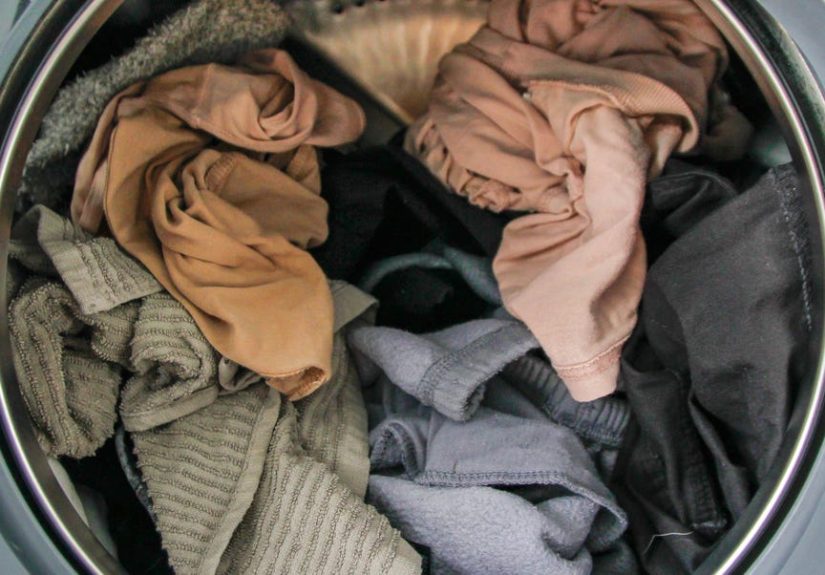
The trick is this: use the hand-space test. If you cannot fit your hand comfortably between the top of the laundry and the top of the drum or basket, the load is too full. In plain English, your clothes need breathing room. Laundry is not a hostage situation.
This small habit can make a big difference in wash performance, odor control, fabric care, cycle time, and even the life of your machine. Below, we will break down why overloading is such a common laundry mistake, how the hand trick works, and what to do if you have a top-loader, front-loader, bulky bedding, or a load that behaves like it has personal issues.
Why Overloading Your Washer Is Such a Bad Idea
At first glance, stuffing in more laundry seems efficient. Fewer loads, less time, less effort, and maybe a tiny burst of self-congratulation. But washers do not clean clothes by magic alone. They rely on movement, water flow, detergent distribution, and proper spinning. When you cram too much into the drum, all of those things get worse.
Clothes need room to tumble or circulate so water and detergent can reach the fibers. If the load is packed too tightly, soil, sweat, lint, and detergent residue can get trapped instead of rinsed away. That means dingy shirts, sour-smelling towels, stiff fabric, and the annoying feeling that you somehow did laundry without actually accomplishing laundry.
Overloading also makes it harder for the washer to balance itself during the spin cycle. That can lead to banging, vibration, slow spinning, longer cycles, or clothes that come out wetter than expected. In some cases, the washer may pause, try to rebalance, or extend the cycle because the load is not cooperating. Your machine is basically saying, “I would like to help, but you have made poor choices.”
The Simple Trick: Use the Hand-Space Test
The easiest way to avoid overloading is not by guessing, squinting, or relying on your inner laundry philosopher. It is by checking for space with your hand.
How to do it
After you place your clothes in the washer, slide your hand into the top of the drum or basket.
- If your hand fits comfortably on top of the load, you are in good shape.
- If you need to shove your hand in like you are trying to pull a rabbit from a hat, the washer is too full.
- If the clothes are compressed, mashed down, or jammed tightly together, remove a few items.
This is a practical rule because it focuses on what really matters: giving laundry enough room to move. It is quick, easy, and much more reliable than saying, “Eh, it’ll probably be fine.” Those are famous last words in the laundry room.
One Trick, Two Washer Types: Know the Difference
Here is where people get tripped up. All washers are not loaded exactly the same way. The hand trick still works, but you need a little machine-specific common sense.
Front-load washers
Front-load machines can usually hold a generous amount of laundry, but that does not mean you should tightly pack the drum. Items should be loosely loaded, not pressed down. Think “full but fluffy,” not “vacuum-sealed by force.”
If you have a front-loader, a good rule is to leave enough room at the top so your hand can fit in easily and the clothes can tumble. If the door barely closes because your comforter is trying to escape, that is not efficiency. That is a cry for help.
Top-load washers
Top-load machines, especially high-efficiency models, often need even more attention to how the load is placed. Many appliance makers advise loading clothes loosely, not packing them down, and keeping the load below the top row of basket holes or below the clothes-retaining ring. On impeller models, keeping the top of the impeller visible is often a smart move.
In other words, just because the lid closes does not mean the load is correct. A washer is not a suitcase, and there is no prize for “most towels crammed into one cycle.”
Signs You Are Overloading the Washing Machine
Sometimes the washer tells you the load is too big long before you admit it to yourself. Watch for these warning signs:
- Clothes come out still dirty or with detergent residue
- The machine shakes, thumps, or sounds like it is practicing for a drum solo
- The cycle takes longer than usual
- Items come out tangled, twisted, or wrinkled
- Towels and jeans stay unusually wet after spinning
- You notice more lint on clothing
- The washer stops to rebalance or displays an error
Any of these can be a clue that the load is packed too tightly, unbalanced, or both. Overloading is not just about volume. A few heavy items can create problems too, especially if you wash them in a lump.
Why “Small, Heavy” Can Be Worse Than “Big, Light”
One of the most overlooked laundry facts is that weight matters just as much as space. A drum that looks half full can still be overloaded if the items are dense and absorbent. Wet bath towels, sweatshirts, jeans, rugs, and blankets get heavy fast.
That is why a washer may handle a full load of T-shirts just fine but struggle with a smaller load of soaked towels. The machine is dealing with weight distribution, water absorption, and spin balance all at once. So do not judge a load by fluffiness alone. A modest-looking towel load can turn into a gym workout for your washer.
How to Load Clothes the Right Way
If you want cleaner laundry and less machine drama, use this simple process:
1. Sort by fabric and weight
Try not to wash lightweight tops with heavy towels if you can avoid it. Mixing wildly different items can throw off balance and lead to uneven cleaning. Similar fabrics and weights generally wash better together.
2. Load items loosely
Do not wad clothes into a giant laundry meatball. Drop them in loosely so they can spread out. For top-loaders, distribute items evenly around the basket. For front-loaders, resist the urge to push the pile down.
3. Use the hand-space test
Check that you still have room above the clothes. This is the easiest step and the one most likely to save you from a bad load.
4. Match the cycle to the load
Bulky bedding, towels, delicates, and everyday mixed laundry all behave differently. Using the correct cycle helps the machine adjust agitation, water use, and spin performance.
5. Measure detergent properly
Too much detergent plus too many clothes is a perfect recipe for residue. Too little detergent with a truly dirty load is not great either. Follow the detergent instructions and remember that high-efficiency washers usually need less soap than people think.
The Biggest Overloading Mistakes People Make
Stuffing in “just one more thing”
This is the laundry equivalent of sending “one more email” at 11:58 p.m. It never ends with one more thing. It ends with regret.
Washing one bulky item alone
A single comforter, rug, or heavy blanket can become unbalanced fast. Many washers do better when bulky items are washed on the right cycle and balanced with a few compatible pieces, if the care label allows it.
Pushing clothes down to make them fit
If you are using your forearm like a trash compactor, the load is too large. Back away slowly and remove something.
Ignoring the care label
Some oversized or absorbent items are better suited for a larger-capacity machine or a laundromat washer. Your home washer may not be the right stage for every starring comforter performance.
What About Bedding, Towels, and Comforters?
These are the usual suspects in overload situations. They are bulky, thirsty, and deceptively rude.
Towels: Towels absorb lots of water and get heavy quickly. Wash them in sensible-sized loads and avoid mixing a mountain of towels with delicate clothing.
Sheets: Sheets can twist around other items and create tangles. Washing them with similarly sized linens often works better than mixing them into a random load.
Comforters and blankets: If they barely fit dry, they may be too large once they absorb water. Check the care label and your washer capacity. A comforter that is crammed into the drum will not clean well and can stress the machine.
Rugs and waterproof items: These can be especially tricky and may cause severe imbalance. Some are not meant for a standard home washer at all.
How Overloading Affects Your Clothes
Most people think overloading only hurts the machine, but your clothes pay a price too. When garments rub together in a tight, heavy mass, friction increases and proper rinsing drops. That can lead to stretching, wrinkling, lint transfer, trapped odors, stiff fabric, and premature wear.
In short, overloading can make your laundry look older faster. That favorite hoodie is not “suddenly worn out.” It may just be getting roughed up in a drum packed like rush-hour traffic.
How Overloading Affects the Washer
While a modern washer is built to handle real life, repeated overloads can be hard on the machine. Extra strain during agitation and spinning may increase wear over time, especially when the load is heavy, unbalanced, or tightly packed. That can contribute to vibration, noisy operation, poor spin performance, and more stress on components.
You do not need to become paranoid every time you wash a sweatshirt. But you do want to stop treating your washer like it has the emotional resilience of a pickup truck.
The Best Rule of Thumb for Every Laundry Day
If you only remember one thing, make it this:
Load clothes loosely, make sure they can move, and leave enough space to fit your hand comfortably above the load.
That one habit helps solve a surprising number of laundry problems before they start. Better cleaning. Better rinsing. Less banging. Less lint. Fewer mystery damp spots. Less muttering at the machine.
Extra Experience: What Real Laundry Mistakes Usually Teach People
Ask enough people about laundry and you will hear the same confession in different outfits: they overloaded the washer because they were in a hurry. The parent with three kids and soccer uniforms. The college student trying to avoid spending another stack of quarters. The apartment dweller doing laundry at midnight because that is the only quiet moment in the day. Everyone eventually tries to outsmart the washer. The washer usually wins.
One common experience goes like this: someone washes a giant load of towels to “save time,” only to open the lid and find the center of the load still grimy and the outer towels twisted into a wet rope sculpture. The machine spent half the cycle trying to spin, rebalance, and spin again. Time was not saved. Time was politely set on fire.
Another classic is the bedding disaster. A comforter looks like it fits when dry, so in it goes. Halfway through the cycle, it absorbs enough water to become the weighted blanket of doom. The washer starts banging like it is auditioning for a garage band. The owner stands there, hand on the lid, whispering, “Please don’t die.” After that, most people become much more humble about load size.
There is also the gym-clothes lesson. Someone piles in leggings, sweatshirts, socks, towels, and a hoodie after a workout-heavy week. The machine finishes, but the clothes come out smelling strangely like detergent, fabric softener, and unresolved decisions. That is when they realize packed loads do not rinse well. The fix is rarely a fancy product. It is usually a smaller load and less overcrowding.
Pet owners learn this too. When you throw fur-covered blankets, towels, and everyday clothes into one heroic mega-load, the lint and hair tend to move around like they are changing seats at a concert. Instead of leaving the machine clean, they come out evenly redistributed across everything you own. Once people start washing smaller, better-sorted loads, the difference is obvious.
Then there are the people who swear their washer is “broken” because clothes come out too wet. Sometimes the washer really does need leveling or service. But often the problem is simply an overloaded or uneven load. Remove a few things, redistribute the rest, run spin again, and suddenly the machine is not “broken” anymore. Awkward for the machine, but satisfying for everyone else.
The most useful experience people report is this: once they stop cramming laundry in and start giving it room, everything gets easier. Clothes smell better. Towels fluff better. Cycles finish more smoothly. The washer sounds calmer. And laundry day becomes less of a wrestling match and more of a routine. Not a thrilling routine, sure. But a competent one. Which, honestly, is the dream.
Final Thoughts
Avoiding an overloaded washing machine does not require a gadget, a chart taped to the wall, or a PhD in fabric science. It just requires a little restraint and one simple check. Before you hit Start, give the load room to move and make sure your hand still fits above it.
That tiny trick can help your washer clean more effectively, spin more smoothly, and treat your clothes with a lot more respect. It may not make laundry exciting, but it will make it less chaotic. And on most laundry days, that is already a win.
Note: This article is original, web-ready content based on real laundry and appliance guidance, rewritten in a fresh style for publication and cleaned of unnecessary citation artifacts.