Table of Contents >> Show >> Hide
- What Is the Graystone Accessory Collection?
- Why Subway Tile and Graystone Accessories Work So Well Together
- Signature Pieces That Define the Graystone Look
- Design Ideas for Using the Graystone Accessory Collection
- What Makes This Collection Different from Ordinary Bathroom Accessories?
- How to Choose the Right Graystone Pieces for Your Bathroom
- The Bottom Line on Graystone and Subway Tile
- Real-World Experiences with the Graystone Accessory Collection
If you have ever looked at a gorgeous vintage bathroom and thought, “Why does this room feel so much more polished than mine?” the answer is often hiding in plain sight. It is not always the clawfoot tub. It is not always the marble floor. And it is definitely not the sad plastic shower caddy clinging to the wall for dear life. More often, the difference comes down to the little ceramic details built right into the tilework.
That is exactly why the Graystone Accessory Collection from Subway Tile deserves a closer look. This collection taps into the enduring appeal of classic subway tile bathroom design and pairs it with ceramic bath accessories that feel thoughtful, architectural, and timeless. Instead of treating the bathroom as a place to simply stash soap and towels, Graystone turns those everyday items into part of the room’s design language.
For homeowners, renovators, and anyone who has ever daydreamed about a bathroom that looks collected rather than cobbled together, the Graystone line is especially appealing. It offers the kind of old-house charm people love, but with a cleaner, more intentional approach that works in both historic restorations and new builds. In other words, it gives you the vintage mood without requiring a scavenger hunt through three salvage yards and a suspiciously dusty antique mall.
What Is the Graystone Accessory Collection?
The Graystone Accessory Collection is best understood as a family of vintage bathroom accessories recreated in ceramic to coordinate with classic tiled bathrooms. Rather than functioning as random add-ons, these pieces are meant to be integrated into the wall tile itself. That distinction matters. A recessed soap dish or built-in paper holder does not just sit in the room; it becomes part of the room.
This is what gives Graystone its charm. The collection reflects a period when bathrooms were designed with permanence in mind. Accessories were not an afterthought grabbed from a big-box aisle at the end of a remodel. They were selected alongside field tile, trim, cap pieces, and floor mosaics so the entire bathroom felt cohesive. The result was practical, yes, but also elegant in a quiet, unshowy way.
That old-school sensibility still resonates today. In a market crowded with chrome gadgets, suction cups, and shelves that look like they were engineered for a spaceship, Graystone feels refreshingly grounded. Its appeal comes from proportion, shape, and integration. A ceramic soap dish in matching tile glaze feels calmer than a jumble of unrelated accessories, and a recessed paper holder looks infinitely more refined than a freestanding stand wedged beside the toilet like it lost a bet.
Why Subway Tile and Graystone Accessories Work So Well Together
There is a reason subway tile has never really left the bathroom chat. It is simple, durable, easy to maintain, and visually flexible. In design terms, it is the white button-down shirt of wall surfaces: crisp, dependable, and surprisingly adaptable. Whether you prefer a historic bath, a cottage look, a tailored traditional space, or even a more modern room, subway tile has a way of fitting in without trying too hard.
The Graystone pieces complement that quality because they extend the same design logic. A recessed soap dish, robe hook, cup holder, or towel-bar end made in ceramic does not interrupt the tile composition. It continues it. That is what makes the room feel intentional rather than layered with add-ons after the fact.
There is also a practical advantage. Built-in or tile-integrated accessories help preserve precious square footage, especially in compact bathrooms. They reduce visual clutter, provide predictable placement for everyday items, and create the kind of clean lines that make a bath feel calmer. That matters in small spaces, where every protruding basket, shelf, or organizer seems determined to bump your elbow at the worst possible moment.
Another reason this pairing works is material consistency. When wall tile, trim, and accessories share the same ceramic character, finish, or glaze family, the room feels unified. Even when the layout is classic, that unity makes the bathroom look higher-end. It is a subtle trick, but a good one.
Signature Pieces That Define the Graystone Look
A big part of the Graystone collection’s appeal is its sculptural practicality. These are not flashy statement pieces. They are useful objects that happen to be handsome. That is a very different kind of luxury, and frankly, it ages better.
Recessed Soap Dishes
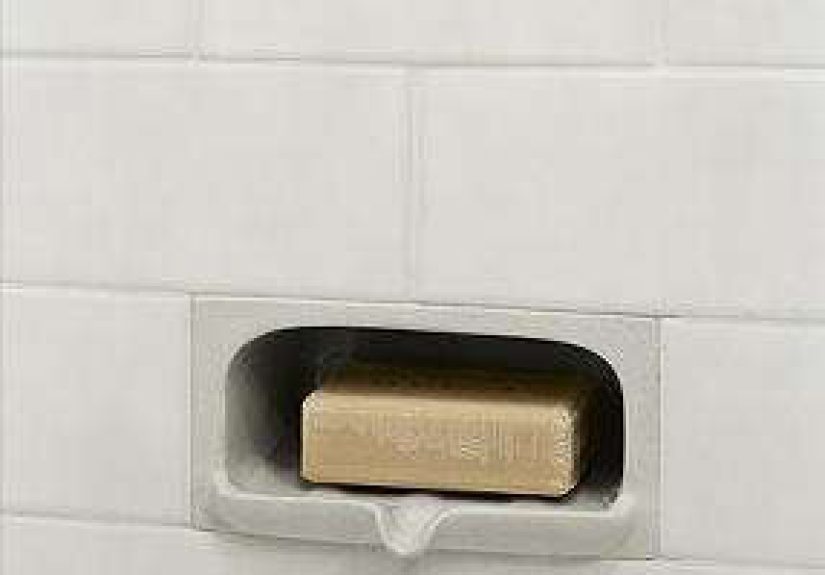
The recessed soap dish is one of the most iconic elements in the collection. It sits flush within the tile field, which means it adds function without adding bulk. This is especially effective in shower walls, tub surrounds, and secondary baths where every inch counts. It also delivers a distinctly vintage feel that many modern bathrooms miss.
Recessed Paper Holders
A built-in paper holder may not sound thrilling at first glance, but in the right bathroom it is one of those “why does this look so good?” details. It keeps the function close at hand while preserving the wall’s overall rhythm. More importantly, it helps the bathroom avoid the awkward mix of one tile style, another hardware finish, and a third accessory vibe all fighting for attention.
Towel-Bar Ends and Hooks
Towel-bar ends, robe hooks, and similar pieces reveal how complete the system can feel. They allow the bathroom to carry the ceramic language beyond the wet zone. Instead of tacking on a different material later, these accessories continue the design with the same quiet discipline. That consistency is part of what makes a tiled bath feel genuinely custom.
Cup Holders and Soap Dishes in Smaller Formats
Smaller-format accessories also give designers and homeowners flexibility. In a powder room, a modest built-in soap dish may be all you need. In a primary bath, a cup holder near the vanity or a robe hook near the shower can reinforce that old-house, highly considered feeling. These small moves often have outsized impact.
Design Ideas for Using the Graystone Accessory Collection
The best thing about the Graystone collection is that it is not limited to one rigid look. Yes, it shines in historic-style bathrooms, but it can also work beautifully in newer spaces that want warmth and permanence.
1. Classic White Subway Tile Bath
This is the most obvious pairing, and for good reason. A white subway tile wall with pencil-thin grout lines and matching ceramic accessories creates a crisp, collected atmosphere. Add black or charcoal grout for extra definition, or keep the grout tone close to the tile for a softer, more seamless effect.
2. Vintage-Inspired Black-and-White Bathroom
If you love prewar style, Graystone accessories make a lot of sense alongside a black-and-white palette. Think white subway tile walls, small-format floor tile, dark trim accents, and built-in ceramic details. The room feels rooted in history without becoming theatrical. It reads as authentic instead of costume-y, which is always the goal.
3. Colored Glaze, Same Old Soul
Subway tile no longer lives only in white, and that is good news for anyone who wants personality without chaos. Soft greens, blues, gray-blues, and warm creams can all carry the Graystone look beautifully. The key is to let the accessories participate in the same glaze story so they read as integrated rather than pasted on.
4. Mixed Traditional and Modern Bath
You do not need to live in a 1920s bungalow to use tile-integrated accessories. A modern vanity, simple mirror, and clean-lined lighting can pair surprisingly well with classic ceramic bath details. In fact, that tension between old and new often makes the bathroom more interesting. It says, “I appreciate history,” not “I am living inside a museum gift shop.”
5. Small Bathroom with Built-In Function
In a compact bath, Graystone accessories can do serious heavy lifting. Recessed elements help preserve circulation space, and that matters more than ever in narrow tub alcoves, tiny shower walls, or tight powder rooms. When combined with vertical tile layouts, thoughtful niches, or a clean running-bond pattern, the bathroom can feel larger and less cluttered.
What Makes This Collection Different from Ordinary Bathroom Accessories?
The difference comes down to integration, authenticity, and longevity.
Integration means the pieces are not just placed in the room; they are designed into it. That creates visual calm and makes the bathroom feel finished at an architectural level.
Authenticity means the forms do not look generic. They reflect a classic American tile tradition associated with early indoor plumbing, sanitary surfaces, and the rise of beautifully detailed bath tilework. That heritage gives the room character even when the rest of the design stays simple.
Longevity is the real win. Trendy accessories often look dated quickly because they chase novelty. Ceramic built-ins, by contrast, tend to age gracefully. A good soap dish is not trying to be the star of the room. It is just doing its job with suspiciously good posture.
How to Choose the Right Graystone Pieces for Your Bathroom
Start with behavior, not aesthetics. In other words, think about how the bathroom is actually used. Do you want a spot for bar soap in the shower? A built-in paper holder in a tight water closet? A robe hook right outside the shower? The most successful tile accessory plans come from practical routines.
Next, consider placement early in the design process. Tile-integrated accessories are not the kind of thing you casually decide on after the walls are done. They should be coordinated with tile layout, trim lines, and fixture locations from the start. When they align with grout joints, wainscot heights, and other visual anchors, they look deliberate and polished.
Finally, think about finish and mood. A bright white, high-gloss look will feel different from a softer, slightly warmed glaze or a colored ceramic wall. If your goal is a historically inspired bathroom, keep the palette restrained and let the craftsmanship do the talking. If your goal is a more updated bath, you can use color or grout contrast while keeping the Graystone forms as a nod to tradition.
The Bottom Line on Graystone and Subway Tile
The Graystone Accessory Collection from Subway Tile works because it solves a design problem people often do not realize they have. Many bathrooms look incomplete not because the tile is wrong, but because the accessories feel disconnected. Graystone closes that gap by making storage and utility part of the design itself.
For anyone restoring an older home, it offers a bridge back to period-appropriate character. For anyone designing a new bathroom, it offers a smarter and more graceful alternative to disposable-looking add-ons. And for anyone who loves a room that feels finished from the grout lines out, it is hard not to appreciate what this collection brings to the table, or rather, to the wall.
In a world of fast upgrades and one-click bathroom fixes, Graystone is a reminder that the most satisfying details are often the ones built to belong. That is a pretty good lesson for tile, and maybe for life too.
Real-World Experiences with the Graystone Accessory Collection
One of the most interesting things about bathrooms built around the Graystone idea is how often people notice the feeling of the room before they notice the individual pieces. Homeowners may not walk in and announce, “Ah yes, a beautifully integrated ceramic paper holder.” They usually say something more like, “This bathroom just feels right.” That reaction is the point. The accessories are doing quiet design work in the background, creating order and visual continuity without begging for applause.
In older homes, the experience is often emotional as much as practical. A homeowner restoring a 1920s or 1930s bath may start with the usual wish list: subway tile walls, a mosaic floor, maybe a medicine cabinet that does not look like it was borrowed from a dentist’s office in 2004. But once tile-integrated accessories enter the plan, the room starts to feel less like a remodel and more like a respectful continuation of the house’s story. The recessed soap dish, the towel-bar ends, and the ceramic hook all help the bathroom look as though it belongs to the architecture instead of merely renting space in it.
In new builds, the experience is slightly different but equally satisfying. Here, Graystone often brings warmth to bathrooms that might otherwise feel too sleek or impersonal. Many newer baths have beautiful surfaces but no depth of character. Add a few ceramic accessories that echo the wall tile, and suddenly the room feels considered. It is still clean and updated, but it has some soul. Think less “hotel chain refresh” and more “someone actually cared about this room.”
There is also the daily-use factor, which is not glamorous but absolutely matters. Built-in ceramic pieces tend to make routines easier. Soap has a real home. Towels hang where they should. Toilet paper does not awkwardly occupy floor space. The bathroom becomes calmer because fewer items are competing for a place to live. It is a small quality-of-life upgrade that pays off every single day, especially in households where more than one person is trying to function before coffee.
Designers and detail-oriented homeowners also tend to appreciate how Graystone rewards planning. When accessory placement lines up nicely with the tile pattern, the finished wall has a rhythm that looks custom and expensive. This is one of those subtle successes guests may not be able to name, but they absolutely notice it. The room reads as complete. Nothing feels tacked on.
Perhaps the best experience tied to the Graystone collection is that it ages well. Months and years after installation, these pieces usually still feel appropriate because they were never chasing novelty in the first place. They were chosen for proportion, utility, and continuity. That is the kind of design choice people rarely regret.