Table of Contents >> Show >> Hide
- What “When Objects Work” Really Means
- Belgium’s Outsized Design Influence (Yes, It’s a Thing)
- The Remodelista Snapshot: Three Objects That Explain the Brand
- The “Architect Designed It” Advantage
- Enter John Pawson: The Gospel of “One Perfect Thing”
- How to Bring the “When Objects Work” Mood Into Your Home
- Buying Smart: How to Pick the Right Piece Without Regretting It
- Why “Belgium Week” Still Feels Relevant Now
- Extra: of “Real-Life” Experiences You Can Recreate
- Conclusion
Some countries export chocolate. Some export beer. Belgium exports a third (and arguably more dangerous) category:
quietly perfect designthe kind that doesn’t scream for attention, yet somehow makes everything else
in your home look like it’s trying too hard.
Remodelista’s “Belgium Week: When Objects Work” is a small post with a big idea: when everyday items are designed by
people who obsess over proportion, material, and how a hand actually grabs a handle, the results feel almost unfair.
Like: why doesn’t every tray, bowl, and plate behave this well?
What “When Objects Work” Really Means
The name is the thesis. When Objects Work isn’t about adding “stuff.” It’s about removing friction. The best
domestic objects do three things at once:
- They function (obviously, but you’d be surprised).
- They age well (patina is welcome; ugliness is not).
- They calm a room instead of cluttering it.
Belgium’s design culture tends to lean into restraintforms that feel inevitable, materials that feel honest, and a
mood that’s more “soft-spoken confidence” than “look at me!” That’s exactly why a Belgian brand commissioning
architects and designers to create domestic objects makes so much sense. Architects, after all, are professionally
trained to care about how humans move through spaceand that includes the small spaces between a hand and a bowl.
Belgium’s Outsized Design Influence (Yes, It’s a Thing)
Belgium isn’t huge, but its design influence is. The country has produced a long list of makers and architects who
excel at turning minimalism into something warm, tactile, and livable. If you’ve ever looked at a serene interior and
thought, “This feels calmbut not cold,” you’ve brushed up against the Belgian sensibility.
The interesting twist is that Belgian design doesn’t chase novelty. It chases right-ness: the correct
curve, the correct thickness, the correct weightuntil the object feels like it has always existed, and we were just
late to the party.
The Remodelista Snapshot: Three Objects That Explain the Brand
The Remodelista post highlights a tight trio of pieceseach one a small manifesto for functional beauty.
Let’s translate them into real-life terms: what they are, why they matter, and how you’d actually use them without
treating them like museum artifacts.
1) The Tray: The Most Underestimated Workhorse in Your House
A tray seems basicuntil you meet a tray designed by people who understand daily life. A great tray does more than
carry cups. It becomes a moving “surface” that creates order wherever it lands: on a coffee table, a kitchen counter,
a nightstand, or that one chair you swear is not your laundry staging area.
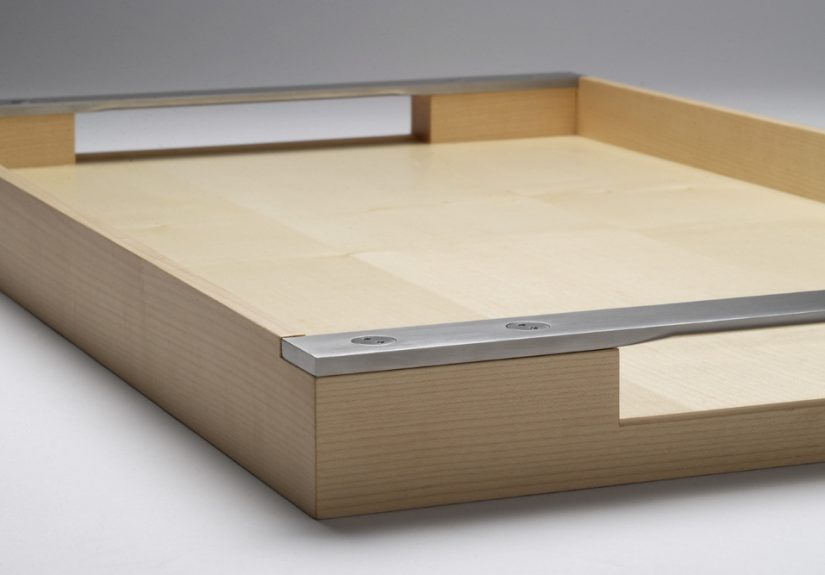
In the Remodelista feature, a tray by designers Claire Bataille and Paul Ibens appears as a prime
example: simple geometry, noble wood, and handles that look minimal but feel intentional. This is the kind of tray
that doesn’t wobble, doesn’t pinch your fingers, and doesn’t punish you for having the audacity to carry two drinks at once.
How to use it like a grown-up (without becoming boring):
- Coffee table: Corral remotes, matches, a candle, and one good book. Instantly calmer.
- Kitchen counter: Olive oil + salt cellar + pepper mill = a tidy “cooking station.”
- Entryway: Keys, sunglasses, and the mail you swear you’ll sort later.
2) Vincent Van Duysen’s Pottery: Minimal, But Make It Sensual
Belgian architect and designer Vincent Van Duysen is famous for interiors that feel minimal yet
deeply physicalstone, wood, plaster, linen, and light doing all the heavy lifting. When that mindset moves into
tabletop objects, the results are predictably good.
The featured set pairs an earthenware container with a sandblasted oak elementan
earthy/woodsy duet that looks quiet but feels rich up close. It’s not “minimal” in the sterile sense; it’s minimal in
the “every detail earns its place” sense.
Why this combination works so well:
- Ceramic grounds the objectvisually and literally (weight matters when you’re reaching for it daily).
- Oak softens the experiencewarmth, texture, and a little visual relief.
- Contrast adds lifematte next to grain, cool next to warm, smooth next to tactile.
Practical tip: When a piece is designed for daily use, you should actually use it. Let it earn
character. The goal isn’t to keep your objects pristine; it’s to keep them relevant.
3) The Lens Bowl: When Crystal Stops Being Precious and Starts Being Useful
Crystal often has a reputation for being fussy. This is crystal with better self-esteem. The featured
lens-shaped bowl in heavy crystal (often described as “lead crystal” in product write-ups) flips the
script: it’s sculptural, yesbut also sturdy and grounded.
The magic is optical. A lens form catches light, bends it, and makes ordinary things (lemons, pears, even a few green
peppers) look like still life art without you trying. Which is the dream, really: a bowl that makes your produce look
fancy while you’re still wearing sweatpants.
Easy ways to use it:
- Kitchen: A fruit bowl that doesn’t feel like a “fruit bowl.”
- Bathroom: Soap, rolled washcloths, or a few minimal bottlesinstant spa energy.
- Dining table: Nuts, bread, or a low centerpiece moment that won’t block eye contact.
The “Architect Designed It” Advantage
When architects design domestic objects, you feel it. Not because the object announces itself, but because it
behaves. The edge is where your fingers naturally go. The base sits flat. The proportions don’t fight the
rest of your home.
Think of it as the opposite of impulse-buy decor. These pieces don’t exist to fill a shelf. They exist to make
everyday ritualsserving, storing, eating, tidyingjust a little smoother.
Enter John Pawson: The Gospel of “One Perfect Thing”
If Vincent Van Duysen brings tactile warmth to minimalism, British architect John Pawson brings a kind
of monastic clarity. His approach to tabletop objects has been described as an “elegant minimum”the belief that you
don’t need endless options; you need a few essentials that are truly right.
In practice, that means tableware and flatware with simple forms, careful proportions, and materials that feel good in
your hand. Nothing extra. Nothing shouty. Just the quiet confidence of a spoon that feels like it’s been practicing.
How to Bring the “When Objects Work” Mood Into Your Home
You don’t need to redesign your whole kitchen or start speaking in hushed tones. You can translate this style into
real life with a few moves that favor function, texture, and calm.
Choose Materials That Look Better Over Time
- Wood: Oak, walnut, and other honest grains that can take a little life.
- Stoneware/earthenware: Matte finishes that feel grounded and forgiving.
- Crystal/glass: Weighty pieces that catch light without feeling delicate.
- Stainless steel: Clean, durable, and not trying to be romantic.
Let One Object Do the Styling
A well-designed tray can “style” a surface simply by holding a few everyday items. A good bowl can become a
centerpiece without flowers, ribbons, or any of the other stuff that quietly demands maintenance.
Make the Everyday Beautiful (Not the Occasional)
The point isn’t to own special-occasion objects. It’s to upgrade the items you touch constantly: the bowl you reach
for, the tray you carry, the plate you use on a Tuesday when dinner is toast (no judgment).
Buying Smart: How to Pick the Right Piece Without Regretting It
Start With the Most Used Category
If you cook often, begin with storage pots, bowls, or tableware. If you entertain, start with a tray. If you’re
trying to calm visual clutter, start with one object that helps you contain it (also known as “a tray for your life”).
Check Care Details Before You Fall in Love
Mixed-material designs are gorgeousbut they come with rules. If a ceramic container is dishwasher-safe but a wooden
lid isn’t, that’s not a flaw; it’s a lifestyle negotiation. Know what you’re signing up for.
Think in Sets of One
Instead of buying six of everything, buy one excellent bowl, one excellent tray, one excellent plate. Live with it.
Let it prove itself. Then expand if it earns the promotion.
Why “Belgium Week” Still Feels Relevant Now
Trends come and go, but the desire for a calmer home feels pretty permanentespecially in a world where everything is
loud, fast, and competing for your attention. Objects that work are a quiet counterbalance. They don’t demand your
time. They give time back.
Remodelista’s Belgium Week post is a reminder that good design doesn’t have to arrive as a full-room makeover. It can
arrive as a bowl that makes your kitchen feel more intentional, or a tray that instantly makes a surface look tidy
(even if the rest of the room is… still working through some things).
Extra: of “Real-Life” Experiences You Can Recreate
I can’t hand you a boarding pass to Brussels through a blog post (tragic, I know), but I can describe the kind
of day-to-day “aha” moments people tend to have when they start living with objects that genuinely workand how you
can recreate those experiences at home.
Experience #1: The Countertop Stops Looking Busy.
Picture a normal weekday morning. Coffee half-made. A cutting board out. A small avalanche of mail and keys somehow
migrated into the kitchen again. Now imagine dropping one substantial, beautifully made tray onto the counter and
moving the chaos onto itkeys, mail, a candle, even a small bowl for loose change. The countertop goes from “I’m
overwhelmed” to “I have a system” in about twelve seconds. The tray didn’t clean your house, but it created a calm
zone. That’s the stealth power of a well-proportioned object: it turns mess into a composition.
Experience #2: Dinner Feels Intentional Without Becoming a Production.
You’re eating something simplemaybe pasta, maybe a very sincere salad. When your plates and bowls have good weight,
simple shapes, and a tactile finish, the meal feels a little more grounded. Not fancy. Just considered. The food can
be humble and the moment still feels elevated. The best part? You didn’t add work. You removed the “meh.” A single
bowl with a matte surface can make even a weeknight feel like you’re taking care of yourself in a small, sane way.
Experience #3: The Fruit Bowl Becomes a Light Show.
Put citrus in a heavy, lens-shaped crystal bowl and the kitchen does something funny: it starts looking brighter.
Light bounces, shadows soften, the lemons look like they’re starring in a magazine spread. It’s not about showing off.
It’s about enjoying the small visual pleasures you already havelight, color, and formwithout adding clutter. You
bought a bowl, and it gave you atmosphere.
Experience #4: You Stop “Saving” the Good Stuff.
This is a big one. People often treat beautiful objects like fragile achievements. But the whole philosophy here is
that the object is meant to be useddaily. When your storage pot actually opens well, sits well, and feels good in
your hand, you reach for it more. You store what you actually eat in it. You stop saving it for “someday,” because
the point is that it makes today smoother. That shiftfrom display to useis where design becomes part of life rather
than decoration.
Experience #5: The Home Feels Quieter, Even When Life Isn’t.
Your calendar can be chaotic. Your inbox can be disrespectful. Your laundry may be plotting a coup. But a few objects
that bring orderone tray, one bowl, one set of utensils that feel rightcreate tiny islands of calm. That’s the real
win of “When Objects Work.” Not perfection. Not minimalism for minimalism’s sake. Just objects doing their job so well
that your home feels a little more supportive.
Conclusion
Belgium Week: When Objects Work isn’t about chasing a Belgian aesthetic like it’s a costume. It’s about learning from
a design culture that treats everyday objects as worthy of attentionbecause those are the things you touch the most.
Start small: one tray that reduces chaos, one bowl that earns countertop real estate, one piece of tableware that
makes a regular meal feel quietly special. You’re not buying “stuff.” You’re buying a better daily rhythm.