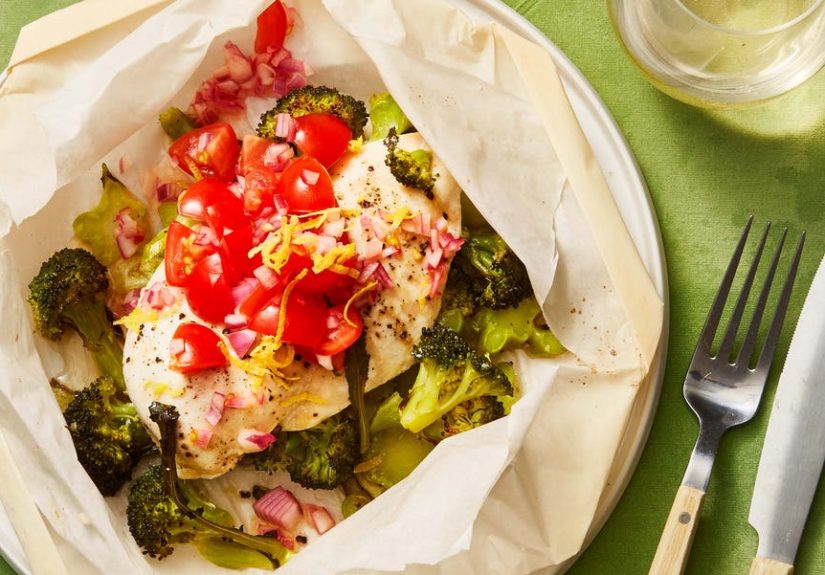
Table of Contents >> Show >> Hide
- Why Parchment Packets Work (and Why They Make Chicken Better)
- Key Ingredients for the Best Chicken and Broccoli Packets
- The Best Chicken and Broccoli Parchment Packets Recipe
- How to Fold Chicken and Broccoli Parchment Packets (2 Easy Ways)
- Timing, Temperature, and Doneness You Can Trust
- Flavor Variations (Same Method, New Personality)
- Serving Ideas (Because Chicken Needs a Supporting Cast)
- Troubleshooting (Common Packet Problems, Easy Fixes)
- Make-Ahead, Storage, and Reheating
- FAQ: Chicken and Broccoli Parchment Packets
- Conclusion
- Real-World Cooking Notes and Experiences (What People Actually Run Into)
If weeknight dinner had a love language, it would be “no dishes.” Enter chicken and broccoli parchment packets: juicy chicken, tender-crisp broccoli, big flavor, and a tidy little paper bundle that feels like you wrapped your dinner like a present (because you did). This is the kind of meal that makes you look suspiciously competenteven if you’re cooking on autopilot.
In this guide, you’ll get a truly reliable recipe, the easiest way to fold and seal packets, doneness and timing you can trust, plus flavor variations for when your taste buds want a costume change. Let’s do the only paperwork you’ll actually enjoy.
Why Parchment Packets Work (and Why They Make Chicken Better)
Parchment packet cooking (aka en papillote) is basically a tiny steam room for your food. When the packet is sealed, moisture from the chicken, broccoli, and sauce turns into steam. That steam circulates, gently cooks everything, and helps prevent dry chickenthe classic tragedy of “I blinked and now it’s sawdust.”
- Juicy chicken: Steam + a little sauce = moisture insurance.
- Tender broccoli: Broccoli softens without getting boiled into sadness.
- Flavor stays put: Aromatics (garlic, ginger, lemon) can’t escapeneither can the delicious smells.
- Cleanup is basically a rumor: You toss the parchment and your sink stays unbothered.
Key Ingredients for the Best Chicken and Broccoli Packets
Chicken: choose thin cuts for fast, even cooking
Boneless, skinless chicken breasts are the weeknight MVP here, but the trick is thickness. Thin cutlets cook evenly and finish before the broccoli turns too soft. If your chicken breasts are thick, slice them horizontally into cutlets or gently pound them to an even thickness (about 1/2 inch). Chicken tenderloins also work great.
Broccoli: uniform pieces = predictable results
Cut florets into similar sizes so everything cooks at the same pace. Very large florets can stay crunchy in the middle; very tiny ones can overcook. Aim for bite-size florets with stems trimmed to match.
The sauce: small amount, huge payoff
You don’t need much liquidjust enough to create steam and coat everything. A simple soy-garlic-ginger sauce gives big “takeout vibes” without the takeout bill.
The Best Chicken and Broccoli Parchment Packets Recipe
Quick Recipe Snapshot
- Servings: 4
- Prep time: 15 minutes
- Cook time: 16–20 minutes
- Oven temp: 400°F
- Best for: healthy weeknight dinner, meal prep, low-mess cooking
Ingredients
- 4 (5–6 oz) boneless, skinless chicken breast cutlets (or 8–10 tenderloins)
- 5–6 cups broccoli florets (about 1 large head), bite-size
- 2 tablespoons olive oil, divided
- 3 cloves garlic, finely minced
- 1 tablespoon fresh ginger, grated (or 1 teaspoon ground ginger in a pinch)
- 3 tablespoons low-sodium soy sauce
- 1 tablespoon honey (or brown sugar)
- 1 tablespoon rice vinegar (or apple cider vinegar)
- 1 teaspoon toasted sesame oil (optional but excellent)
- 1/2 teaspoon kosher salt, plus more to taste
- 1/2 teaspoon black pepper
- Pinch of red pepper flakes (optional)
- 1 tablespoon sesame seeds (optional, for serving)
- 2–3 scallions, sliced (optional, for serving)
- Cooked rice or noodles, for serving (optional)
Optional Add-Ins (choose 1–2)
- 1 cup sliced bell pepper
- 1 cup snap peas
- 1 small carrot, thinly sliced
- 1/2 cup sliced mushrooms
- 1 teaspoon lemon zest for a brighter finish
Equipment
- Parchment paper (not wax paper)
- 2 rimmed baking sheets
- Instant-read thermometer (highly recommended)
- Small bowl + whisk
- Kitchen shears or sharp knife
Step-by-Step Instructions
- Preheat and prep. Heat your oven to 400°F. Set out two rimmed baking sheets (packets cook best with airflow and stability).
- Make the sauce. In a small bowl, whisk together soy sauce, honey, rice vinegar, garlic, ginger, and sesame oil (if using). Add a pinch of red pepper flakes if you like some heat.
- Season the broccoli. In a large bowl, toss broccoli with 1 tablespoon olive oil, a pinch of salt, and pepper. (Broccoli likes oil. Broccoli deserves oil.)
- Season the chicken. Pat chicken dry. Lightly season both sides with salt and pepper. If your cutlets are thicker than 1/2 inch, consider pounding or slicing so the cooking time matches the broccoli.
- Build the packets. Place broccoli in the center of each parchment sheet (see folding methods below). Nestle one chicken cutlet on top of each broccoli mound. Spoon sauce evenly over chicken and broccoli. Drizzle the remaining 1 tablespoon olive oil over the four packets (or add it to the sauce if you prefer).
- Seal tightly. Fold and crimp the parchment edges so the packet is sealed. Leave a little air space inside so steam can circulate (don’t pack it like a suitcase for a month-long trip).
- Bake. Place packets on baking sheets. Bake 16–20 minutes, depending on chicken thickness and how packed your packets are. Packets should puff slightly.
- Check doneness safely. Carefully open one packet (watch the steam!) and check chicken with an instant-read thermometer. Chicken should reach 165°F in the thickest part.
- Finish and serve. Let packets rest 2 minutes, then open fully. Sprinkle with sesame seeds and sliced scallions. Serve as-is or over rice/noodles with the juices spooned on top.
How to Fold Chicken and Broccoli Parchment Packets (2 Easy Ways)
Method 1: The Heart Fold (classic en papillote)
- Cut 4 large pieces of parchment, about 15 x 12 inches.
- Fold each piece in half, then cut it into a half-heart shape. Unfold; you’ll have a heart.
- Place ingredients on one side near the center crease, leaving a 1-inch border.
- Fold the other half over. Starting at the top, make tight overlapping folds along the edge to seal. Twist the tail end to lock it in.
Method 2: The Rectangle Fold (fast and beginner-friendly)
- Cut 4 large rectangles of parchment, about 16 x 12 inches.
- Place ingredients slightly off-center.
- Fold parchment over like a book.
- Starting at one corner, fold edges over themselves in small crimped pleats until fully sealed.
Pro tip: If your seal is tight, the packet will puff as it bakes. If it leaks, you’ll still get dinnerbut you’ll lose some steam power and sauce.
Timing, Temperature, and Doneness You Can Trust
The best way to avoid dry chicken is to cook by thickness, not vibes. In parchment packets at 400°F:
- Thin chicken cutlets (about 1/2 inch): 16–18 minutes
- Chicken tenderloins: 15–17 minutes
- Thicker cutlets (3/4 inch): 18–22 minutes
Food safety note: Chicken is considered safe at an internal temperature of 165°F. If you pull the packet at 160–162°F, keep it sealed to rest for a few minutescarryover heat can finish the job while keeping the meat juicy.
Flavor Variations (Same Method, New Personality)
1) Lemon-Garlic Butter
Swap the sauce for: 2 tablespoons melted butter + 1 tablespoon olive oil + 2 tablespoons lemon juice + 1 teaspoon Dijon + 2 minced garlic cloves + salt/pepper. Add lemon slices on top of the chicken for extra brightness.
2) Teriyaki-ish (no bottle required)
Use: 1/4 cup low-sodium soy sauce + 1 tablespoon honey + 1 teaspoon grated ginger + 1 minced garlic clove + 1 teaspoon cornstarch whisked into 1 tablespoon water (add to sauce). The sauce thickens slightly in the packet and clings like a champ.
3) Spicy Peanut-Lime
Whisk: 2 tablespoons peanut butter + 1 tablespoon soy sauce + 1 tablespoon lime juice + 1 teaspoon honey + 1–2 teaspoons sriracha + warm water to thin. Add cilantro at the end.
4) Italian-ish “Chicken and Broccoli, But Make It Cozy”
Toss broccoli with olive oil, garlic, and Italian seasoning. Drizzle chicken with lemon juice and a little Parmesan after baking. Serve over pasta or polenta if you want to lean into comfort food energy.
Serving Ideas (Because Chicken Needs a Supporting Cast)
- Rice bowl: Spoon the packet juices over jasmine rice or brown rice.
- Noodle night: Toss with soba, ramen noodles, or spaghetti.
- Low-carb: Serve over cauliflower rice or alongside a crunchy cucumber salad.
- Extra sauce moment: Add a quick drizzle of chili crisp, or a squeeze of lime before serving.
Troubleshooting (Common Packet Problems, Easy Fixes)
“My broccoli is too crunchy.”
Cut florets smaller, add 1 tablespoon water to each packet, or bake 2–3 minutes longer. Broccoli stems need more time than floretstrim or slice thick stems thin.
“My broccoli is too soft.”
Use larger florets and don’t overcrowd. Also, keep sauce amounts reasonabletoo much liquid shifts you from “steam-roast” to “broccoli spa day.”
“My chicken is dry.”
Use thinner cutlets and stop cooking right at 165°F. Overbaking is the #1 culprit. Also, don’t skip the saucepackets need a little moisture to do their magic.
“My packets leaked.”
Crimp smaller folds and overlap them like shingles. Leave enough border (at least 1 inch). And avoid overstuffingsteam needs space to circulate.
Make-Ahead, Storage, and Reheating
Make-ahead
You can assemble packets up to 8–12 hours ahead and refrigerate on a baking sheet. For best texture, keep sauce separate and add right before baking. (Broccoli can get salty-weird if it sits in sauce too long.)
Storage
Store leftovers in an airtight container for up to 3–4 days. Parchment is great for cooking, not for long-term fridge storage once opened.
Reheating
Reheat gently to avoid drying out:
- Microwave: 60–90 seconds with a splash of water or extra sauce, covered.
- Oven: 325°F for 10–12 minutes, covered with foil.
FAQ: Chicken and Broccoli Parchment Packets
Can I use aluminum foil instead of parchment paper?
Yesfoil seals more easily. Parchment gives a cleaner steam environment and looks nicer when served, but foil is a perfectly acceptable understudy. If you use foil, lightly oil it so the chicken doesn’t stick.
Can I use frozen broccoli?
You can, but expect more moisture. Don’t thaw first. Use a smaller amount of sauce and bake a few minutes longer. If you’re picky about texture, fresh broccoli is the crisp-tender winner.
Can I cook this on the grill?
Parchment can be tricky on a grill because of direct heat and airflow. If grilling, use foil packets over indirect heat and keep a close eye on timing.
How do I know the chicken is done without cutting it open?
Use an instant-read thermometer. It’s the fastest way to guarantee juicy chicken without guessing (or performing a dramatic chicken autopsy mid-dinner).
Conclusion
Chicken and broccoli parchment packets are the rare recipe that’s healthy, fast, flavorful, and low-messbasically the “unicorn” of weeknight cooking. Once you learn the fold-and-crimp, you can swap sauces, add veggies, and make it different every time without changing the method. If your kitchen routine needs a glow-up, this is an easy place to start.
Real-World Cooking Notes and Experiences (What People Actually Run Into)
Here’s the truth nobody tells you when you first try parchment packet dinners: the first packet is usually a little… abstract. Not bad. Just “did I fold this correctly or did I invent origami?” The good news is that parchment packets are forgiving. Even if your crimping looks like a squirrel tried to wrap a sandwich, the food can still cook beautifully. The biggest difference between “pretty packet” and “perfect packet” is usually just practiceand making smaller, tighter folds than you think you need.
One common experience is realizing how much chicken thickness matters. People often start with full chicken breasts (because that’s what the store sells), then wonder why the broccoli turns tender before the chicken feels done. The “aha” moment is slicing breasts into cutlets or pounding them evenly. Once chicken is about 1/2 inch thick, the timing suddenly makes sense: broccoli stays bright and chicken stays juicy. It’s the same recipe, but the results feel like you upgraded your cooking skills overnight.
Another thing people notice right away: parchment packets create a very specific kind of donenessmore like gentle steaming than aggressive roasting. That means you’re not going to get crispy edges on broccoli in a packet the way you would on a sheet pan. For many cooks, this is a feature, not a bug. The broccoli becomes tender-crisp and glossy, and the chicken stays moist. If someone expects “charred broccoli” energy, the fix is simple: open the packets during the last 2–3 minutes and pop the tray under the broiler. You get steam-cooked tenderness first, then a quick top blast for color and caramelization. Best of both worlds.
Steam is also why the aromatics feel louder here. Garlic, ginger, scallions, and citrus taste extra vibrant because they’re trapped inside the packet. Many home cooks describe the first time opening a packet as a mini “restaurant moment”you cut it open and a wave of scented steam hits you. It’s dramatic in the best way. The only caution: steam is hot and it escapes fast. A lot of people learn (once) to open packets carefully, angled away from your face, with a fork or tongs. Think “lifting the lid of a boiling pot,” not “tearing into a birthday gift.”
Then there’s the sauce learning curve. Some people go heavy on liquid, thinking more sauce equals more flavor. In parchment packets, too much liquid can make everything taste diluted and the broccoli softer than intended. A better experience is using a small but concentrated saucesoy + ginger + garlic + a touch of sweetand letting the juices from the chicken do the rest. If you want more “saucy,” the smarter move is thickening: a tiny cornstarch slurry in the sauce, or serving the finished packet juices over rice where it becomes a built-in dressing.
Finally, a very real weeknight experience: parchment packets are a lifesaver when you have mixed eaters at the table. One person wants spicy? Add chili flakes to their packet only. Someone hates onions? Keep theirs simple. Someone wants extra veggies? Load up their packet. Because each portion is self-contained, you can customize without making separate meals. That flexibility is exactly why people end up putting “chicken and broccoli parchment packets” into their regular rotationright alongside tacos and pastabecause it’s practical, adaptable, and doesn’t leave the kitchen looking like a cooking show set after a commercial break.