Table of Contents >> Show >> Hide
- Quick disclaimer (because your health matters more than my jokes)
- The big idea: there’s no “Parkinson’s diet,” but there is a “Parkinson’s-friendly” pattern
- The Parkinson’s Plate: what to eat most often
- 1) Color-first fruits and vegetables (fresh, frozen, or cooked all count)
- 2) Whole grains + legumes for fiber, steadier energy, and gut support
- 3) Healthy fats: olive oil, nuts, seeds, and fatty fish
- 4) Protein: essentialjust sometimes strategic
- 5) Calcium + vitamin D for bone support (especially if balance is affected)
- Symptom-focused nutrition: adjust the dials that matter most
- Constipation and slow digestion: fiber + fluids + rhythm
- Levodopa and food: how to avoid “my meds took a nap” moments
- Unintentional weight loss or low appetite: make bites count
- Trouble chewing or swallowing: safety first, dignity always
- Orthostatic hypotension (blood pressure drops): hydration and meal size can help
- Sleep and mood: eat for steadier days (and calmer nights)
- What to limit (not “never,” just “not the main character”)
- Supplements: “maybe,” not “must”
- A sample day of eating (with levodopa-friendly strategy)
- Small changes that add up (without making life miserable)
- When to get extra help
- of real-world experiences (what people often report, and what tends to help)
- Experience #1: The levodopa-protein puzzle is real… and weirdly personal
- Experience #2: Constipation management works best when it’s boringly consistent
- Experience #3: Swallowing changes can sneak upsoft, moist foods keep eating enjoyable
- Experience #4: Small frequent meals can feel better than three big ones
- Experience #5: The best plan is the one that reduces decision fatigue
- Conclusion: the “best diet” is a smart foundation plus personal tweaks
If you’re looking for the perfect “Parkinson’s diet,” I have good news and bad news.
The bad news: there’s no single magic menu that treats Parkinson’s disease (PD).
The good news: the right eating pattern can make a real difference in how you feel day-to-daythink energy, constipation,
medication timing, swallowing comfort, blood pressure dips, and overall brain-and-body resilience.
In other words, food may not replace your neurologist, but it can absolutely stop acting like your enemy.
Let’s build a practical, flexible, “real-life grocery store” plan that supports common PD challengeswithout turning your kitchen
into a medical lab.
Quick disclaimer (because your health matters more than my jokes)
This article is for education, not personal medical advice. Parkinson’s symptoms, medications (especially levodopa),
swallowing safety, and weight changes vary widely. If you’re making big diet changesor dealing with weight loss,
choking/coughing with meals, dehydration, or frequent “off” timestalk with your clinician and consider a registered dietitian
who has experience with PD.
The big idea: there’s no “Parkinson’s diet,” but there is a “Parkinson’s-friendly” pattern
Most reputable medical organizations land in the same place: a balanced, whole-food eating pattern is the best starting point.
The strongest “default” for many people is a Mediterranean-style approachlots of plants, healthy fats, and minimally processed foods.
Then you personalize based on symptoms and medication response.
The Parkinson’s Plate: what to eat most often
Think of this as your everyday base camp. You can hike in different directions (constipation, meds, swallowing, weight, blood pressure),
but you’ll keep coming back here.
1) Color-first fruits and vegetables (fresh, frozen, or cooked all count)
Aim to “eat the rainbow” across the week. Plants deliver fiber (hello, happier gut), fluids, and a wide mix of phytochemicals
(like flavonoids) linked to brain health in general. If raw salads feel like chewing on a decorative centerpiece, go for cooked options:
soups, stews, roasted veggies, sautéed spinach, blended sauces, smoothies.
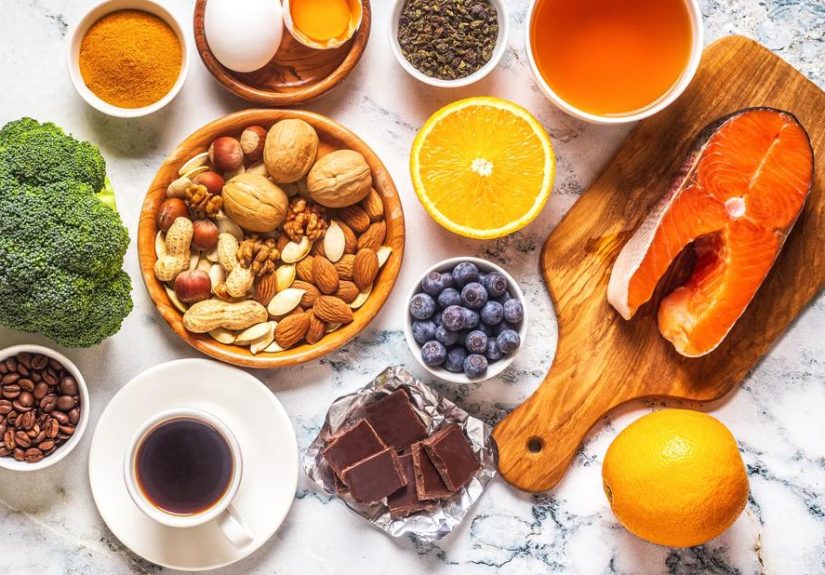
- Easy wins: berries, leafy greens, tomatoes, carrots, broccoli, peppers, mushrooms, citrus.
- Texture-friendly: applesauce, mashed sweet potato, roasted zucchini, blended lentil soup.
2) Whole grains + legumes for fiber, steadier energy, and gut support
Constipation is one of the most common non-motor issues in PD. Fiber helps add bulk and softness to stoolbut only works well
when fluids keep pace. Start gradually if you’re currently living on “beige carbs.”
- Whole grains: oats, brown rice, quinoa, whole wheat, barley.
- Legumes: lentils, chickpeas, black beans, split peas.
- Snack idea: hummus with soft pita or roasted veggies.
3) Healthy fats: olive oil, nuts, seeds, and fatty fish
Healthy fats support heart and brain health, and they can help boost calories if appetite is low.
Favor unsaturated fats most often: extra-virgin olive oil, avocado, walnuts, ground flax, chia.
If you eat fish, consider salmon, sardines, or trout a couple times per week.
4) Protein: essentialjust sometimes strategic
Protein matters for muscle maintenance, immune function, and healthy aging. The “diet trick” in PD isn’t avoiding protein.
It’s managing timing if you notice that high-protein meals reduce the effectiveness or speed of your levodopa.
Not everyone is sensitive to thisbut enough people are that it’s worth understanding.
- Protein sources: poultry, fish, eggs, Greek yogurt, tofu, tempeh, beans, nuts.
- If levodopa timing is tricky: some people do better with lighter protein earlier and a bigger protein portion later in the day.
5) Calcium + vitamin D for bone support (especially if balance is affected)
Falls are a real concern in PD, and bone strength matters. Calcium-rich foods (dairy, fortified plant milks, calcium-set tofu, leafy greens)
plus vitamin D (food + safe sun + supplements if prescribed) are a sensible part of a PD-friendly plan.
Symptom-focused nutrition: adjust the dials that matter most
Constipation and slow digestion: fiber + fluids + rhythm
Fiber is the headline, but hydration is the co-star. If you increase fiber without enough fluid, your gut may stage a protest.
Build up slowly over 1–2 weeks.
- Daily habit: water with each medication dose and at meals.
- Fiber boosters: oats, ground flax in yogurt, prunes/prune juice, lentil soup, berries.
- Routine matters: regular meals + gentle movement can help bowel regularity.
Levodopa and food: how to avoid “my meds took a nap” moments
In some people, dietary protein can compete with levodopa absorption and transport, making the medication feel slower or weaker.
Many clinicians recommend taking immediate-release levodopa about 30–60 minutes before meals or 1–2 hours after,
especially if “off” time is a problem. If taking it on an empty stomach causes nausea, a small low-protein snack (like crackers or toast)
may help.
Practical options (pick the one that fits your life)
- Option A: “Separate doses from meals” meds first, meal later.
- Option B: “Protein redistribution” lighter protein at breakfast/lunch, larger protein at dinner (with clinician guidance).
- Option C: “Even distribution” consistent moderate protein across meals if you’re sensitive to big protein spikes.
Also note: iron supplements can interfere with levodopa absorption. If you need iron, ask your clinician/pharmacist about timing it away
from levodopa doses. And don’t “self-prescribe” supplements just because a label says “brain.”
Unintentional weight loss or low appetite: make bites count
PD can affect appetite, smell, dexterity, and energy for cooking. If weight is dropping without trying, focus on nutrient-dense foods and easy calories:
smoothies, soups, olive oil drizzles, nut butters, avocado, full-fat yogurt (if tolerated), and frequent mini-meals.
- High-impact snack: banana + peanut butter + chia seeds.
- Low-effort meal: lentil soup + whole grain bread + olive oil.
- Tip: keep “grab-and-go” foods visible (counter) and “meh foods” hidden (back of fridge).
Trouble chewing or swallowing: safety first, dignity always
Some people with PD develop swallowing difficulties (dysphagia). If you cough, choke, clear your throat a lot, or feel food “stuck,”
get evaluated. A speech-language pathologist can recommend texture changes and strategies.
Nutrition-wise, softer, moist foods are often easier: oatmeal, yogurt, scrambled eggs, stewed meats, flaky fish, mashed vegetables, smoothies.
- Make foods safer: add sauces, gravies, broths, yogurt, or olive oil to dry textures.
- Be careful with: dry crumbly foods (crackers), stringy meats, mixed textures (thin soup with chunks), sticky foods (peanut butter alone).
- Goal: adequate protein and calories without “white-knuckle swallowing.”
Orthostatic hypotension (blood pressure drops): hydration and meal size can help
Some people with PD experience dizziness when standing. Hydration is foundational. Also, large meals can worsen post-meal blood pressure drops in some
individuals, so smaller, more frequent meals may be easier. Salt intake is complicatedonly increase it if your clinician recommends it.
Sleep and mood: eat for steadier days (and calmer nights)
Sleep issues are common in PD. Nutrition isn’t a cure, but it can support better rhythms. Try to limit heavy meals right before bed,
watch caffeine timing, and keep alcohol modest (or skip it) if it disrupts sleep.
What to limit (not “never,” just “not the main character”)
Ultra-processed foods
Ultra-processed foods tend to be low in fiber and high in refined carbs, sodium, and additives. Emerging research also explores links between higher
ultra-processed food intake and earlier or more frequent prodromal (early) PD-like featuresthough this doesn’t prove cause-and-effect.
Still, for gut health and overall resilience, it’s reasonable to keep ultra-processed foods as occasional guests, not permanent roommates.
Added sugars and sugary drinks
They can crowd out nutrient-dense foods and contribute to energy swings. If constipation is an issue, sugar-heavy low-fiber foods may also make things worse.
Excess saturated fat and highly fried foods
Not because one French fry will cancel your meds, but because a healthier fat pattern supports cardiovascular healthimportant for brain health over time.
Supplements: “maybe,” not “must”
Supplements are tempting because they feel like shortcuts. But PD is not a shortcut-friendly condition. Some people may need vitamin D, B12, calcium,
or iron based on labs and medical history. Omega-3 supplements are sometimes used, but food sources are preferred when possible.
The right move: ask your clinician to review your supplement list, especially if you take levodopa and other medications.
A sample day of eating (with levodopa-friendly strategy)
This is just an example to show how the pieces fit together. Your medication schedule is personalcoordinate timing changes with your clinician.
Breakfast (often lower protein if levodopa is sensitive)
- Oatmeal cooked with water or fortified plant milk
- Blueberries + cinnamon + ground flax
- Optional: a drizzle of olive oil (yes, really) for extra calories and smoothness
Lunch (balanced, fiber-forward)
- Lentil soup or bean chili
- Side of roasted vegetables
- Whole grain bread
Snack (easy calories + hydration)
- Smoothie: banana + berries + yogurt (or fortified alternative) + chia
- Water or herbal tea
Dinner (often the “bigger protein” meal for some people)
- Salmon (or tofu) with olive oil and herbs
- Quinoa or brown rice
- Cooked greens (spinach, kale) with garlic
Evening snack (if weight loss is a concern)
- Greek yogurt with honey and soft fruit, or avocado toast
Small changes that add up (without making life miserable)
Make hydration automatic
Keep a water bottle in the places you spend time. Pair drinking with routines: after bathroom breaks, with meds, when you sit down, when you stand up.
“I forgot to drink water” is the adult version of “my dog ate my homework”it happens a lot, and it’s fixable.
Use “food scaffolding” for low-energy days
- Frozen veggies + rotisserie chicken + bagged salad (or pre-cut veg) = meal in 10 minutes.
- Microwavable brown rice + canned beans + salsa + olive oil = surprisingly respectable bowl.
- Soup is a cheat code: easy to swallow, easy to reheat, easy to enrich with olive oil or blended beans.
Track patterns, not perfection
If you suspect food affects your medication response, keep a simple log for one week:
medication times, meal times (especially protein-heavy meals), and how your symptoms feel.
The goal is to notice patterns you can actually use.
When to get extra help
Call your care team if you have any of the following:
- Unintentional weight loss, frequent dehydration, or persistent nausea
- Coughing/choking during meals, recurring pneumonia, or fear of eating
- Constipation that doesn’t improve with diet and fluids
- Medication “off” periods that are becoming more frequent or severe
of real-world experiences (what people often report, and what tends to help)
The most helpful “diet advice” for Parkinson’s disease is often the least glamorous: the stuff people actually stick with.
Across clinics, support groups, and caregiver conversations, a few themes show up again and again.
These aren’t one-size-fits-all rulesmore like field notes from everyday life with PD.
Experience #1: The levodopa-protein puzzle is real… and weirdly personal
Some people swear they can eat a cheeseburger right after levodopa and feel fine. Others eat a protein-heavy breakfast and spend the morning wondering
why their medication is “on strike.” Many find clarity by running a simple experiment for a week (with clinician guidance): keep breakfast and lunch lighter
on protein, then move a larger portion of protein to dinner. The reliefwhen it happensoften feels dramatic: faster “on,” smoother movement, fewer
frustrating gaps. When it doesn’t happen, that’s useful too, because it means you can stop micromanaging meals and focus on overall nutrition.
Experience #2: Constipation management works best when it’s boringly consistent
People frequently report that “one heroic salad” doesn’t fix constipation, but a steady pattern does:
oats most mornings, beans a few times a week, cooked vegetables daily, and fluids throughout the day.
Prunes and kiwi come up a lot in casual “what actually helps?” conversations. Another common tip: build a morning routine that includes a warm beverage,
breakfast, and a few minutes of movementmany find that predictable inputs lead to more predictable outputs. (Yes, we’re talking about poop.
Welcome to adulthood.)
Experience #3: Swallowing changes can sneak upsoft, moist foods keep eating enjoyable
People often describe dysphagia not as one big event, but as a slow accumulation: more throat clearing, taking longer to finish meals, avoiding dry meats,
skipping certain foods at restaurants. The experience that gets shared most: don’t “tough it out.” Getting assessed can reduce choking risk and reduce anxiety
around meals. Many families find success with texture upgrades instead of restriction: add sauces, blend soups, choose softer proteins (fish, eggs, tofu),
and keep foods moist. The emotional benefit is realmealtime feels normal again instead of stressful.
Experience #4: Small frequent meals can feel better than three big ones
Fatigue, nausea, and blood pressure dips can make big meals feel like a chore. Many people report doing better with “mini-meals”:
a real breakfast, a real lunch, and then two or three smaller snack-sized plates (smoothie, yogurt, hummus, soup, avocado toast).
This approach also makes it easier to maintain weight when appetite is unpredictable.
Experience #5: The best plan is the one that reduces decision fatigue
Caregivers often mention that the hardest part isn’t nutrition knowledgeit’s the daily repetition. The most effective strategy?
Create a short list of repeatable meals that fit your needs (constipation-friendly, easy-to-chew, meds-aware) and rotate them.
Think: two breakfasts, three lunches, three dinners, and a snack list. When life gets chaotic, the plan still holds.
Conclusion: the “best diet” is a smart foundation plus personal tweaks
The best diet for Parkinson’s disease is less about one superfood and more about a consistent pattern: Mediterranean-style whole foods, plenty of fiber and
fluids, healthy fats, and protein that’s timed intelligently if levodopa is sensitive. Then you personalize for constipation, weight changes, swallowing comfort,
blood pressure dips, and sleep. Start with one change you can keep, track what improves, and build from there.