Table of Contents >> Show >> Hide
- What “Blood Thinner” Actually Means (Because Words Matter)
- What Vitamin D Supplements Actually Do in Your Body
- So… Does Vitamin D Thin Your Blood?
- Vitamin D and Warfarin: The Combo People Worry About Most
- Could Vitamin D Cause Easy Bruising or Bleeding?
- When Vitamin D Becomes a Problem: “More” Is Not “More Healthy”
- Safe Supplementing: Practical, Non-Dramatic Advice
- When to Call a Clinician (Not Your Group Chat)
- Conclusion: Vitamin D Isn’t a Blood ThinnerBut Context Matters
- Experiences: What People Notice in Real Life (An Extra )
Vitamin D is the sunshine vitamin. Blood thinners are the “please-don’t-let-me-clot” meds. So when someone asks, “Can vitamin D supplements thin your blood?” what they’re really asking is: Is my little gel cap secretly trying to cosplay as warfarin?
Let’s clear it up with real physiology, practical examples, and a few “don’t do this at home” moments. (Spoiler: vitamin D is not a blood thinner in the way most people mean it. But there are scenarios where the combo of vitamin D + certain medications, dosing habits, and lab values deserves extra attention.)
What “Blood Thinner” Actually Means (Because Words Matter)
“Blood thinner” is a nickname, not a job description. Most “blood thinners” don’t make your blood watery like soup. They reduce clotting by interfering with specific steps of coagulation or platelet activity.
Anticoagulants vs. Antiplatelets
- Anticoagulants (like warfarin, apixaban, rivaroxaban, dabigatran, heparin) slow down the clotting cascadethink “less glue-making.”
- Antiplatelets (like aspirin or clopidogrel) make platelets less stickythink “less crowd-surfing at a concert.”
When people say “thin my blood,” they often mean “increase bleeding risk” (easy bruising, nosebleeds, gums that bleed when you floss like you mean it). So the practical question becomes: Does vitamin D increase bleeding risk?
What Vitamin D Supplements Actually Do in Your Body
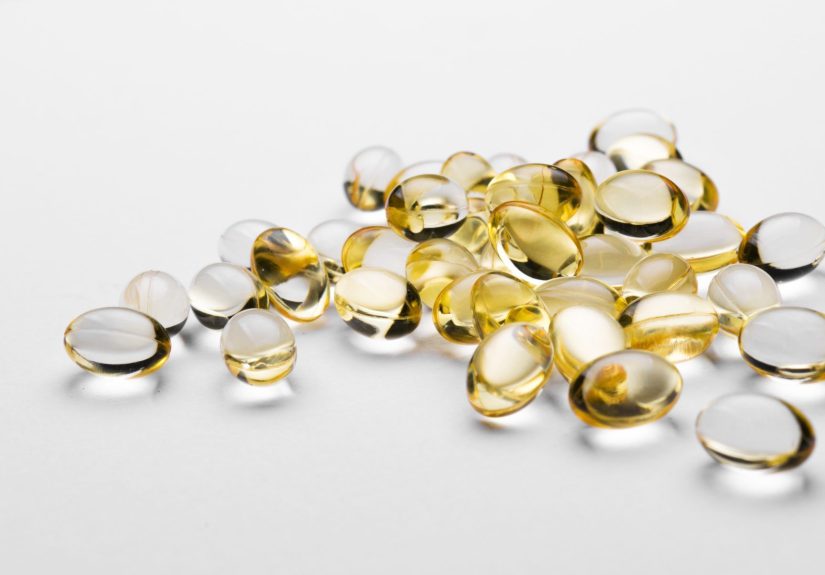
Vitamin D’s headline role is helping your body absorb calcium and maintain healthy calcium and phosphate levelscrucial for bones, muscles, and a bunch of behind-the-scenes cellular processes. It comes mainly as:
- Vitamin D3 (cholecalciferol): common in supplements
- Vitamin D2 (ergocalciferol): sometimes prescribed
Vitamin D does not function like vitamin K (which is directly involved in clotting). That’s a key distinction: vitamin K is famous for messing with warfarin. Vitamin D is famous for helping your intestines pick up calcium like it’s their full-time job.
So… Does Vitamin D Thin Your Blood?
For most people taking typical doses, no. Vitamin D supplements are not considered anticoagulants or antiplatelet agents. They’re not prescribed to prevent strokes, treat clots, or replace medications like warfarin or DOACs.
However (and there’s always a “however”), vitamin D does live in the neighborhood of several systems that touch clottinglike inflammation, endothelial function (your blood vessel lining), and overall cardiometabolic health. That’s where the confusion comes from: vitamin D may be associated with clot-related risks in some studies, but association isn’t the same as “this pill thins your blood.”
What the Research Suggests (In Human Words)
Some research links low vitamin D levels with higher risk markers for cardiovascular disease and certain clot-related events. Scientists have proposed mechanisms involving inflammation and vascular health. But the evidence doesn’t translate into a simple message like “take vitamin D to thin blood.”
In short: vitamin D is more like a supporting actor in a big metabolic movie, not the lead superhero who stops clots with a dramatic cape flourish.
Vitamin D and Warfarin: The Combo People Worry About Most
If you’re on warfarin (Coumadin), you’ve already learned two things:
- INR is not a new social media platform.
- Your diet and supplements can matter more than you’d like.
Vitamin D is not the classic warfarin troublemaker (that’s usually vitamin K, big swings in leafy greens intake, certain antibiotics, alcohol binges, and several supplements).
Can Vitamin D Change INR?
Most mainstream interaction checkers don’t flag a straightforward, guaranteed interaction between typical vitamin D supplementation and warfarin. Still, a few studies have explored whether vitamin D status might relate to warfarin sensitivity or maintenance dose needs, and there’s some discussion in the medical literature about vitamin D levels and bleeding outcomes in people taking warfarin.
What this means in real life: vitamin D usually isn’t a “red alert” interaction, but if you start high-dose vitamin D (or correct a deficiency aggressively) while on warfarin, it’s smart to monitor INR as directed. Not because vitamin D is a blood thinner, but because warfarin is famously sensitive and the human body is delightfully complicated.
What About DOACs (Apixaban/Eliquis, Rivaroxaban/Xarelto, etc.)?
DOACs generally have fewer diet-related interactions than warfarin. Vitamin D is not widely recognized as a major interaction issue with DOACs. Still, your safest move is boring and effective: tell your clinician what you’re taking, especially if you’re using high doses or combining multiple supplements.
Could Vitamin D Cause Easy Bruising or Bleeding?
Vitamin D, at common doses, is not a typical cause of bleeding or bruising. If you notice bruising, bleeding gums, or frequent nosebleeds after starting a supplement routine, consider more likely culprits:
- Actual blood thinners (warfarin, DOACs) or antiplatelets (aspirin, clopidogrel)
- NSAIDs (ibuprofen, naproxen) used frequently
- Other supplements with blood-thinning potential (fish oil at high doses, vitamin E, ginkgo, garlic, turmeric/curcuminespecially in concentrated forms)
- Alcohol (especially heavy use)
- Liver issues, platelet disorders, anemia, or other medical causes
If you’re on an anticoagulant and you develop new bleeding symptoms, don’t play detective alone. That’s exactly when you want your healthcare team involved.
When Vitamin D Becomes a Problem: “More” Is Not “More Healthy”
The most important safety concept with vitamin D is not “blood thinning.” It’s toxicity from excessive dosing.
Vitamin D Toxicity: The Main Risk of Overdoing It
Vitamin D is fat-soluble, meaning it can build up. Excess vitamin D can lead to hypercalcemia (too much calcium in the blood). That can cause symptoms like nausea, vomiting, constipation, excessive thirst, frequent urination, weakness, confusion, and in severe cases, kidney problems and heart rhythm issues.
Many reputable medical sources emphasize that toxicity is usually from supplements (not sunlight or food), and that adults should generally avoid exceeding 4,000 IU/day unless a clinician is specifically directing higher dosing for a medical reason.
Why Hypercalcemia Matters for “Blood” Questions
Calcium plays a role in the clotting cascade (it’s literally one of the classic coagulation factors). So if you were hoping vitamin D would “thin” your blood, vitamin D’s relationship with calcium is… not going in that direction.
To be clear: that does not mean vitamin D “thickens your blood” in a clinically meaningful way for most people. It means the biology doesn’t support the idea of vitamin D acting like a blood thinner.
Safe Supplementing: Practical, Non-Dramatic Advice
1) Use a dose that matches your goal
Typical daily needs for adults are often cited around 600–800 IU/day depending on age and guidance. Some people may need more based on labs, medical conditions, limited sun exposure, or malabsorptionthis is where personalized care matters.
2) Avoid “mega-dose roulette”
If your supplement routine looks like “10,000 IU daily because a guy on the internet said vibes,” pause. High doses can be medically appropriate in specific situations, but they shouldn’t be a long-term DIY hobby.
3) If you’re on warfarin, be consistent and communicate
Warfarin management loves consistency. If you start vitamin D, change brands, or jump to a much higher dose, tell your clinician and follow INR monitoring instructions.
4) Choose reputable products
Dietary supplements aren’t regulated like prescription drugs. Stick to brands that use strong quality controls and consider third-party testing. “Extra Strength” should not mean “extra mystery.”
When to Call a Clinician (Not Your Group Chat)
Get medical help promptly if you have:
- Signs of serious bleeding (vomiting blood, black/tarry stools, coughing blood, severe headache, unusual heavy bleeding, fainting)
- New or worsening easy bruising or bleeding while on anticoagulants
- Symptoms of possible hypercalcemia (confusion, severe weakness, persistent vomiting, dehydration, significant urination/thirst)
- Known kidney disease, sarcoidosis, hyperparathyroidism, or a history of kidney stones and you’re taking high-dose vitamin D
Conclusion: Vitamin D Isn’t a Blood ThinnerBut Context Matters
Vitamin D supplements do not “thin your blood” the way anticoagulant or antiplatelet medications do. For most people using standard doses, vitamin D won’t increase bleeding risk. The bigger safety issue is taking too much and triggering hypercalcemia.
If you’re taking warfarin or other blood thinners, vitamin D usually isn’t the main concernbut any supplement change is worth mentioning to your healthcare team, especially if dosing is high or your INR control is finicky.
Experiences: What People Notice in Real Life (An Extra )
If you ask aroundclinics, pharmacies, family group textspeople’s “vitamin D stories” tend to fall into a few familiar categories. None of these are a substitute for medical advice, but they explain why the “blood thinning” question keeps popping up.
1) The “I Started Vitamin D and Now I’m Bruising” Scare
Someone starts a new supplement stack: vitamin D, fish oil, turmeric, maybe a baby aspirin because their uncle’s neighbor’s barber said it’s “heart healthy.” A week later: a mystery bruise appears. The vitamin D gets blamed because it’s the new kid on the block.
In reality, bruising is more often tied to anticoagulants/antiplatelets, frequent NSAID use, or supplements with real blood-thinning effects (fish oil at higher doses, vitamin E, ginkgo, concentrated garlic/turmeric). Vitamin D is usually just standing there like, “I literally came here to help with calcium.”
2) The Warfarin “INR Whiplash” Story
People on warfarin live by their INR checks. When INR shifts, they want a clear reasonbecause “the universe felt chaotic” isn’t helpful. If someone begins correcting a vitamin D deficiency (especially if they go from taking none to taking a high dose), they sometimes notice INR values wobble during routine monitoring. Whether vitamin D is directly responsible can be hard to prove in one person because lots of things change at the same timediet, weight, medications, illness, even seasonal routines.
The practical takeaway most patients learn: tell the anticoagulation clinic when you start or change supplements, and don’t hide your “Wellness Era” like it’s a secret identity.
3) The “I Took Way Too Much and Felt Weird” Wake-Up Call
This one usually starts with high-dose vitamin D taken daily for monthssometimes accidentally (multiple products containing vitamin D), sometimes intentionally (“more is better!”). People describe vague symptoms at first: nausea, constipation, fatigue, thirst, brain fog. Then labs reveal the issue: elevated calcium. That’s when vitamin D stops being a harmless routine and becomes a medical problem that needs addressing.
Notably, this experience doesn’t feel like “blood thinning.” It feels like “my body is not thrilled with my choices,” because hypercalcemia can affect multiple systems, including kidneys and the heart.
4) The “Vitamin D Helped My EnergySo It Must Be Doing Everything” Assumption
When someone is deficient and starts supplementing appropriately, they may feel better: improved muscle function, mood, or general energy. The human brain loves a good victory montage, so vitamin D gets credit for anything positive that happens nearby in time. That can morph into myths like “it thins my blood” or “it’s basically nature’s anticoagulant.”
A more accurate framing is: vitamin D supports important body functions, and deficiency correction can helpbut it doesn’t replace prescription blood thinners and shouldn’t be treated like one.
5) The “My Doctor Finally Explained It in Plain English” Moment
Many people feel relieved when a clinician explains the difference between clot prevention (anticoagulants/antiplatelets) and bone/calcium regulation (vitamin D). Once that clicks, the fear tends to fade. The question becomes less “Is vitamin D thinning my blood?” and more “What’s the right dose for me, and how do I take it safely with my medications?”