Table of Contents >> Show >> Hide
- What Is the Chalk-it-to-me Piggy Bank 3.0?
- What Makes 3.0 Different (and Worth Talking About)
- Design Details That Actually Matter
- Why a Chalkboard Piggy Bank Works (Behaviorally, Not Magically)
- How to Use the Chalk-it-to-me Piggy Bank 3.0 (So It Doesn’t Become Decor)
- Using It to Teach Kids About Money (Without Making It a Lecture)
- Grown-Up Uses (Because Adults Also Need Visual Reminders)
- Care and Maintenance: Keep the Pig Cute
- Is It a Good Gift?
- Conclusion
- Real-World Experiences and Scenarios (Extra )
Saving money is easy in theory: don’t spend it. In practice, your brain sees a $5 bill and immediately proposes a “tiny, harmless treat” that somehow costs $27.43. That’s where the Chalk-it-to-me Piggy Bank 3.0 comes inpart home decor, part habit hack, part tiny ceramic accountability coach with a tail.
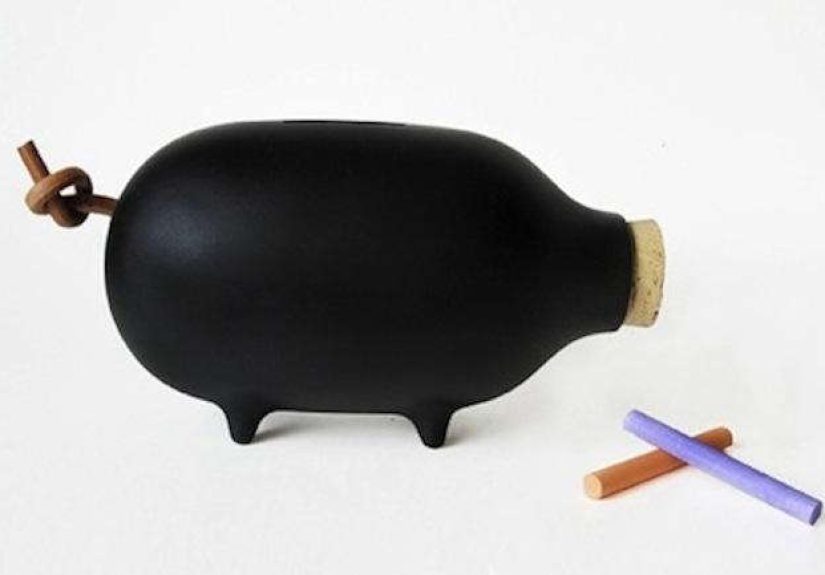
This isn’t the dusty piggy bank from your childhood that lived under a bed and rattled like a maraca. The 3.0 version is made to sit out in the open, invite interaction, and do one simple thing extremely well: help you stay focused on what you’re saving fornot what you could impulse-buy in the next ten minutes. [1]
What Is the Chalk-it-to-me Piggy Bank 3.0?
The Chalk-it-to-me Piggy Bank 3.0 is a modern piggy bank crafted from smooth, pigmented ceramic designed to be drawn on with chalk and wiped clean again and again. [1] The “3.0” update adds a hand-knotted leather tail, giving it a little extra personalitylike it’s dressed for casual Friday. [1]
The concept is delightfully simple: write or doodle directly on the pig. Label a goal (“New Bike”), add a countdown (“$120 to go”), or let your inner artist create a masterpiece that screams “I save responsibly” while also featuring a top hat and laser eyes. The point is that your savings goal becomes visibleso it’s harder to “forget” it the moment you open a shopping app. [1]
Many versions of the Chalk-it-to-me piggy bank have been featured by design outlets over the years. Earlier listings describe the charming “cork spout” (a cork plug-style nose) that makes retrieving savings easierwhich is both convenient and slightly dangerous for your self-control. [2]
What Makes 3.0 Different (and Worth Talking About)
1) The knotted leather tail upgrade
The 3.0 series is described as an update to the original form that adds a knotted leather tail. It’s a small detail, but it changes the whole vibe: less “novelty coin bank,” more “design object that happens to store money.” [1]
2) Handmade, limited edition energy
The 3.0 listing describes the pigs as handmade in small batches, shipping within a stated window after purchase, and individually numbered as part of a limited edition. It’s the opposite of mass-produced plasticit’s meant to feel special, like the goal you’re saving for. [1]
3) It comes with the “use it immediately” kit
No scavenger hunt required: the 3.0 description notes it includes chalk and a felt cloth wipe, so you can set a goal and start saving right away. [1]
Design Details That Actually Matter
The Chalk-it-to-me piggy bank isn’t just cuteits details support the habit. Here’s what stands out in the product’s design coverage and descriptions:
- Chalk-friendly ceramic body: The pigmented ceramic surface is intended to be marked up and wiped down repeatedly. [1]
- Goal labeling built into the experience: The whole idea is to write what you’re saving for right on the pigturning a bank into a mini goal board. [1]
- Cork “spout”/nose concept: Earlier design notes highlight a cork plug-style nose that can make access easier (great for adults; risky for impulse spenders). [2]
- Size with presence: One featured listing notes dimensions of about 9.5″ x 5″ x 5.5″ high, which is big enough to be noticed on a shelf or desk. [2]
Why a Chalkboard Piggy Bank Works (Behaviorally, Not Magically)
The magic isn’t in the pig. It’s in what the pig makes you do: name the goal, see the goal, and interact with the goal. That matters because vague goals (“save more”) are easy to ignore, while concrete goals (“$300 for a weekend trip”) are easier to stick with.
The Consumer Financial Protection Bureau’s Money as You Grow resources emphasize age-appropriate milestones and activities that build real money skills over timeespecially through everyday practice, not lectures. [3] One practical activity they suggest for school-age kids is to set a savings goal, break it into smaller steps, and help a child take those steps. [4] A chalkboard piggy bank is basically that idea in physical form.
Think of it as a “visual contract” with yourself. If your goal is written on the pig in giant chalk letters, it’s harder to pretend you’re saving for “something” while buying “everything.”
How to Use the Chalk-it-to-me Piggy Bank 3.0 (So It Doesn’t Become Decor)
Step 1: Write a goal that makes you slightly excited
Don’t write “Savings.” That’s not a goal; that’s a spreadsheet category. Write something specific: “New headphones,” “Beach weekend,” “Emergency buffer,” or “IKEA cart of dreams.”
Step 2: Make the goal measurable
Add a number. Example: “$150 for concert tickets.” If you want to go full extra (recommended), draw a little progress bar with tick marks. Your inner child loves a progress bar. Your inner adult loves that it works.
Step 3: Choose a deposit rhythm
Decide what “feeding the pig” looks like:
- Daily: loose change + the occasional $1 bill
- Weekly: a set amount from allowance, tips, or a “no-latte day” swap
- Rule-based: every time you skip takeout, you deposit the difference
Step 4: Create a “no take-backs” policy (or a “borrow with a fee” policy)
Some design coverage jokes that this pig is friendlier than an ATM when you need to borrow a few bucks back. [5] If you want the piggy bank to build real savings, set a rule: you can only withdraw for the goalor you can “borrow,” but you must pay it back plus an extra dollar. Call it a “self-imposed convenience fee.” (Yes, you’re the bank now.)
Step 5: Celebrate the empty pig moment
When you cash it out for the goal, take a photo of the pig with the final chalk note. Then wipe it clean and write the next goal. Rinse, repeat, get smug (politely).
Using It to Teach Kids About Money (Without Making It a Lecture)
A chalkboard piggy bank is especially powerful for kids because it turns saving into something they can see and touch. The trick is to make saving feel like a game, not a punishment.
Pair it with a “multiple goals” system
Schwab’s MoneyWise activity ideas suggest decorating multiple jarsone for each savings goaland tracking progress as they fill. [6] You can do the same here by using the Chalk-it-to-me pig as the “main goal” bank and pairing it with a smaller “spend” jar for quick purchases.
Connect it to real learning resources
The FDIC’s Money Smart for Young People offers free, age-appropriate curricula for educators from pre-K through 12th grade, complete with guides and handouts. [7] Even if you’re not teaching a class, the takeaway is useful: kids learn best with simple concepts, repetition, and real-life examples.
For extra fun, pull in coin activities. The U.S. Mint’s Coin Classroom provides educational resources and lesson ideas that use coins to teach math and financial literacy concepts (primarily K–6). [8] Translation: you can make “count the change” a legit learning moment.
Grown-Up Uses (Because Adults Also Need Visual Reminders)
Despite the “piggy bank” label, the Chalk-it-to-me Piggy Bank 3.0 is very adult-friendlyespecially if you like design objects that do something besides sit there and judge your bookshelf choices.
Micro-savings for a specific purchase
Write “Italy fund,” “New lens,” or “Emergency cushion.” Then drop in cash from small wins: sold something online, canceled a subscription, or survived a day without delivery. One design write-up even used “Italy fund” as an example of a chalk goalbecause apparently even piggy banks love pasta. [5]
Desk companion for cash-only boundaries
If you’re trying to keep discretionary spending in check, designate the pig as the “fun money” container. When it’s empty, fun is over. (Yes, this is the opposite of how piggy banks usually work. That’s the point.)
A playful tip jar or “office challenge” bank
In a shared space, you can set a group goal (“Team lunch” or “Coffee fund”) and let everyone add and doodle. The chalk surface invites participation, which is basically community-buildingdisguised as a pig.
Care and Maintenance: Keep the Pig Cute
- Use regular chalk: It’s made for simple chalk writing and easy wiping. [1]
- Wipe gently: The included felt cloth is meant for quick resets. [1]
- Avoid soaking: Treat it like ceramic decorwipe clean rather than dunking it.
- Don’t “permanent-marker the dream”: If you use chalk markers, test in a small area first; they can be harder to remove than standard chalk.
Is It a Good Gift?
If you’re shopping for someone who likes:
- design-forward home accessories,
- interactive objects (the “touch everything” personality type),
- or motivation tools that don’t look like motivation tools,
…then yes, this is a strong gift choice. It’s been featured in children’s gift guide roundups as a modern twist on a classic concept, with notes that it can be decorated with chalk and even comes in a terra cotta version. [9] In other words: it’s cute and useful, which is rare in the gift ecosystem.
Conclusion
The Chalk-it-to-me Piggy Bank 3.0 takes an old-school ideasaving spare changeand upgrades it with smart design: a chalk-ready ceramic surface, a friendly form you’ll actually leave out, and small details (hello, knotted leather tail) that make it feel like a collectible object, not clutter. [1]
The real win is how it turns saving into a visible, interactive habit. Write the goal. Feed the pig. Track the progress. Repeat. Whether you’re teaching kids money basics with hands-on practice or nudging yourself toward a grown-up goal, it’s a simple tool that makes the “save” part feel less abstractand a lot more fun.
Real-World Experiences and Scenarios (Extra )
Below are experience-based scenarioscomposites of how people typically use chalkboard-style piggy banks in real lifeso you can picture how the Chalk-it-to-me Piggy Bank 3.0 fits into a routine without becoming “that cute thing you dust twice a year.”
The “Italy Fund” Desk Pig
A remote worker sets the pig on a bookshelf behind their monitor and writes “ITALY FUND: $600” in bold chalk letters. Every time they skip a delivery order, they put the “would-have-spent” cash into the pig. After a few weeks, the pig has a little chalk progress bar filled halfway in triumphant, messy increments. The visual cue works: when a flash sale pops up, the pig is literally staring at them like, “Are we buying sneakers… or are we eating gelato?” The goal doesn’t have to be Italy, of course. It’s the constant reminder that makes the difference.
The Allowance Split That Doesn’t Feel Like Math Class
A parent uses the pig for the “save” portion of allowance. The rule is simple: each week, the child puts a set amount in the pig and gets to write (or draw) what they’re saving for. One week it’s a bike; the next week it’s a comic-book box set; then it’s “a giant plush shark.” The child redraws the goal every few weeks, and that becomes part of the fun. The parent doesn’t need a long speech about budgetingjust a consistent habit and a visible target. Pairing it with games and coin counting keeps it engaging, especially for younger kids. [8]
The “Borrowing Fee” That Quietly Kills Impulse Spending
Someone loves the idea of saving but also loves the idea of “borrowing” from their savings. So they create a rule: if they remove money for anything other than the goal, they owe the pig back the amount plus an extra dollar (or 10%). They even write it on the pig: “BORROW = PAY BACK + $1.” The first time they consider borrowing for a random purchase, they realize they’re basically charging themselves interestand the urge fades. It’s surprisingly effective because it turns a vague “I shouldn’t” into a concrete “I will literally have to pay extra for this.”
The Classroom or Club Challenge
A teacher or youth leader sets a group goal: “Classroom Library Fund” or “Field Trip Snacks.” The pig sits in a visible spot, and students add spare change from home. Everyone gets a turn adding a chalk doodlestars, jokes, mini comicsso the pig becomes a shared project, not just a container. This aligns nicely with the way financial education resources emphasize real-life practice and discussion rather than one-time lectures. [7] The pig doesn’t replace a curriculum, but it makes the lesson tangible: small deposits add up, and progress can be tracked in plain sight.
The “End-of-Week Reset” Ritual
A couple creates a Friday routine: empty pockets, toss coins and small bills into the pig, and rewrite the goal if needed. Some weeks the goal stays the same; other weeks they pivot. That flexibility is the secret. Savings goals that feel rigid can die quickly when life changes, but a chalk-written goal is easy to update without guilt. They keep the ritual shorttwo minutesso it doesn’t become a chore. Over time, it becomes a tiny habit anchor that reinforces a bigger mindset: money isn’t just something you spend; it’s something you direct on purpose.