Table of Contents >> Show >> Hide
- First: Is cilantro the same as coriander?
- Cilantro nutrition: small herb, real nutrients
- Cilantro benefits: what’s solid, what’s promising, what’s… internet-famous
- 1) Antioxidants that support overall health
- 2) May help with blood sugar regulation (early evidence)
- 3) “Food safety” benefits: cilantro has antimicrobial compounds, but don’t skip washing
- 4) Helps you cut back on salt without feeling deprived
- 5) Supports “eat the rainbow” habits (without trying too hard)
- Who should be cautious with cilantro?
- How to pick cilantro that won’t break your heart
- Washing cilantro safely (without turning it into sadness)
- Prep tips: stems are not the enemy
- How to store cilantro so it lasts (a.k.a. anti-slime strategy)
- Easy ways to use cilantro (beyond “sprinkle on tacos”)
- Why cilantro tastes like soap for some people
- Best cilantro substitutes (if you’re on Team Soap)
- FAQ
- Real-life cilantro experiences (about )
- Conclusion
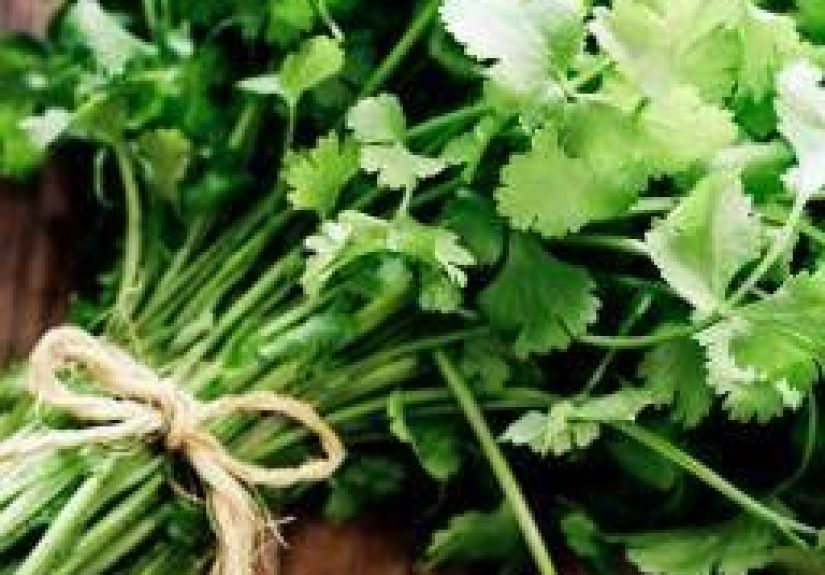
Cilantro is the most dramatic herb in your refrigerator. You buy a bright green bunch with big dreams of taco night glory…
and two days later it’s lying in the crisper drawer like a tiny salad that lost the will to live. The good news: cilantro
is easy to love (and even easier to rescue) once you understand what it is, what it offers nutritionally, and how to prep
it so it stays fresh long enough to actually make it into dinner.
This guide breaks down cilantro’s benefits, nutrition, and the practical prep tricks that separate “vibrant and citrusy”
from “sad and slimy.” We’ll also talk about the infamous “soap gene,” because if cilantro tastes like hand soap to you,
you deserve answers and a good substitute plan.
First: Is cilantro the same as coriander?
Yesand also no, depending on where you live. Cilantro and coriander come from the same plant,
Coriandrum sativum. In the United States, we usually call the fresh leaves and tender stems “cilantro”
and the dried seeds “coriander.” In many other countries, “coriander” can mean the leaves, the seeds,
or the whole plant. Translation: the plant is one, the naming is chaos.
Cilantro leaves vs. coriander seeds (why they taste so different)
Cilantro leaves are bright, fresh, and a little peppery-citrusy. Coriander seeds are warm, nutty, and slightly sweet,
with a gentle citrus note. They’re like siblings who share a last name but have totally different vibes at parties.
In cooking, cilantro shows up at the end (as a finishing herb), while coriander seeds often start in the pan (to build flavor).
Cilantro nutrition: small herb, real nutrients
Let’s be honest: most people aren’t eating cilantro by the bowlful (unless you’re making chutney, in which case, respect).
Still, cilantro adds nutrients without adding much in calories, plus it brings bold flavor that can help you rely less on
salt-heavy sauces.
Nutrition snapshot
Here’s what cilantro contributes in two common “real life” serving sizes. Values are approximate and can vary by variety
and freshness.
| Serving size | Calories | Carbs | Fiber | Protein | Notable micronutrients |
|---|---|---|---|---|---|
| ¼ cup (about 4 g), chopped | ~1 | ~0.15 g | ~0.11 g | ~0.09 g | Vitamins A, C, K; folate; potassium (small amounts) |
| 100 g (a lot of cilantro) | ~24 | ~3.67 g | ~2.8 g | ~2.13 g | Vitamin A, vitamin C, folate, potassium, calcium, iron |
Takeaway: cilantro is nutrient-dense for its size, especially as a source of antioxidant compounds and certain vitamins.
But the biggest nutritional “win” for most people is this: it’s a high-impact flavor booster that can make simple meals
taste exciting with virtually no calorie cost.
Cilantro benefits: what’s solid, what’s promising, what’s… internet-famous
Cilantro gets hyped online for everything from “detoxing heavy metals” to “curing everything except your group chat.”
The reality is more practical and still pretty impressive: cilantro contains antioxidants and plant compounds that are
being studied for potential health effects. Some benefits are well-supported in the general “eat more plants” sense,
while others are early-stage and not ready for superhero capes.
1) Antioxidants that support overall health
Like many herbs, cilantro contains a variety of plant compounds (including flavonoids and carotenoids) that act as
antioxidants in the body. Antioxidant-rich foods help counter oxidative stress, which is tied to inflammation and many
chronic conditions. You don’t need cilantro to “fix” your healthbut it can absolutely be part of a pattern that supports it.
2) May help with blood sugar regulation (early evidence)
Some research suggests cilantro may influence enzymes and pathways involved in blood sugar regulation. That said,
the strongest evidence is not yet from large, long-term human trials. So, think of cilantro as a smart garnish to a balanced meal,
not as a replacement for medical care or proven nutrition strategies (like fiber-rich meals, consistent activity, and medications when needed).
3) “Food safety” benefits: cilantro has antimicrobial compounds, but don’t skip washing
Cilantro contains plant compounds that have shown antimicrobial activity in lab settings, including a compound called
dodecanal. That’s interestingand it might partly explain why herbs have been used for flavor and preservation for centuries.
But here’s the important part: cilantro does not replace safe food handling. Fresh herbs can carry germs, and cilantro is
often eaten raw, which means it doesn’t get a cooking “kill step.”
4) Helps you cut back on salt without feeling deprived
This is the most underrated benefit and the most useful one today. When food tastes vibrant, you naturally reach less for salty
sauces and extra seasoning. Cilantro’s punchy, fresh flavor can make simple proteins, beans, and grains taste like they had a glow-up.
5) Supports “eat the rainbow” habits (without trying too hard)
Herbs are a gateway to vegetables. People who use fresh herbs tend to cook at home more and build flavor with whole ingredients.
Cilantro makes it easier to enjoy bowls, salads, soups, and tacos piled with producebecause it makes the whole thing taste better.
Sometimes health is just “make the healthy meal taste like you actually want it.”
Who should be cautious with cilantro?
Cilantro is generally safe as a food for most people. Still, a few groups should pay attention:
If you take warfarin (or other vitamin K–sensitive anticoagulants)
Cilantro contains vitamin K. If you’re on warfarin, sudden changes in vitamin K intake can affect how the medication works.
This doesn’t mean “never eat cilantro.” It usually means “keep your intake consistent and talk with your clinician if your diet changes.”
If you have allergies to herbs or related plants
Herb allergies are less common than, say, peanut allergiesbut they exist. If cilantro makes your mouth itch, your throat feel tight,
or you develop hives, treat that seriously and seek medical advice.
If cilantro seems to lower your blood sugar
If you’re prone to low blood sugar or take glucose-lowering medications, it’s worth being mindfulespecially if you’re consuming
cilantro in larger amounts (like smoothies or concentrated chutneys), not just as a sprinkle.
How to pick cilantro that won’t break your heart
Shopping for cilantro is basically speed dating. You have 20 seconds to decide whether this bunch is “fresh and fun” or
“already emotionally unavailable.” Here’s what to look for:
- Color: Bright, lively green leaves. Avoid bunches with lots of yellow or black spots.
- Texture: Leaves should look perky, not limp or slimy.
- Stems: Firm stems are a good sign. If the bottom ends are mushy, keep walking.
- Smell: Fresh cilantro should smell citrusy-green. If it smells musty, it’s already headed downhill.
Washing cilantro safely (without turning it into sadness)
Fresh herbs can hold onto grit, soil, andunfortunatelygerms. The safest approach is also the simplest:
rinse thoroughly under running water and dry well. Don’t use soap or detergents on herbs or produce.
And wash your hands and cutting board before you start.
A quick, effective wash routine
- Remove any damaged leaves (yellowing, black spots, slimy bits).
- Rinse cilantro under cool running water, gently separating leaves so water reaches the inner bunch.
- Shake off excess water.
- Dry thoroughly with a salad spinner or clean towels/paper towels (drying helps it last longer).
Bonus tip: if the cilantro is very sandy, rinse first, then give it a second rinse after you’ve loosened the bunch.
The goal is clean cilantronot a cilantro soup.
Prep tips: stems are not the enemy
Many people throw away cilantro stems, and this is a tragedybecause the stems are packed with flavor.
The tender upper stems chop beautifully into salsas, sauces, salads, and marinades.
If you’re making something smooth (like chimichurri or chutney), stems can go right in.
Chopping without bruising
- Use a sharp knife (dull knives crush herbs and make them dark faster).
- Chop just before serving for the brightest flavor.
- For salads and cold dishes, keep pieces a bit larger to reduce “herb mush.”
How to store cilantro so it lasts (a.k.a. anti-slime strategy)
Cilantro hates being wet and hates being crushed. The best storage methods keep it slightly humid but not soggy,
and give it airflow. Pick the method that matches how quickly you’ll use it.
Method 1: The “bouquet” method (best for 5–10 days)
- Trim the stem ends.
- Place the bunch upright in a jar with an inch or two of water (like flowers).
- Cover loosely with a plastic bag.
- Refrigerate and change the water every couple of days.
Method 2: Paper towel + container (best for 3–7 days)
- Wash and dry cilantro very well.
- Wrap loosely in a dry (or barely damp) paper towel.
- Store in a container or resealable bag in the fridge.
- Replace the paper towel if it gets wet.
Method 3: Freeze it (best for “I refuse to waste food” people)
Frozen cilantro won’t be crisp for garnishing, but it’s great for soups, sauces, and cooked dishes.
- Ice-cube method (water): Chop cilantro, press into ice cube trays, cover with water, freeze, then store cubes in a labeled bag.
- Ice-cube method (oil): Chop cilantro and mix with oil, freeze in cubes for easy tossing into hot pans and sauces.
How to revive limp cilantro
If it’s wilted but not slimy, trim the ends and put it in cold water for 10–20 minutes. Dry well afterward.
It won’t become immortal, but it often perks up enough for tonight’s dinner.
Easy ways to use cilantro (beyond “sprinkle on tacos”)
Cilantro is a finishing herb, which means it shines when added near the endespecially in dishes that need brightness.
Here are flexible, no-fuss ways to use it:
Flavor combos that almost always work
- Cilantro + lime + garlic: Classic for tacos, grilled chicken, shrimp, beans, and rice bowls.
- Cilantro + yogurt: Blend into a quick sauce with lemon, salt, and cumin for roasted veggies or kebabs.
- Cilantro + jalapeño + onion: The foundation for salsa verde-style freshness.
- Cilantro + ginger + soy: Great in noodle bowls, dumplings, and stir-fries.
Two “formula” recipes you can memorize
Fast cilantro sauce (2 minutes): Blend 1 packed cup cilantro, 1 garlic clove, 2–3 tablespoons olive oil,
1 tablespoon lime juice, pinch of salt, and a splash of water. Use on fish, chicken, roasted veggies, or grain bowls.
Chopped cilantro topping: Mix chopped cilantro with diced onion, lime juice, and a pinch of salt.
Spoon over tacos, chili, eggs, or roasted sweet potatoes. (Yes, sweet potatoes. Trust the process.)
Why cilantro tastes like soap for some people
If cilantro tastes soapy to you, you’re not “being picky.” Genetics can influence how you perceive cilantro’s aroma compounds
(especially certain aldehydes). Some people are more sensitive to these compounds, so the flavor reads as soap-like.
It’s a real phenomenonand it explains why cilantro is basically a culinary Rorschach test.
Can you “train” yourself to like cilantro?
Sometimes, small amounts in strongly flavored dishes (think salsa, curry, or pho) are easier to tolerate than a big raw handful.
Finely chopping cilantro can also mellow the punch. But there’s no rule that says you must love cilantro to be a good cook.
Life is already hard enough.
Best cilantro substitutes (if you’re on Team Soap)
Substitutes depend on what cilantro is doing in the dish: adding freshness, adding green-herb flavor, or balancing heat and richness.
Try these:
- Flat-leaf parsley: Closest overall “fresh green” swap (add a squeeze of lime to mimic cilantro’s brightness).
- Mint: Great in salads, rice dishes, and Middle Eastern flavors (use a lighter hand).
- Basil: Works in Southeast Asian dishes and sauces; sweeter and more aromatic than cilantro.
- Dill: Best for creamy sauces, potatoes, fish, and cucumber-forward dishes.
- Scallion greens: Not the same, but excellent for freshness in bowls, soups, and salsas.
FAQ
Can you eat cilantro stems?
Yes. The tender upper stems are flavorful and totally edible. If stems are thick and woody near the base, trim those off.
Does cooking cilantro destroy its nutrients?
Heat can reduce some heat-sensitive nutrients (like vitamin C), but cilantro is often used as a finishing herb anyway.
Even cooked, it still contributes plant compounds and flavor.
Is dried cilantro a good substitute for fresh?
Usually not. Dried cilantro tends to taste muted and slightly grassy. If you need a shelf-stable option, coriander seed,
parsley, or a squeeze of citrus can do more for flavor than dried cilantro.
Real-life cilantro experiences (about )
If cilantro had a diary, it would be mostly heartbreak and redemption arcs. The heartbreak is familiar: you buy a beautiful bunch
for “one recipe,” and suddenly you’re holding a leafy green responsibility you did not emotionally prepare for. The redemption arc
starts the moment you stop treating cilantro like a decorative accessory and start treating it like produce with needs.
One common kitchen experience is the “why is it already wilted?” panic. Cilantro is thin-leafed and delicate, so it loses moisture
fastespecially if it’s been sitting in a warm car, a sunny countertop, or a crowded fridge drawer where it’s getting squished by a
heroic head of cabbage. People often discover that cilantro doesn’t just need cold; it needs support. The bouquet-in-a-jar method
can feel a little ridiculous the first time you do it (a flower arrangement for your tacos?), but the payoff is real: you open the fridge,
and the cilantro looks alive instead of apologetic.
Another very real moment: the grit. Cilantro can hide sand and soil like it’s protecting state secrets. Many home cooks learn that a quick
rinse isn’t always enoughespecially if the bunch still has roots attached. Swishing, rinsing, draining, and drying becomes a mini ritual.
And once you’ve bitten into a sandy leaf even once, you tend to become a dedicated “wash it properly” person forever. The funny twist is that
the best washing experiences are the ones where you also dry it well, because dryness is the secret to keeping cilantro from turning into a
science experiment.
Then there’s the “soap gene” experience, which is basically cilantro’s way of reminding us that humans are complicated. In some households,
cilantro is loved with devotion; in others, it’s treated like a practical joke. You’ll see people negotiate it like a peace treaty: cilantro
on the side, half the batch without it, or a parsley swap that keeps everyone happy. The surprising part is how often a tiny adjustment works
a finer chop, a smaller amount, pairing cilantro with lime and garlic, or using it in a cooked sauce instead of raw. For some, that shifts the
flavor from “soap aisle” to “fresh and citrusy.” For others, it stays soap forever, and that’s okay. Cooking isn’t about forcing your taste buds
into submission; it’s about building meals people actually want to eat.
Finally, there’s the proud moment when cilantro becomes your “easy upgrade.” People who cook regularly often describe the same win: a bowl of beans
and rice goes from basic to bold with a handful of chopped cilantro and a squeeze of lime. Soup tastes brighter. Leftover chicken becomes taco
filling. Store-bought salsa suddenly tastes fresher. Cilantro’s best “experience” isn’t a dramatic health claimit’s the everyday reality that a
small herb can make healthy, home-cooked food taste exciting, and that keeps people coming back to the kitchen (instead of back to the drive-thru).
Conclusion
Cilantro is a small herb with big impact: it’s low in calories, brings useful nutrients and antioxidants, and adds bold freshness that can lift
everyday meals. The keys are practicalwash it safely, dry it well, store it smart, and use both leaves and tender stems. Whether you love cilantro,
tolerate it, or think it tastes like soap, you can still use its “role” in recipes (brightness and balance) with smart substitutes. Either way,
dinner wins.