Table of Contents >> Show >> Hide
- What Is Cocaine, Really?
- How Cocaine Affects the Brain and Body
- The Bigger Picture: Risks You Don’t Always See
- What Does Cocaine Addiction Look Like?
- Managing Cocaine Addiction: What Actually Helps
- Harm Reduction: For People Not Ready to Quit (Yet)
- Supporting a Loved One with Cocaine Addiction
- Real-World Experiences with Cocaine and Recovery
- Conclusion: Cocaine Isn’t a Personality, It’s a Problem You Can Treat
Cocaine has a wild reputation in movies and music: glamorous parties, people talking a mile a minute, big confidence, bigger risks. In real life, though, this drug is much less “cool” and much more “this could wreck your health, relationships, money, and maybe your heartbeat.”
This in-depth guide breaks down what cocaine is, how it affects the brain and body, the real risks (not just the ones you hear in health class), and what actually works when it’s time to manage addiction and rebuild your life. Whether you’re researching for yourself, a loved one, or just trying to understand the facts, you’re in the right place.
What Is Cocaine, Really?
Cocaine is a powerful stimulant drug made from the leaves of the coca plant, which is native to South America. In medicine, a very controlled form may be used as a local anesthetic for some surgeriesespecially in ear, nose, and throat proceduresbut those tiny doses are a far cry from recreational use.
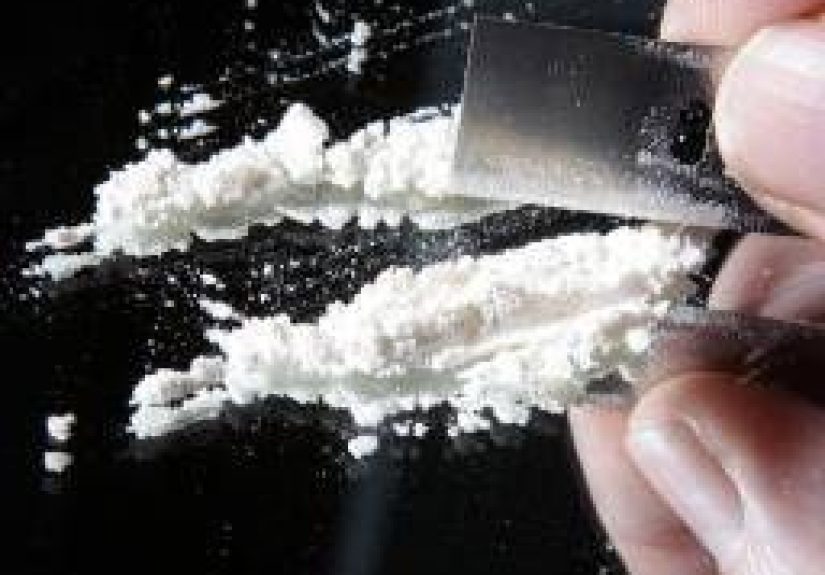
On the street, cocaine usually appears as a fine, white powder that people snort, rub on their gums, or dissolve and inject. “Crack” is a smoked, rock-like form of cocaine that’s processed with baking soda or ammonia. All of these forms have one thing in common: they reach the brain quickly, create an intense but short-lived high, and come with serious risks.
How Cocaine Affects the Brain and Body
Cocaine’s main trick is messing with dopamine, a brain chemical that helps control pleasure, motivation, and reward. Normally, dopamine gets released and then recycled. Cocaine blocks that recycling process, causing dopamine to build up. The brain interprets this as, “Wow, this is amazing, please do that again,” which explains both the intense euphoria and the high addiction potential.
Short-Term Effects: The Immediate High (and Crash)
In the short term, cocaine can create:
- Intense euphoria and a “rush” of pleasure
- Increased energy, alertness, and talkativeness
- Decreased appetite and need for sleep (or at least feeling that way)
- Increased confidence and sense of power or invincibility
That might sound appealing on the surface, but it comes bundled with some less fun features:
- Racing heart and increased blood pressure
- Constricted blood vessels and higher body temperature
- Restlessness, irritability, and anxiety
- Paranoia or feeling like people are “out to get you”
Even a single use can trigger serious cardiovascular events, including heart attack, abnormal heart rhythms, or strokesometimes in otherwise healthy young adults.
Long-Term Effects: What Happens When Use Becomes a Pattern
Long-term cocaine use doesn’t just “wear you out”; it can affect nearly every system in the body.
- Heart and blood vessels: Chronic use is linked to coronary artery disease, heart muscle damage (cardiomyopathy), arrhythmias, and increased risk of heart attacks and sudden deatheven in people under 40.
- Brain: Repeated use raises the risk of stroke, seizures, and cognitive problems like poor attention, decision-making, and impulse control.
- Mental health: Many people develop anxiety, depression, irritability, paranoia, or even psychosis (losing touch with reality) with prolonged use.
- Respiratory system: Smoking crack can damage the lungs and airways, causing chronic cough, breathing problems, and increased risk of infections.
- Nose and sinuses: Snorting cocaine can lead to chronic nosebleeds, sinus infections, loss of smell, and even a hole in the nasal septum.
- Infection risk: Sharing needles or straws increases the risk of HIV, hepatitis C, and other infections.
On top of that, the brain adapts to cocaine over time. People often need more of the drug to feel the same high (tolerance), and life without it may feel flat, empty, or unbearable. That’s addiction taking hold.
The Bigger Picture: Risks You Don’t Always See
Cocaine isn’t just a “party drug.” It’s also deeply tangled with overdose deaths, especially when mixed with other substances.
- Overdose risk: Cocaine itself can cause fatal heart rhythm problems or strokes, but many overdose deaths involve cocaine mixed with opioids, especially fentanyl.
- Polysubstance use: Mixing cocaine with alcohol forms a compound called cocaethylene, which can be even more toxic to the heart and liver than cocaine alone.
- Contaminated supply: Street drugs are often cut with other substances, including synthetic opioids. This makes dosing unpredictable and dramatically increases overdose risk.
Globally, cocaine use is still growing, and North America remains one of the largest markets. That means more people at risk, more families impacted, and a bigger need for realistic, science-based solutions.
What Does Cocaine Addiction Look Like?
Cocaine addiction is usually referred to as a cocaine use disorder, a type of substance use disorder (SUD). Organizations like NIDA and SAMHSA view SUD as a brain disease, not a moral failure. Repeated drug use changes brain circuits related to reward, stress, and self-control.
Signs that cocaine use might be crossing the line into addiction include:
- Using more cocaine or using it longer than intended
- Trying to cut down but not being able to
- Spending a lot of time getting, using, or recovering from cocaine
- Strong cravings that override other priorities
- Problems at work, school, or home due to use
- Continuing to use despite health, legal, or relationship problems
- Needing more to get the same effect (tolerance)
- Feeling “off,” depressed, or irritable when not using
If this list hits a little too close to homefor you or someone you care aboutremember: addiction is common and treatable. Millions of people in the U.S. live with a substance use disorder, and many go on to recover and rebuild their lives.
Managing Cocaine Addiction: What Actually Helps
Let’s be honest: “Just stop” might be the least helpful advice anyone can give. Managing cocaine addiction usually takes a mix of medical care, therapy, support, and time. The good news? There are evidence-based approaches that work.
Step One: Safety and Honest Assessment
If someone is using cocaine regularly, especially with alcohol, opioids, or other drugs, safety comes first:
- Talk to a healthcare provider honestly about use, even if it feels uncomfortable.
- Get screened for heart problems, infections, and mental health conditions like depression or anxiety.
- If there’s a risk of opioid exposure (like fentanyl in cocaine), having naloxone (an overdose reversal medication) around can save lives.
A professional assessment can help determine whether outpatient counseling, intensive outpatient care, or residential (inpatient) treatment is the best starting point.
Behavioral Therapies: The Core of Treatment
Currently, there are no FDA-approved medications specifically for cocaine dependence, although research is ongoing. That means behavioral therapies are especially important.
Common evidence-based approaches include:
- Cognitive behavioral therapy (CBT): Helps people identify triggers, manage cravings, challenge unhelpful thoughts (“I can’t have fun without cocaine”), and build healthier coping skills.
- Contingency management: Uses small rewards (like vouchers or gift cards) for negative drug tests or consistent attendance. This approach has strong evidence for stimulant use disorders.
- Community reinforcement approaches: Focus on rebuilding a satisfying life without drugssupportive relationships, meaningful activities, and healthier routines.
- Group and family therapy: Offer connection, accountability, and tools for repairing trust at home.
Treatment works best when it’s long enough (often several months or more) and tailored to the person’s needsmental health conditions, family situation, job, legal issues, and physical health all matter.
Medications and Research
While there’s no “cocaine cure pill,” researchers are exploring medications that may reduce cravings or support recovery. Some options being studied include certain antidepressants, stimulant medications in controlled settings, and drugs that affect the brain’s reward systems.
These treatments are usually part of clinical trials or specialized programs, so anyone interested should talk with an addiction specialist or check reputable research centers for current studies.
Support Systems: You Don’t Have to Do This Solo
Formal treatment is powerful, but recovery often grows roots in day-to-day support:
- Peer-based programs like Narcotics Anonymous (NA) or Cocaine Anonymous (CA)
- Non-12-step groups like SMART Recovery
- Online communities and telehealth therapy options
- Practical supportfrom childcare to transportationthat makes it easier to attend treatment
SAMHSA’s national helpline and treatment locator, as well as local community health centers, can help people find affordable programs, even without insurance.
Harm Reduction: For People Not Ready to Quit (Yet)
Not everyone is ready for full abstinence on day one, and pretending otherwise doesn’t help. Harm reduction approaches aim to reduce the chances of overdose, disease, or serious injury, even if use continues.
Harm reduction strategies may include:
- Avoiding mixing cocaine with alcohol, opioids, or other unknown pills or powders
- Using less and using less often, rather than binging for days
- Not using alone, so someone can call for help in an emergency
- Using services like syringe access programs where available to reduce infection risk
- Testing drugs for fentanyl where test strips are legal and accessible
None of this makes cocaine “safe,” but it can keep people alive and healthier long enough to reach a point where they’re ready for change.
Supporting a Loved One with Cocaine Addiction
Watching someone you love struggle with cocaine use can feel like standing at the edge of a cliff, trying to pull them back with one hand while balancing your own life with the other.
Helpful approaches include:
- Stay curious, not judgmental: Use “I” statements instead of accusations. (“I’m scared when I see you like this” beats “You’re ruining everything.”)
- Set clear boundaries: It’s okay to say no to lending money or covering up for consequences.
- Encourage professional help: Offer to help find a provider or drive them to an intake appointment.
- Get your own support: Groups for families (like Al-Anon, or other family support programs) can help you stay grounded and healthy too.
Remember, you didn’t cause the addiction, you can’t control it, and you can’t cure it. But you can encourage, support, and protect your own well-being while they work on theirs.
Real-World Experiences with Cocaine and Recovery
Statistics and brain chemistry are important, but addiction is also deeply human. While everyone’s story is different, some patterns show up again and again in people’s experiences with cocaine and recovery. The following are composite examples based on common real-world themesno single person, just familiar journeys.
Jordan: “Weekend Fun” That Didn’t Stay on Weekends
Jordan started using cocaine in his late 20s at work events. At first, it was a “once in a while” thinga little bump to stay energized, close deals, and feel more confident in big social settings. It seemed harmless. He was still meeting deadlines, hitting the gym, paying the bills.
Over time, though, weekends blurred into weekdays. He began looking forward to cocaine more than to time with friends or favorite hobbies. Sleep got patchy. His heart would pound at night, and he brushed it off as “just stress.” A close friend finally confronted him after he missed an important meeting and then lied about why.
That conversation was Jordan’s turning point. He didn’t magically quit the next day, but he did start talking to a therapist, then enrolled in an outpatient program. Contingency management gave him small, immediate rewards for clean tests, and CBT helped him see how he’d tied his self-worth to performance and external approval. Two years later, he describes his life as “less intense but much more real,” and he says he’s finally sleeping like a normal human being again.
Maria: Using to Cope, Not to Party
Maria’s story doesn’t look like a party scene at all. A single parent working two jobs, she was exhausted and overwhelmed. A coworker introduced her to cocaine as a way to “push through” double shifts. For her, it wasn’t about having fun; it was about surviving the day and still making it to her kid’s school events.
At first, cocaine made everything seem doable. She could stay awake, power through work, and then still show up, smiling, at the school play. But the crash hit hard: crying spells, irritability, snapping at her child, and growing anxiety. Eventually, she felt like she couldn’t function at all without using.
After a scary episode of chest pain landed her in the ER, a social worker talked with her about substance use and stress. Instead of shaming her, they focused on what she wanted: stability for herself and her child. Maria entered a program that helped with childcare and transportation. Therapy focused on trauma, stress management, and building a realistic schedule, instead of expecting her to suddenly act like she had endless free time and money. Her recovery plan wasn’t perfect; there were relapses and difficult days. But today, she describes herself as “in recovery and still learning,” proud of how far she’s come.
Darius: Recovery Isn’t Linear (And That’s Okay)
Darius had already been to treatment twice for cocaine addiction by the time he turned 35. Both times, he left treatment feeling strongready to change his entire life in one sweep. Both times, he relapsed within months and felt like he’d “failed” recovery.
On his third try, a counselor reframed relapse as data, not defeat. Instead of asking, “Why can’t you stay clean?” they dug into questions like, “What was happening in the week before you used?” and “Which supports were missing?” They discovered that Darius often relapsed after long stretches of loneliness and boredom, not just after stress. Recovery this time included peer support meetings, a weekly basketball league, and realistic expectations. Instead of promising himself he’d never feel cravings again, he learned how to surf themrecognize them, ride them out, and reach for tools instead of drugs.
Today, Darius talks about recovery as a long game. He still checks in with a therapist, still attends meetings, and still has moments when craving shows up uninvited. But now, instead of seeing those moments as proof he’s broken, he sees them as reminders to lean on the skills and community he’s built.
Conclusion: Cocaine Isn’t a Personality, It’s a Problem You Can Treat
Cocaine often shows up in culture as a symbol of intensitybig nights out, high pressure, high status, high everything. But behind the scenes, it’s a powerful stimulant that can quietly (or not so quietly) injure the heart, strain the brain, fuel anxiety and depression, and spiral into addiction.
The important takeaway is this: addiction is not a moral failing. It’s a health condition that can be treated with real toolstherapy, support, medical care, and time. Whether you’re just starting to worry about your use, you’ve tried to quit before, or you’re supporting someone you love, change is possible. It rarely looks like a movie makeover; it looks like small steps, honest conversations, and a growing support system.
If cocaine is a problem in your life or someone else’s, reaching out for help is not a sign of weakness. It’s a sign that you’re ready for something better than a fast high and a harder crash.