Table of Contents >> Show >> Hide
- Introduction: When “Waste Heat” Starts Looking Like Free Money
- What Is a Condensing Diesel Heater Hack?
- The Science Behind the Drip
- Why Hydronic Systems Make This Idea More Tempting
- The Efficiency Promise: Big Gains, Real Limits
- The Dripping Problem: Condensate Is Not Just Water
- Safety Comes Before Cleverness
- Where This Hack Makes the Most Sense
- Where the Idea Gets Risky Fast
- Practical Lessons From the Condensing Diesel Heater Concept
- Experience-Based Notes: What This Topic Teaches Builders, Tinkerers, and Heat Nerds
- Conclusion: Efficient, Clever, and Worth Treating With Respect
- SEO Tags
Note: This article explains the concept of a condensing diesel heater hack for educational and editorial purposes. Combustion appliances, exhaust systems, and carbon monoxide risks are serious business. Any real-world heater modification should be evaluated by qualified professionals, local codes, and manufacturer guidancenot by optimism, duct tape, or a heroic YouTube comment.
Introduction: When “Waste Heat” Starts Looking Like Free Money
A diesel heater already feels like a small miracle when it is doing its job. It takes a sip of fuel, makes a fan noise that says “tiny furnace at work,” and turns a cold garage, van, shed, workshop, or hydronic loop into a place where your fingers stop filing complaints with management. But the phrase “Condensing Diesel Heater Hack Is Dripping With Efficiency” points to something more ambitious: recovering extra heat from the exhaust until the system behaves a little like a condensing furnace.
The idea is simple in theory and spicy in practice. Diesel combustion creates hot exhaust. That exhaust still carries usable heat. If you pass that heat through a secondary heat exchanger, you may be able to warm incoming water, combustion air, or another thermal load before the exhaust leaves the system. Cool the exhaust far enough, and water vapor in the combustion gases can condense. That phase change releases latent heat, which is the secret sauce behind high-efficiency condensing boilers and furnaces.
In other words, the hack is not just “make exhaust less hot.” It is “capture heat that normally escapes, including heat hidden in water vapor.” That is why the result can be impressive. It is also why the system can become a dripping, acidic, corrosion-loving little science project if handled poorly. Efficiency is wonderful; a heater coughing condensate into places it should not be is less wonderful.
What Is a Condensing Diesel Heater Hack?
A typical small diesel heater burns diesel fuel in a sealed combustion chamber and transfers heat to air or liquid. Air heaters blow warmed air into a space. Hydronic diesel heaters heat liquid, which can then circulate through radiators, fan coils, floors, or tanks. In both cases, exhaust gas must be safely routed outside.
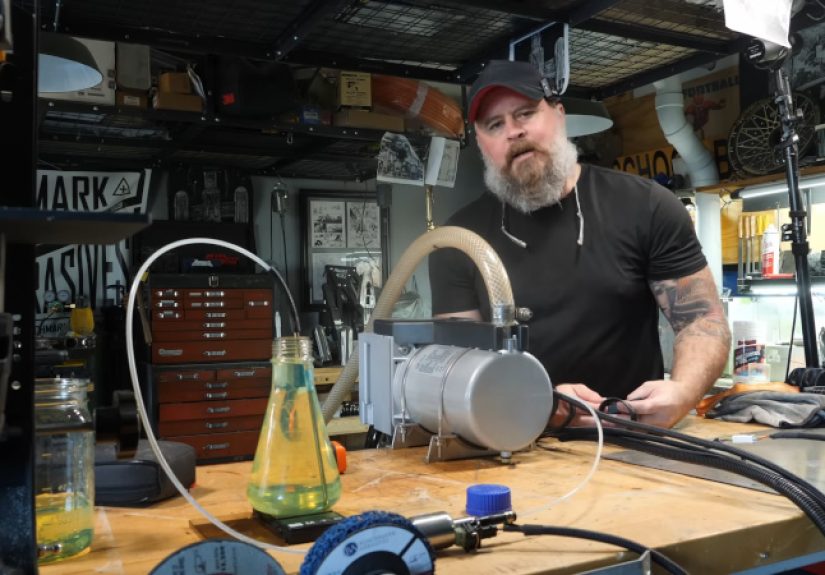
A condensing diesel heater hack adds a heat-recovery stage to the exhaust side. In one widely discussed example, a hydronic diesel heater uses an intercooler-style heat exchanger to pull heat from the exhaust and preheat water before it reaches the main heating process. That extra heat recovery can push estimated efficiency much higher than a basic setup, especially when return-water temperatures stay low enough to encourage condensation.
That last phrase matters: low enough. Condensing appliances do their best work when the return side of the system is cool. If the water returning to a hydronic loop is already hot, the exhaust may not cool below the dew point, and the system behaves more like a non-condensing heater. If the return water is cooler, more heat can be extracted, water vapor condenses, and efficiency rises.
The Science Behind the Drip
Diesel Fuel Packs a Lot of Heat
Diesel is energy-dense. One gallon of diesel fuel contains roughly 137,000 British thermal units of heat energy. That is why diesel heaters are popular in off-grid cabins, work trucks, campers, vans, garages, and boats. A little fuel can deliver a lot of warmth.
But no combustion heater turns every bit of fuel energy into useful heat. Some heat escapes through exhaust. Some is lost through casing, piping, start-up cycles, short cycling, and imperfect combustion. The goal of a heat-recovery hack is to shrink the exhaust-loss slice of the pie.
Condensing Means Capturing Latent Heat
When hydrocarbon fuels burn, they produce carbon dioxide, water vapor, and other combustion products. In a standard heater, much of that water vapor leaves with the exhaust. In a condensing system, the exhaust is cooled enough that some water vapor turns back into liquid. When vapor becomes liquid, it releases latent heat. That heat can be captured by a heat exchanger and put back into the system.
This is the same broad idea used in high-efficiency condensing furnaces, boilers, and water heaters. The U.S. Department of Energy describes high-efficiency heating systems as using sealed combustion and condensing flue gases in a second heat exchanger to achieve much higher annual fuel utilization efficiency than older equipment. ENERGY STAR also describes condensing water heaters as extracting more heat from combustion gas by cooling it to the point where condensation occurs.
So the hack is not magic. It is borrowing a proven principle from mainstream heating technology and shrinking it into a diesel-heater-sized experiment. The clever part is finding a way to recover useful heat without creating unsafe exhaust behavior, corrosion, clogging, or carbon monoxide danger.
Why Hydronic Systems Make This Idea More Tempting
A hydronic diesel heater is a better candidate for this concept than a simple air heater because water is excellent at carrying heat. It has a high heat capacity, flows predictably through tubing, and can deliver warmth to several places: a radiator, a floor loop, a domestic water preheat tank, or a thermal buffer.
If the return water is cool, it can absorb heat from the exhaust-recovery exchanger before entering the main heater circuit. That means the burner has less work to do. The result may be lower fuel use for the same delivered heat, smoother operation, and less heat thrown away outdoors.
Imagine a small off-grid workshop with a hydronic loop. The heater warms a buffer tank. The loop returns at a modest temperature because the radiators or fan coils are pulling heat effectively. In that scenario, exhaust heat recovery has something useful to warm. Now compare that with a loop returning very hot water. The temperature difference is smaller, condensation is reduced, and the efficiency gain shrinks. The lesson is almost annoyingly practical: the whole system matters, not just the shiny hack.
The Efficiency Promise: Big Gains, Real Limits
Some DIY experimenters report calculated efficiencies around the mid-90% range when their setup is condensing well. That number is believable in principle because commercial condensing heating equipment can operate in that neighborhood under favorable conditions. But it also deserves a raised eyebrow and a cup of coffee.
Efficiency measurements are easy to overestimate. You need accurate fuel consumption data, water flow data, temperature measurements, start-up and shutdown losses, heat lost from exposed piping, and combustion quality. A small error in any of those can make an efficiency claim look better than reality. The thermometer may be honest, but the spreadsheet can still wear sunglasses indoors.
Another limit is operating temperature. Condensing works best with low return temperatures. That is why radiant floors and oversized radiators often pair well with condensing boilers. They can heat a space without requiring extremely hot water. Undersized heat emitters, on the other hand, may send water back too warm, preventing meaningful condensation.
In plain English: a condensing diesel heater hack is not automatically efficient just because exhaust is cooler. It becomes efficient when the recovered heat is actually used, condensation happens in a controlled place, combustion remains clean, and the system avoids creating new losses or hazards.
The Dripping Problem: Condensate Is Not Just Water
The word “dripping” in the title is funny until you remember what is dripping. Condensate from combustion appliances can be acidic. It may contain dissolved combustion byproducts, especially when the fuel contains sulfur or when combustion is not ideal. In professionally designed condensing appliances, condensate management is part of the system. There are drains, materials selected for corrosion resistance, and sometimes neutralizers.
A random intercooler, muffler, pipe, or improvised exhaust component may not be designed for acidic condensate. That can lead to corrosion, leaks, soot sludge, blockages, stains, and unpleasant maintenance surprises. Diesel exhaust also contains pollutants such as particulate matter, nitrogen oxides, hydrocarbons, carbon monoxide, and hazardous air pollutants. That is why exhaust handling is not the place to play “good enough engineering.”
If condensate forms in a section that can freeze, pool, or restrict exhaust flow, the heater may operate poorly or become unsafe. If exhaust leaks into living space, the problem is no longer about efficiency. It is about immediate health risk.
Safety Comes Before Cleverness
Diesel heaters are combustion appliances. Carbon monoxide is colorless, odorless, and poisonous. The danger is not theoretical. Any system that burns fuel must keep combustion air, exhaust, fuel lines, heated air, and living space properly separated.
Manufacturers of vehicle heaters emphasize that combustion air should not be drawn from the passenger compartment and that the intake must be positioned so it does not ingest exhaust gas. Consumer safety agencies recommend carbon monoxide alarms near sleeping areas and on each level of a home. Those recommendations are not decorative. They exist because fuel-burning appliances can become dangerous when installed, vented, or maintained incorrectly.
For readers interested in diesel heater efficiency, the best safety mindset is this: do not modify exhaust routing, heat exchangers, combustion air, or condensate handling unless the design has been reviewed for proper draft, backpressure, materials, drainage, and emissions. A heat exchanger that saves a few ounces of fuel is not a win if it increases soot buildup, creates leaks, or allows carbon monoxide into occupied space.
Where This Hack Makes the Most Sense
Low-Temperature Hydronic Heating
The strongest use case is a hydronic system with low return-water temperatures. Radiant floors, large radiators, or fan coils can return cooler water, giving the exhaust-recovery exchanger more opportunity to pull heat from flue gases. This is similar to how condensing boilers perform best when the system is designed around lower return temperatures.
Preheating a Buffer Tank
A buffer tank can smooth heat demand. Instead of the heater cycling rapidly, it can run longer and more steadily, which may improve combustion stability. Exhaust heat recovery can preheat the incoming water to the buffer, making each firing cycle more productive.
Cold Weather Operation
Cold ambient conditions can create a stronger temperature difference between exhaust and the heat sink. That can increase condensing potential. However, cold weather also brings freezing risks for condensate lines and exhaust outlets. Efficiency loves cold surfaces; safety hates blocked vents. Both must be respected.
Where the Idea Gets Risky Fast
This hack becomes risky when people treat exhaust heat as harmless “free heat.” Exhaust temperature helps move gases out of the system. Cool it too aggressively, and you may increase condensation, soot deposits, backpressure, or corrosion. If the exhaust path was designed for hot gases and suddenly becomes a wet, acidic environment, parts may fail sooner than expected.
It also gets risky when the heater is installed in a van, boat, camper, or small room where occupants sleep. These spaces have limited air volume, complex airflow, and many ways for exhaust to re-enter through gaps, vents, doors, or floor penetrations. A small leak in a house is bad. A small leak in a sealed sleeping space can be much worse.
Another concern is fuel quality and combustion tuning. Poor combustion can create smoke, soot, odor, and higher carbon monoxide output. A condensing heat exchanger downstream may collect some of that mess. The result can be a heater that looks clever on day one and behaves like a clogged chimney with a grudge by day thirty.
Practical Lessons From the Condensing Diesel Heater Concept
The most useful lesson is not “go build this exact hack.” The useful lesson is that system efficiency depends on temperature management. If you want more heat from the same fuel, think about where heat is leaving and whether there is a safe, durable, code-compliant way to recover it.
Good insulation may save more fuel than exhaust recovery. Properly sized radiators may improve condensing performance more than a clever add-on. A buffer tank may reduce wasteful cycling. Clean combustion, correct installation, and regular maintenance may deliver better real-world efficiency than chasing a spectacular lab number.
There is also a measurement lesson. Efficiency should be measured across a full operating cycle, not just during the best five minutes. Start-up losses, cooldown losses, pump power, fan power, exposed plumbing, and standby losses all count. Real efficiency is not the number you get when everything is warm, stable, and smiling for the camera.
Experience-Based Notes: What This Topic Teaches Builders, Tinkerers, and Heat Nerds
The most memorable thing about a condensing diesel heater hack is how quickly it changes your relationship with “waste.” Before studying heat recovery, hot exhaust feels like proof that the heater is powerful. After studying it, hot exhaust looks like money leaving through a pipe wearing a tiny backpack. That shift in thinking is valuable, even if you never modify a heater at all.
One practical experience many heating enthusiasts share is that chasing efficiency forces you to look at the entire system. A diesel heater is not just a burner. It is a burner, heat exchanger, pump or fan, fuel supply, exhaust path, combustion air source, controls, thermal load, and maintenance schedule. When one part is poorly matched, the whole system loses performance. A beautifully efficient exhaust-recovery idea can be wasted if the heated space leaks air like a screen door on a submarine.
Another lesson is that low-temperature heat is underrated. People often assume hotter is better. Hotter air, hotter water, hotter exhaust, hotter everythinglike the heater is auditioning for a volcano documentary. But condensing technology rewards cooler return temperatures. A system that delivers comfort with warm water instead of scalding-hot water can recover more heat and operate more efficiently. That is why radiant floors and oversized heat emitters often feel like cheating: they do not need extreme temperatures to do useful work.
There is also a maintenance reality. Condensing heat recovery creates liquid. Liquid needs somewhere to go. It may be acidic. It may carry soot or dissolved byproducts. It may freeze. It may stain. It may corrode parts that were never meant to be wet. Anyone who has dealt with a neglected condensate drain on a high-efficiency furnace knows the story: first comes the drip, then the clog, then the mysterious shutdown, then the moment where you question all your life choices while holding a wet vacuum.
For off-grid users, the emotional appeal is obvious. Fuel is not free. In a van, cabin, or remote workshop, every gallon matters. If a heater can deliver more useful heat from the same fuel, that means fewer refill trips, longer runtime, and more comfort. But the responsible path is to focus first on proven improvements: insulation, air sealing, correct heater sizing, clean fuel, proper venting, reliable CO alarms, and regular inspection.
The final experience-based takeaway is humility. Heat is easy to make. Safe, durable, efficient heat is harder. A condensing diesel heater hack is fascinating because it sits right at the border between brilliant and troublesome. It shows how much energy can be hidden in exhaust, but it also reminds us why commercial condensing appliances are carefully engineered. Efficiency is not just about catching every last Btu. It is about catching it safely, repeatedly, and without turning the heater into a maintenance goblin.
Conclusion: Efficient, Clever, and Worth Treating With Respect
The Condensing Diesel Heater Hack Is Dripping With Efficiency concept is a great example of practical thermodynamics. By recovering heat from exhaust and potentially condensing water vapor in the flue gas, a small diesel hydronic heater can approach the logic of high-efficiency condensing equipment. Done correctly in an engineered system, that can mean less wasted heat and better fuel economy.
But the same drip that signals recovered latent heat also signals new responsibilities. Condensate must be handled. Materials must resist corrosion. Exhaust must remain safely vented. Combustion air must stay clean and separate. Carbon monoxide protection is non-negotiable. The hack is exciting because it works with real physics, not because it bypasses real safety.
For most readers, the best takeaway is not to grab random parts and redesign a heater over the weekend. It is to understand why condensing technology works, why return temperature matters, and why a heating system should be judged as a complete system. In the world of diesel heaters, the smartest efficiency upgrade may not be the flashiest one. Sometimes it is insulation, proper sizing, clean combustion, and a healthy respect for exhaust. Not glamorous, perhapsbut neither is waking up to a carbon monoxide alarm at 2 a.m. Efficiency should keep you warm, not keep you guessing.