Table of Contents >> Show >> Hide
- Why Crockpot Split Pea Soup Works So Well
- The Best Ingredients for Slow Cooker Split Pea Soup
- The Master Crockpot Split Pea Soup Recipe
- 4 Delicious Variations to Keep Things Interesting
- Common Mistakes That Can Ruin the Pot
- How to Serve Crockpot Split Pea Soup
- Storage, Freezing, and Reheating Tips
- Why These Crockpot Split Pea Soup Recipes Belong in Your Rotation
- Kitchen Stories and Real-World Crockpot Lessons
- SEO Tags
If there were an award for “most likely to turn a cheap pantry staple into a dinner that tastes like it has its life together,” crockpot split pea soup would win in a landslide. This is the kind of meal that asks very little of you: chop a few vegetables, dump everything into the slow cooker, walk away, and return hours later to a pot of rich, creamy, cozy goodness. No dramatic technique. No culinary acrobatics. Just honest soup doing honest soup things.
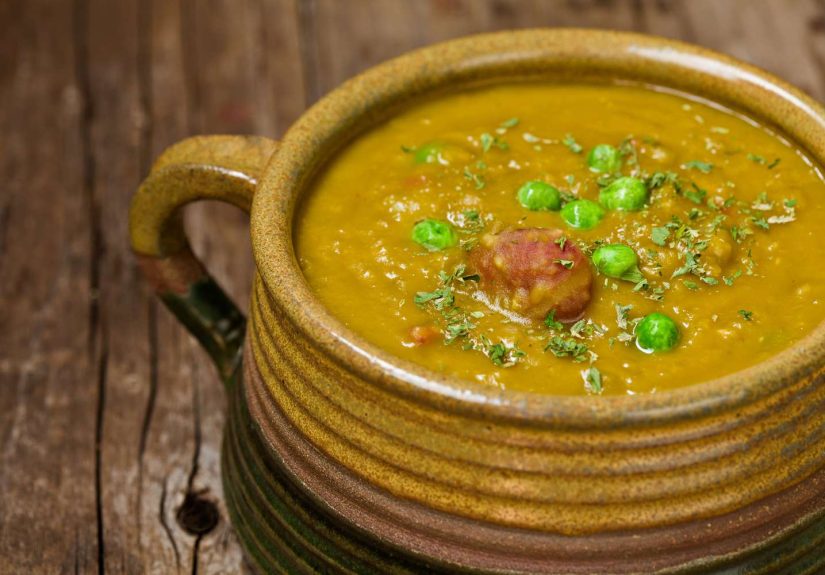
And yes, split pea soup has a reputation problem. Some people hear the words and picture a murky bowl from childhood, served under protest. But modern crockpot split pea soup recipes are a whole different story. When made well, they are savory, hearty, silky, and deeply satisfying. The peas break down into a naturally creamy texture, the vegetables melt into the broth, and a ham bone, smoked turkey leg, or well-seasoned vegetarian base adds serious depth. It is comfort food with common sense.
This guide walks through exactly how to make the best slow cooker split pea soup, how to customize it, which mistakes to avoid, and several recipe variations worth repeating all winter long. If your goal is a meal that is budget-friendly, freezer-friendly, and suspiciously good with a hunk of bread, you are in the right place.
Why Crockpot Split Pea Soup Works So Well
The beauty of crockpot split pea soup recipes is that split peas are already halfway to greatness. Because they are dried peas that have been split, they cook more quickly than many other legumes and naturally thicken the liquid as they soften. Translation: the slow cooker does not just cook the soup; it practically stirs in the creaminess for you.
That is why this soup feels so luxurious without needing actual cream. The peas themselves create the body. Onion, carrot, and celery build the familiar savory backbone. Bay leaf and thyme add classic soup-shop aroma. Then a smoky ingredient, often ham, carries the whole pot across the finish line.
It also happens to be one of the most practical meals you can make. Split peas are inexpensive, filling, and packed with fiber and plant protein, so even one humble pot stretches into multiple generous servings. This is the kind of recipe that rescues leftover holiday ham, revives tired carrots from the crisper drawer, and makes your kitchen smell like someone in the house is suddenly excellent at life.
The Best Ingredients for Slow Cooker Split Pea Soup
1. Split Peas
Green split peas are the classic choice for traditional split pea soup, and they bring the familiar earthy flavor and olive-green color. Yellow split peas work too, especially if you want a slightly milder look and taste. Either way, give them a quick sort and rinse before adding them to the crockpot. No one wants a tiny pebble in their comfort food. That is not rustic. That is betrayal.
2. The Aromatic Trio
Onion, carrot, and celery are the backbone of most great crockpot split pea soup recipes. Together they form that dependable savory base that makes the soup taste complete rather than flat. Dice them fairly small if you want them to practically melt away, or leave them chunkier if you prefer more texture.
3. Smoky Flavor
Ham bone, ham hock, smoked pork shank, diced leftover ham, or even smoked turkey are all excellent options. The bone adds body and depth; leftover ham adds convenience. If you do not eat pork, smoked turkey gives the soup a similarly hearty, savory feel. If you want a vegetarian version, smoked paprika, a little soy sauce, and a good vegetable broth can take you surprisingly far.
4. Herbs and Seasoning
Bay leaf and thyme are classic. Black pepper matters here more than people think. Garlic is optional but welcome. Salt should be added carefully, especially if you are using ham, broth, or bouillon, because the soup will reduce and concentrate as it cooks. It is much easier to add salt at the end than it is to apologize to a pot of soup you have turned into seawater.
5. Liquid
Water works. Broth works better. Chicken broth creates a richer soup, while vegetable broth keeps things lighter and vegetarian-friendly. Start with enough liquid to let the peas swell and soften, but know that split pea soup thickens dramatically as it cooks and even more as it rests.
The Master Crockpot Split Pea Soup Recipe
If you only need one reliable version, start here.
Ingredients
- 1 pound dried split peas, sorted and rinsed
- 1 medium yellow onion, diced
- 3 carrots, diced
- 2 to 3 celery stalks, diced
- 2 to 3 cloves garlic, minced
- 1 meaty ham bone, ham hock, or 1 1/2 to 2 cups diced ham
- 1 bay leaf
- 1 teaspoon dried thyme
- 7 to 8 cups low-sodium chicken broth or water
- Freshly ground black pepper, to taste
- Salt, as needed at the end
Instructions
- Add the split peas, onion, carrots, celery, garlic, ham, bay leaf, thyme, and broth to a 6-quart slow cooker.
- Cover and cook on low for 6 to 8 hours or on high for 4 to 5 hours, until the peas are tender and the soup is thick.
- If using a bone or hock, remove it, shred any meat, and return the meat to the slow cooker. Discard the bone, skin, and excess fat.
- Stir well. If the soup is too thick, add a splash of hot broth or water until it reaches your favorite consistency.
- Taste and season with black pepper and salt only if needed. Remove the bay leaf before serving.
This base recipe is the reason people become suspiciously loyal to slow cooker split pea soup. It is simple, forgiving, and deeply satisfying. It also gets even better after a night in the fridge, which is the soup equivalent of aging into your best self.
4 Delicious Variations to Keep Things Interesting
Classic Ham Bone Crockpot Split Pea Soup
This is the version many people think of first, and for good reason. A leftover holiday ham bone turns the soup rich, smoky, and full of old-school comfort. Add a little diced ham near the beginning for more meat in every bite, then finish with extra black pepper. Serve with buttered toast or cornbread, and suddenly your kitchen feels like it belongs in late November even if it is March.
Leftover Ham and Potato Split Pea Soup
If you want a slightly chunkier, heartier bowl, add 1 to 2 diced potatoes during the last few hours of cooking. The potatoes make the soup feel even more substantial, especially if you are stretching it for a family dinner. This is the “clean out the fridge, but make it charming” version.
Vegetarian Crockpot Split Pea Soup
Skip the ham and use a robust vegetable broth. Add 1 teaspoon smoked paprika, 1 tablespoon soy sauce, and, if you like, a pinch of cumin or crushed red pepper. A chopped potato can add extra body, while a drizzle of olive oil at the end rounds things out nicely. It will not taste exactly like the ham version, and that is fine. It tastes like its own excellent thing.
Yellow Split Pea Soup with Warm Spices
Use yellow split peas instead of green and lean into a slightly different flavor profile. Add garlic, onion, ginger, cumin, turmeric, and a pinch of coriander. Finish with lemon juice at the end to brighten the bowl. This variation is especially good when you want something that still feels cozy but a little less traditional and a little more lively.
Common Mistakes That Can Ruin the Pot
Not Rinsing the Peas
Split peas are low-maintenance, but they are not no-maintenance. Always sort and rinse them before cooking. It takes one minute and prevents gritty surprises.
Adding Too Much Salt Too Early
Ham, broth, and slow-cooking can all concentrate salt. Wait until the end to make major seasoning decisions. Let the soup finish becoming itself before you judge it.
Using Too Little Liquid
Split peas absorb a lot. A soup that starts loose can end thick enough to stand a spoon upright like a tiny flagpole. That is not a disaster, but keep extra hot broth or water nearby for thinning.
Expecting a Brothy Soup
That is not really the personality of split pea soup. This is supposed to be thick, velvety, and substantial. If your bowl looks elegant and translucent, you have wandered into a different genre.
Adding Acid Too Soon
If you want lemon juice, vinegar, or tomatoes, add them near the end. Acidic ingredients can slow softening and leave your peas taking the scenic route to tenderness.
How to Serve Crockpot Split Pea Soup
Good soup deserves good company. Serve crockpot split pea soup recipes with crusty bread, toast rubbed with garlic, warm biscuits, oyster crackers, or a grilled cheese if you are feeling extra committed to comfort. A little chopped parsley on top freshens the bowl. Croutons add texture. A crack of black pepper on top makes the whole thing smell even better.
If you want to turn it into a complete dinner, add a crisp green salad with a bright vinaigrette on the side. That contrast works beautifully against the creamy, earthy soup. The salad says, “balance,” while the soup says, “be honest, you came here for me.”
Storage, Freezing, and Reheating Tips
One of the best things about slow cooker split pea soup is how well it keeps. Once cooked, refrigerate leftovers promptly in shallow containers. The soup is generally best eaten within 3 to 4 days. If you want to keep it longer, freeze portions for up to about 3 months for best quality.
When reheating, the soup will almost always seem thicker than you remember. That is normal. Add a splash of water or broth and stir over low heat until it loosens back into a spoonable consistency. In the microwave, cover loosely and stir between intervals so you do not end up with the infamous “lava edge, cold center” problem.
Why These Crockpot Split Pea Soup Recipes Belong in Your Rotation
The best crockpot split pea soup recipes are not trendy, flashy, or trying to go viral. They are better than that. They are reliable. They save money. They use leftovers intelligently. They make a house smell incredible for hours. They deliver a hearty, nourishing dinner with very little active work, which is exactly the kind of kitchen math most people need more of.
Whether you prefer the classic split pea soup with ham, a smoky vegetarian version, or a yellow split pea twist with warm spices, the formula is flexible enough to fit real life. And that is what makes this kind of recipe so lovable. It adapts. It forgives. It tastes even better tomorrow. Frankly, some people should try being more like split pea soup.
Kitchen Stories and Real-World Crockpot Lessons
Anyone who makes crockpot split pea soup more than once eventually collects a few stories. Not glamorous stories, necessarily. No one is posting dramatic split pea soup montages with cinematic wind machines and violin music. But real stories, the kind attached to weather, leftovers, and weeknights when dinner needs to be both practical and comforting. That is part of this soup’s charm: it tends to show up when people need something dependable.
One of the most common experiences is the surprise factor. Someone says they do not like split pea soup because they remember a bland cafeteria version from years ago, and then they try a homemade crockpot version with a smoky ham bone, sweet carrots, and enough black pepper to wake everything up. Suddenly they are on their second bowl, pretending this was their idea all along. Split pea soup has converted many skeptics one ladle at a time.
Then there is the holiday-leftover phenomenon. After Easter, Thanksgiving, or Christmas, a ham bone sits in the refrigerator like a question waiting to be answered. You could ignore it. You could freeze it and create a future mystery. Or you can turn it into soup. That moment feels deeply satisfying because it transforms leftovers into something that does not feel secondhand. It feels intentional, even a little clever. A soup like this makes you feel thrifty without feeling deprived, which is a rare and lovely trick.
There is also the timing lesson every slow-cooker cook learns sooner or later: split pea soup does not always care about your schedule. Sometimes it thickens faster than expected. Sometimes it needs a little more time. Sometimes you lift the lid and think, “Well, that escalated into pea paste.” The good news is that split pea soup is forgiving. Too thick? Add broth. Too thin? Let it go longer. Not salty enough? Season it. Slightly too salty? Add water, potato, or more peas next time. The soup is not fragile. It wants to work with you.
And perhaps the nicest experience of all is how this soup changes by the next day. Fresh from the crockpot, it is warm, soft, and comforting. After a night in the refrigerator, the flavors meld, the texture settles, and lunch somehow tastes even richer. That second-day bowl, reheated slowly with a splash of broth, is often the moment people decide this recipe deserves permanent status in their kitchen. It is not just dinner anymore. It is part of the routine.
That, in the end, is why crockpot split pea soup recipes last. They are not built for novelty. They are built for repeat use. For cold Sundays, budget weeks, post-holiday leftovers, and ordinary Tuesdays when you want dinner to already be handled. They remind us that good food does not have to be flashy to be memorable. Sometimes a pot of humble green soup quietly wins the week.