Table of Contents >> Show >> Hide
- Who Is David Samuel Ko?
- The Design Journey: From “Out of Necessity” to On Purpose
- What Makes His Work Stand Out: Fashion Brain in an Interiors World
- Signature Moves: Color, Texture, and “Energy” That Feels Right
- Career Highlights: Projects That Put Maison Ko on the Map
- The Top Trend He Hates: Bouclé (Yes, Really)
- Design Lessons You Can Steal (Politely) From Ko’s Approach
- What His Rising Profile Says About Where Design Is Going
- Conclusion: A Designer Who’s Not Afraid to Evolve (or Call a Trend Out)
- Bonus: of Real-World “Experience” Inspired by Ko’s Journey
- Experience #1: The “Accidental Career” moment
- Experience #2: The first client who changes everything
- Experience #3: Trend fatigue hits… and you realize you’re bored
- Experience #4: The emotional side of space (feng shui without the rulebook)
- Experience #5: Designing for longevity (especially in family spaces)
If interior design had a “main character energy” category, David Samuel Ko would be right up therequietly, of course,
because the spaces do the talking. He’s the founder of Maison Ko, a Los Angeles–based studio known for blending fashion
instincts with interior architecture and experiential moments. And while plenty of designers can make a room look good on
camera, Ko’s signature is making it feel good in real life: balanced, intentional, and a little bit cool without trying too hard.
His path wasn’t the classic “I’ve been sketching floor plans since preschool” storyline. It was more like: a post-college job
search, an unexpected opportunity, and a realization that the thing he’d always been doingcurating, styling, obsessing over
detailswasn’t just a personality trait. It was a career. Along the way, he built a reputation for spaces that mix softness with
structure and polish with play. He also has one very relatable opinion: there’s a trend he’s officially tired of. (We’ll get there.)
Who Is David Samuel Ko?
David Samuel Ko is a Chinese American interior designer based in Los Angeles. He was born in San Jose and raised in Gilroy,
Californiaan upbringing that gave him a love of Northern California’s slower pace and natural beauty, plus a strong connection
to cultural traditions that still show up in his work today. He leads Maison Ko, a full-service interior design firm that aims to blur
the lines between interiors and fashionan approach that feels especially “now,” but also oddly timeless when done with restraint.
Maison Ko, explained in plain English
Maison Ko designs residential and commercial spaces across a range of budgets and scopes, with a point of view that’s
approachable rather than precious. Translation: you don’t have to live like a museum to live well. The studio’s work includes
private homes as well as brand experiences and public-facing spaces, where the goal isn’t just “pretty,” but “memorable.”
The Design Journey: From “Out of Necessity” to On Purpose
Ko has been candid that design wasn’t an obvious career path he saw modeled while growing up. In fact, he’s said his entry into
the industry came “out of necessity” after college, when he struggled to find a job and took a design assistant role through a friend’s
referral. Once inside a design firm, he realized he’d always had the instincts: he was into fashion, styling, event planning, and
making sure his own roomsdorms includedfelt just right.
That origin story matters, because it explains why Ko’s work often reads as practical luxury. He didn’t arrive through a single,
straight pipeline. He arrived through taste, hustle, and learning on the job. That combination tends to produce designers who care
about the client experience, not just the portfolio.
The early skill stack that shaped his style
Before Maison Ko became “a thing,” Ko’s creative life already had a theme: curation. He’s talked about decorating early,
experimenting with photography and styling shoots, and working in fashion PR after earning a Public Relations & Advertising degree
from Chapman University. That PR background shows up in his ability to tell a coherent story through a spaceespecially in brand
activations where a room has to communicate a vibe instantly.
What Makes His Work Stand Out: Fashion Brain in an Interiors World
One of the most consistent through-lines in coverage of Ko is how naturally he moves between fashion and interiors. Maison Ko’s
stated mission is to blur that line, and his process reflects it. In design-industry features, Ko has described being drawn to unique
textures and materialsand even catching himself while sourcing: “Would I wear that?” That question isn’t superficial. It’s a test:
does the material have identity, movement, and attitude? Or is it just… there?
In his own home, that sensibility shows up as a minimalist base with carefully chosen statement piecesobjects that feel collected
rather than “set-dressed.” He’s described taking a collector’s approach, waiting for the right piece instead of filling space quickly.
This is one of the most underrated design skills: patience. It’s also one of the rarest, because empty space makes people nervous.
Ko uses it like punctuation.
Aesthetic influences: 70s, Japanese, and European references
Ko has pointed to the 1970s, Japanese design, and European influencesespecially French and Italianas core inspirations. He’s also
a fan of mid-century design as a foundation, because it plays well with other styles. That’s a useful lesson for anyone decorating:
if your base language is clear, you can borrow accents from everywhere without sounding chaotic.
Signature Moves: Color, Texture, and “Energy” That Feels Right
1) Color, even when the palette is neutral
Ko has said he loves a neutral palette, but tries to incorporate color and personality in every spacesometimes through accessories,
sometimes through textures, patterns, and materials. The point isn’t contrast for contrast’s sake. It’s integration: color should blend
with the room’s story, not interrupt it like an uninvited guest who brought a karaoke machine.
2) Texture with intention (not just because it’s trending)
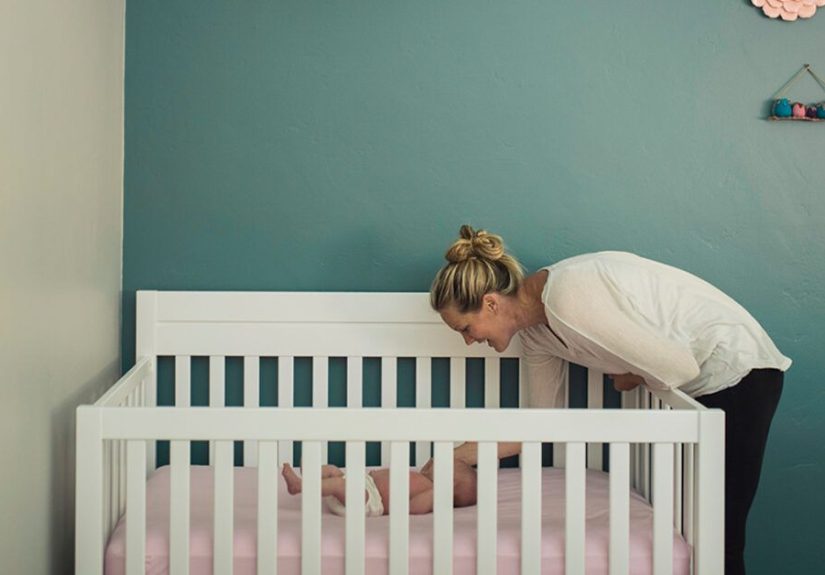
Texture is where Ko’s fashion brain really shows. In a Business of Home feature focused on a kid-friendly project, he built a
scheme that balanced playful and refinedmixing tactile materials, warm finishes, and patterns that feel youthful without being
babyish. His stated goal: create a room that can grow up without needing a total identity crisis remodel every two years.
3) Feng shui, not as a rulebookmore like a compass
Ko has shared that feng shui was a big part of his upbringing, and while he doesn’t treat it as a strict checklist, he keeps certain
principles in mind. He’s talked about the “energy” of a space and the importance of creating an environment that feels inviting and
safebalanced and harmonious. Even if you don’t study feng shui formally, most people understand this instinctively: some rooms
feel calming, others feel tense, and it’s not always about the furniture.
Career Highlights: Projects That Put Maison Ko on the Map
The project that stuck: Gigi C’s Office & Showroom at The Grove
When asked about a project that stayed with him, Ko has pointed to the Gigi C office and showroom at The Grove. It was his first
major commercial renovationsignificant not only for scale, but for visibility. The showroom reportedly took over the old Barneys
New York space, which adds a layer of “iconic pressure” to any design decision. He’s noted that commercial work can be especially
rewarding because you get to watch strangers interact with your spacesomething residential designers rarely see.
Residential credibility: working with recognizable clients
Ko’s name also appears in coverage of celebrity and high-profile residential work. Architectural media has referenced him as part of
the team involved in Hilary Duff’s Los Angeles home updates, alongside other designers. And design profiles frequently position him
as a fast-rising talent with a growing client listproof that his “fashion-meets-interiors” voice isn’t just a niche; it’s a demand.
Experiential and brand work: where storytelling becomes the job
In industry recognition lists, Ko has been credited with immersive brand experiences for beauty and lifestyle names. That kind of work
requires a specific skill set: you’re designing for a camera, for foot traffic, for product interaction, and for feelingall at once. It’s
basically interior design, stage design, and brand strategy sharing one espresso and agreeing not to fight in public.
The Top Trend He Hates: Bouclé (Yes, Really)
Here it isthe headline moment. When asked what design trend he’s tired of, Ko’s answer was blunt: bouclé.
Now, to be fair, bouclé had a strong run. It brought softness, sculptural silhouettes, and a cozy-modern vibe that photographed like a
dream. But trends can become victims of their own success. Once a material is everywherechairs, ottomans, headboards, and
somehow even things that should never be boucléit stops feeling special and starts feeling like the design equivalent of the same
pop song playing in every store at the mall.
Why bouclé fatigue happens (and what to do instead)
Ko didn’t publish a manifesto against bouclé (and honestly, that would be a weird way to spend a weekend). But in general, designers
tend to tire of hyper-saturated looks for a few predictable reasons:
- Overexposure: When something becomes default, it loses personality.
- Copy-paste rooms: The same bouclé chair in the same “neutral organic modern” setup can flatten individuality.
- Practicality: Textured fabrics can be harder to keep looking fresh in real life, especially in high-use areas.
If you love texture but want to avoid the bouclé cliché, consider alternatives that still feel tactile: mohair, performance velvet,
tightly woven tweeds, textured linens, or even mixed-material pieces where the texture shows up in smaller doses.
Design Lessons You Can Steal (Politely) From Ko’s Approach
1) Treat your home like a wardrobe: build a strong base, then add “statement pieces”
Ko’s fashion-informed approach translates beautifully into everyday decorating. Start with a base that works with your lifecomfortable
seating, durable rugs, lighting that makes you look alive on video callsthen layer in pieces with personality. The goal is not to buy
“decor.” The goal is to collect things you actually like.
2) Prioritize feeling over performance
A room can be technically perfect and still feel wrong. Ko’s emphasis on harmony, energy, and comfort is a reminder to check in with
how a space functions emotionally. Does it feel safe? Inviting? Like you can exhale? If not, you might not need new furnitureyou
might need better lighting, softer textures, or a layout that stops making you dodge corners like you’re in a low-budget action movie.
3) Make color personal, not performative
Ko’s viewpoint on color is useful: it doesn’t have to be loud to be meaningful. Color can show up as a warm wood tone, a soft painted
built-in, a patterned textile, or art that anchors the room. When color feels integrated, it looks intentionaleven if the shade is
unexpected.
What His Rising Profile Says About Where Design Is Going
Ko’s career arc lines up with a bigger shift in American interior design: the move away from rigid “rules” and toward cross-pollination.
Interiors are borrowing from fashion, hospitality, and brand storytelling. People don’t just want a living room; they want a mood.
They don’t just want a kitchen; they want a place that feels like their life is finally organized (even if the junk drawer says otherwise).
In that landscape, Ko’s strengthscuration, adaptability, and an eye for materialsmake sense. He’s also been recognized by industry
outlets for bridging residential design with experiential storytelling, which is increasingly where the market is headed.
Conclusion: A Designer Who’s Not Afraid to Evolve (or Call a Trend Out)
David Samuel Ko’s story is a reminder that design careers don’t have to start with a perfect plan. Sometimes they start with a job you
take to pay rentand the realization that you’ve been practicing your craft all along. His work with Maison Ko blends fashion-forward
sensibility with livable warmth, cultural grounding with modern polish, and a collector’s patience with a creative director’s clarity.
And yes, he’s tired of bouclé. Not because comfort is bad, but because design is supposed to feel personal. When a look becomes a
uniform, it stops being style and starts being noise. Ko’s best takeaway is simple: build spaces that reflect you, not your algorithm.
Bonus: of Real-World “Experience” Inspired by Ko’s Journey
The most interesting part of Ko’s journey isn’t just the before-and-after photosit’s the lived experience that sits behind the work.
Here are five real-world scenarios (the kind designers and clients run into constantly) that echo the themes in his story, and how you
can use them to make smarter, more personal design decisions.
Experience #1: The “Accidental Career” moment
Many creative careers begin the way Ko described his: not with a grand plan, but with an opening that someone else notices you’re
suited for. A friend says, “You should do this,” and suddenly you’re in the room where the work happens. The lesson is to pay
attention to what feels natural once you’re inside. If you keep volunteering to fix layouts, pick finishes, or refine the “vibe,” that’s
not procrastinationit’s signal. In your own life, treat the things people consistently ask you for help with (styling, organizing,
hosting, curating) as clues. Skills repeat because they’re real.
Experience #2: The first client who changes everything
Ko has talked about early clients reaching out and sparking the idea of building something of his own. That’s a common turning point:
the first time someone trusts your taste enough to pay for it. If you’re decorating your own space, mimic that pressure in a good way:
write a one-paragraph “client brief” for yourself. Who lives here? What do you actually do in this room? What annoys you daily?
What do you want to feel? When you treat yourself like a client, you stop buying random stuff and start building a plan.
Experience #3: Trend fatigue hits… and you realize you’re bored
Ko naming bouclé as a trend he’s tired of mirrors what happens to regular homeowners, too. One day you love a look; the next day you
see it everywhere and it feels less like taste and more like group chat peer pressure. When this happens, don’t panic-replace.
Instead, “edit” first: remove one or two highly trend-coded items, swap in art or lighting with stronger identity, and add texture in a
less obvious way. The goal isn’t to be anti-trend; it’s to be pro-you. Trends are tools, not personalities.
Experience #4: The emotional side of space (feng shui without the rulebook)
Even people who never read a feng shui book understand energy. You walk into one room and feel calm; another room and you feel
restless. Often it’s simple: harsh overhead lighting, clutter chokepoints, or furniture that blocks natural flow. Try an “energy audit”:
walk through your room like a guest carrying a drink. Where do you bump? Where do you hesitate? Where do you want to sit?
Adjust for ease. Add warm, layered lighting. Clear one surface completely. The room won’t just look betterit’ll feel kinder.
Experience #5: Designing for longevity (especially in family spaces)
Ko’s kid-friendly work shows a modern reality: people want rooms that can grow up. That means choosing patterns that feel playful
without being theme-park literal, picking materials that can survive life, and using color in a way that doesn’t lock you into a single
era. If you’re designing a nursery, bedroom, or any high-use space, prioritize flexible anchors (rug, lighting, storage), then let the
“fun” live in swap-friendly layers (pillows, art, textiles). That way, evolution costs you a weekendnot a renovation.