Table of Contents >> Show >> Hide
- First: What Jaundice Really Means (and Why Diet Helps)
- Don’t “Diet” Away Warning Signs
- The “Liver-Friendly” Eating Principles for Jaundice
- Foods to Eat With Jaundice
- Foods to Avoid With Jaundice (or Limit Hard)
- How to Build Meals When Appetite Is Low
- Sample 1-Day Meal Plan (Gentle and Liver-Friendly)
- “Jaundice-Friendly” Grocery List
- Adjustments for Common Jaundice Scenarios
- Bottom Line: Your Plate Should Support Treatment, Not Replace It
- Real-World Experiences: What People Often Notice (and What Actually Helps)
When you hear the word jaundice, you probably picture that yellow tint in the skin or the whites of the eyesand yes, it’s as much of a “pay attention to me” signal as it looks.
Jaundice happens when bilirubin (a yellow pigment your body makes when it breaks down old red blood cells) builds up faster than your liver and bile ducts can process and move it out.
Your food choices can’t “cure” jaundice by themselves (because the cause matters), but the right diet can reduce strain on your liver, support hydration, and make it easier to get enough nutrition while your body recovers.
This guide breaks down foods to eat, foods to avoid, and practical meal ideasplus a longer “real-world experience” section at the end to help you make this doable in everyday life.
First: What Jaundice Really Means (and Why Diet Helps)
Jaundice isn’t a standalone diagnosisit’s a symptom. In adults, it can be tied to liver inflammation (like hepatitis), alcohol-related liver injury, medication effects, blocked bile ducts (for example, gallstones), or blood-related causes that increase red blood cell breakdown.
In newborns, it’s often temporary because their livers are still learning the job.
Think of your liver as your body’s busiest kitchen: it processes nutrients, helps manage fats, and filters substances you don’t want hanging around.
When bilirubin is high, your goal is to support liver function, avoid anything that adds extra workload (hello, alcohol and greasy food), and keep nutrition steadybecause “I’ll just skip meals” is rarely a winning strategy when your body is already stressed.
Don’t “Diet” Away Warning Signs
Because jaundice can signal something serious, don’t treat food as a substitute for medical care. Get medical help quickly if you have jaundice plus:
- Severe abdominal pain, fever, confusion, fainting, or uncontrolled vomiting
- Very dark urine and pale/clay-colored stools
- Rapid worsening yellowing, extreme fatigue, or easy bruising/bleeding
- Newborn jaundice that spreads, worsens, or comes with poor feeding or unusual sleepiness
The “Liver-Friendly” Eating Principles for Jaundice
There isn’t one perfect “jaundice diet” for every cause, but most liver-supportive plans share these core principles:
- Hydrate steadily (especially if nausea or low appetite is an issue).
- Choose easy-to-digest, nutrient-dense foods so you can meet your needs even in smaller portions.
- Prioritize plants and fiber (fruits, vegetables, whole grains, beans) to support overall metabolic health.
- Use lean protein to help maintain muscle and support healing.
- Limit added sugar and highly processed foods that can add metabolic stress.
- Go lighter on fat if you have bile flow problems (cholestasis/blocked ducts) or greasy foods worsen symptoms.
One more reality check: if the underlying cause is a bile duct blockage, viral hepatitis, medication injury, or alcohol-related liver disease,
your provider’s treatment plan is the main event. Diet is your supportive best friendhelpful, loyal, not the lead actor.
Foods to Eat With Jaundice
Aim for foods that are gentle, hydrating, and packed with nutrientswithout requiring your liver to bench-press a cheeseburger.
1) Fluids and Hydrating Foods
Dehydration can make fatigue and nausea feel worse, and it can also make it harder to eat enough.
Sip throughout the day if big glasses feel impossible.
- Water (plain, infused with lemon/cucumber, or sparkling if that’s easier)
- Broth-based soups (chicken, vegetable, misogo easy on salt if swelling is an issue)
- Oral rehydration drinks if you’re losing fluids (ask a clinician if you have restrictions)
- Water-rich foods: watermelon, oranges, grapes, cucumbers, soups, smoothies
2) Fruits and Vegetables (Your Antioxidant “Support Crew”)
Fruits and vegetables provide fiber, vitamins, and plant compounds that support general health while your liver is under pressure.
If raw veggies feel rough on your stomach, cook themyour liver won’t grade you on crunchiness.
- Leafy greens: spinach, kale, collards (steamed if needed)
- Cruciferous vegetables: broccoli, cauliflower, Brussels sprouts
- Orange/red produce: carrots, sweet potatoes, bell peppers
- Fruits: berries, apples, bananas, citrus, pears
3) Whole Grains and Gentle Carbs
When you’re tired or nauseated, carbs can be the easiest calories to tolerate. Choose higher-fiber options when you can.
- Oatmeal, whole-grain toast, brown rice, quinoa
- Potatoes and sweet potatoes (baked/boiled rather than fried)
- If symptoms are strong: plain rice, crackers, bananas, applesauce (temporary “bland mode” foods)
4) Lean Protein (Small Portions Count)
Protein helps you maintain strengthespecially if you’ve been eating less.
If heavy meat feels unappealing, go with smaller portions more often.
- Skinless poultry, fish, tofu, beans, lentils
- Egg whites (or whole eggs in modest portions if fat tolerance is okay)
- Low-fat Greek yogurt or cottage cheese (if tolerated)
5) Healthy Fats (But Keep It Reasonable)
Fat isn’t “bad,” but when bile flow is impaired, high-fat meals can worsen nausea, bloating, or greasy stools.
Use small amounts and pick unsaturated fats.
- Olive oil (light drizzle, not a deep-sea dive)
- Avocado (a few slices)
- Nuts/seeds in small portions (especially if appetite is low)
Foods to Avoid With Jaundice (or Limit Hard)
These foods and substances can add stress to the liver, worsen inflammation, or increase infection risksespecially in people with liver disease.
| Limit/Avoid | Why It Matters |
|---|---|
| Alcohol | Alcohol is directly toxic to liver cells and can worsen many causes of jaundice. If jaundice is present, alcohol is a “no.” |
| Fried and greasy foods | High-fat meals can be harder to digest and may worsen symptoms when bile flow is impaired. |
| Processed meats (bacon, sausage, hot dogs) | Often high in saturated fat and sodiummore metabolic stress, less nutrient value. |
| Added sugar and sugary drinks | High sugar intake can worsen metabolic strain; sugary drinks are an easy way to overdo it without feeling full. |
| Ultra-processed snacks (chips, pastries, packaged sweets) | Often heavy in sugar, refined carbs, and unhealthy fats with little fiber. |
| High-sodium foods | If liver function is affected, sodium can contribute to fluid retention in some people. (Ask your clinician if you need restriction.) |
| Raw/undercooked shellfish and unpasteurized dairy | In liver disease, infections can be more severe. Fully cooked and pasteurized is safer. |
| “Detox” supplements and megadose vitamins | Some supplements are linked to liver injury; “natural” doesn’t mean “liver-safe.” |
A Note on Supplements (Because This Is Where People Get Tricked)
If you currently have jaundice, be extremely cautious with supplementsespecially multi-ingredient “detox,” fat-burner, or “metabolism booster” products.
Some herbal products and concentrated extracts have been linked to liver injury.
If you take any supplements (even “just vitamins”), it’s smart to review them with a clinician or pharmacist while bilirubin is high.
How to Build Meals When Appetite Is Low
Many people with jaundice feel tired, slightly nauseated, or simply “not hungry.”
When that happens, the goal shifts from “perfect meals” to “consistent fuel.”
Try these tactics:
- Small meals every 3–4 hours instead of two big meals.
- Choose soft textures (soups, oatmeal, yogurt, smoothies) if chewing feels like work.
- Pair carbs + protein for steadier energy (toast + yogurt, rice + beans).
- Keep a “backup snack” list for low-energy moments.
Quick “Backup Snack” Ideas
- Banana + low-fat Greek yogurt
- Oatmeal with berries
- Applesauce + a small handful of nuts
- Whole-grain toast + hummus
- Soup + crackers
Sample 1-Day Meal Plan (Gentle and Liver-Friendly)
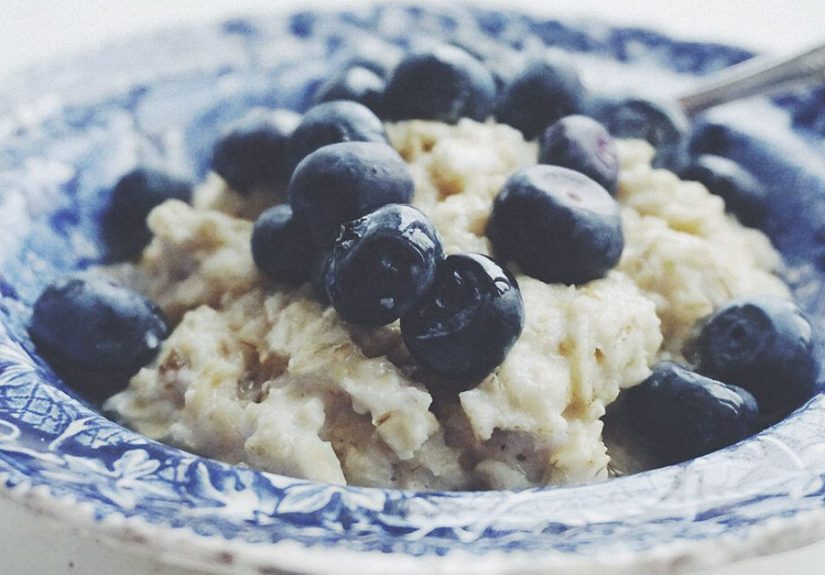
Breakfast: Oatmeal cooked with milk (or soy milk), topped with blueberries and a spoon of chia seeds.
Mid-morning: Banana + low-fat yogurt (or a smoothie if chewing is a no-go).
Lunch: Chicken-and-vegetable soup + whole-grain toast; add a side of steamed carrots.
Afternoon: Hummus with soft pita or crackers; sip water or herbal tea.
Dinner: Baked salmon (or tofu) + brown rice + sautéed spinach with a small drizzle of olive oil.
Evening (if needed): Applesauce or a small bowl of cereal with milk.
“Jaundice-Friendly” Grocery List
- Produce: spinach, broccoli, carrots, sweet potatoes, berries, apples, bananas, oranges
- Proteins: chicken breast, fish, tofu, beans, lentils, eggs/egg whites, low-fat yogurt
- Grains: oats, brown rice, quinoa, whole-grain bread
- Pantry helpers: low-sodium broth, hummus, olive oil, herbs/spices (ginger can help nausea)
Adjustments for Common Jaundice Scenarios
If bile flow is reduced (cholestasis or bile duct blockage)
Fatty meals may worsen nausea or digestive symptoms. A clinician may recommend a lower-fat approach for symptom control until the cause is treated.
Don’t go ultra-low-fat without guidanceyour body still needs calories.
If jaundice is tied to alcohol-related liver injury
Alcohol is off the table. The nutrition focus is steady calories, protein, and micronutrients.
If appetite is poor, nutrient-dense liquids (like smoothies) can help.
If jaundice is in a newborn
Newborn jaundice is common and often resolves as the liver matures. Feeding plans (breast milk or formula) should be guided by a pediatric clinician.
If parents are concerned about yellowing or feeding, it’s worth calling the baby’s provider right away.
Bottom Line: Your Plate Should Support Treatment, Not Replace It
The best diet for jaundice is one that helps you stay hydrated, eat consistently, and avoid liver stressors.
Focus on fruits and vegetables, whole grains, and lean proteins; limit fried foods, processed snacks, added sugar, and alcohol.
And if you’re tempted by a “7-day liver cleanse,” remember: your liver already has a full-time job. It doesn’t need a side hustle.
Real-World Experiences: What People Often Notice (and What Actually Helps)
Let’s talk about the part most people don’t mention until you’re living it: jaundice can feel weirdly out of proportion to how “sick” you think you are.
Some people feel only mildly off but look noticeably yellow; others feel exhausted, nauseated, itchy, or foggy.
The diet changes that work best usually aren’t dramaticthey’re the small, consistent choices that keep you steady while your body sorts out the underlying problem.
Experience #1: Appetite disappears, but you still need fuel.
A common complaint is, “I know I should eat… but food is giving me the ick.”
This is where small meals become a superpower. People often do better with soup, oatmeal, yogurt, rice, bananas, and smoothiesfoods that don’t smell intensely or feel heavy.
Some find that cold foods (like a chilled smoothie) are easier to tolerate than hot meals with strong aromas.
If you’re struggling, the goal becomes “something every few hours,” not a perfect breakfast/lunch/dinner routine.
Experience #2: Greasy food suddenly feels like a prank.
Many people notice that fried foods or creamy, high-fat meals make them feel worsemore nausea, bloating, or stomach discomfort.
This can be especially true when bile flow is impaired.
In real life, people often shift to baked, boiled, or steamed foods and use small amounts of oil instead of cooking everything in a puddle of butter.
The funny part? After a couple of weeks, taste buds adjust, and the “old normal” can start to feel overly heavy.
Experience #3: Fatigue changes the whole cooking equation.
When you’re tired, cooking becomes an extreme sport.
People commonly rely on “assembly meals”things you can put together with minimal effort:
microwave brown rice + beans, yogurt + fruit, toast + hummus, pre-cut veggies + rotisserie chicken (skin removed), or soup with crackers.
The practical win is keeping a few easy options in the house so you’re not forced into fast food when your energy hits zero.
Experience #4: People try “detox” tricksand often regret it.
It’s very common to search the internet, see the word “liver,” and get hit with ads for cleanses, teas, and supplements.
In real life, many people learn the hard way that “natural” doesn’t always mean “safe,” especially when the liver is already under stress.
If jaundice is present, the safer move is to pause non-essential supplements and review them with a professional.
Your liver doesn’t need a mystery powder with 17 ingredients and a label that reads like a fantasy novel.
Experience #5: Social situations get awkwardespecially around alcohol.
If you’re in a culture or friend group where drinking is normal, not drinking can feel like you’re breaking a rule.
People often say it helps to have a simple script ready: “My doctor said no alcohol for now.”
No explanation, no debate. If someone argues, that’s their hobbydon’t adopt it.
Ordering sparkling water with citrus can also reduce the “why aren’t you drinking?” spotlight.
Experience #6: The best plan is the one you can repeat.
The most successful approach tends to be boring in the best way: hydration, balanced meals, lighter cooking methods, less added sugar, and zero alcohol.
People often report feeling better when they stop skipping meals and instead aim for steady intakeeven if portions are small.
If you want a simple habit that pays off, try this: every time you eat a carb (rice, toast, cereal), add a protein (yogurt, beans, fish, tofu).
It stabilizes energy and makes “snacking” more like “strategic refueling.”
And finally: be patient with yourself. Jaundice can be physically and emotionally draining.
If your energy is low, your meals don’t have to be Pinterest-worthy. They just have to help you get through the day while you and your healthcare team address what’s causing the bilirubin to rise.