Table of Contents >> Show >> Hide
- The Short Answer
- Why Your Zone Matters So Much
- The 3 Main Hibiscus Types Gardeners Grow
- Zone-by-Zone Guide: Will Hibiscus Come Back Where You Live?
- How to Tell if Your Hibiscus Is Coming Back
- How to Help Hibiscus Return Next Year
- Common Reasons Hibiscus Does Not Come Back
- So, Does Hibiscus Come Back Every Year?
- Garden Experiences by Zone: What Growing Hibiscus Really Feels Like
If hibiscus had a dating profile, it would absolutely say, “It’s complicated.” One hibiscus comes back like a loyal golden retriever. Another acts tropical, dramatic, and personally offended by frost. A third is technically a shrub and shows up late every spring like it forgot the calendar. So, does hibiscus come back every year? The honest answer is yes, no, and “only if you bought the right one for your USDA zone.”
That sounds annoyingly vague, but it is the real story. The word hibiscus covers several very different plants, and your winter temperatures decide whether yours returns next year, dies to the ground and rebounds from the roots, or turns into compost with a sad little flourish. Once you know which type you have and which zone you garden in, the mystery disappears.
This guide breaks down the three hibiscus groups most home gardeners grow, explains what “comes back” really means in each case, and gives you a practical zone-by-zone way to predict what will happen in your yard. Because nobody wants to stare at a bare spot in May wondering whether their hibiscus is dead or just being a diva.
The Short Answer
Hibiscus can come back every year, but it depends on the variety and your zone.
- Tropical hibiscus usually comes back outdoors only in warm climates, typically USDA Zones 9 to 11.
- Hardy hibiscus, often called rose mallow or perennial hibiscus, comes back in much colder regions and is often hardy in Zones 4 or 5 through 9.
- Rose of Sharon, another hibiscus relative gardeners love, is a woody shrub that typically returns in Zones 5 to 9.
So if your hibiscus did not come back, that does not automatically mean you are bad at gardening. It may simply mean you planted a tropical hibiscus in a place where winter had other plans.
Why Your Zone Matters So Much
Your USDA Plant Hardiness Zone tells you the average annual extreme minimum winter temperature for your area. In plain English, it helps predict how much cold your plant can survive. And hibiscus care gets a whole lot easier once you stop thinking only in terms of “sun or shade” and start thinking, “Can this thing handle my January?”
For hibiscus, winter cold is the make-or-break factor. A plant that is perfectly happy in coastal South Carolina or South Florida may collapse in a Zone 6 backyard after one hard freeze. Meanwhile, a hardy hibiscus bred for colder climates may die all the way back to the ground in fall and still return next summer like nothing happened.
That is why gardeners can have wildly different experiences with the “same” plant. One person says, “Mine blooms nearly all year.” Another says, “Mine lasted until the first frost and then exited the chat.” Both can be right.
The 3 Main Hibiscus Types Gardeners Grow
1. Tropical Hibiscus
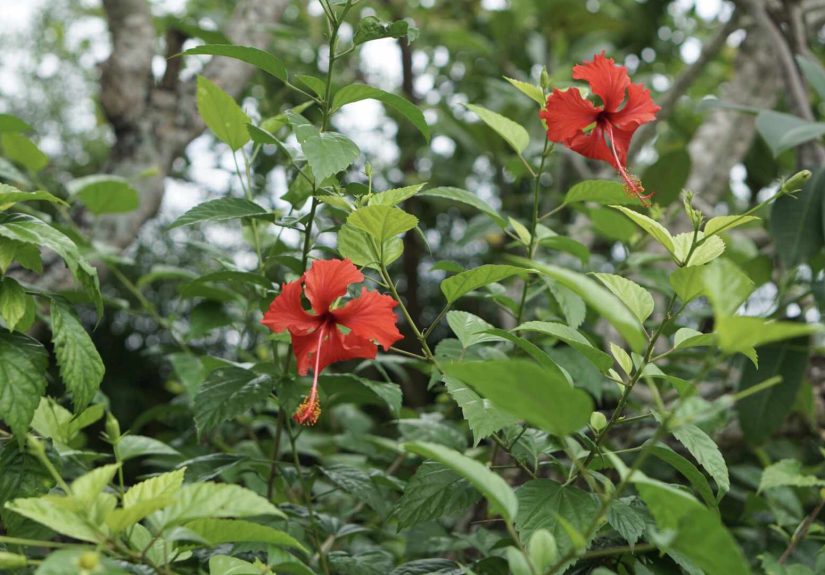
Tropical hibiscus is the classic garden-center beauty with glossy leaves and outrageously colorful flowers in red, orange, peach, pink, yellow, and bi-color shades. This is the hibiscus most people picture when they think “vacation in flower form.”
But tropical hibiscus is not built for real winter. In warm regions, it may stay evergreen or semi-evergreen and bloom for a very long season. In cooler zones, it is usually grown as a patio plant, annual, or houseplant for winter carryover.
Best rule of thumb: If you live in Zones 9 to 11, tropical hibiscus may come back outdoors every year. In Zones 8 and colder, treat it as a container plant unless you enjoy taking expensive risks.
Even in borderline areas, tropical hibiscus can sulk when temperatures dip. Cool nights, cold snaps, and frost can cause leaf drop, stem damage, or full top growth loss. In other words, tropical hibiscus is beautiful, but it is not what anyone would call emotionally available in winter.
2. Hardy Hibiscus or Rose Mallow
Hardy hibiscus is the comeback kid. This group includes Hibiscus moscheutos and many hybrids bred from native North American species. These plants produce huge dinner-plate-style flowers and can survive much colder winters than tropical types.
This is the hibiscus gardeners in colder states usually want if they are hoping for a perennial. Hardy hibiscus often grows in Zones 4 or 5 through 9, depending on the species or cultivar. It dies back in fall, sleeps through winter, and returns from the crown and roots in spring.
The catch? It emerges late. Very late. Like “every other perennial is already up and this one is still pretending to be mulch” late. Many gardeners dig it up by accident because they assume it is dead. Patience matters here.
If your hardy hibiscus looked dead in April or even May, that may be perfectly normal. It often waits for the soil to warm before sending up new growth, then grows fast once it gets going.
3. Rose of Sharon
Rose of Sharon is also a hibiscus, but it behaves more like a woody flowering shrub than a tropical showpiece or herbaceous perennial. It is often hardy in Zones 5 to 9 and can grow into a large shrub with blooms that appear from summer into early fall.
This plant usually survives winter just fine in the right zone, but it also has a reputation for leafing out late in spring. Gardeners regularly panic and assume it is dead when it is simply not in a hurry. Rose of Sharon likes to make an entrance, not a timely arrival.
If you want a hibiscus that returns as a shrub rather than dying back to the ground, this is the one to consider.
Zone-by-Zone Guide: Will Hibiscus Come Back Where You Live?
Zones 3 to 4
In these colder zones, tropical hibiscus will not reliably survive outdoors. If you want it again next year, grow it in a pot and bring it indoors before cold weather arrives.
Hardy hibiscus is your best bet for a hibiscus that comes back every year. Choose cultivars or species listed for Zone 4 or colder tolerance. Mulch helps, but the biggest factor is still choosing the right plant to begin with.
Rose of Sharon may be risky in colder Zone 4 locations but can work better in protected microclimates if the cultivar is appropriately rated. Read the label carefully and do not assume all varieties behave the same.
Zones 5 to 6
This is excellent territory for hardy hibiscus and generally good territory for Rose of Sharon. Both can return year after year with normal care. Just do not expect either one to leap into spring action early.
Tropical hibiscus should still be treated as a container or seasonal plant. Move it indoors in fall if you want to keep it.
Zones 7 to 8
These zones are where gardeners start getting mixed hibiscus results. Hardy hibiscus is still a dependable perennial. Rose of Sharon is usually very comfortable here. Tropical hibiscus may survive in the warmest protected spots of Zone 8, especially in coastal or urban microclimates, but it is still not a sure thing.
If you are in Zone 8 and want tropical hibiscus long-term, containers are still the safer move. Think of in-ground planting as adventurous gardening, not guaranteed gardening.
Zones 9 to 11
Welcome to the land where tropical hibiscus can often stay outdoors and come back every year. In these zones, tropical hibiscus is usually the star of the show. Rose of Sharon and some other hibiscus relatives can also do well, though not every warm-climate gardener chooses them.
Hardy hibiscus also grows in many Zone 9 gardens, though heat, moisture, and site conditions affect performance. In warm climates, the conversation shifts from “Will it survive winter?” to “Will it get enough moisture and not fry in a dry, punishing site?”
How to Tell if Your Hibiscus Is Coming Back
If your hibiscus is not showing signs of life yet, do not panic-prune it into oblivion. Start with these checks:
- Know the type. Tropical hibiscus and hardy hibiscus follow very different rules.
- Wait longer in spring. Hardy hibiscus and Rose of Sharon both emerge late.
- Scratch the stem. On woody types like Rose of Sharon, green tissue under the bark often means the branch is alive.
- Check the base. Hardy hibiscus often sends up new shoots from the crown rather than old stems.
- Review your winter lows. If your zone dropped well below what the plant can tolerate, survival odds shrink fast.
Many gardeners give up too early. Hibiscus is one of those plants that can make you look foolish in spring and delighted in July.
How to Help Hibiscus Return Next Year
For Tropical Hibiscus
- Grow it in a container if you live below Zone 9.
- Bring it indoors before cold nights become routine.
- Give it bright light inside and avoid overwatering in winter.
- Move it back outside gradually in spring so it does not get shocked.
For Hardy Hibiscus
- Plant it in full sun.
- Give it consistent moisture, especially in summer.
- Do not panic when it dies back in fall.
- Cut back old stems in late winter or early spring.
- Mark the planting spot so you do not dig into it before it re-emerges.
For Rose of Sharon
- Choose a cultivar rated for your zone.
- Plant it in sun and well-drained soil.
- Be patient in spring; it leafs out late.
- Prune with intention, since it blooms on new growth.
Common Reasons Hibiscus Does Not Come Back
When hibiscus fails, the culprit is usually one of these:
- The wrong type for the zone
- Container roots freezing solid over winter
- Poor drainage and winter root rot
- Planting too late in the season for roots to establish
- Assuming a late-emerging plant is dead and removing it too early
The container issue is especially sneaky. A plant that is technically hardy in your zone may be less hardy in a pot because roots are more exposed to cold. That is why gardeners sometimes lose a “hardy” hibiscus in a container while the same plant would likely survive in the ground.
So, Does Hibiscus Come Back Every Year?
Yes, hibiscus can come back every year, but only if the variety matches your climate. Tropical hibiscus is the glamorous warm-zone option. Hardy hibiscus is the perennial powerhouse for colder regions. Rose of Sharon is the woody shrub that returns year after year in many temperate gardens.
The biggest mistake gardeners make is treating all hibiscus as one plant. They are not. Once you separate tropical hibiscus from hardy hibiscus and Rose of Sharon, the question gets much easier to answer.
If you are shopping in a nursery, do not just buy the prettiest bloom and hope for the best. Check the plant tag, find the USDA zone rating, and decide whether you want a perennial, a shrub, or a summer fling in a pot. Your future spring self will be much less confused.
Garden Experiences by Zone: What Growing Hibiscus Really Feels Like
In real gardens, hibiscus does not just behave by the book. It behaves by the zone, the site, the winter, and occasionally pure spite. Gardeners in colder climates often describe their first season with hardy hibiscus the same way: excitement in summer, confidence in fall, dread in spring. The plant dies back completely, leaving behind brown stems and a suspiciously empty patch of soil. By late April, tulips are up, peonies are moving, and the hibiscus still looks like it missed the memo. Then, sometime in late May or even early June, little shoots appear. By midsummer, that “dead” plant is suddenly four feet tall and blooming like it owns the place.
That late emergence is one of the most common hibiscus experiences in Zones 4 through 6. People worry, poke the soil, and consider replacing it. Then the plant returns anyway. It is practically a seasonal trust exercise.
Gardeners in Zones 5 through 8 often have a similar emotional journey with Rose of Sharon. Because it is a woody shrub, many expect it to leaf out when lilac or hydrangea does. Not quite. Rose of Sharon likes warm conditions before it gets moving, so it may sit quietly while everything else is already green. If you do not know that, it is easy to assume winter killed it. Experienced growers learn to wait, check stems for green tissue, and avoid dramatic decisions before early summer.
In Zones 7 and 8, the experience gets more mixed because gardeners start experimenting with tropical hibiscus outdoors. Some swear theirs came through a mild winter in a protected courtyard or against a south-facing wall. Others lose the same kind of plant after one hard freeze. This is where microclimates become the star of the show. A sheltered urban patio can behave very differently from an open suburban bed. Two gardens in the same zip code can tell completely different hibiscus stories.
In Zones 9 through 11, tropical hibiscus usually delivers the easiest relationship. Gardeners there often talk less about survival and more about performance: how much it blooms, whether it drops leaves after a cold snap, how fast it rebounds, and whether it gets leggy without pruning. The question is no longer, “Will it come back?” but “How can I keep it blooming like a vacation postcard?”
Container growers everywhere share one universal hibiscus lesson: pots change the rules. A tropical hibiscus in a decorative patio container may thrive all summer in Zone 6, but the grower has to remember that winter storage is part of the plan, not an optional side quest. Likewise, even a hardy hibiscus in a pot may need more protection than one planted in the ground. Gardeners who succeed long term usually build a routine around that reality.
And maybe that is the best way to think about hibiscus. It is not a difficult plant so much as a plant that rewards correct expectations. When gardeners match the right hibiscus to the right zone, the experience feels easy. When they do not, hibiscus becomes a beautiful little annual with a flair for disappointment.