Table of Contents >> Show >> Hide
- The Verdict: Toothpaste Is a Popular Acne Hack, Not a Smart One
- Why the Toothpaste Trick Became So Popular
- Why Toothpaste Can Make Pimples Worse
- So Why Do Some People Swear It Helped?
- What Works Better Than Toothpaste on Pimples?
- How to Treat a Single Pimple Without Making It Mad
- When a Pimple Might Not Actually Be a Pimple
- When to See a Dermatologist
- Common Experiences People Have With the Toothpaste-on-Pimples Trick
- Final Takeaway
- SEO Tags
If you have ever stood in front of the mirror at 11:47 p.m., glaring at a surprise zit like it personally ruined your week, you are not alone. At some point, many people hear the same old bathroom-cabinet advice: “Just dab a little toothpaste on it.” It sounds wonderfully convenient. Toothpaste is right there, it feels minty and powerful, and it seems like the kind of thing that should bully a pimple into submission.
Unfortunately, skin is not a molar. And your breakout did not sign up for dental care.
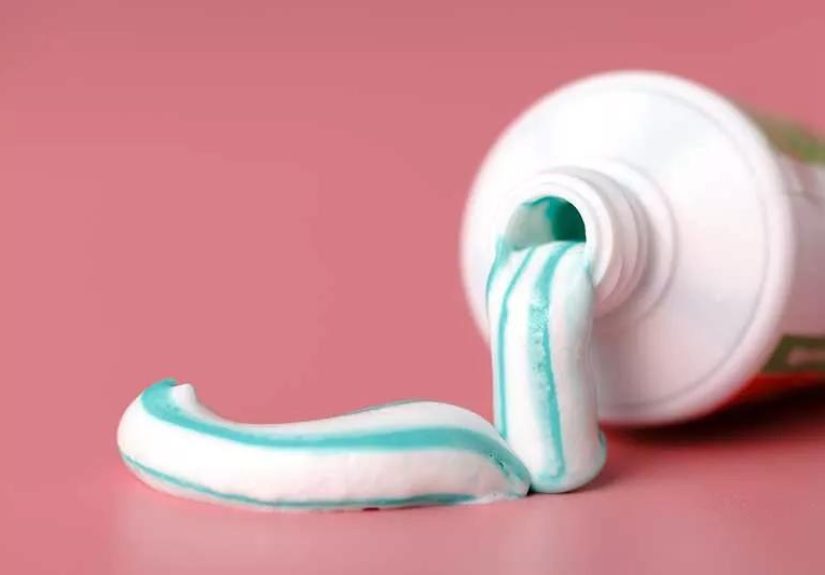
So, does putting toothpaste on pimples work? In most cases, no. It may dry out a blemish for a few hours, but it can also irritate your skin, damage your skin barrier, and leave you with a redder, flakier, angrier spot than the one you started with. There are much better ways to handle acne, and they do not involve smearing your face with something designed for plaque control.
The Verdict: Toothpaste Is a Popular Acne Hack, Not a Smart One
The idea behind toothpaste on pimples is simple: if it can dry things out, maybe it can dry out a zit. That logic is not completely random. Some toothpaste formulas may contain ingredients that feel cooling or drying, which is why the myth keeps surviving like a cockroach in a medicine cabinet.
But here is the problem: a pimple is not just “too much moisture.” Acne forms when pores clog with oil and dead skin cells, then become inflamed. Sometimes bacteria also play a role. Toothpaste is not formulated to treat that process safely on facial skin. It is made to clean teeth, protect enamel, freshen breath, and fight oral bacteria inside your mouth. Your face has a very different job description.
Even if toothpaste seems to flatten a blemish overnight, what you may actually be seeing is irritation, dryness, or temporary shrinking of surface inflammation. That is not the same thing as properly treating acne. In fact, the skin may rebound by becoming more inflamed, more noticeable, and more uncomfortable.
Why the Toothpaste Trick Became So Popular
This home remedy became famous for the same reason many beauty myths go viral: it is cheap, easy, and sitting three inches from your sink. It also delivers the illusion of action. When a breakout appears before a date, an interview, a wedding, school photos, or literally any event where you want your face to behave, doing something feels better than doing nothing.
There is also a bit of old-school folklore involved. Years ago, some people believed the drying ingredients in certain toothpaste formulas could help shrink pimples. That bathroom wisdom got passed around for ages and still pops up in forums, videos, and late-night advice from well-meaning relatives.
The problem is that “it feels strong” does not mean “it is a good treatment.” Plenty of things feel strong. Wasabi feels strong. That does not make it a skincare product.
Why Toothpaste Can Make Pimples Worse
1. It can irritate delicate facial skin
Toothpaste often contains ingredients meant to clean, polish, whiten, foam, and flavor. Those ingredients can be too harsh for facial skin, especially if you already have acne, dryness, or sensitivity. Your face is more reactive than the surface of your teeth, and inflamed skin does not appreciate rough treatment.
That irritation may show up as redness, burning, stinging, peeling, tightness, or a flaky ring around the pimple. So instead of one little bump, you may wake up with a bigger patch of irritated skin that is harder to conceal and slower to calm down.
2. It can damage your skin barrier
Your skin barrier helps lock in moisture and keep irritants out. When you overload it with harsh products, it gets cranky. A compromised barrier can leave skin dry, tender, and more reactive to everything else in your routine. Then even products that normally help acne can start to sting.
In other words, toothpaste may turn one manageable pimple into a whole skincare negotiation.
3. It may trigger a rash around the mouth
Another issue is that toothpaste can irritate the skin around your mouth and may be associated with perioral dermatitis, a rash that can look like acne but is definitely not a fun surprise. If you are already prone to redness, irritation, or mystery bumps near the nose and mouth, toothpaste is a terrible guest to invite over.
4. It does not target acne the way real acne treatments do
Good acne treatments are designed to address clogged pores, excess oil, inflammation, and acne-causing bacteria in a controlled way. Toothpaste does not do that reliably. It is trying to be a dentist. Your face needs a dermatologist-approved wingman instead.
So Why Do Some People Swear It Helped?
Because sometimes a bad idea appears to work for a moment.
If you dab toothpaste on a surface-level whitehead, the area might look drier by morning. That can make the bump seem smaller. But “drier” is not always “healthier.” The skin may also become red, irritated, and rough, which can make the blemish look worse overall once the initial effect wears off.
It is similar to using too much salt on a dish and deciding the problem is fixed because you can no longer taste anything else. Technically something changed. Strategically, not your best work.
People also tend to remember the one time a hack seemed useful and forget the five times it caused drama. Acne myths often survive because they produce a memorable quick reaction, even when the long-term result is lousy.
What Works Better Than Toothpaste on Pimples?
The good news is that you do not need a complicated 17-step skincare ceremony to treat a random breakout. A few well-chosen acne ingredients usually do a far better job than toothpaste ever could.
Benzoyl peroxide
Benzoyl peroxide is one of the most established over-the-counter acne ingredients. It helps reduce acne-causing bacteria, removes excess oil, and clears away dead skin cells that can clog pores. For many people, it is the classic spot-treatment MVP.
Lower strengths are often a smart place to start. A 2.5% formula can be effective while causing less irritation than stronger options. Apply a thin layer, not a frosting-thick one. More product does not mean more results. It usually just means your pillowcase loses a color war.
Salicylic acid
Salicylic acid is especially helpful for clogged pores, blackheads, and smaller inflamed blemishes. It works by helping unplug pores and reducing swelling and redness. If your acne tends to come with oiliness and congestion, salicylic acid can be a very practical choice.
It is often found in cleansers, toners, gels, and spot treatments. A gentler routine can pair a salicylic acid cleanser with a simple moisturizer, which is much more elegant than attacking your face with mint paste.
Adapalene
Adapalene is an over-the-counter retinoid that helps prevent pores from clogging in the first place. That makes it especially useful if you are not just dealing with a one-off pimple but with repeated breakouts. It is more of a long game than a one-night miracle, but the long game is often what wins.
If you use adapalene, go slowly, follow directions, and keep the rest of your routine gentle. Retinoids are effective, but they are not fans of being paired with random harsh experiments.
Hydrocolloid acne patches
For pimples close to the skin’s surface, hydrocolloid patches can be surprisingly handy. They help protect the spot, reduce picking, and support healing. They are also excellent if your hands mysteriously drift toward your face every time you open your laptop.
Warm compresses for deep, painful pimples
If you have a deep, tender pimple under the skin, a warm compress can help more than squeezing or smearing. Gentle warmth may encourage the blemish to come closer to the surface and calm discomfort without adding another layer of irritation.
A basic acne-friendly routine
Sometimes the smartest breakout plan is beautifully boring:
- Wash with a gentle, non-abrasive cleanser up to twice a day and after sweating.
- Use an acne treatment with benzoyl peroxide, salicylic acid, or adapalene.
- Apply a lightweight, non-comedogenic moisturizer.
- Wear sunscreen, especially if your acne treatment makes skin more sensitive.
- Do not scrub, pick, pop, or aggressively exfoliate.
Acne responds better to consistency than chaos.
How to Treat a Single Pimple Without Making It Mad
Step 1: Cleanse gently
Wash the area with lukewarm water and a mild cleanser. No rough washcloths, no gritty scrub, no “I’ll just sand this thing off” energy.
Step 2: Pick one treatment
Use a thin layer of benzoyl peroxide or salicylic acid, or apply a hydrocolloid patch if the pimple is at the surface. Pick one strategy and let it work. Layering five active products plus toothpaste is how you accidentally create a tiny disaster zone.
Step 3: Moisturize if needed
Acne-prone skin still needs moisture. A light, oil-free, non-comedogenic moisturizer can help protect your barrier and reduce the dry, tight feeling that often comes with treatment.
Step 4: Leave it alone
This is the hard part. Touching, squeezing, and picking can increase inflammation, delay healing, and raise the risk of dark marks or scarring. Your pimple does not need “just one little squeeze.” It needs boundaries.
When a Pimple Might Not Actually Be a Pimple
Not every bump on your face is standard acne. If a spot burns more than it breaks out, shows up in clusters around the mouth, keeps recurring in the same area, or comes with a rash-like pattern, it could be irritation or another skin condition rather than a regular zit.
That is one more reason toothpaste is risky. If the problem is not ordinary acne, a harsh DIY fix may make the real condition harder to recognize and worse to treat.
When to See a Dermatologist
Home care is reasonable for occasional, mild breakouts. But it is time to call in a pro if:
- Your acne keeps coming back despite several weeks of over-the-counter treatment.
- You have deep, painful cysts or nodules.
- Your skin is developing dark marks or scars.
- Your acne is affecting your confidence, mood, or daily life.
- Your skin is getting more irritated than improved from products you are trying at home.
A dermatologist can help you sort out whether you need prescription-strength topical treatment, oral medication, hormonal treatment, scar prevention, or simply a much calmer routine. Sometimes the most effective acne move is not “stronger.” It is “smarter.”
Common Experiences People Have With the Toothpaste-on-Pimples Trick
People often try toothpaste on pimples for one reason: desperation with a side of hope. And the experience tends to follow a familiar pattern.
First comes the emergency. A breakout appears before something important. Suddenly, the pimple is no longer just a pimple. It is now the star of the face, the villain of the week, and apparently the only thing visible in a mirror from twelve feet away. A quick online search or old family tip suggests toothpaste, and the logic sounds weirdly convincing. It dries things out, right? It tingles, right? It must be doing something.
Then comes the application phase, also known as “bathroom chemistry with confidence.” Many people dab on a thick white dot and go to bed expecting a miracle. Sometimes the spot does look smaller in the morning. That is the part that keeps the myth alive. The surface may look drier, flatter, or less shiny for a little while, and that feels like a win.
But for a lot of people, the second morning tells the real story. Instead of a calm blemish, they find a red circle, flaking skin, stinging, or a patch that suddenly looks more dramatic than the original pimple. Makeup goes on unevenly. Moisturizer burns. The area feels tight every time they smile. What seemed like a shortcut turns into a small skincare hangover.
Another common experience is confusion. People think, “Maybe the toothpaste worked, but my skin is just sensitive.” In reality, that sensitivity is exactly the issue. Acne-prone skin is often already inflamed, and adding a harsh product can push it from “annoyed” to “fully offended.” The pimple may not be bigger because the acne got worse overnight. It may be bigger because the surrounding skin became irritated too.
There is also the temptation to repeat the mistake. A person tries toothpaste once, sees temporary drying, and assumes they just need a little more next time, or a different formula, or longer contact. Before long, they are not treating acne anymore. They are auditioning household products on their face like a low-budget science show.
By contrast, people who switch from toothpaste to a simple acne routine often describe a much less dramatic but much better result. There is no instant “wow” moment, no superhero soundtrack, no overnight transformation. What they notice instead is that the skin stays calmer. Spots heal with less redness. New breakouts become easier to manage. There is less peeling, less panic, and fewer mornings that begin with the words, “Well, that was a mistake.”
Many also realize that the real improvement came from habits rather than hacks: washing gently, using a proven acne ingredient, moisturizing, avoiding picking, and giving products enough time to work. It is not flashy advice, but neither is having less irritated skin. It is just effective.
The biggest real-world lesson from these experiences is simple: a treatment that feels aggressive is not automatically a treatment that works well. Facial skin usually responds better to products made for skin, not products made for plaque. When people stop trying to outsmart acne with random DIY tricks and start using evidence-based care, the results are usually steadier, safer, and far less dramatic in the bad way.
Final Takeaway
Putting toothpaste on pimples is one of those classic beauty myths that refuses to retire. It survives because it is cheap, convenient, and occasionally gives the illusion of helping. But in real life, it is far more likely to irritate your skin than solve the problem.
If you want a breakout plan that actually makes sense, skip the toothpaste and reach for ingredients that were designed for acne: benzoyl peroxide, salicylic acid, or adapalene. Add a gentle cleanser, a non-comedogenic moisturizer, and sunscreen. Use hydrocolloid patches when helpful. Leave deep or persistent acne to a dermatologist.
Your teeth can keep the toothpaste. Your face deserves better coworkers.