Table of Contents >> Show >> Hide
- What’s in Soy That Makes People Worry?
- Does Eating Soy Increase Breast Cancer Risk?
- What About People With Breast Cancer or Breast Cancer Survivors?
- How Much Soy Is “Moderate”?
- Common Myths (and Why They Stick Around)
- What the Research Suggests Mechanistically (Without the Lab Coat Drama)
- Practical Ways to Eat Soy (Without Making It Weird)
- When to Be Cautious
- Quick FAQs
- Conclusion: So… Should You Fear Soy?
- Real-World Experiences: What People Often Notice When They Stop Fearing Soy (About )
Soy has had the weirdest PR journey. One minute it’s the hero of plant-based protein, the next it’s accused of “acting like estrogen” and causing breast cancer. If that sounds like a dramatic courtroom show, you’re not wrongsoy has basically been on trial since the late 1990s.
Here’s the evidence-based bottom line: eating whole soy foods (like tofu, edamame, tempeh, and soy milk) does not increase breast cancer risk. In many studies, soy intake is linked to either no change in risk or a modestly lower risk, and research in breast cancer survivors generally shows soy foods are safe in moderate amounts. The main “yellow light” is for high-dose soy/isoflavone supplementsnot your tofu stir-fry.
This article breaks down what soy actually contains, why the “estrogen” story is misunderstood, what research shows for prevention and survivorship, and how to enjoy soy confidentlywithout turning dinner into a science fair.
What’s in Soy That Makes People Worry?
Soybeans contain natural plant compounds called isoflavones (a type of phytoestrogen). The word “phytoestrogen” is the source of most confusion because it sounds like “plant estrogen,” which sounds like “regular estrogen,” which sounds like “uh-oh.”
But phytoestrogens aren’t human estrogen in disguise. They’re more like a distant cousin who shows up to the family reunion wearing a similar outfit but has a completely different personality.
Phytoestrogens vs. estrogen: the important difference
- Human estrogen is a powerful hormone that can stimulate growth in some breast tissue and some breast cancers.
- Soy isoflavones can bind to estrogen receptors, but they tend to be much weaker and may behave differently depending on tissue type and a person’s biology.
That’s why early lab and animal studies sparked concern (you can make almost anything look scary in a petri dish if you try hard enough). But human population studies and clinical research are what matter most for real-life riskand those have been reassuring overall.
Does Eating Soy Increase Breast Cancer Risk?
For most people, no. Large bodies of human research show that soy foods are not linked to higher breast cancer risk. In fact, several analyses suggest soy intake may be associated with a lower risk, especially in populations with higher lifelong soy consumption.
Why some studies look more “protective” than others
When researchers compare countries or communities with different diets, a pattern often shows up: places where soy is eaten regularly (often from childhood) tend to have lower breast cancer rates. In Western countries, soy intake is usually lower and sometimes starts later in life, so the protective signal can look weaker or inconsistent.
That doesn’t mean soy is “only good” in one region. It means nutrition research is complicated, and timing, total diet pattern, lifestyle, and genetics can influence what shows up in the data.
Whole soy foods vs. supplements: not the same thing
If there’s one distinction to remember, it’s this:
- Whole soy foods (tofu, edamame, tempeh, miso, soy milk): generally safe, nutrient-dense, and supported by human research.
- Isoflavone pills and concentrated powders: higher doses, less long-term safety data, and more potential for interactionsespecially for people with a history of hormone-sensitive cancers.
In other words: your tofu isn’t the villain. Your supplement aisle might be the plot twist.
What About People With Breast Cancer or Breast Cancer Survivors?
This is where fear tends to spike the most, and it’s understandable. When you’ve faced breast canceror are supporting someone who hasthe last thing you want is dietary advice that sounds like roulette.
The reassuring news: research in breast cancer survivors generally suggests that moderate soy food intake is safe, and some studies have found associations with lower recurrence risk and improved outcomes. These findings are not a “soy cures cancer” story (no single food gets to wear that cape), but they do support soy as a reasonable part of a balanced diet.
Does soy matter for estrogen receptor-positive (ER+) breast cancer?
ER+ breast cancer is fueled by estrogen signaling, so it’s natural to wonder if soy isoflavones could “feed” it. Human data overall do not show that moderate soy food intake increases recurrence risk in ER+ survivors. Some research suggests neutral effects, and some suggests potential benefit, but the consistent takeaway is: soy foods are not shown to be harmful in typical dietary amounts.
Soy and medications like tamoxifen or aromatase inhibitors
Another common worry is whether soy “interferes” with endocrine therapy. Here’s the practical guidance many cancer nutrition teams use:
- Moderate whole soy foods are generally considered compatible with treatment for most people.
- High-dose soy/isoflavone supplements are the bigger concern because concentrated compounds may behave differently than foods and may carry more uncertainty regarding interactions.
If you’re on endocrine therapy (or supporting someone who is), it’s sensible to treat supplements like an “ask-first” category and keep soy in its food form.
How Much Soy Is “Moderate”?
Most guidance that supports soy safety tends to land around 1–2 servings of whole soy foods per day for people who enjoy it, including many survivors (unless their oncology team has given different personal instructions).
Examples of one serving might include:
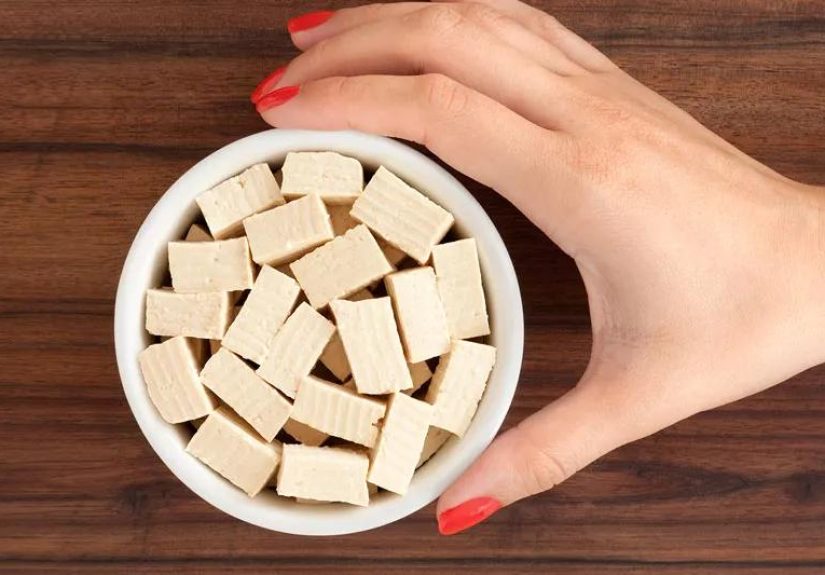
- Tofu in a stir-fry or bowl
- Edamame as a snack or salad topper
- Tempeh in tacos or a sandwich
- A glass of soy milk in oatmeal, cereal, or smoothies
And yes, you can rotate types. Your body does not require you to pledge allegiance to one soy format for life.
Common Myths (and Why They Stick Around)
Myth 1: “Soy has estrogen, so it must raise estrogen.”
Soy contains phytoestrogens, not human estrogen. These compounds can interact with estrogen receptors, but they don’t automatically raise your body’s estrogen levels the way hormone therapy can. The relationship is more “modulation” than “doubling down.”
Myth 2: “If you have a family history of breast cancer, you must avoid soy.”
Major cancer and medical organizations generally describe soy foods as safe and part of a healthy dietary pattern. Family history is a strong reason to focus on overall risk reduction (weight management, physical activity, alcohol moderation, screening)not to fear tofu.
Myth 3: “All soy is highly processed and therefore ‘bad.’”
Some soy products are ultra-processed (like any food category), but many are minimally processed staples. Tofu, tempeh, edamame, and plain soy milk can be simple, nutritious foods.
What the Research Suggests Mechanistically (Without the Lab Coat Drama)
Scientists have proposed several reasons soy foods could be neutral or helpful for breast cancer risk, including:
- Estrogen receptor effects: Isoflavones may bind receptors in ways that can compete with stronger natural estrogens in certain contexts.
- Antioxidant and anti-inflammatory activity: Plant-rich diets tend to support lower inflammation overall, and soy fits that pattern.
- Metabolic benefits: Swapping some animal proteins for plant proteins can improve dietary fiber intake and may support healthier body weight and cardiometabolic markersindirectly influencing cancer risk factors.
Important note: these are proposed pathways, not magic spells. The strongest takeaway comes from human studies: soy foods don’t appear to increase risk, and they may offer modest benefits in some groups.
Practical Ways to Eat Soy (Without Making It Weird)
If you want soy in your diet, the simplest approach is to treat it like any other healthy food: enjoy it, vary it, and don’t turn it into your entire personality.
Easy swaps
- Breakfast: Use soy milk in oatmeal; add berries and walnuts.
- Lunch: Toss edamame into a salad for extra protein and crunch.
- Dinner: Use tofu in a stir-fry with colorful veggies and brown rice.
- Snack: Roasted edamame or a small miso soup.
If you’re worried about processing
Choose simpler products: plain tofu, tempeh, frozen edamame, or soy milk with a short ingredient list. The fewer “mystery words,” the easier it is to feel confident.
When to Be Cautious
Soy foods are broadly safe for most people, but “safe for most” isn’t the same as “perfect for everyone.” Consider extra caution or professional guidance if:
- You’re considering isoflavone supplements or concentrated powders.
- You have a history of breast cancer and your care team has given you personalized restrictions.
- You have a soy allergy (obvious, but worth stating).
- You have thyroid disease and are adjusting medicationask a clinician about timing (this is often about medication absorption timing, not soy “destroying” your thyroid).
For most people, the practical answer is: eat soy as food, not as a megadose supplement.
Quick FAQs
Is soy safe for people at high risk of breast cancer?
Current evidence in humans supports that soy foods do not increase breast cancer risk, including in people who are concerned about risk. Emphasize overall lifestyle habits and screening, and keep soy in typical food amounts.
Do fermented soy foods (tempeh, miso) matter?
They’re a nutritious option and can be part of a balanced diet. If sodium is a concern, watch portion sizes for salty fermented foods like miso.
Should I switch from dairy to soy milk?
If you like soy milk and it fits your nutrition needs, it can be a solid choiceespecially fortified versions that provide calcium and vitamin D. It’s not mandatory, and it’s not a cancer shield. It’s just a good option.
Does soy “increase estrogen” in the body?
Soy isoflavones can interact with estrogen receptors, but that’s different from increasing your body’s estrogen levels the way hormone therapy can. Human studies do not show soy foods raising breast cancer risk.
Conclusion: So… Should You Fear Soy?
Nope. Not in food form.
Soy foods do not appear to increase breast cancer risk, and many reputable medical and cancer organizations describe soy as a safe part of a healthy diet. Some research suggests soy may be associated with lower risk or improved survivorship outcomes, though results can vary and nutrition is never one-size-fits-all.
If you want the most practical, least stressful rule: enjoy whole soy foods in moderation (often 1–2 servings/day), and be cautious with high-dose supplements. That’s a plan you can actually live withno panic, no food guilt, no tofu trials in your kitchen.
Real-World Experiences: What People Often Notice When They Stop Fearing Soy (About )
For a lot of people, the soy question isn’t just scientificit’s emotional. “What if I’ve been eating something dangerous?” is a heavy thought, especially if breast cancer has touched your life. One of the most common experiences people describe is the sense of relief that comes when they learn the fear is largely based on misunderstandings, outdated interpretations of animal studies, or the unfortunate habit of the internet to treat the word “estrogen” like a jump-scare.
Many people say their soy anxiety started with a headline, not a healthcare visit. They’ll remember a vague claim like “soy feeds estrogen-driven cancers,” then quietly start avoiding tofu, soy milk, and edamamesometimes replacing them with foods that are objectively less helpful (like processed snacks), simply because those foods don’t come with scary rumors. When they revisit soy with a more evidence-based perspective, one common shift is that their diet becomes easier again. Meals feel less like a minefield and more like… meals.
Another frequent experience is realizing that “soy” isn’t a single thing. People often talk about how empowering it feels to separate whole soy foods from supplements. Once that line is clear, decisions get simpler. A tofu and vegetable stir-fry becomes “normal food” again, while isoflavone mega-capsules move into the “ask my clinician first” category. That clarity alone reduces stressespecially for survivors or those at higher perceived risk.
In everyday life, people also mention the practical wins. If someone is trying to eat more plant-forwardwhether for heart health, weight management, or general wellnesssoy can make that shift much more doable. A common story is using tofu or tempeh as a “bridge protein” while learning other plant proteins like beans and lentils. People who don’t love the texture of tofu at first often say it’s not the tofu’s faultit’s the cooking method. Pressing it, seasoning it boldly, and crisping it up in a pan can convert skeptics faster than any lecture ever could.
For breast cancer survivors, people often describe wanting “rules” because rules feel safe. But the most helpful experience tends to be moving from rigid rules to flexible patterns. Instead of “never soy,” the pattern becomes: balanced meals, plenty of fiber-rich plants, consistent protein, and joy that doesn’t depend on dietary perfection. Some survivors also describe how helpful it is to talk to an oncology dietitian to personalize decisionsespecially if they’re on endocrine therapy and want peace of mind. The goal is rarely “eat the perfect diet.” The goal is “eat in a way that supports my life and my health without constant fear.”
Finally, people often share a quiet but powerful takeaway: food shouldn’t feel like a moral test. When soy shifts from “suspect” to “optional nutritious food,” it gives people permission to focus on what truly mattersregular follow-ups, movement they enjoy, sleep, support systems, and meals that are both nourishing and realistic. And yes, sometimes that includes tofu. Sometimes it includes pizza. Real life has room for both.