Table of Contents >> Show >> Hide
- Why You’ll Love This Easy Fresh Fig Bread Recipe
- What Fresh Figs Bring to the Recipe
- Easy Fresh Fig Bread Recipe
- Tips for the Best Fresh Fig Bread
- Easy Variations to Try
- How to Serve Fig Bread
- How to Store and Freeze Fresh Fig Bread
- Common Mistakes to Avoid
- Frequently Asked Questions
- Why This Recipe Works for Modern Home Bakers
- Kitchen Experiences With Easy Fresh Fig Bread Recipe
- Conclusion
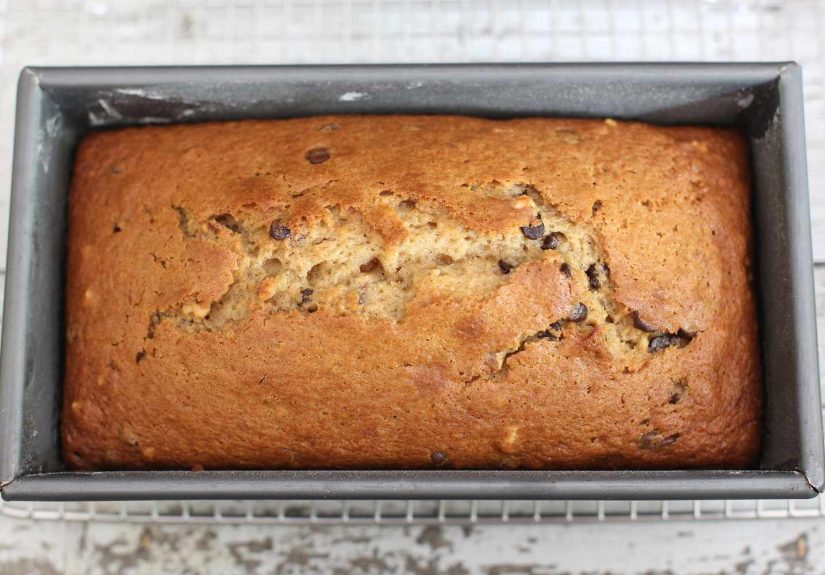
If banana bread had a fancy cousin who casually wore linen and knew how to pick the best cheese at the farmers market, it would be fresh fig bread. This loaf is soft, moist, warmly spiced, and studded with sweet pieces of fresh figs that turn almost jammy as they bake. It feels special enough for brunch, simple enough for a weekday bake, and comforting enough to make your kitchen smell like you actually have your life together.
This easy fresh fig bread recipe is designed for home bakers who want big flavor without a big production. No stand mixer. No pastry-school drama. No mysterious steps like “fold until intuition develops.” Just a classic quick bread method, a dependable ingredient list, and a loaf that delivers tender crumb, rich fig flavor, and a little nutty crunch if you want it.
If you have a basket of fresh figs and no idea what to do with them before they go from gorgeous to suspiciously wrinkled, this is your answer. Let’s turn those figs into a loaf that tastes like late summer and early fall got together and made a very good decision.
Why You’ll Love This Easy Fresh Fig Bread Recipe
This fresh fig bread recipe works because it balances sweetness, moisture, and texture in a way that lets the fruit shine. Fresh figs are naturally soft, honeyed, and delicate, so they do not need much help. A little brown sugar deepens the flavor, cinnamon adds warmth, vanilla rounds everything out, and buttermilk keeps the crumb tender without making the loaf heavy.
Unlike overly sugary quick breads that taste like cake wearing a fake mustache, this loaf has enough sweetness to feel like a treat while still being welcome at breakfast. It also slices beautifully once cooled, making it ideal for brunch boards, lunchbox snacks, afternoon coffee breaks, or those late-night “I only wanted one bite” situations that somehow become two slices.
What Fresh Figs Bring to the Recipe
Fresh figs have a flavor that is sweet, mellow, and lightly floral, with a jammy interior full of tiny edible seeds. When baked into bread, they soften further and create little pockets of rich fruitiness. That is what makes homemade fig bread feel more luxurious than your average fruit loaf.
For the best results, use figs that are ripe and tender but not collapsed, split open, or leaking too much juice. If they are overly soft, they can add excess moisture to the batter and make the loaf dense. If they are underripe, the flavor will be flat and the texture less luscious. In other words, you want figs that feel ready, not exhausted.
Best Flavor Pairings for Fresh Fig Bread
Fresh figs pair beautifully with warm baking flavors and a few bright accents. Some of the best companions include:
- Cinnamon or cardamom for warmth
- Orange zest for brightness
- Walnuts or pecans for crunch
- Honey for extra depth
- Brown sugar for a caramel-like note
- Vanilla for softness and balance
This recipe keeps the flavor profile approachable and classic, but I will also show you a few easy variations later if you want to dress up your loaf.
Easy Fresh Fig Bread Recipe
Ingredients
- 1 3/4 cups all-purpose flour
- 1 teaspoon baking soda
- 1/2 teaspoon baking powder
- 1/2 teaspoon fine salt
- 1 teaspoon ground cinnamon
- 1/2 cup unsalted butter, melted and slightly cooled
- 3/4 cup light brown sugar, packed
- 2 large eggs
- 1 teaspoon pure vanilla extract
- 1/2 cup buttermilk
- 1 1/2 cups fresh figs, stemmed and chopped
- 1/2 cup chopped walnuts or pecans (optional)
- 1 teaspoon orange zest (optional, but excellent)
- 1 tablespoon coarse sugar for topping (optional)
Equipment
- 1 standard 9×5-inch loaf pan
- 2 mixing bowls
- Whisk and rubber spatula
- Parchment paper or nonstick spray
- Wire rack for cooling
Instructions
- Preheat the oven. Heat your oven to 350°F. Grease a 9×5-inch loaf pan and line it with parchment paper if you want easier removal.
- Prepare the figs. Wash the fresh figs gently, pat them dry, remove the stems, and chop them into small pieces. If they seem very juicy, blot them lightly with a paper towel.
- Mix the dry ingredients. In a medium bowl, whisk together the flour, baking soda, baking powder, salt, and cinnamon.
- Mix the wet ingredients. In a large bowl, whisk the melted butter and brown sugar until combined. Add the eggs, vanilla, and buttermilk, then whisk until smooth.
- Combine the batter. Add the dry ingredients to the wet mixture and stir gently with a spatula just until no dry streaks remain. Do not overmix. Quick breads love a light hand and hold grudges against aggressive stirring.
- Fold in the figs. Gently fold in the chopped figs, nuts if using, and orange zest if using. The batter will be thick.
- Transfer to the pan. Spoon the batter into the prepared loaf pan and smooth the top. Sprinkle with coarse sugar if you want a little sparkle and crunch.
- Bake. Bake for 50 to 60 minutes, or until the top is golden and a toothpick inserted in the center comes out with a few moist crumbs but no raw batter.
- Cool. Let the bread cool in the pan for about 10 minutes, then transfer it to a wire rack. Cool completely before slicing for the neatest texture.
Tips for the Best Fresh Fig Bread
1. Do Not Overmix the Batter
This is the golden rule of quick bread. Once the flour meets the wet ingredients, stir only until combined. Overmixing develops gluten and can make the loaf tough instead of tender. A few small lumps are perfectly fine. They are not flaws. They are character.
2. Chop the Figs into Small, Even Pieces
Large chunks can sink or create uneven wet pockets in the loaf. Small pieces distribute better and give you fig flavor in every bite.
3. Use Buttermilk for Tenderness
Buttermilk adds gentle tang and helps keep the bread moist. If you do not have any, you can make a quick substitute by adding 1 1/2 teaspoons of lemon juice or vinegar to 1/2 cup milk and letting it sit for 5 minutes.
4. Cool Before Slicing
Yes, warm fig bread smells incredible. Yes, you will want to cut into it immediately. But letting the loaf cool gives the crumb time to set. Slice too soon and you may get a steamy, squishy middle. Delicious, but not elegant.
Easy Variations to Try
Fresh Fig Walnut Bread
Add walnuts for earthy crunch and a classic pairing that works beautifully with the soft fruit.
Fresh Fig and Orange Bread
Add orange zest to lift the flavor and make the loaf taste brighter and more aromatic.
Fresh Fig Honey Bread
Replace 2 tablespoons of the brown sugar with honey for a slightly deeper, floral sweetness.
Fresh Fig Breakfast Bread
Swap 1/2 cup of the all-purpose flour for whole wheat flour to add a little more nuttiness and make the loaf feel extra breakfast-friendly.
How to Serve Fig Bread
This easy fresh fig bread recipe is flexible enough to play several roles. It can be breakfast, snack, dessert, or “I deserve this because I answered three emails” food.
- Serve warm with salted butter
- Toast slices and add cream cheese
- Top with ricotta and a drizzle of honey
- Pair with coffee or black tea
- Serve with Greek yogurt and fruit for brunch
- Use slightly thick slices on a fall breakfast board
If you want to be a little dramatic in the best possible way, toast a slice and top it with whipped ricotta, chopped walnuts, and a few extra fresh fig slices. Suddenly you are not just eating bread. You are curating an experience.
How to Store and Freeze Fresh Fig Bread
Because fresh fruit adds moisture, proper storage matters. Once the loaf is completely cool, wrap it tightly or store it in an airtight container.
At Room Temperature
Store for up to 2 days in a cool kitchen.
In the Refrigerator
Store for up to 5 days. Bring slices to room temperature or warm them slightly before serving for the best texture.
In the Freezer
Wrap the whole loaf or individual slices tightly and freeze for up to 3 months. Slices are especially handy because you can pull out one at a time when a fig bread emergency strikes, and frankly, those happen.
Common Mistakes to Avoid
- Using overripe figs: They can make the batter too wet.
- Skipping the dry whisk: This can leave uneven pockets of leavening or spice.
- Overbaking: Dry fig bread is a tragedy with a loaf pan.
- Slicing too early: Let the structure set first.
- Overloading with add-ins: Too many nuts, fruit, or extras can weigh the loaf down.
Frequently Asked Questions
Can I use dried figs instead of fresh figs?
Yes, but the result will be different. Dried figs are sweeter, chewier, and more concentrated. Chop them finely and consider soaking them briefly in warm water if they feel very firm.
Can I make this fresh fig bread recipe without nuts?
Absolutely. The loaf is still delicious without walnuts or pecans.
Can I make muffins instead of a loaf?
Yes. Divide the batter into a lined muffin pan and bake at 350°F for about 18 to 24 minutes, checking early.
What do fresh figs taste like in bread?
They taste mellow, sweet, and almost jam-like. Think honey, berry, and soft caramel notes with a delicate texture.
Why This Recipe Works for Modern Home Bakers
A lot of homemade bread recipes sound “easy” and then quietly ask you to age starter, toast five components, and locate an heirloom ingredient from a shop run by a man named Bernard. This is not that recipe.
This easy fresh fig bread recipe is truly practical. It uses familiar ingredients, one loaf pan, and a straightforward quick bread method. It welcomes seasonal fruit, looks beautiful without requiring decorative talent, and tastes just as good on day two as it does on day one. It also gives home bakers a reliable way to use fresh figs in something beyond a cheese board or salad.
Most importantly, it creates a loaf that feels generous. The kind you can bring to a neighbor, set out at brunch, or wrap up for a friend without apologizing for its appearance. It is rustic in the charming way, not rustic in the “I hope no one notices the crater” way.
Kitchen Experiences With Easy Fresh Fig Bread Recipe
The first time I made fresh fig bread, I had a small basket of figs sitting on the counter and exactly two thoughts: these are beautiful, and I need to use them immediately before they turn into a science project. I had baked banana bread more times than I could count, but figs felt different. They seemed more delicate, more seasonal, and a little more glamorous. Naturally, I expected the recipe to be fussy. It was not. That may be the most charming thing about fig bread. It looks elegant, tastes special, and still behaves like a friendly quick bread.
One of the most memorable parts of the experience is prepping the figs. They are soft without being mushy, lightly sweet, and a little sticky inside. When you slice them, they already look like jammy filling waiting to happen. Folding them into batter feels like the point where an ordinary loaf becomes something with personality. You know right away this is not just another breakfast bread.
As the loaf bakes, the whole kitchen changes. Banana bread smells cozy, pumpkin bread smells spicy, but fresh fig bread smells rich and mellow, almost like honey and brown sugar drifting through the room. Add orange zest and the aroma becomes even better. It is the kind of smell that makes people wander into the kitchen and ask, “What are you making?” in a tone that suggests they are prepared to hover until it cools.
Another thing I learned from making this recipe more than once is that fresh fig bread fits different moods. Some days it feels like a quiet breakfast with coffee and a book. Other days it feels like the perfect loaf to bring to a brunch table where everyone suddenly becomes very interested in the recipe. It also holds up surprisingly well as an afternoon snack. A slice with butter can feel comforting; a slice with ricotta and honey can feel restaurant-level without any restaurant-level effort.
I have also found that every loaf comes with tiny decisions that make the experience personal. Walnuts add heartiness. Pecans make it a little sweeter and softer. Orange zest brightens everything. A coarse sugar topping adds sparkle and crunch. Even the choice to serve it warm or fully cooled changes the mood. Warm feels indulgent and a little messy. Cooled feels polished, neat, and ready for company.
What really makes this recipe worth repeating, though, is how forgiving it is. Even if the figs are slightly softer than planned or the loaf browns a bit faster than expected, it usually still turns out delicious. That kind of reliability matters. It turns a seasonal ingredient from “special occasion only” into something you will actually use. And once you have a good loaf of fresh fig bread on your counter, it becomes very hard to imagine going back to letting figs sit around looking pretty while you wonder what to do with them.
Conclusion
This easy fresh fig bread recipe proves that seasonal baking does not need to be complicated to feel special. With ripe fresh figs, a simple quick bread batter, and a handful of pantry staples, you can create a loaf that is moist, fragrant, and full of warm, bakery-style flavor. Whether you serve it for breakfast, brunch, snack time, or dessert, this fig bread delivers something a little unique without asking you to work too hard for it. That is my favorite kind of baking: impressive results, low drama, excellent crumbs.
Note: This article is intentionally provided as clean HTML body content only, with SEO tags placed at the end in JSON format for easy web publishing.