Table of Contents >> Show >> Hide
- Why This Easy Beef Gravy Recipe Works
- Easy Traditional Beef Gravy Recipe Ingredients
- How to Make Beef Gravy Step by Step
- Traditional Beef Gravy Recipe at a Glance
- Tips for the Best Homemade Beef Gravy
- How to Fix Common Beef Gravy Problems
- Variations on This Classic Beef Gravy Recipe
- What to Serve with Easy Traditional Beef Gravy
- Can You Make Beef Gravy Ahead?
- Frequently Asked Questions
- Cooking Experiences and Real-World Lessons from Making Beef Gravy
- Conclusion
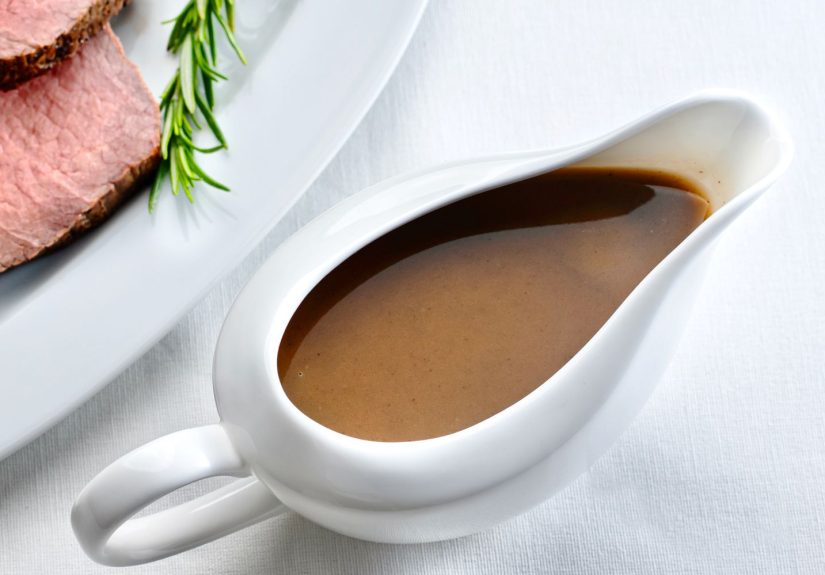
Some meals are stars. Others are backup dancers. And then there’s beef gravy, the rich, glossy overachiever that strolls onto the plate and suddenly makes roast beef, mashed potatoes, biscuits, and even sad weeknight meatloaf feel like they’ve gotten a promotion. If you’ve ever wanted an easy traditional beef gravy recipe that tastes homemade, feels classic, and doesn’t require a culinary degree or a panic attack, you’re in the right place.
This recipe keeps things simple: build flavor with beef drippings if you have them, use butter if you don’t, whisk in flour to make a roux, then add broth slowly until the gravy turns smooth, savory, and gloriously spoonable. It’s the kind of homemade beef gravy recipe that feels old-school in the best way. No mystery packets. No strange shortcuts. No gravy that tastes like it was invented by a committee.
Below, you’ll find the full recipe, step-by-step instructions, troubleshooting tips, serving ideas, and a longer section of cooking experiences and real-world lessons at the end. Whether you’re making a Sunday roast, upgrading leftover roast beef sandwiches, or just trying to ensure your mashed potatoes don’t feel emotionally unsupported, this classic beef gravy recipe has your back.
Why This Easy Beef Gravy Recipe Works
A good brown gravy is all about balance. You want deep beefy flavor, enough richness to feel satisfying, and a texture that coats the back of a spoon without turning into wallpaper paste. The traditional method works because it relies on a few kitchen fundamentals that have survived every trend cycle:
- Fat gives the gravy body and carries flavor.
- Flour thickens the sauce and creates that classic gravy texture.
- Beef broth or drippings provide the savory backbone.
- Slow whisking keeps lumps from staging a rebellion.
- A short simmer blends the flavors and cooks out any raw flour taste.
The result is a beef broth gravy that tastes traditional, looks beautiful, and works with everything from roast beef to open-faced sandwiches. It’s also flexible. If you have drippings from a roast, fantastic. If you don’t, you can still make a rich and satisfying gravy with butter and a good-quality broth.
Easy Traditional Beef Gravy Recipe Ingredients
For about 2 cups of gravy
- 2 tablespoons beef drippings or unsalted butter
- 2 tablespoons all-purpose flour
- 2 cups beef broth or beef stock, warmed
- 1 teaspoon Worcestershire sauce
- 1/2 teaspoon onion powder
- 1/4 teaspoon garlic powder
- Salt, to taste
- Black pepper, to taste
- Optional: 1/2 teaspoon soy sauce for extra depth
- Optional: 1 teaspoon finely chopped fresh thyme or parsley
Ingredient note: If you’re making beef gravy from drippings, use the flavorful browned bits from the roasting pan too. That’s where a lot of the magic lives. If you’re working without drippings, butter and beef broth still make a delicious, reliable gravy.
How to Make Beef Gravy Step by Step
1. Start with the fat
Place a skillet or medium saucepan over medium heat. Add the beef drippings or butter. If you’re using drippings from a roast, scrape up any browned bits from the pan and bring them along for the ride. They add deeper flavor and make the gravy taste more like it spent all day doing important gravy things.
2. Make the roux
Sprinkle in the flour and whisk constantly for 2 to 3 minutes. The mixture should look smooth and smell a little toasty. This step matters. Cooking the flour briefly helps remove that raw, pasty flavor and gives the gravy a fuller, more developed taste.
3. Add the broth slowly
Begin pouring in the warm beef broth a little at a time, whisking constantly after each addition. Don’t dump it all in at once unless your hobby is lump removal. Adding the liquid gradually keeps the roux smooth and lets the gravy develop an even, silky texture.
4. Season the gravy
Whisk in the Worcestershire sauce, onion powder, and garlic powder. Add the optional soy sauce if you want more savory depth. Taste before adding salt, especially if your broth is already seasoned. Finish with black pepper.
5. Simmer until thickened
Let the gravy simmer gently for 3 to 5 minutes, whisking occasionally, until it reaches your preferred consistency. It should be smooth, glossy, and thick enough to coat a spoon, but still pour easily.
6. Adjust and serve
If the gravy gets too thick, whisk in a splash of broth. If it’s too thin, let it simmer a bit longer. For ultra-smooth gravy, strain it before serving. Then pour it over roast beef, mashed potatoes, or whatever on your plate is pleading for help.
Traditional Beef Gravy Recipe at a Glance
Prep time: 5 minutes
Cook time: 10 minutes
Total time: 15 minutes
Yield: About 2 cups
Tips for the Best Homemade Beef Gravy
Use warm broth
Warm broth blends more smoothly into the roux and helps prevent clumping. Cold liquid can work, but warm liquid makes life easier, and frankly, gravy should be supporting you, not testing you.
Don’t rush the roux
That short 2- to 3-minute cook time adds flavor. If the roux is pale and undercooked, the gravy can taste flat. If it’s deeply browned, the gravy gets a darker, toastier flavor. Somewhere in the middle is classic and dependable.
Season near the end
Beef broth, drippings, Worcestershire sauce, and soy sauce can all bring salt. Taste first. Season second. This is how you avoid making gravy that tastes like the ocean put on a suit and showed up to dinner.
Strain if needed
If your gravy has lumps, don’t toss it and don’t spiral. Just pour it through a fine-mesh strainer. You still get gravy. The gravy still wins.
How to Fix Common Beef Gravy Problems
Gravy is too thick
Whisk in more warm broth, a tablespoon or two at a time, until it loosens.
Gravy is too thin
Let it simmer longer to reduce. You can also mix 1 teaspoon flour with a little cool broth to make a smooth paste, then whisk it in and cook briefly.
Gravy has lumps
Whisk harder first. If that doesn’t work, strain it. Next time, add the liquid more slowly.
Gravy tastes bland
Add a tiny splash of Worcestershire sauce, a pinch of black pepper, or a bit more broth concentrate. A little onion powder can also boost flavor without changing the texture.
Gravy tastes too salty
Add a little unsalted broth or water to dilute it, then simmer briefly. Serve it over unseasoned foods like mashed potatoes to balance the flavor.
Variations on This Classic Beef Gravy Recipe
Beef gravy with drippings
This is the most traditional version. Pan drippings bring richer flavor and make the gravy taste tied directly to the roast.
Beef broth gravy without drippings
Use butter instead of drippings and choose a strong, flavorful beef broth. This is perfect for weeknight dinners, meatloaf, or Salisbury steak.
Onion beef gravy
Sauté a few tablespoons of finely chopped onion in the fat before adding the flour. It adds sweetness and extra depth.
Mushroom beef gravy
Cook sliced mushrooms until browned, then continue with the recipe. This version is excellent with steak, hamburger patties, or mashed potatoes.
Herb beef gravy
Add thyme, parsley, or a small pinch of sage at the end for a more aromatic finish. Go light. You want herbs to support the beef, not hijack the whole operation.
What to Serve with Easy Traditional Beef Gravy
- Roast beef
- Mashed potatoes
- Meatloaf
- Biscuits
- Open-faced roast beef sandwiches
- Yorkshire pudding
- Rice or egg noodles
- Salisbury steak
- Poutine-style fries, if you’re feeling adventurous
One of the best things about this easy beef gravy recipe is how versatile it is. It fits a holiday roast just as easily as it fits a Tuesday night dinner that needs a little emotional support.
Can You Make Beef Gravy Ahead?
Absolutely. Beef gravy is one of those rare make-ahead items that’s actually still charming the next day. Prepare it, let it cool, then refrigerate it in an airtight container for up to 3 days. Reheat gently on the stovetop over low heat, whisking often. If it thickens too much in the fridge, add a splash of warm broth until it loosens back into a pourable sauce.
You can also freeze gravy for up to 2 months. Thaw it in the refrigerator overnight and reheat gently. It may need an extra whisk and a little additional broth, but it usually comes back beautifully.
Frequently Asked Questions
What makes gravy taste traditional?
A traditional gravy gets its flavor from drippings or stock, thickens with flour, and is seasoned simply with salt, pepper, and a few savory accents. It’s not flashy. It’s just deeply satisfying.
Can I use cornstarch instead of flour?
Yes, but the texture will be a little different. Flour gives classic gravy a slightly richer, rounder body. Cornstarch creates a shinier, lighter finish. For a truly traditional feel, flour is the better choice.
What’s the difference between beef gravy and brown gravy?
Brown gravy is a broad category that usually refers to a darker savory gravy made with stock, roux, and seasonings. Beef gravy is a brown gravy specifically flavored with beef drippings, beef stock, or both.
Do I need drippings to make great gravy?
No. Drippings are wonderful, but a butter-and-broth version can still be rich, smooth, and delicious. Good gravy is flexible like that.
Cooking Experiences and Real-World Lessons from Making Beef Gravy
The first time I made traditional beef gravy, I treated it like a side note. Roast in the oven, potatoes on the stove, vegetables somewhere in the background pretending to be important, and gravy as the thing I’d “just whip up” at the end. This was wildly optimistic. I learned very quickly that gravy may be easy, but it is not a fan of being ignored. Turn your back for too long and it thickens. Rush the broth and it lumps. Overseason it and suddenly dinner tastes like a salt lick wearing a holiday sweater.
But here’s the encouraging part: once you make beef gravy a few times, it becomes one of the most useful kitchen skills you can have. You stop seeing it as a holiday-only recipe and start treating it like a practical flavor tool. Leftover roast beef? Gravy. Meatloaf that came out a little firmer than planned? Gravy. Mashed potatoes that need a reason to exist beyond butter? Definitely gravy.
One of the best lessons from repeated gravy-making is that you do not need perfection to get great results. You need attention. That’s it. Watch the heat. Whisk with purpose. Taste before salting. Keep extra broth nearby. Those four habits solve most problems before they become dinner-table drama. I’ve had batches that started a little too thick and ended silky after a splash of stock. I’ve had gravy look slightly lumpy in the pan, then turn completely smooth after a quick strain. Gravy is forgiving when you stay calm.
I’ve also learned that the biggest flavor difference often comes from the pan itself. When you scrape up those browned bits after roasting beef, you’re not just cleaning the pan in a more delicious way. You’re building depth. Those caramelized bits bring the roasted flavor that makes homemade gravy taste like it belongs with the meal instead of sitting beside it like an awkward plus-one.
There’s also something wonderfully old-fashioned about the whole process. Making beef gravy feels like cooking in the most comforting sense of the word. It slows you down just enough to pay attention. It asks you to trust your senses: look for the color of the roux, listen to the simmer, feel the thickening as you whisk, taste and adjust. It’s less about strict rules and more about understanding the rhythm. Once you get that, you can make gravy almost instinctively.
And then there is the serving moment, which is always the most satisfying part. A plain slice of roast beef becomes glossy and inviting. Mashed potatoes go from fluffy to luxurious. Even leftovers in the fridge suddenly look like a plan instead of a compromise. Good beef gravy doesn’t just add moisture; it ties the plate together. It makes the food feel warm, generous, and finished.
That, ultimately, is why this easy traditional beef gravy recipe deserves a permanent place in your kitchen. It’s inexpensive, adaptable, deeply comforting, and far easier than its reputation suggests. Once you’ve made it a few times, you may find yourself looking at perfectly decent dinners and thinking, “You know what this needs?” And the answer, more often than not, will be gravy.
Conclusion
If you want a dependable easy traditional beef gravy recipe, this is the kind to keep close. It uses basic ingredients, follows classic technique, and delivers the rich, savory flavor people expect from a true homemade gravy. Whether you make it with drippings or with butter and broth, the method is simple: build the roux, add the liquid slowly, season wisely, and let the gravy simmer until it turns silky and spoon-ready.
It’s proof that comfort food doesn’t need to be complicated. Sometimes the most memorable thing on the table is the thing poured from a little boat.