Table of Contents >> Show >> Hide
- What Makes an Ebonized Oak Cube Chair Special?
- What “Ebonized” Actually Means
- Why the Cube Shape Works So Well
- How It Looks in Real Rooms
- How to Style an Ebonized Oak Cube Chair
- What to Look for Before You Buy
- How to Care for an Ebonized Oak Cube Chair
- Who Should Buy One?
- Final Thoughts
- Extended Experience: Living with an Ebonized Oak Cube Chair
Note: SEO tags are included in JSON format at the end of this article.
Some chairs politely join a room. An ebonized oak cube chair walks in like it already owns the lease. It is dark, architectural, clean-lined, and just dramatic enough to make your other furniture sit up a little straighter. If pale oak is the sunny brunch friend of the furniture world, ebonized oak is the sharp-dressed dinner guest who orders a neat cocktail and somehow makes everybody else look under-accessorized.
That is exactly why this style has so much pull right now. Designers and homeowners have been leaning back toward darker woods, richer finishes, and pieces with more sculptural presence. The ebonized oak cube chair fits that shift beautifully. It offers the warmth and grain of real wood, but with a moody finish that feels more tailored than rustic and more timeless than trendy. In plain English: it looks expensive, even when the room around it is trying to act casual.
What Makes an Ebonized Oak Cube Chair Special?
Start with the material. Oak has been prized for generations because it is strong, hard, tough, and visually striking. Its grain has plenty of character, which means it does not disappear under a darker finish. In fact, that grain is part of the whole show. When oak is ebonized, it takes on a near-black tone while still letting the natural texture of the wood peek through. So instead of getting a flat, painted-black look, you get depth, movement, and that subtle “yes, this is the good stuff” energy.
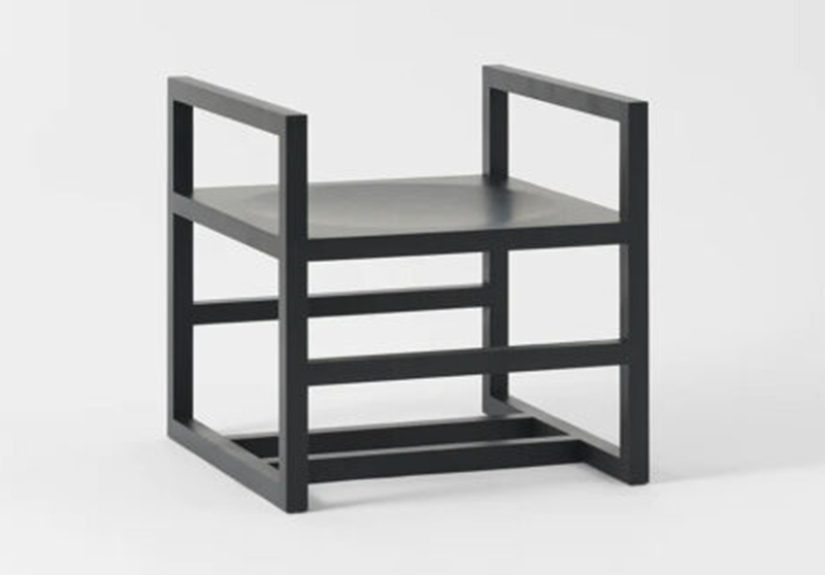
Now add the cube-chair silhouette. A cube chair usually emphasizes a boxy, architectural frame. Think right angles, a contained footprint, and a shape that feels intentional from every side. This is not your frilly accent chair with scrollwork and a backstory about being “inspired by a cloud.” A cube chair is geometry with manners. It often reads as modern, sometimes mid-century, and occasionally almost brutalist in the best possible way.
Put those two elements together and you get a chair that does three jobs at once: it provides seating, it anchors a room visually, and it acts like a piece of functional sculpture. That balance is a big reason why the category continues to appeal to people shopping for statement seating that still earns its keep.
What “Ebonized” Actually Means
The word ebonized sounds mysterious, but the idea is pretty straightforward. It refers to wood that has been darkened to resemble ebony. In traditional woodworking, ebonizing is often done through a reactive process that interacts with the tannins in wood. Oak is especially well suited to this look because it has the kind of grain and character that remain visible even after the wood is turned dramatically dark.
That last part matters. A regular black stain can sometimes make cheaper furniture look like it is wearing a costume. Ebonized oak, on the other hand, usually looks like itself, just moodier. The grain still shows. The texture still feels alive. The finish can look velvety, smoky, or almost ink-like depending on the technique and topcoat. That is why ebonized oak feels more nuanced than a simple black-painted chair.
Many contemporary makers lean into that nuance. Some pair ebonized oak frames with oil finishes for a natural, tactile effect. Others combine the dark wood with upholstery, woven seats, bouclé, leather, or performance fabric. The result can swing minimalist, luxe, organic modern, or tailored mid-century without losing the core identity of the chair.
Why the Cube Shape Works So Well
The cube chair has staying power because it is incredibly easy to place in a room. The shape is compact, legible, and visually tidy. In small apartments, it helps a room feel organized because it does not sprawl all over the floor plan like an overfed recliner. In large rooms, it acts as a crisp architectural punctuation mark. It is the design equivalent of a well-placed period at the end of a sentence.
A well-designed cube chair also creates an appealing contrast between strict lines and soft comfort. The outer frame may be boxy, but the seat inside can be cushioned, upholstered, or subtly curved. That tension between firm structure and inviting softness is where the style gets its charm. The chair says, “I have standards,” but it also says, “Go ahead, sit down.”
Because the form is so clear, the material becomes even more important. This is where ebonized oak shines. The dark finish sharpens the silhouette and emphasizes the geometry, while the visible oak grain prevents the chair from feeling cold or sterile. In other words, the cube shape gives the chair discipline, and the oak gives it soul.
How It Looks in Real Rooms
1. In a Modern Living Room
In a modern living room, an ebonized oak cube chair can ground a sofa that feels a little too soft or floaty. Pair it with linen upholstery, a wool rug, and a stone or travertine coffee table, and suddenly the room has tension in all the right places. The dark wood adds contrast without shouting. It has presence, but not the kind that flips a table for attention.
2. In a Reading Corner
This chair style is ideal for a reading nook because the compact footprint keeps the corner looking neat. Add a floor lamp, a slim side table, and one throw pillow, and you have a setup that feels intentional instead of accidental. The chair becomes the anchor, especially if the walls are warm white, olive, tobacco, or a muted clay tone.
3. In a Bedroom
A single ebonized oak cube chair in a bedroom can make the whole space feel more considered. Put it near a window or beside a dresser, and it instantly reads as a design decision rather than a random place to throw laundry. That said, let us be honest: it may still end up wearing a sweater on Tuesday. Even so, it will do it stylishly.
4. In a Dining or Multiuse Space
Depending on the design, some cube-inspired oak chairs can work at a dining table or in a flexible office-meets-dining setup. Dark oak pairs beautifully with lighter woods, stone surfaces, textured plaster, and neutral upholstery. If your room has a lot of beige and soft curves, this chair brings a little definition and edge without turning the space into a design lecture.
How to Style an Ebonized Oak Cube Chair
One of the smartest things about this chair is that it plays well with other materials. Dark wood does not have to mean a gloomy room. In fact, it often looks best when balanced against lighter and softer elements.
Pair It with Contrast
Try cream upholstery, ivory bouclé, oat-colored linen, pale stone, brushed brass, aged bronze, or warm plaster walls. Contrast keeps the chair from visually sinking into the room. A dark chair against a light rug is almost always a win.
Mix Wood Tones Carefully
Yes, you can mix wood tones. You do not need to put your ebonized oak chair in witness protection just because your coffee table is lighter. The key is harmony, not perfect matching. Look at undertones, grain, and overall warmth. The combination of a dark chair with a lighter oak, walnut, or reclaimed wood piece can feel collected and sophisticated instead of showroom-stiff.
Use Texture to Soften the Geometry
The cube form is structured, so bring in softness elsewhere. A nubby throw, a woven basket, a boucle pillow, or a brushed wool rug can keep the chair from feeling too severe. Texture is the bridge between sculptural furniture and actual human comfort.
Give It Breathing Room
This is not a chair that wants to be buried in clutter. Leave a little negative space around it. Let the silhouette show off. A good cube chair is like a great haircut: if you crowd it, you miss the point.
What to Look for Before You Buy
Solid Oak vs. Veneer
Both can be valid, but they are not the same. Solid oak generally offers greater heft, longevity, and repair potential. Oak veneer over a quality substrate can still look excellent, especially when well made, but the execution matters. If the listing is vague, that is your cue to become politely suspicious.
Finish Quality
A strong ebonized finish should feel deliberate, not muddy. You want the blackened tone to look rich while still letting the wood’s grain contribute to the design. If the surface looks plastic, dull in the wrong way, or oddly flat, the chair may miss the whole point of using oak in the first place.
Seat Comfort
Never let a gorgeous frame distract you from the fact that this object is supposed to support your actual body. Check seat depth, cushion density, back angle, and arm height if applicable. Some cube chairs are made for lingering. Others are made for looking fabulous in a corner while offering only polite, short-term hospitality.
Joinery and Construction
Good wood furniture should feel stable and intentional. Look for thoughtful joinery, a sturdy frame, and quality upholstery if the chair includes cushions. Wobbles are charming in toddlers, not in furniture.
Room Scale
Cube chairs come in many sizes, from compact accent seating to roomy lounge pieces. Measure your space carefully. A chair that looks perfectly proportioned online can arrive and suddenly seem either dollhouse cute or linebacker large.
How to Care for an Ebonized Oak Cube Chair
Dark wood may look dramatic, but its care routine should stay simple. Regular dusting with a soft cloth goes a long way. Moisture and heat are not your friends here, so use coasters, wipe spills promptly, and keep the chair away from direct heat sources when possible. Felt pads under objects and a little common sense will protect the finish from scratches and dents.
Because oak is real wood, it reacts to its environment. Humidity swings can affect wood over time, which means stable indoor conditions are better than wild extremes. That is not a glamorous tip, but neither is apologizing to your furniture after parking it next to a heating vent.
If the chair has an oil-and-wax style finish, follow the maker’s care instructions. Some finishes benefit from periodic conditioning, while others are meant to be left alone apart from gentle cleaning. The golden rule is easy: do not attack a beautiful chair with harsh cleaners, soaking wet cloths, or mystery sprays from under the sink that smell like lemon and regret.
Who Should Buy One?
An ebonized oak cube chair is a smart choice for people who want furniture with personality but do not want their room to look chaotic. It works for fans of modern design, organic modern interiors, upscale rustic spaces, tailored apartments, creative offices, boutique-style bedrooms, and anyone who likes furniture that looks composed from every angle.
It is especially useful if your space needs contrast. Maybe your room has too many soft neutrals and needs a sharper line. Maybe your sofa is practical but visually sleepy. Maybe your style lives somewhere between “quiet luxury” and “I refuse to buy boring chairs.” This piece can bridge that gap.
It also suits buyers who care about longevity. Dark oak feels current, but oak itself is a classic furniture wood. A well-made ebonized oak cube chair is not likely to feel embarrassing in two years. That alone makes it more appealing than trend-chasing pieces that look dated before the shipping box cools down.
Final Thoughts
The beauty of an ebonized oak cube chair is that it combines discipline and warmth in one compact idea. Oak brings durability, texture, and authenticity. Ebonizing adds depth, drama, and a more tailored visual tone. The cube silhouette contributes order, structure, and sculptural presence. Together, they create a chair that is stylish without being fussy, modern without being cold, and bold without needing to yell.
In a market crowded with furniture that either tries too hard or says too little, this chair lands in the sweet spot. It is confident. It is useful. It ages well. And it makes almost any room feel a little more intentional. That is a lot to ask of a chair, but ebonized oak is clearly not here to do the bare minimum.
Extended Experience: Living with an Ebonized Oak Cube Chair
The first thing most people notice when they live with an ebonized oak cube chair is that it changes throughout the day. In morning light, it can read like soft charcoal with a brown undertone hiding beneath the surface. By evening, especially under warm lamps, it turns richer and deeper, almost like ink brushed over visible grain. That changing character is part of the charm. It never looks flat, and it never feels like a generic black chair from a furniture catalog that forgot to hire a personality.
In day-to-day use, the chair tends to become one of those pieces that quietly reorganizes the room around itself. You might buy it as an accent chair, but within a week it starts acting like a design manager. Suddenly the throw blanket gets folded better. The side table is upgraded. The lamp next to it is no longer “good enough.” The chair sets a standard, which is frankly a little rude, but also very effective.
It is also one of those rare furniture pieces that works for both design lovers and normal humans. A design enthusiast appreciates the grain, the finish, the disciplined geometry, and the way the dark oak interacts with softer textiles. A regular guest just says, “Wow, that chair looks great,” then sits down and wonders why their own living room feels less put together. That is the sweet spot. Good furniture should impress without requiring a lecture.
There is a practical side to the experience too. Because the shape is typically compact and self-contained, an ebonized oak cube chair often makes a room feel more organized. It does not sprawl. It does not visually collapse into the floor. It holds its shape, even when the rest of life gets messy. In apartments, home offices, reading corners, and bedrooms, that tidy footprint is a major advantage. It gives you presence without demanding a ridiculous amount of square footage.
Of course, the experience depends on the exact design. Some cube chairs lean loungey, with a deeper seat and softer cushion that invite you to stay awhile. Others are more upright and sculptural, better for short conversations, reading, or pretending you are the kind of person who drinks espresso slowly while discussing architecture. Either way, the best versions feel intentional. They support the body without losing the visual clarity that makes the style so appealing.
Over time, owners often grow especially fond of how ebonized oak pairs with the rest of a home. It looks sophisticated near linen, beautiful against plaster, sharp beside brass, and grounded next to stone. Even when trends shift, the chair tends to hold up because it is built on classic ingredients: oak, craftsmanship, proportion, and a finish with real depth. It may be dramatic, but it is not disposable drama. It is more like the furniture version of a perfectly tailored black coat: useful, flattering, and somehow always the right decision.