Table of Contents >> Show >> Hide
- Why This Eggplant-Beef Pasta Bake Works So Well
- Ingredients for the Best Flavor and Texture
- How to Make Eggplant-Beef Pasta Bake
- Tips That Make a Big Difference
- Easy Variations to Try
- What to Serve With Eggplant-Beef Pasta Bake
- Storage, Leftovers, and Reheating
- Common Mistakes to Avoid
- The Experience of Making an Eggplant-Beef Pasta Bake at Home
- Final Thoughts
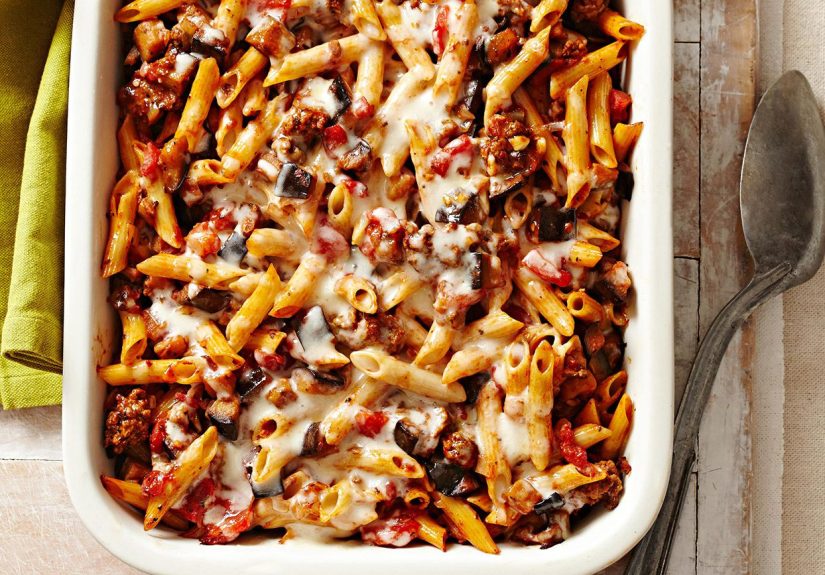
If baked ziti and eggplant Parmesan had a very delicious dinner-party baby, this would be it. An eggplant-beef pasta bake recipe brings together tender pasta, savory ground beef, silky eggplant, rich tomato sauce, and a golden blanket of melted cheese. In other words, it is the kind of meal that makes your kitchen smell like you suddenly became the most organized person on the block, even if there is still unopened mail on the counter and one sock missing from the laundry basket.
This dish works because it hits several comfort-food notes at once. You get the meaty heartiness of a classic beef pasta casserole, the soft, almost buttery texture of properly cooked eggplant, and the baked finish that makes every forkful feel extra cozy. It is also a smart way to stretch a modest amount of beef into a dinner that feels generous rather than stingy. The eggplant does not just “fill space,” either. It absorbs flavor beautifully and gives the sauce body, which means the final bake tastes rich, layered, and deeply satisfying.
Whether you are planning a family dinner, a meal-prep Sunday, or a bring-it-to-a-friend situation, this baked pasta deserves a spot in your rotation. Below, you will find a detailed guide to building the best version of it, plus practical tips, easy swaps, and a long, real-life look at what the experience of making this recipe is actually like in a normal home kitchen.
Why This Eggplant-Beef Pasta Bake Works So Well
The secret is balance. Eggplant on its own can be dreamy, but it can also go mushy if handled carelessly. Ground beef on its own is flavorful, but it can make a pasta bake feel heavy if the rest of the dish does not pull its weight. Pasta, meanwhile, is always ready to be the hero, but it needs the right sauce-to-structure ratio or it ends up sad, bloated, and overcooked. This recipe solves all three problems.
First, the eggplant is cooked before it is baked with everything else. That matters. Raw eggplant tossed into a casserole tends to release moisture at the worst possible moment, which can thin the sauce and muddy the texture. Cooking it first gives it a head start, helps it turn tender, and lets it soak up olive oil and aromatics instead of watering down the party.
Second, the beef is browned properly. That means you are not just “cooking ground beef until it is gray.” You are building flavor. A little onion, a little garlic, some dried oregano, basil, black pepper, and crushed red pepper help the meat sauce taste deeper and more finished. The result lands somewhere between a weeknight ragù and a casserole you would proudly set on the table for guests.
Third, the pasta is cooked just shy of fully done before it goes into the oven. This is one of those simple steps that separates a terrific pasta bake from a tray of floppy noodles. Since the pasta keeps cooking in the sauce while it bakes, pulling it early helps it stay pleasantly firm instead of turning into edible upholstery.
Finally, the cheese finish matters more than people admit. A combination of mozzarella and Parmesan gives you both melt and flavor. Mozzarella brings the gooey pull. Parmesan brings salty, nutty depth. Together, they create the browned top that makes everyone mysteriously interested in “just a tiny extra scoop.”
Ingredients for the Best Flavor and Texture
The core ingredients
- Eggplant: Choose firm, glossy eggplants that feel heavy for their size. Smaller eggplants are often less seedy and a little sweeter.
- Ground beef: Lean or extra-lean works well, though a little fat is not a crime against dinner. It is flavor with a mortgage.
- Pasta: Penne, rigatoni, or shells are ideal because they catch sauce in all the right places.
- Tomatoes: A combination of crushed tomatoes, diced tomatoes, or tomato sauce creates body and moisture without making the casserole soupy.
- Onion and garlic: The two ingredients most responsible for making your house smell like someone competent lives there.
- Cheese: Mozzarella for melt, Parmesan for depth. Ricotta is optional if you want an even creamier, lasagna-adjacent vibe.
- Herbs and seasoning: Basil, oregano, salt, black pepper, and a pinch of red pepper flakes.
- Olive oil: Essential for cooking the eggplant and rounding out the sauce.
Optional add-ins
You can customize this eggplant and beef pasta bake without losing the soul of the dish. Mushrooms add extra savoriness. Spinach folds in easily near the end of sauce cooking. A spoonful of tomato paste makes the sauce more concentrated. Fresh basil added after baking brightens everything up. Even a small amount of ricotta dolloped between layers can turn the whole thing into a hybrid of baked pasta and eggplant lasagna.
How to Make Eggplant-Beef Pasta Bake
1. Prep the eggplant
Cut the eggplant into cubes or small bite-size pieces. If you are worried about excess moisture, lightly salt the pieces and let them sit for 20 to 30 minutes, then pat them dry. This step is not always mandatory, but it is helpful when the eggplant seems especially spongy or you want a firmer final texture.
2. Cook the eggplant first
Heat olive oil in a large skillet and cook the eggplant until it is tender and lightly browned. Do not rush it. This is where the vegetable transforms from “maybe healthy” into “actually delicious.” Once cooked, set it aside.
3. Brown the beef and build the sauce
In the same pan, cook the ground beef with chopped onion until the meat is browned and the onion softens. Add garlic, then stir in tomatoes, tomato sauce, basil, oregano, salt, pepper, and red pepper flakes. Return the cooked eggplant to the skillet and simmer until the mixture thickens slightly. You want a sauce that coats the pasta, not one that runs away from it.
4. Boil the pasta
Cook the pasta in salted water until just under al dente. Drain it well. Resist the urge to fully cook it. Future-you, standing by the oven with a serving spoon, will appreciate your restraint.
5. Combine and assemble
Mix the pasta with the beef and eggplant sauce. Transfer everything to a greased baking dish. Top with mozzarella and Parmesan. If you like a cheesier finish, add a second light layer in the middle as you assemble.
6. Bake until bubbly
Bake until the casserole is hot throughout and the cheese is melted and lightly golden. Let it rest for 10 minutes before serving. This small pause helps the bake set up, which means cleaner servings and less “lava spill” on the plate.
Tips That Make a Big Difference
Use ridged pasta. Smooth pasta is fine, but ridged shapes hold sauce better. This dish is built for clinging, not slipping.
Do not drown the casserole. Baked pasta should be saucy, yes, but not swimming. Since eggplant releases some moisture and pasta absorbs sauce during baking, aim for a thick, spoonable meat sauce before assembly.
Season in layers. Salt the pasta water, season the beef, and taste the sauce before combining everything. Bland baked pasta is often the result of one missed step, not a bad recipe.
Let it rest before slicing or scooping. A short rest makes the texture more cohesive and the flavors more settled.
Make it ahead if needed. This is a fantastic prep-ahead dinner. Assemble it earlier in the day, refrigerate it, and bake when ready. It also freezes well, which makes it a strong candidate for future-you’s gratitude.
Easy Variations to Try
Cheesier version
Add ricotta mixed with a little Parmesan and black pepper for a creamier interior. This nudges the recipe closer to lasagna without forcing you into full lasagna labor.
Spicier version
Increase the crushed red pepper flakes or add hot Italian sausage in place of some of the beef. The heat plays well against the mellow eggplant.
Lighter version
Use whole-wheat pasta, extra-lean beef, and part-skim mozzarella. You still get the comfort, just with a slightly more weeknight-friendly profile.
Italian-American comfort-food version
Scatter breadcrumbs mixed with Parmesan and olive oil over the top before baking. That extra crunchy lid is deeply unserious in the best possible way.
What to Serve With Eggplant-Beef Pasta Bake
This pasta bake is rich enough to carry dinner on its own, but a few sides make the meal feel complete. A crisp green salad with a bright vinaigrette is the best counterpoint. Garlic bread is always welcome, assuming your household has any self-control. Roasted broccoli, green beans, or a simple platter of sliced tomatoes with a little salt and olive oil also pair nicely.
For drinks, iced tea, sparkling water with lemon, or a medium-bodied red wine all work well. The goal is contrast. The bake is hearty and warm, so something fresh on the side helps the whole meal feel balanced rather than overly heavy.
Storage, Leftovers, and Reheating
One of the best things about this beef pasta casserole with eggplant is that leftovers are excellent. In some cases, they are suspiciously better on day two. Store the cooled pasta bake in an airtight container in the refrigerator for up to four days. Reheat in the oven for the best texture, or use the microwave when hunger has moved from polite to urgent.
If freezing, wrap the unbaked or baked casserole tightly and freeze for a future dinner rescue. Thaw overnight in the refrigerator before reheating. This is a great recipe for making in a disposable pan and dropping off for someone who needs a meal that feels comforting, filling, and genuinely homemade.
Common Mistakes to Avoid
- Using watery sauce: It may seem harmless at first, but it can leave the final casserole loose and soupy.
- Skipping the eggplant pre-cook: This is the fastest route to disappointing texture.
- Overcooking the pasta before baking: It will continue softening in the oven.
- Underseasoning: Cheese helps, but it cannot fix a bland sauce all by itself.
- Serving immediately from the oven: Give it a few minutes to settle so every serving holds together better.
The Experience of Making an Eggplant-Beef Pasta Bake at Home
There is a particular kind of satisfaction that comes from making an eggplant-beef pasta bake recipe, and it starts before the first bite. It begins with the cutting board. The eggplant looks humble, maybe even a little suspicious if you have been burned by bland eggplant in the past, but once it hits hot oil and starts softening at the edges, the whole mood changes. The kitchen begins to smell mellow and savory. Then the beef goes in, followed by onion and garlic, and suddenly the room smells like dinner is not just happening, but showing off.
One of the nicest things about this dish is how it makes ordinary cooking feel slightly grander than it really is. You are not making a restaurant project with fourteen components and a side of regret. You are browning meat, softening vegetables, boiling pasta, and layering cheese. That is all manageable stuff. Yet once everything is combined in the baking dish, it looks like a meal with a plan. It has structure. It has confidence. It says, “Yes, I did remember to make dinner, and no, we are not eating random crackers over the sink tonight.”
The texture experience is also part of the appeal. Properly cooked eggplant almost melts into the sauce, but not completely. It gives the casserole body and richness without making itself the center of attention. The beef makes each bite hearty, while the pasta keeps the whole thing familiar and comforting. Then there is the cheese on top, which performs its ancient and honorable duty of making people appear in the kitchen “just to check on something” while the casserole rests.
From a practical standpoint, this is the kind of recipe that behaves well in real life. It is forgiving. If you chop the eggplant a little unevenly, it will still be fine. If your sauce simmers an extra few minutes because you got distracted answering a text, it will probably be even better. If your family members claim they are “not really eggplant people,” this recipe has a funny way of making them quietly reconsider that position while reaching for seconds.
It is also one of those meals that fits different occasions without needing a costume change. On a Tuesday night, it feels like a cozy answer to a long day. On a Sunday, it works as a meal-prep anchor that promises useful leftovers. For guests, it lands in the sweet spot between casual and generous. It looks abundant on the table, serves easily, and does not trap you in the kitchen at the exact moment everyone else is relaxing.
Then there is the leftover experience, which deserves its own little standing ovation. A lot of pasta dishes fade after the first day. This one often deepens. The eggplant settles into the sauce even more, the herbs mellow into the meat, and the pasta absorbs just enough flavor to make the next-day lunch taste intentional rather than recycled. Reheated with a crisp salad or a piece of bread, it becomes the lunch that makes you feel briefly superior to your own planning habits.
Emotionally, this dish gives off the same energy as a clean kitchen table, a warm lamp in the corner, or a text from someone saying they made it home safely. It is not flashy, but it is comforting in a very complete way. It fills the room, feeds people well, and leaves behind the kind of quiet praise that matters most: empty plates, scraped corners of the pan, and somebody asking whether there is enough left for tomorrow.
That is the real charm of an eggplant-beef pasta bake. It is not trying to be trendy. It is not performing. It is just deeply, reliably good. And in a world full of overcomplicated dinners and underwhelming shortcuts, that kind of recipe earns a permanent place in the rotation.
Final Thoughts
If you want a dinner that feels hearty, practical, and just a little impressive without requiring culinary gymnastics, this Eggplant-Beef Pasta Bake Recipe is a strong bet. It combines the comfort of a baked pasta casserole with the depth of eggplant and beef in a tomato-herb sauce, then seals the deal with melted cheese on top. It is cozy enough for a weeknight, generous enough for guests, and dependable enough for leftovers. Not bad for one casserole dish and a vegetable that too many people underestimate.