Table of Contents >> Show >> Hide
- What Makes a Farrelly Brothers Movie a Farrelly Brothers Movie?
- The “Great” Tier: Peak Farrelly (When the Chaos Has a Soul)
- The “Still Really Good (But Complicated)” Tier: Big Swings, Mixed Aging
- The “Experiment Era”: Remakes, Raunch, and One Infamous Anthology
- The Heartbreak Kid (2007): Darker Comedy, Uneven Payoff
- Hall Pass (2011): Big Laughs… and Big “That Didn’t Age Great” Energy
- The Three Stooges (2012): Slapstick Nostalgia with a Modern Wrapper
- Movie 43 (2013): The “How Did This Get Made?” Hall of Fame Entry
- Dumb and Dumber To (2014): Nostalgia Sequel with Sparks, Not Lightning
- The Pivot: “Green Book” (2018) and the Farrelly Style Growing Up
- So… What’s the Best Way to Watch Farrelly Brothers Movies Today?
- Why the Farrelly Brothers Still Matter (Even When the Jokes Get Dusty)
- Experiences: What It Feels Like to Grow Up With Farrelly Brothers Movies (and Revisit Them After “Green Book”)
- Conclusion
If you grew up in the era when comedies came with a warning label (and sometimes a hair-gel incident), you already know the Farrelly Brothers didn’t just make moviesthey launched events. Peter and Bobby Farrelly helped define modern studio comedy with films that were proudly messy, weirdly sweet, and unafraid to sprint straight into “too far” territory… then turn around and surprise you with heart.
And thenplot twist worthy of a slow-clap montagePeter Farrelly directed Green Book, a true-story-inspired road drama that won Hollywood’s biggest prize and sparked a whole separate conversation about what it means to tell a story “based on” real life. That leapfrom belly-laugh chaos to awards-season prestige is exactly what makes revisiting the Farrelly filmography so fun.
This guide ranks and reviews the Farrelly Brothers’ key movies in a “great to Green Book” arc: the classics that still crush, the mid-career swings that half-work (or fully derail), and the late pivot into a different kind of crowd-pleaser. Expect specific examples, a little film-nerd analysis, and a friendly reminder that comedy ages like milk… unless it’s the kind of milk that turns into cheese you still want to eat.
What Makes a Farrelly Brothers Movie a Farrelly Brothers Movie?
Even when the jokes get outrageous, the Farrellys tend to build stories around outsiderscharacters who are dismissed, underestimated, or treated like punchlines by the world. Their best movies pull off a tricky magic trick: they make you laugh at the absurdity while nudging you to laugh with the people inside it.
Common Farrelly DNA includes:
- Big, physical set pieces (often involving bad luck, bodily fluids, or both).
- Earnest characters who mean well even when they’re catastrophically misguided.
- Rom-com structure hiding inside a goofy comedy (meet-cute energy with chaos seasoning).
- A soft spot for underdogs, sometimes framed with sincerity that sneaks up on you.
- Mid-scene emotional whiplash: you’re laughing, then suddenly… you kind of care.
When those ingredients balance, you get a classic. When they don’t, you get a movie that feels like it was pitched on a dare at 1:45 a.m. after someone said, “No way they’ll let us do that.” (Reader: sometimes they did.)
The “Great” Tier: Peak Farrelly (When the Chaos Has a Soul)
Dumb and Dumber (1994): A Perfectly Stupid Masterpiece
The Farrellys’ breakout hit works because Harry and Lloyd aren’t cynicalthey’re gloriously sincere. The comedy lands not just because the guys are dumb, but because they’re committed. They believe in friendship, they believe in the mission, and they believe a shaggy dog van is a solid transportation strategy.
What keeps Dumb and Dumber alive decades later is its rhythm: the jokes come fast, but the movie also breathes. You get absurd punchlines, then quiet little moments where the characters feel almost… noble? In their own way? Like two golden retrievers who accidentally rented a tux.
Why it’s “great”: iconic quotes, a clean road-trip structure, and a tone that’s outrageous without feeling mean-spirited. It also became a genuine box-office phenomenonproof that a movie can be critically divisive and still culturally immortal.
Kingpin (1996): The Cult Favorite That Plays Like a Dirty Sports Fable
Kingpin is the Farrellys taking a sports-movie skeleton and stuffing it with bowling, broken dreams, and characters so odd they feel like they wandered in from a different zip code of reality. It’s grimy, committed, and unapologetically strange.
The reason it’s beloved is simple: it’s not just gross-out comedy. It’s a story about pride, regret, and the desperate hope that maybe your “one last shot” isn’t a myth. Plus, it contains the kind of fearless comedic choices that make you wonder how the script got approved without a wellness check.
There’s Something About Mary (1998): Gross-Out Rom-Com Perfection
If you want the Farrelly Brothers at their most influential, start here. Mary is a rom-com with a filthy grin: it’s built like a classic love storyguy pines, guy chases, guy grows upexcept every step of the journey is booby-trapped with humiliation.
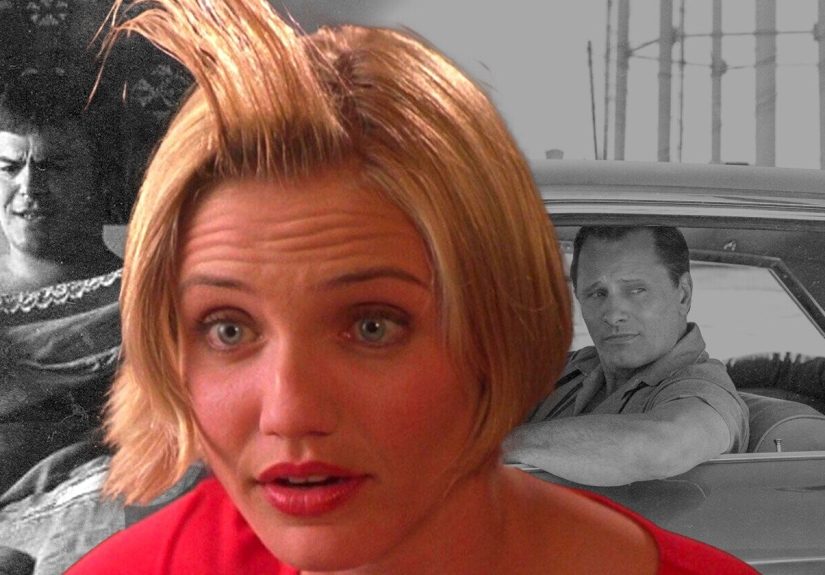
The brilliance is the contrast. Cameron Diaz plays Mary as genuinely magnetic and kind, which raises the stakes: Ted isn’t chasing a fantasyhe’s chasing an actually great person. Meanwhile, the movie unleashes a parade of rivals, liars, and weirdos, each one trying to “win” Mary like she’s a prize at a carnival (the movie knows that’s the joke).
Why it’s “great”: it’s disgusting in a way that’s weirdly structured and elegant. It also helped cement the Farrellys’ reputation for making comedies that can still have a heart beating under the gag machine.
The “Still Really Good (But Complicated)” Tier: Big Swings, Mixed Aging
Me, Myself & Irene (2000): Jim Carrey Unleashed… and Then Some
This one is a power tool. Jim Carrey goes full-throttle, and the Farrellys lean into the contrast between sweet, repressed politeness and explosive, rule-breaking rage. As a pure performance, it’s impressiveCarrey is basically doing two movies at once.
The tricky part is that parts of the comedy have aged poorly, and some of the subject matter is handled with the bluntness of a cartoon hammer. Still, the central ideawhat happens when you bottle everything up until your personality snapsremains relatable in a way that lands even when certain jokes don’t.
Shallow Hal (2001): A Heartfelt Message Wrapped in a Risky Premise
Shallow Hal is the Farrellys trying to deliver a fable about how we judge peopleand they do it with a premise that invites criticism. The intent is to shame superficiality and reward empathy, but the execution can feel like it’s battling itself: one moment sweet, one moment cringe.
It’s an example of the Farrellys’ eternal tug-of-war: sincerity versus spectacle. When it hits, it’s warm. When it misses, it feels like the movie wants a hug but keeps stepping on your foot.
Stuck on You (2003): Their Softest, Sweetest Oddball Comedy
If you prefer your Farrelly humor with more tenderness and less “what did I just witness,” Stuck on You is a great pick. The comedy comes from the logistics of living as conjoined twins, but the movie’s emotional center is surprisingly gentle: it’s about independence, codependence, and growing up when your life is literally intertwined with someone else’s.
It also shows a more mature Farrelly approachstill silly, but less interested in shock for shock’s sake.
Fever Pitch (2005): The Most Mainstream Farrelly Rom-Com
Fever Pitch leans into relationship comedy and sports fandom, using the Farrelly style more like seasoning than the main dish. It’s less outrageous and more crowd-pleasing, which is exactly why it’s an interesting pivot point: you can see them practicing restraint.
The “Experiment Era”: Remakes, Raunch, and One Infamous Anthology
The Heartbreak Kid (2007): Darker Comedy, Uneven Payoff
This remake aims for cringe comedy with sharper edgesawkward situations, selfish choices, escalating consequences. When it works, it’s uncomfortable in a deliberately funny way. When it doesn’t, you’re left watching characters make terrible decisions without enough emotional balance to justify the ride.
Hall Pass (2011): Big Laughs… and Big “That Didn’t Age Great” Energy
Hall Pass is a classic example of an R-rated studio comedy built on a simple premise, executed with a mix of hilarious moments and jokes that can feel locked to a specific era. The best scenes capture midlife panic with a cartoonish honesty: people don’t want to be badthey just want to feel young again.
The Three Stooges (2012): Slapstick Nostalgia with a Modern Wrapper
The Farrellys clearly love the Stooges’ physical comedy, and their adaptation tries to reintroduce that style to a new audience. It’s not subtle, and it’s not trying to be. If you like pure slapstick, it’s an affectionate homage. If you don’t, this movie will feel like being gently bonked on the head for two hours.
Movie 43 (2013): The “How Did This Get Made?” Hall of Fame Entry
Movie 43 is the weirdest entry in the Farrelly orbit: a sketch anthology loaded with celebrities, built around shock-value premises. It’s notorious for a reasonmany viewers felt it mistook extremity for comedy. The ambition (get big stars, do taboo sketches) is obvious, but the overall result plays like a dare that became a release date.
In a strange way, it’s still useful for understanding the Farrelly brand: it shows what happens when the “push it further” instinct becomes the point instead of the tool.
Dumb and Dumber To (2014): Nostalgia Sequel with Sparks, Not Lightning
Sequels to beloved comedies are hard because the original wasn’t just jokesit was a vibe. Dumb and Dumber To has moments that feel like the old rhythm, especially when the leads lock in, but it also carries the weight of expectations. Some gags hit, some feel like reruns, and the magic is more intermittent.
The Pivot: “Green Book” (2018) and the Farrelly Style Growing Up
What “Green Book” Is (and Why It Landed So Big)
Green Book follows a mismatched duo on a 1960s road trip through segregated America: Tony “Lip,” a working-class Italian-American driver, and Dr. Don Shirley, a Black classical pianist on tour. The title refers to the historical travel guide used by Black travelers navigating Jim Crow-era discrimination.
For many audiences, the movie worked as an accessible, emotionally direct crowd-pleaser: two excellent lead performances, a clear arc of change, and a structure the Farrellys know welltwo very different people in a car, learning each other’s language, with humor used as a bridge. It won major awards and achieved major mainstream reach, which is a rare crossover for a director best known for outrageous comedy.
How You Can Still See the Farrellys in It
Even without the gross-out gags, the Farrelly fingerprints show up in:
- The buddy-road framework (their comfort zone since Dumb and Dumber).
- Comedy as humanizing detail rather than constant punchlines.
- Outsiders and social frictiontwo men treated differently by the world, both lonely in their own ways.
- A belief in emotional payoff: the movie wants you to leave the theater feeling something.
Why “Green Book” Also Sparked Debate
The same qualities that made Green Book broadly popular also fueled criticism. Some viewers argued it softens history into a “feel-good” narrative about personal transformation, and others objected to how the story frames race and whose perspective drives the plot. There were also public disputes about certain portrayals and how “true” the film is, given it dramatizes real people and relationships.
That debate matters when you look at the Farrelly trajectory: it’s one thing to make a raunchy comedy where the stakes are embarrassment. It’s another to make a prestige drama about real historical pain and expect the same “crowd-pleaser” instincts to satisfy everyone. Green Book is a pivotand also a reminder that tonal skill doesn’t automatically solve narrative responsibility.
So… What’s the Best Way to Watch Farrelly Brothers Movies Today?
If you want the “great to Green Book” arc in a clean, satisfying viewing order, try this:
- There’s Something About Mary (peak Farrelly: shock + heart)
- Dumb and Dumber (pure innocent chaos)
- Kingpin (cult weirdness with sports-movie bones)
- Stuck on You (sweet, underrated warmth)
- Me, Myself & Irene (Carrey fireworks, mixed aging)
- Fever Pitch (mainstream rom-com Farrelly)
- Green Book (the prestige pivot)
Then, if you’re feeling brave (or hosting a “bad movie night” with friends who enjoy chaos), you can dip into the experiment era. Just keep snacks nearby, and maybe a group chat for live reactions.
Why the Farrelly Brothers Still Matter (Even When the Jokes Get Dusty)
Comedy is the genre most likely to show its agebecause culture changes, taboos shift, and what once felt rebellious can later feel careless. The Farrellys are a perfect case study: their best films demonstrate how to combine outrageous set pieces with genuine affection for characters. Their weaker films show what happens when “push it” becomes the goal rather than the method.
But the big-picture legacy is undeniable. They helped define the modern studio comedy toneloud, physical, quotable, and emotionally accessible. They also proved that beneath the chaos, they had a consistent interest in human vulnerability. Even when a joke lands with the subtlety of a falling refrigerator, the movies often circle back to the same idea: people are flawed, lonely, hopeful, and kind of ridiculousand that’s okay.
Experiences: What It Feels Like to Grow Up With Farrelly Brothers Movies (and Revisit Them After “Green Book”)
Watching Farrelly Brothers movies can feel like opening a time capsuleone filled with outdated hairstyles, aggressively 1990s confidence, and the unmistakable energy of a comedy that believes it can get away with anything. For a lot of people, the first experience is communal: a sleepover, a college dorm, a living-room movie night where someone says, “You haven’t seen it?” like you just admitted you don’t know what pizza is. Farrelly comedies are often passed along like folklore. You’re not just watching a movieyou’re being inducted into a language of quotes, reactions, and “you had to be there” scenes.
The second experienceyears lateris the rewatch. And the rewatch is where the Farrellys become fascinating. The jokes hit differently when you’re older. Some moments still feel like perfectly engineered comedy grenades: you know what’s coming, you brace for it, and you still laugh because the timing is ruthless. Other moments land with a new kind of discomfort, not because you’ve “lost your sense of humor,” but because you’ve gained context. You start noticing who the butt of the joke is, and whether the movie is laughing at cruelty or at the absurdity of human behavior.
That’s also when the Farrelly “secret sauce” becomes obvious: their best movies aren’t only funnythey’re emotionally legible. Dumb and Dumber works because the friendship is real, and because the characters aren’t trying to be cool. There’s Something About Mary works because the romantic longing is real, even when the obstacles are cartoonishly humiliating. When you revisit those films after seeing Green Book, you can connect the dots: the Farrellys have always been interested in unlikely pairings, road-trip intimacy, and the awkward ways people change in front of each other. The big difference is the stakes. In the comedies, the worst outcome is embarrassment. In Green Book, the stakes are history, identity, and survivaland that changes how audiences judge the same “crowd-pleaser” instincts.
Another common experience is the “quote life.” Farrelly movies tend to embed themselves in everyday conversation because the lines aren’t polishedthey’re blunt, weird, and specific, like something your funniest friend would say right before everyone loses it. Those quotes become shorthand for friendship, for nostalgia, for that phase of life when you laughed until you couldn’t breathe. And then there’s the experience of sharing them with someone younger: you press play with confidence, expecting universal laughter, and then you watch the room carefully like a scientist. Sometimes the jokes still hit. Sometimes they don’t. Sometimes the younger viewer laughs at something totally different than you did. That momentrealizing comedy isn’t fixed, it’s negotiatedturns a silly movie night into a mini cultural study.
Finally, there’s the “post–Green Book” experience: re-evaluating the Farrellys as storytellers rather than just joke machines. You may find yourself more impressed by their restraint in certain scenes, or more critical of moments where the story feels engineered to comfort the viewer. That’s not a bad thing. It’s what happens when you revisit a filmmaker’s work across decades: you see growth, you see misfires, and you see patterns. In the Farrelly case, the pattern is clearbeneath the shock comedy and the slapstick, they’ve always chased a version of human connection. Sometimes they chased it with a sledgehammer. Sometimes, as in Green Book, they tried to reach it with a handshake. Either way, the experience of watching the full arc is its own kind of entertainment: a reminder that filmmakers, like audiences, changesometimes in surprising directions.
Conclusion
The Farrelly Brothers’ legacy is bigger than any single gag (even the ones that made theaters collectively gasp-laugh). At their best, they turned outrageous comedy into something strangely tenderstories about outsiders, longing, friendship, and the chaos of being human. Green Book represents the most dramatic evolution of that sensibility: a road movie with warmth and conflict that reached a massive audience, earned top awards, and sparked real debate about how history should be framed on screen.
If you’re exploring Farrelly Brothers movies from great to Green Book, the fun isn’t only ranking themit’s noticing the through-line: the same filmmakers who built their brand on “can you believe they did that?” also kept trying to say, “can you believe these people found each other?”